

Hook: Have you ever wondered how an intermittent fasting schedule stacks up against the centuries-old tradition of Muslim fasting? While both involve periods without food or drink, their purposes, health implications, and daily routines can be strikingly different. Let’s explore how these two approaches to fasting compare—and what that could mean for your health and lifestyle.
A Compelling Inquiry: Why Compare an Intermittent Fasting Schedule to Traditional Muslim Fasting?
The comparison between an intermittent fasting and traditional Muslim fasting isn’t just a matter of science versus spirituality—it’s a window into how cultures and individuals create meaning, discipline, and health outcomes through the timing of meals. With intermittent fasting schedules gaining popularity for weight loss and metabolic health, many are curious how these secular “eating patterns” compare to the rich spiritual, communal, and physical experience of Muslim fasting, especially during Ramadan. Analyzing both sheds light on human adaptability and the intersecting roles of culture and biology in our relationship with food.
This comparison matters for those seeking not just to lose weight or manage blood sugar but to adopt sustainable lifestyle changes that honor their values. Understanding the nuances of each fasting approach clarifies potential health benefits, addresses misunderstandings, and ensures respect for cultural traditions while promoting informed health choices. Whether you’re considering your first intermittent fasting schedule or honoring a religious fasting period, knowing the similarities and differences can guide a safe, effective path forward.
What You’ll Learn About Intermittent Fasting Schedules
Gain insight into popular intermittent fasting
Understand health benefits of intermittent fasting
Compare intermittent fasting with Muslim fasting rituals
Review scientific and traditional perspectives
Clarify common questions and misunderstandings
Understanding the Intermittent Fasting Schedule: Key Concepts
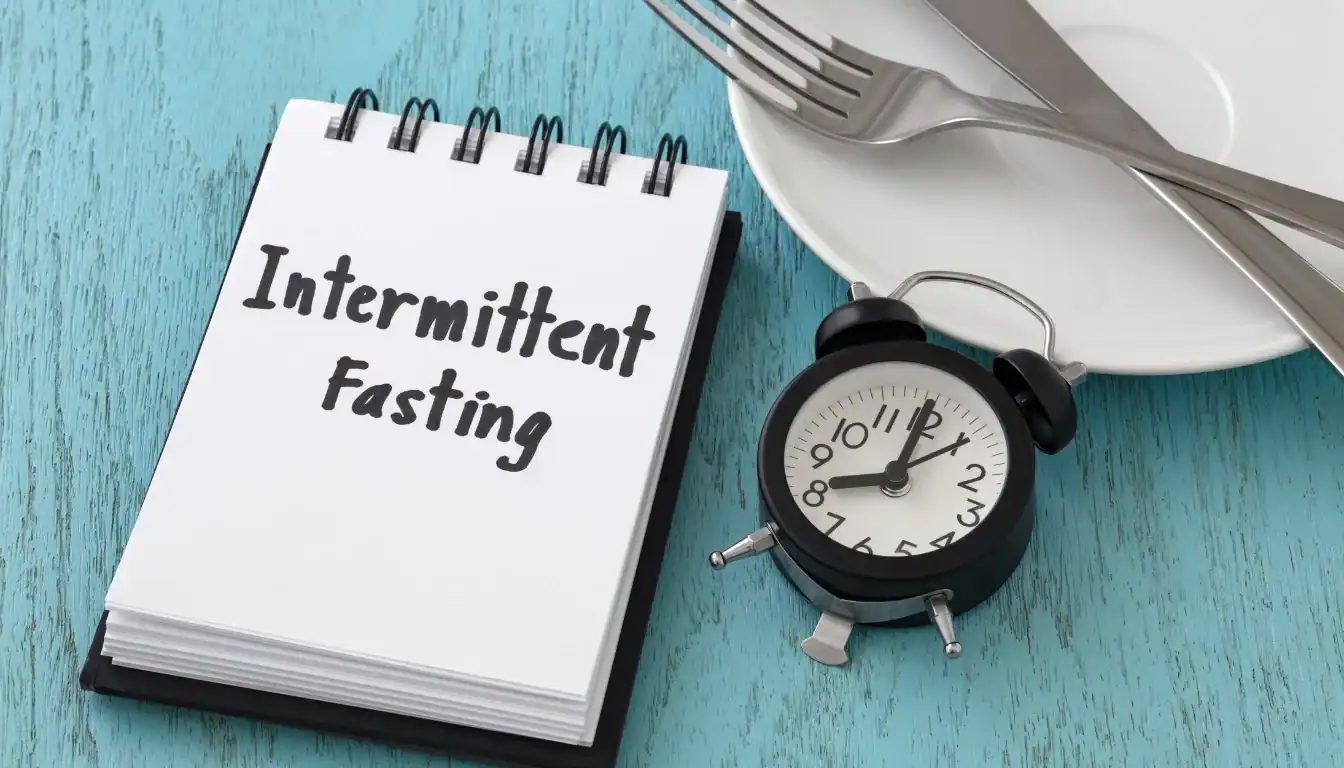
What Is Intermittent Fasting? How Does an Intermittent Fasting Work?
Intermittent fasting revolves around cycling between defined periods of eating and fasting, rather than focusing on the specific foods you eat. The core of an intermittent fasting is time—restricting calorie intake to specific “eating windows” and abstaining from calories for the remainder of the day or week. This flexible eating pattern appeals to people seeking weight loss, improved metabolic health, and a streamlined eating plan that doesn’t necessarily ban any food groups. During fasting windows, only non-caloric drinks like water or black coffee are typically permitted, helping to reduce blood sugar fluctuations and support the body’s natural metabolic switch from glucose to fat as fuel.
Research shows intermittent fasting can, over the long term, lead to positive effects on blood pressure, cholesterol, and even insulin sensitivity. Adherents may structure their intermittent fasting schedule to suit lifestyle demands—be it mornings, evenings, or alternate days. The lack of a religious or cultural requirement means participants can tailor fasting schedules to their goals, dietary needs, and daily obligations. However, success largely depends on maintaining a healthy diet during eating periods and listening to your body’s cues, ensuring that weight management goals don’t compromise overall health or encourage eating disorders.
If you’re interested in how intermittent fasting specifically impacts weight loss outcomes, you might find it helpful to explore what most don’t know about intermittent fasting weight loss results. This resource delves deeper into the science and real-world experiences behind fasting for weight management.
Core Types of Intermittent Fasting: Fasting Schedules Explained
There is no single “right” intermittent fasting schedule—instead, several evidence-based options exist, each with its own intensity and rhythm. The most popular include:
16:8 intermittent fasting schedule: Fasting for 16 consecutive hours, with an 8-hour eating window. For example, you might eat between 12:00 pm and 8:00 pm daily and fast overnight through breakfast.
5:2 intermittent fasting method: Eating normally 5 days a week, and consuming just 500–600 calories (a severe calorie reduction) on 2 non-consecutive fasting days.
Alternate-day fasting schedule: Alternating between fasting days and regular eating days throughout the week. This method’s fasting days may allow for some low-calorie intake or complete abstinence.
Custom intermittent fasting schedules: Some people personalize their fasting schedule, such as 18:6 or 20:4, matching their eating plan and energy needs to their routine.
Each fasting schedule involves a unique balance of fasting and eating periods, allowing individuals to choose an eating schedule that supports their health, work, family, and social life. The diversity of available methods ensures intermittent fasting can be as rigorous or as gentle as needed for personal comfort and achievement of desired results.
Muslim Fasting: Distinctive Rituals and Structure
The Fundamentals of Muslim Fasting (Sawm): Rules and Spiritual Aspects

Muslim fasting, or Sawm, is a profound act of spiritual devotion woven into the fabric of Islamic life. Most notably observed during Ramadan, but also practiced during specific days throughout the year, this type of fasting mandates complete abstention from all foods, drinks (including water), tobacco, and sexual activity from dawn (Fajr) to sunset (Maghrib). The ritual fast is not only about physical restraint—it’s about intentional spiritual purification, self-reflection, discipline, and empathy for the less fortunate. This rigidly timed schedule, governed by the rising and setting of the sun, leaves little room for manipulation or personalization.
For devout Muslims, fasting is more than an eating pattern; it embodies reward, humility, and a sense of unity. The daily routine includes a pre-dawn meal (Suhoor) and a sunset meal (Iftar), often beginning with dates and water, before enjoying a broader yet balanced meal. Certain exemptions exist for those who are young, elderly, pregnant, ill, or traveling—a recognition of health needs over ritual adherence. Ramadan fasting instills appreciation for blessings, builds resilience, and for many, strengthens family and community ties as the breaking of the fast (Iftar) often becomes a cherished, celebratory event.
Eating Schedule During Ramadan and Other Religious Fasting Periods
During Ramadan, Muslims follow a unique, unwavering fasting schedule: they eat and drink only before sunrise (Suhoor) and after sunset (Iftar), going approximately 12–17 hours each day without any intake, depending on geographic location and season. This eating schedule anchors daily life during the month, with worship, work, and social activities adjusted around fasting periods.
Apart from Ramadan, Muslims may observe additional fasts such as on the Day of Ashura or the white days each month, but the structure remains the same—no food or drink is permitted from dawn to sunset. Unlike intermittent fasting, where the focus is often on metabolic health or weight loss, Muslim fasting prioritizes spiritual growth, gratitude, and community. Meals are typically nutritious but rooted in tradition, emphasizing balance, moderation, and mindfulness.
Intermittent Fasting vs Muslim Fasting: Similarities and Differences
Comparing Fasting Schedules: Hours, Methods, and Routines
While both approaches limit when you can eat, the intermittent fasting schedule is usually defined by consistent, repeatable hours (for instance, fasting every day from 8 pm to noon) and crafted around one’s lifestyle. Muslim fasting times are fixed by sunrise and sunset, changing slightly with the seasons and geography, and do not allow for flexibility or calorie intake whatsoever during fasting hours.
Another difference is the method of fasting. Intermittent fasting typically allows non-caloric drinks such as water, black coffee, or tea during fasting hours, while Muslim fasting restricts all oral intake, including water. Also, intermittent fasting may be done any day(s) of the week, is voluntary and can be suspended for personal reasons, while Muslim fasting is a required community ritual observed for a month (during Ramadan) or on specific religious occasions, with exceptions only for those whose health may be adversely affected.
Comparison Table: Intermittent Fasting Schedule vs Muslim Fasting Schedule
| Aspect | Intermittent Fasting | Muslim Fasting Schedule |
|---|---|---|
| Fasting Hours | Flexible (e.g., 16:8, 5:2, alternate day) | Sunrise to sunset, varies with season/geography |
| Allowed Intake During Fasting | Water, black coffee, tea (no calories) | No food or drink allowed (not even water) |
| Purpose | Health, weight management, lifestyle | Spiritual, religious, communal |
| Meal Timing | Custom eating window; often same schedule daily | Pre-dawn (Suhoor), sunset (Iftar); fixed by sun |
| Flexibility | Personalized, adjustable as needed | Set by religious law, exceptions only for health |
| Duration | Ongoing, days a week as chosen | Month of Ramadan, special religious days |
Health Benefits of Intermittent Fasting
Scientific Evidence: Benefits of Intermittent Fasting

Over the past decade, research shows multiple health benefits to adopting an intermittent fasting schedule. Studies evaluating fasting schedules like 16:8 or 5:2 have found promising results in weight loss, improved metabolic health, and even reductions in blood sugar and blood pressure. By restricting the daily eating window, the body initiates a metabolic switch—shifting from using glucose for energy to burning stored fat. This transition is associated with reduced heart disease risk factors, better cholesterol levels, and increased insulin sensitivity, all of which support long-term wellness and weight management.
Additional benefits highlighted in scientific reviews include lower inflammation, improved gut health, and even potential neuroprotective effects resulting in enhanced focus and mental clarity. Some researchers suggest the practice may decrease the risk of chronic conditions such as diabetes, obesity, and neurodegenerative diseases. However, benefits of intermittent fasting can vary based on adherence, food quality, and individual factors such as age, gender, and health status. It’s important to maintain a healthy diet full of vegetables, healthy fats, lean protein, and whole grains during eating windows for maximum benefit and minimal side effects.
Weight loss and metabolic health
Potential reduction in disease risk
Mental clarity and cognitive health
Benefits of Intermittent Fasting: How Do They Compare with Muslim Fasting?
While many health benefits are documented for intermittent fasting, how do these stack up against those related to Muslim fasting? Interestingly, Muslim fasting can offer similar biological advantages, such as improved blood lipid profiles, weight loss, and better blood sugar control during Ramadan, provided that the pre-dawn and evening meals are balanced and healthy. Unlike intermittent fasting, however, Muslim fasting involves stricter abstinence and a shorter-term commitment, concentrated over a month.
Studies show that both practices can reduce blood pressure and inflammation, yet intermittent fasting’s flexibility makes it easier to sustain over the long term, optimizing benefits with continued practice. Muslim fasting, with its spiritual focus, also supports mental well-being by encouraging mindfulness, gratitude, and community support—benefits that extend beyond the purely physical. In both cases, excessive caloric intake or unhealthy foods during eating periods can diminish expected health gains, underlining the importance of a mindful, nutritious food approach during meals.
Dietary Practices During Fasting: Intermittent Fasting Schedule vs Muslim Fasting
Permissible Foods and Drinks During an Intermittent Fasting

During fasting hours in an intermittent fasting, caloric intake is generally restricted to zero, while water, black coffee, herbal teas, and very-low-calorie beverages may be consumed freely. When the eating window opens, the focus should shift to balanced nutrition—incorporating a variety of vegetables, lean proteins, whole grains, and healthy fats. The aim is to prevent overeating or excessive restriction, fostering a relationship with food that enables lasting weight management and optimal metabolic health.
Over two-thirds of those who stick with intermittent fasting report improved hunger management and fewer food cravings. Still, experts recommend vigilance for any emergence of an eating disorder or significant side effects such as extreme fatigue, dizziness, or irritability—especially in people with underlying medical conditions or low body mass. Overall, hydration is emphasized throughout both fasting and eating periods, a contrast to the stricter regimen of religious fasting, where no fluids may be consumed between dawn and sunset.
Religious and Cultural Dietary Rules During Muslim Fasting
Muslim fasting is marked by its day-long prohibition of all intake, which naturally extends to water and even oral medications unless medically exempted. Pre-dawn (Suhoor) meals typically focus on slow-digesting complex carbohydrates, proteins, and hydrating foods to sustain energy through the day. The sunset Iftar meal traditionally begins with dates and water, followed by a wholesome meal that supports recovery and nourishment. Overindulgence in rich, sugary, or fatty foods—though tempting after a long fast—can undercut potential health benefits.
Strong communal and cultural elements influence meal choices, but most guidance encourages moderation, balance, and routine physical activity. While religious rules are fixed, each culture adapts their cuisine to these frameworks, adding variety and flavor to the fast-breaking table. Staying mindful and intentional in food selection and meal timing strengthens both the spiritual and physical outcomes of fasting within the Islamic tradition.
Popular Intermittent Fasting : Which Eating Schedule Works Best?
Personalizing Your Intermittent Fasting : Factors to Consider

Finding the best intermittent fasting schedule is a personal journey. Individual needs—ranging from work shifts and family demands to physical activity and existing medical conditions—should shape your choice of fasting schedule. The 16:8 fasting pattern works well for many beginners, providing enough eating time to cover breakfast and dinner within an 8-hour window. Those seeking more significant weight loss or enhanced metabolic outcomes may opt for 5:2 or alternate-day fasting, always with the guidance of a health professional.
Considerations such as sleep, meal prep logistics, medication timing, and social obligations play a substantial role in the sustainability of your plan. Some may need to adjust eating windows to align with early morning workouts, medications requiring food, or family meal times. A flexible eating schedule tuned for your lifestyle increases the likelihood of adherence, minimizes the risk of an eating disorder, and supports long term health benefits. Customization, not rigid conformity, is the key to lasting success.
Potential Risks and Who Should Avoid Intermittent Fasting
While intermittent fasting is generally safe for healthy adults, certain populations should exercise caution. Pregnant or breastfeeding women, individuals with a history of disordered eating, those with diabetes or on blood sugar–lowering medications, underweight individuals, and people with complex chronic conditions should seek medical advice before embarking on any fasting schedule. Some may experience side effects such as headaches, irritability, difficulty concentrating, or even dehydration if not managed carefully.
Successful implementation also entails monitoring your physical and mental response—if fatigue, dizziness, mood changes, or unwanted weight loss persist, revise your approach with support from a qualified nutritionist or physician. Even among healthy individuals, the benefits of intermittent fasting are only as sustainable as the adequacy and quality of your food intake during eating periods.
“While the intermittent fasting is flexible for personal health goals, Muslim fasting remains rooted in centuries-old ritual and spirituality. Understanding both enriches our choices.”
– Nutritionist Dr. A. Sattar
People Also Ask: Answering Key Intermittent Fasting Questions
What is the best schedule for intermittent fasting?
The best intermittent fasting schedule depends on your lifestyle, health goals, and medical history. Popular options include the 16:8 schedule, 5:2 method, and alternate-day fasting. Consulting a healthcare provider helps tailor the plan to your needs.
Can I lose 20 pounds in 2 months with intermittent fasting?
Some individuals may achieve significantweight losswith anintermittent fasting schedule, but weight loss varies depending on diet, exercise, and consistency. Losing 20 pounds in 2 months is possible but not guaranteed or advisable for everyone. Medical supervision is suggested.
Does fasting from 7pm to 7am work?
Fasting from 7pm to 7am offers a 12-hour fasting window, which aligns with basicintermittent fasting schedules. While it may provide health benefits, longer fasting periods can amplify results. The key is consistency and balanced nutrition during non-fasting hours.
What can you drink when fasting?
During anintermittent fasting schedule, water, black coffee, teas (without sweeteners), and some non-caloric beverages are allowed. Check religious fasting guidelines for any specific restrictions in Muslim fasting.
Lists: Exploring Different Fasting Schedules and Approaches
16:8 intermittent fasting
5:2 fasting method
Time-restricted eating schedule
Religious fasting rituals
Frequently Asked Questions (FAQs) About Intermittent Fasting Schedules
Is intermittent fasting safe for everyone?
While generally safe for healthy adults, people with medical conditions, a history of eating disorders, children, pregnant or breastfeeding women, and those with specific medication needs should consult a healthcare professional before starting.What are the side effects of intermittent fasting schedules?
Potential side effects may include headaches, irritability, dizziness, low energy, digestive issues, or sleep disturbances, especially during the adjustment period. Severe or prolonged symptoms should prompt a medical review.Can children or pregnant women follow intermittent fasting ?
Intermittent fasting is not recommended for children, pregnant women, or breastfeeding mothers due to increased nutritional needs. Always prioritize safety and consult a specialist before considering fasting for these groups.How can intermittent fasting be adapted for social and cultural needs?
Flexibility is a hallmark of intermittent fasting. Schedules can be adjusted around cultural events, holidays, family meals, and work obligations—ensuring social connectedness and sustainability.
Key Takeaways on Intermittent Fasting Schedule vs Muslim Fasting
Intermittent fasting is a flexible, science-backed eating method for health and weight management.
Muslim fasting follows a set religious schedule with deep spiritual meaning and daily structure.
Both share benefits, but differ in purpose, flexibility, and dietary rules.
Ready to Explore an Intermittent Fasting ? Consult with a Nutrition Professional to Personalize Your Approach.
This comprehensive guide has detailed both the secular and spiritual paths to fasting. Whether adopting an intermittent fasting schedule or observing religious traditions, careful planning with expert guidance will help you achieve your goals safely and meaningfully.
If you’re inspired to take your wellness journey even further, consider exploring the broader impact of daily habits on your overall health. Building a foundation of positive routines can amplify the benefits of any fasting schedule and support long-term vitality. For actionable strategies and deeper insight into holistic well-being, discover how to unlock the power of healthy lifestyle habits. Embracing these habits alongside mindful fasting can help you achieve sustainable results and a more balanced, energized life.
Sources
Healthline – https://www.healthline.com/nutrition/intermittent-fasting-guide
NIH – https://www.ncbi.nlm.nih.gov/pmc/articles/PMC5783752/
JAMA Internal Medicine – https://jamanetwork.com/journals/jamainternalmedicine/fullarticle/2771095
BMJ – https://www.bmj.com/content/370/bmj.m3164
Islamic Relief – https://www.islamic-relief.org/ramadan-fasting/