

You've probably scrolled past someone posting about their 5am cold plunge and color-coded journaling ritual and felt that small hit of comparison anxiety. Here's the thing: most popular mental health practices you see online were never tested for whether they reduce distress, they were tested for whether they photograph well. Some genuinely work. Others are placebo dressed up as discipline. This piece sorts the two apart using data from institutions that actually study this, not creators who monetize it, so the mental health practices you adopt hold up on a rough Tuesday, not just a curated Sunday.

Most Mental Health Practices People Try Don't Outlast the First Bad Week
A lot of the mental health practices that spread through social feeds share one trait: they were designed for the highlight reel, not the crash. A five-step morning routine looks great when your week is already going fine. It falls apart the moment you're running on four hours of sleep after a fight with your roommate, which is exactly when you need a practice that still works.
I know what you're thinking: isn't any practice better than none? Not quite. A practice you abandon after nine days teaches your brain that self-care doesn't stick, which makes the next attempt even harder to start. The goal isn't finding the most impressive-looking routine. It's finding the smallest one that survives contact with an actual bad day.
There's also a comparison trap baked into how most people discover new mental health practices in the first place. You see a finished result, someone calm, organized, seemingly unbothered, and you assume that calm came from the specific technique they're demonstrating rather than from months of trial and error you didn't witness. That gap between the visible practice and the invisible process is where a lot of people quietly conclude that mental health practices "just don't work for them," when really they only ever tested the highlight reel version.
The mental health practices people bail on within a month, and why
Elaborate morning routines, five-app meditation stacks, and journaling prompts that require twenty minutes of uninterrupted quiet are the most commonly abandoned mental health practices, not because they're ineffective, but because they need conditions that don't reliably exist in most people's actual lives. A single parent, a shift worker, or anyone juggling school and a part-time job doesn't have a guaranteed twenty quiet minutes every morning. When the practice requires a specific set of circumstances to happen, it becomes the first thing to get dropped the moment life gets messy, which for most people is often.
The problem with copying what looks good on someone else's feed
Someone posting their gratitude journal has already filtered out the entries where they wrote nothing, skipped three days, or used the notebook as a coaster. You're comparing your full, messy reality to their curated highlight, and that gap is where most people quietly give up on mental health practices before they've given any single one a fair trial.
Willpower-based coping runs out before the stressor does
According to the National Institute of Mental Health, figuring out which coping techniques actually work for you takes trial and error, and the techniques that consistently show up on their list, journaling, structured breathing exercises, regular sleep, and identifying unhelpful thought patterns, have almost nothing to do with willpower. They're mechanical. You do the steps and the physiological response follows, whether or not you feel motivated that day. That's a very different design than "just push through it," which is why habits built on grit alone tend to collapse first.

The Mental Health Practices That Actually Hold Up Under Evidence
Not every mental wellness routine you've heard of has the same amount of research behind it. Some have decades of clinical trials. Others have one small study and a lot of internet enthusiasm. Knowing the difference changes where you spend your limited time and energy.
Cognitive reframing beats venting for lowering distress
Venting feels productive in the moment because it releases tension, but repeated venting without any reframing can actually rehearse the negative story rather than resolve it. Cognitive behavioral techniques, identifying the thought, checking it against evidence, and replacing it with a more accurate one, are consistently associated with better outcomes than simply talking the feeling out on a loop. This isn't a knock on venting to a friend occasionally. It's a note that venting alone, used as your only coping skill, tends to plateau.
Structured breathing and mindfulness change measurable outcomes, not just mood
A 2024 study covered by Harvard Health Publishing found that people who practiced just 10 minutes of daily mindfulness reported almost 20% fewer depression symptoms than a control group that listened to audiobooks instead, along with lower anxiety and more motivation to keep other healthy habits going. Ten minutes is short enough to fit into a commute or a coffee break, which matters more than it sounds like it should. Most mental health practices fail not because they don't work, but because they demand more time than a person in a stressful season actually has.
Movement and rest aren't separate from mental health practices, they're part of the mechanism
Exercise, adequate sleep, and regular meals show up repeatedly across the research not as bonus tips but as core components of stress regulation. The CDC's guidance on managing stress puts caring for your body, sleep, movement, and nutrition in the same category as talking to people you trust, not as a separate wellness silo you get to when you have spare time.
Here's a specific example worth sitting with: a twenty-minute walk doesn't just burn calories or "clear your head" in some vague sense, it triggers a measurable drop in circulating stress hormones and a rise in mood-regulating neurotransmitters, which is why people consistently report feeling calmer afterward even when nothing about the actual stressor has changed. That's a mechanical outcome, not a mindset shift, and it's part of why movement keeps showing up on every credible list of effective mental health practices regardless of which specific workout style someone prefers.
How to Stack Mental Health Practices Into a Routine You'll Actually Keep
The mental health practices that survive long-term aren't the most elaborate ones. They're the ones attached to something that already happens automatically in your day.
Attach new practices to something you already do daily
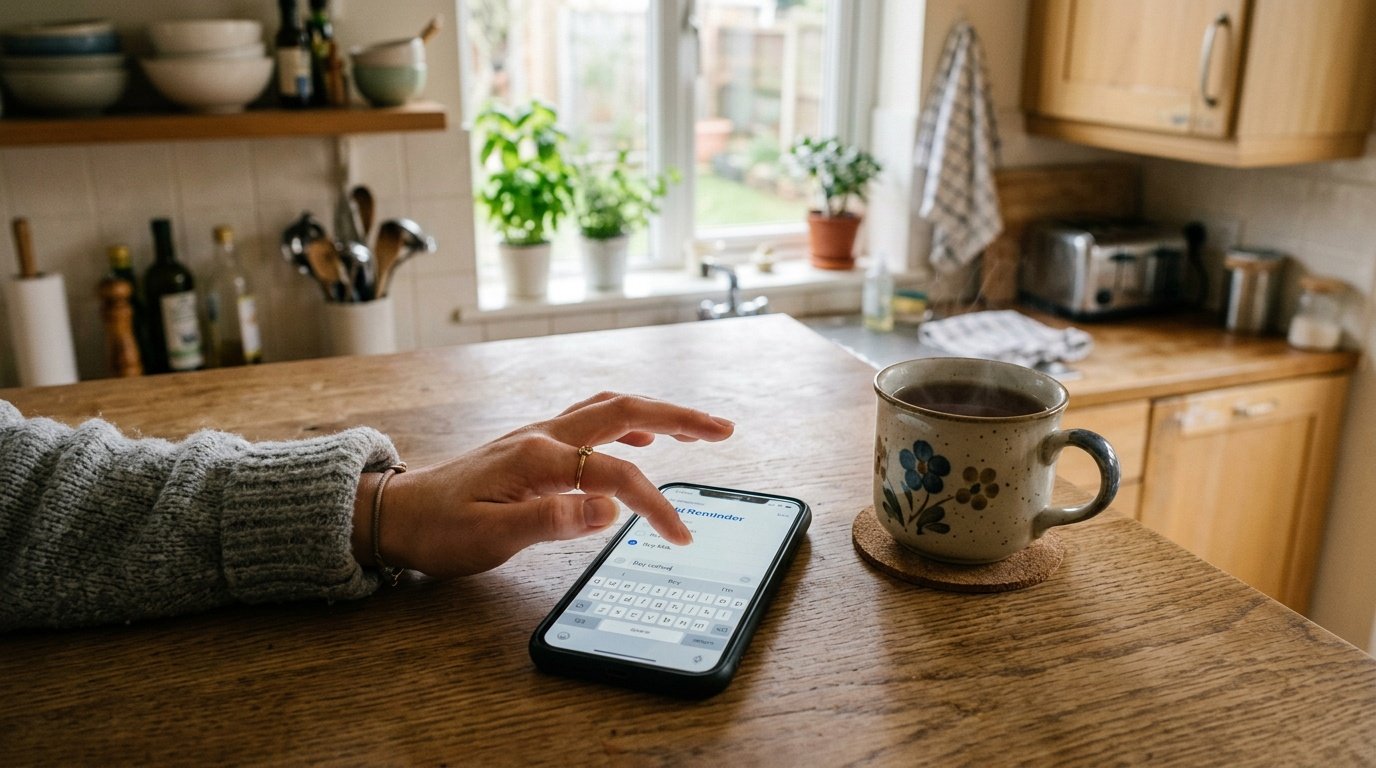
If you already brush your teeth every morning, that's a two-minute anchor point for a breathing exercise right after. If you already make coffee, that's your journaling window while it brews. Habit stacking works because it removes the decision-making step, you're not choosing whether to start, you're just continuing a sequence that's already in motion. This is a small, non-obvious shift, but it's the difference between a practice that needs willpower every single day and one that runs closer to autopilot.
Track what's working before you add anything else
Resist the urge to stack five new mental health practices at once. Pick one, run it for two to three weeks, and actually notice whether your stress, sleep, or mood shifted. A simple 1-to-10 rating scrawled in your phone notes each evening is enough data to tell you whether a practice earns a permanent spot or gets swapped out. Adding practices faster than you can evaluate them just recreates the same overwhelm you were trying to solve.
Build in accountability without turning it into another chore
A weekly check-in with a friend, roommate, or partner, even a two-minute "how did the breathing thing go this week" conversation, does more for consistency than any app streak counter. It works because another person noticing creates a small amount of healthy social pressure, and because saying "I skipped it three days in a row" out loud to someone who isn't judging you tends to defuse the shame spiral that usually kills a new habit for good.
Expect setbacks without treating them as failure
You will skip days. That's not evidence the practice doesn't work, it's evidence you're human. The people who keep mental health practices going long-term aren't the ones who never miss a day, they're the ones who don't let one missed day turn into three months of not trying.

Comparing Common Mental Health Practices by How Much Evidence Backs Them
Holistic doesn't have to mean unproven. Several widely recommended holistic mental health practices, sleep hygiene, movement, and structured breathing among them, have some of the strongest research behind them of any category on this list. Others, especially ones that promise fast emotional transformation from a single session, tend to have thinner evidence. The table below breaks down where common practices currently sit.
Why "holistic" doesn't mean "unproven"
The word holistic gets treated like a red flag by some people and a marketing buzzword by others, and both reactions miss the actual point. A practice is holistic simply because it addresses the whole person, sleep, movement, diet, social connection, rather than isolating one symptom. That framing doesn't say anything about whether the practice is backed by data. Cognitive behavioral therapy is arguably one of the most evidence-dense interventions in mental healthcare and it's also entirely holistic in approach, since it looks at thoughts, behaviors, and environment together rather than treating a single symptom in isolation. The useful question isn't "is this holistic," it's "has anyone actually measured whether this changes outcomes."
| Practice | Evidence Strength | Time to Notice a Difference |
|---|---|---|
| Structured breathing exercises | Strong | Minutes to days |
| Daily mindfulness or meditation | Strong | Days to weeks |
| Consistent sleep routine | Strong | Days to weeks |
| Regular exercise | Strong | Weeks |
| Journaling | Moderate | Weeks |
| Venting without reframing | Weak on its own | Short-term relief only |
Source: National Institute of Mental Health, coping technique guidance
When Self-Directed Mental Health Practices Aren't Enough
Self-guided mental health practices are genuinely useful for everyday stress, but they have a ceiling. Recognizing where that ceiling sits is its own kind of mental health practice, arguably the most important one.
Signs it's time to bring in a professional
If your usual coping tools stop making a dent, if sleep, appetite, or the ability to function at school or work has been disrupted for more than two weeks, or if you notice yourself withdrawing from people you'd normally reach out to, that's your signal to loop in a licensed provider rather than adding a seventh self-help habit to the pile. Cleveland Clinic frames this plainly: coping mechanisms can become less effective over time, and struggling to find relief from the ones you're already using is itself a reason to talk to a healthcare provider or a mental health professional, not a sign you're doing self-care wrong.
What therapy adds that a habit tracker can't
A structured program like cognitive behavioral therapy gives you a trained second perspective on thought patterns you can't always see from inside your own head, plus accountability that a solo streak count doesn't provide. Mayo Clinic notes that when self-care measures aren't relieving your stress, or new stressors make it hard to cope, that's a reasonable point to consider therapy or counseling rather than pushing harder on the same tools.
You also don't have to start with a specialist. A primary care doctor can screen for underlying issues, rule out physical causes like thyroid changes or sleep disorders that mimic mood symptoms, and refer you onward. If you're a student or employed, campus counseling centers and workplace Employee Assistance Programs often offer a handful of free sessions before any cost enters the picture, which makes them a low-friction first step if the idea of finding a therapist on your own feels like too much right now. This short video from Mayo Clinic Health System walks through nine practical ways to manage anxiety day to day.
None of this means you need to overhaul your life this week. Pick the one practice from the comparison table above with the strongest evidence and the lowest barrier to starting today, attach it to something you already do, and give it three weeks before judging whether it earns a permanent spot. That's a smaller ask than most mental health content makes it sound, and it's exactly why it tends to actually work.
Health disclaimer: The mental health practices in this article are general wellness strategies, not a substitute for diagnosis or treatment from a licensed mental health professional. If you're experiencing persistent symptoms of depression, anxiety, or any thoughts of self-harm, reach out to a healthcare provider, or in the US, call or text 988 to reach the Suicide and Crisis Lifeline.
If you're just getting your footing with the basics, our guide on stress management techniques backed by real psychotherapy research is a good next stop, and if social settings specifically drain you, the piece on stress reduction skills built for social anxiety goes deeper on that angle. For the bigger-picture case on why any of this is worth the effort, see why prioritizing your mental health changes everything else.
Frequently Asked Questions
What are mental health practices, exactly?
Mental health practices are repeatable habits or techniques, like structured breathing, mindfulness, journaling, or regular sleep, that support emotional regulation and reduce stress over time. They range from simple daily routines you do alone to formal clinical interventions like therapy that involve a trained professional. What ties them together is repetition. A single good day doesn't count as a practice, it's the consistency over weeks and months that produces a measurable shift in resilience.
What are the most effective mental health practices backed by research?
Structured breathing exercises, daily mindfulness practice, consistent sleep routines, and regular physical activity currently have the strongest evidence behind them. Cognitive reframing techniques, used in approaches like cognitive behavioral therapy, also show consistent results for lowering distress.
What's the difference between healthy and unhealthy coping mechanisms?
Healthy coping mechanisms, like exercise, talking to trusted people, or relaxation techniques, address the stress response without creating new problems. Unhealthy ones, like substance use or avoidance, may bring short-term relief but tend to worsen the underlying stress over time.
How long does it take for mental health practices to start working?
Some practices, like structured breathing, can lower physical stress markers within minutes. Others, like a consistent sleep routine or exercise habit, typically take a few weeks of consistency before you notice a meaningful shift in mood or resilience.
Are holistic mental health practices as effective as clinical ones?
Some holistic practices, particularly sleep hygiene, movement, and mindfulness, have strong clinical research behind them and are often recommended alongside formal treatment, sometimes prescribed by clinicians as part of a treatment plan rather than as an alternative to one. Holistic approaches work best as a complement to, not a replacement for, professional care when symptoms are significant or persistent.
When should I see a therapist instead of relying on self-help practices?
If self-directed practices stop helping, if daily functioning at school, work, or in relationships is disrupted for more than two weeks, or if you notice withdrawal from people you'd normally turn to, it's time to consult a licensed mental health professional.
References
- National Institute of Mental Health — I'm So Stressed Out! Fact Sheet
- Centers for Disease Control and Prevention — Managing Stress
- Harvard Health Publishing — 10 Minutes of Daily Mindfulness May Help Change Your Outlook About Health Improvements, 2024
- Cleveland Clinic — Stressed Out? Use These 14 Healthy Coping Mechanisms, 2024
- Mayo Clinic — Stress Relievers: Tips to Tame Stress, 2023