
Your chest tightens before a meeting that hasn't even started. Your thoughts loop the same worry six times before breakfast. You know the feeling, and you've probably already tried "just breathe" advice that didn't land. Real anxiety mindfulness exercises work differently than that vague advice, because they give your nervous system a specific job to do instead of asking your mind to simply calm down on command. The five exercises below take less time than scrolling through your phone once, and each one is built on a technique used in clinical and integrative medicine settings, not a wellness trend.
An estimated 19.1% of U.S. adults experience an anxiety disorder in any given year, according to the National Institute of Mental Health, with women affected at nearly double the rate of men. That number doesn't count the far larger group of people who deal with situational anxiety, exam nerves, or a racing mind before a hard conversation, none of which requires a diagnosis to be worth managing. The exercises here are for both groups, and none of them need a quiet room, a subscription, or twenty free minutes you don't actually have.
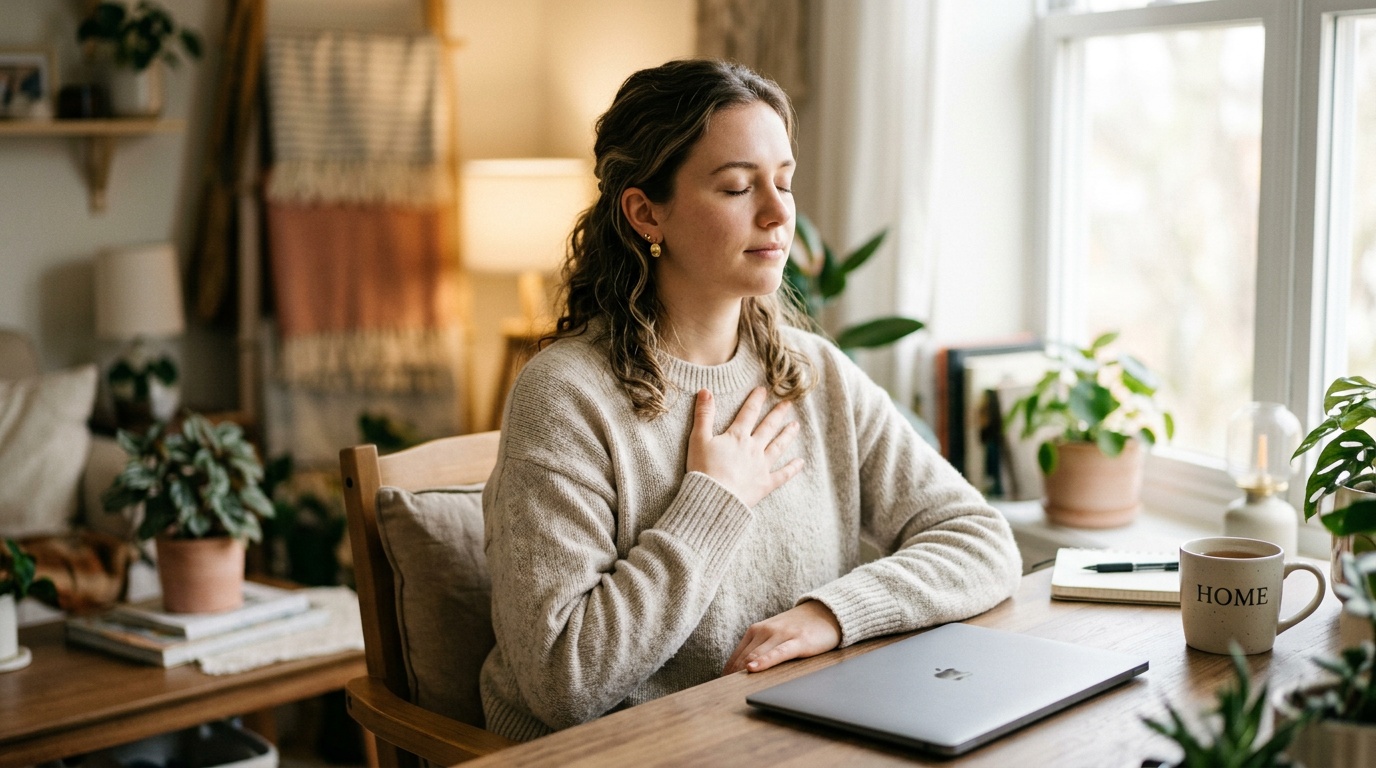
What Makes These Anxiety Mindfulness Exercises Different From Distraction
Distraction pulls your attention away from the anxious feeling. Mindfulness does the opposite: it asks you to notice the feeling directly, name what's happening in your body, and stay with it without trying to fix or outrun it. That distinction matters because distraction wears off the moment the show ends or the game closes, while mindfulness actually changes how your nervous system processes the stress in the moment.
A 2018 analysis funded by the National Center for Complementary and Integrative Health reviewed 142 groups of participants, more than 12,000 people total, with diagnosed anxiety or depression. It found mindfulness-based approaches outperformed no treatment and matched the results of cognitive behavioral therapy and antidepressant medication for these conditions. That's not a small claim, and it's the reason mindfulness shows up in hospital anxiety programs now instead of staying in the wellness aisle.
Here's the part most articles skip: none of these five exercises requires you to "clear your mind." That instruction sets people up to fail, because an anxious brain doesn't go quiet just because you told it to. Every exercise below gives your attention something concrete to land on instead, which is a much easier ask. Think of it less as switching your mind off and more as giving it one narrow job instead of six competing worries at once.
One thing worth knowing before you try any of these: the first few attempts might feel a little awkward, like learning to parallel park while someone watches. That's normal. Mindfulness is a skill built through repetition, not a switch that flips on the first try, and the exercises get faster and more automatic the more you use them.

The 5-4-3-2-1 Grounding Scan (Under 60 Seconds)
This is the fastest tool on this list, and it's often the first one therapists teach because it works even when anxiety has already spiked. Name five things you can see, four things you can physically touch, three things you can hear, two things you can smell, and one thing you can taste. Go slowly enough to actually notice each one instead of rattling off a list in your head.
The mechanism is simple: anxiety pulls your attention into a future that hasn't happened yet. Cataloguing your five senses forces your attention back into the room you're actually sitting in. I know what you're thinking, that this sounds too basic to do anything, but the physical act of tracking sensory detail interrupts the specific thought loop that keeps anxiety spinning. It won't erase the underlying worry. It will usually take the edge off enough that you can think clearly again.
Use it on a train platform, before walking into an interview, or the second you notice your jaw clenching. It needs no privacy, no app, and no seated position.
A small adjustment that makes this exercise stronger: describe each item to yourself in a full sentence instead of a single word. "The blue coffee mug on the shelf" pulls more attention into the present moment than just thinking "mug." The extra detail is what does the work, so don't rush past it to finish the count faster.
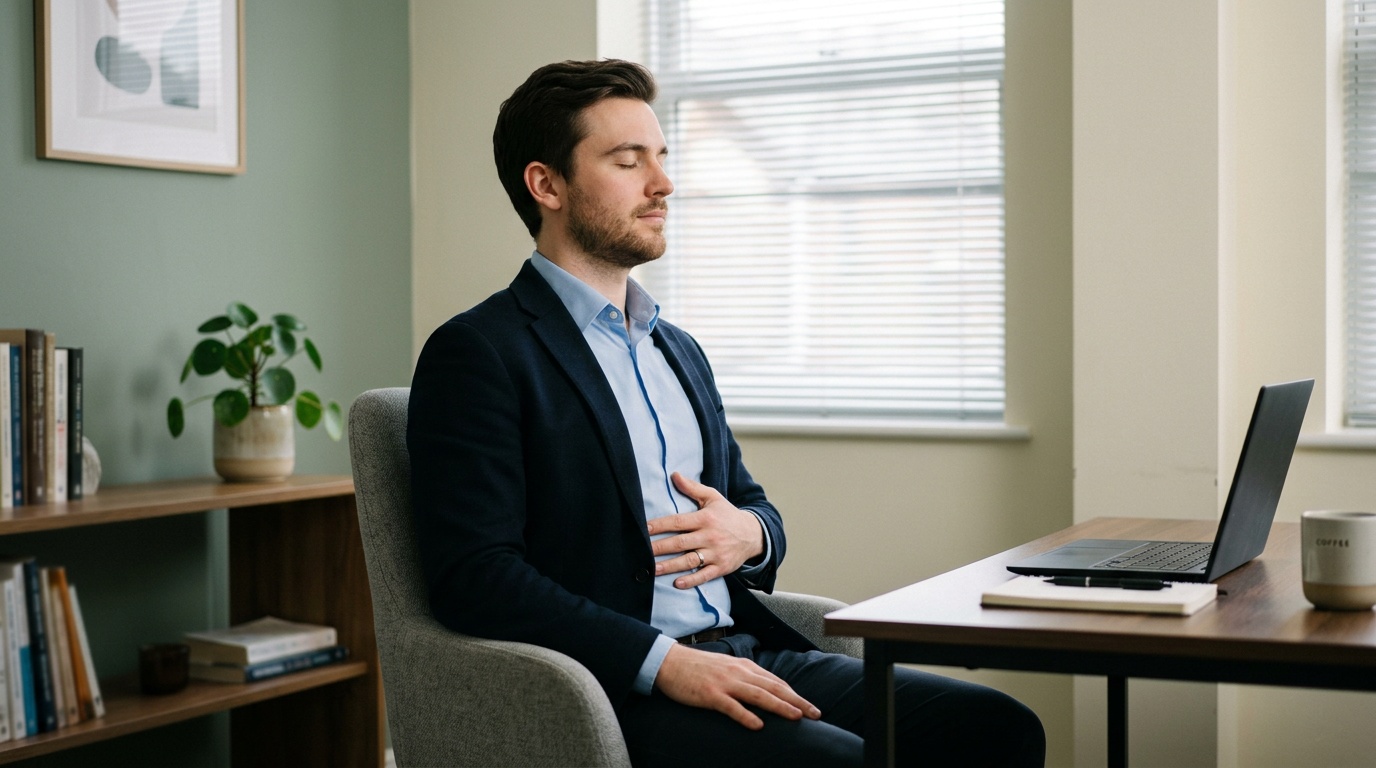
Box Breathing for a Racing Mind (90 Seconds)
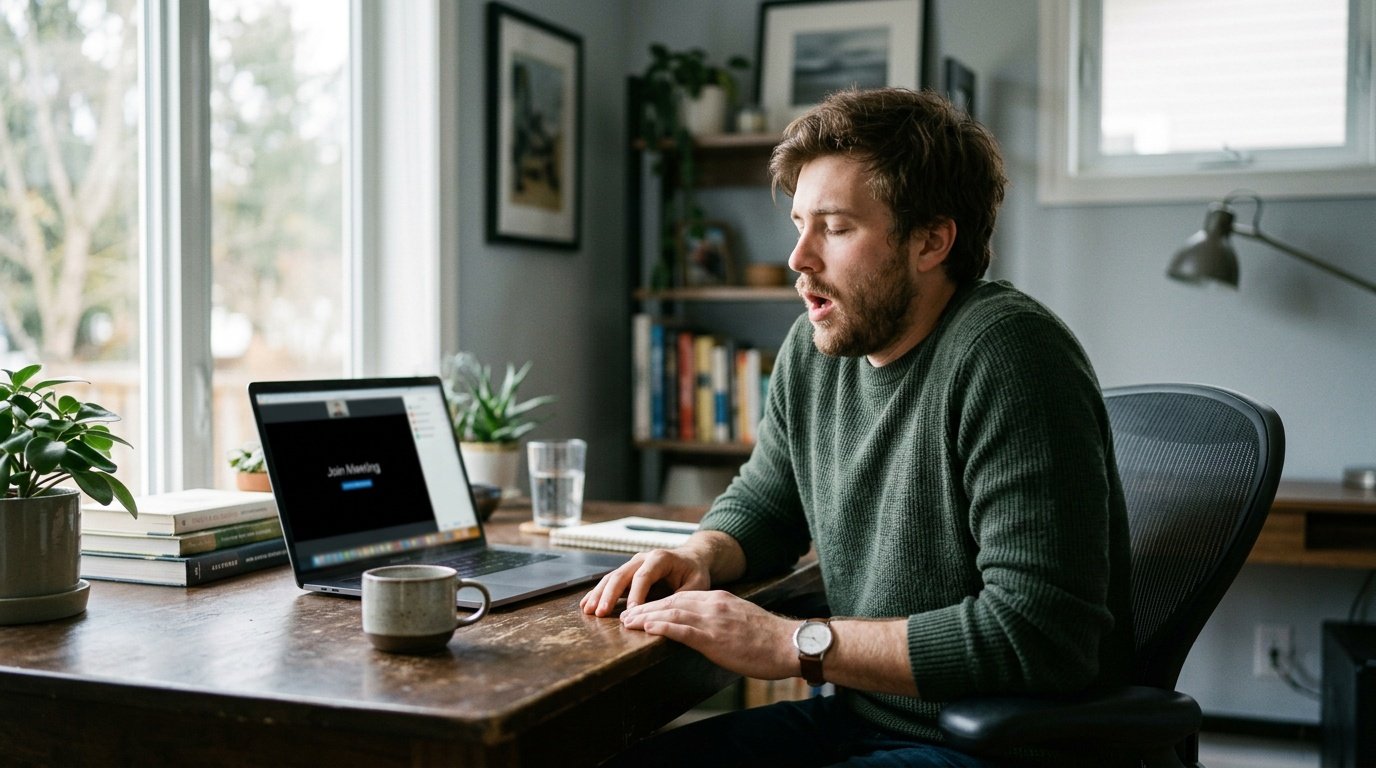
Box breathing (sometimes called four-square breathing) is a pattern used by military and emergency personnel to stay clear-headed under pressure, and it works just as well for a spiking heart rate before a presentation. Inhale through your nose for a count of four, hold for four, exhale for four, hold again for four, and repeat the square for six to eight rounds.
Slow, even breathing activates your vagus nerve, which runs from your brainstem down through your chest and signals your body to shift out of fight-or-flight. According to Harvard Health Publishing, stimulating the vagus nerve through slow belly breathing lowers heart rate and blood pressure and helps convert a stress response into a relaxation response. You take roughly 23,000 breaths a day without thinking about a single one of them; box breathing is just 24 to 32 of those breaths done on purpose.
The equal counts matter more than the exact number. If four feels like a stretch at first, try a count of three on each side and build from there rather than forcing a pace that leaves you gasping.
You'll likely notice your mind wandering back to the source of the anxiety around round three or four. That's expected, not a failure. Simply return your attention to the count, the same way you'd nudge a distracted student back to the page. By round six or seven, most people notice their shoulders have dropped and their exhale has gotten a little longer than their inhale, which is a physical sign the relaxation response has kicked in.
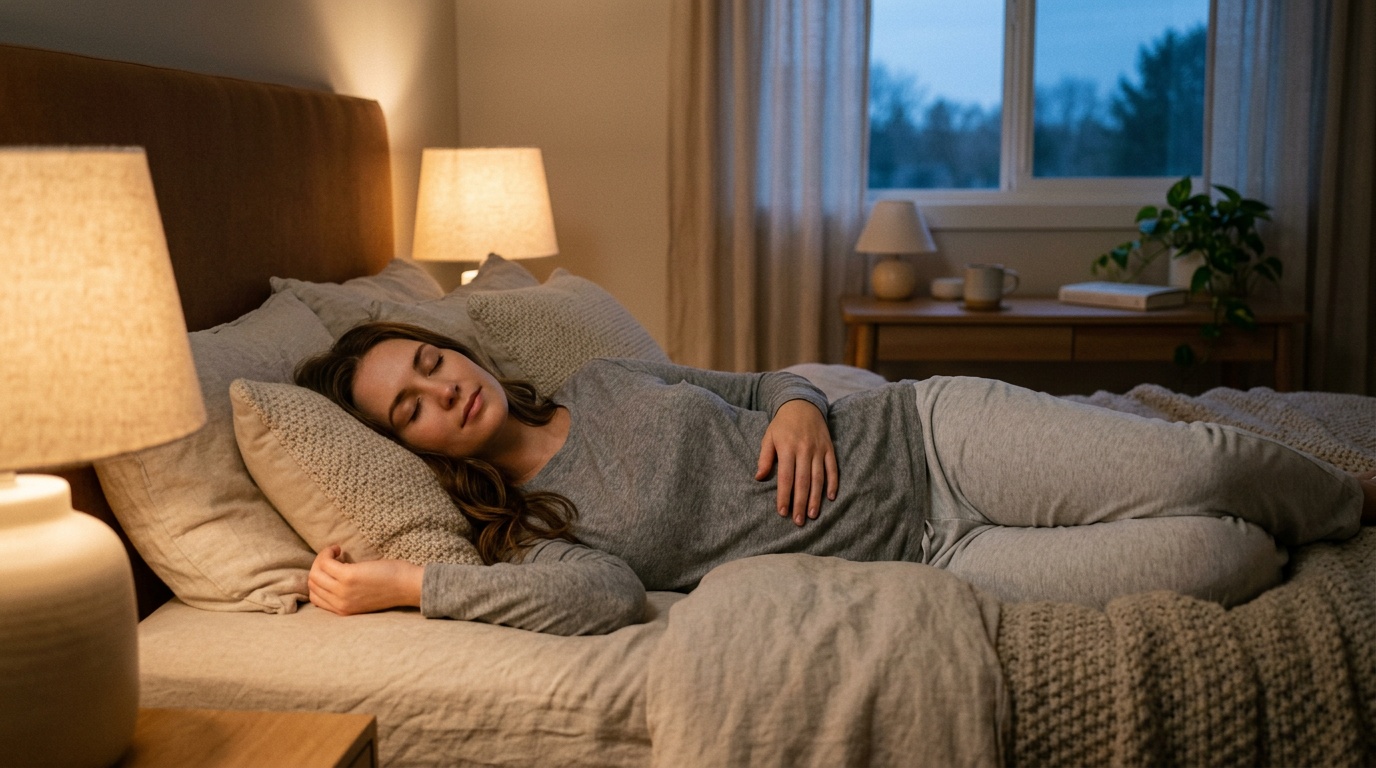
The 3-Minute Body Scan Reset
Anxiety doesn't just live in your thoughts. It shows up as a clenched jaw, shallow breathing, or shoulders pulled up around your ears, often before you consciously notice you're stressed. A body scan finds those spots and releases them one at a time.
Sit or lie down and bring your attention to your feet. Notice any tension without judging it, just observe it, then move your attention slowly up through your calves, thighs, stomach, chest, shoulders, jaw, and forehead. Where you find tightness, breathe into that spot and consciously let it soften. Three minutes covers the whole body at an unhurried pace; you can extend it if you have more time, or run it in 90 seconds if you're short on it.
Mayo Clinic notes that even ten minutes of daily mindfulness practice, including body scanning, is enough for most people to start noticing a difference, and that mindfulness eases anxiety specifically by interrupting the "worry loop" where the same thought cycles on repeat. A body scan is one of the more physical entry points into that practice, which makes it a good fit if sitting still with just your breath feels agitating rather than calming.
Try running this one lying down right before sleep if racing thoughts tend to hit at night. It doubles as a wind-down routine, and the physical release of tension in your shoulders and jaw often makes falling asleep faster, even on nights when the underlying worry hasn't fully resolved.
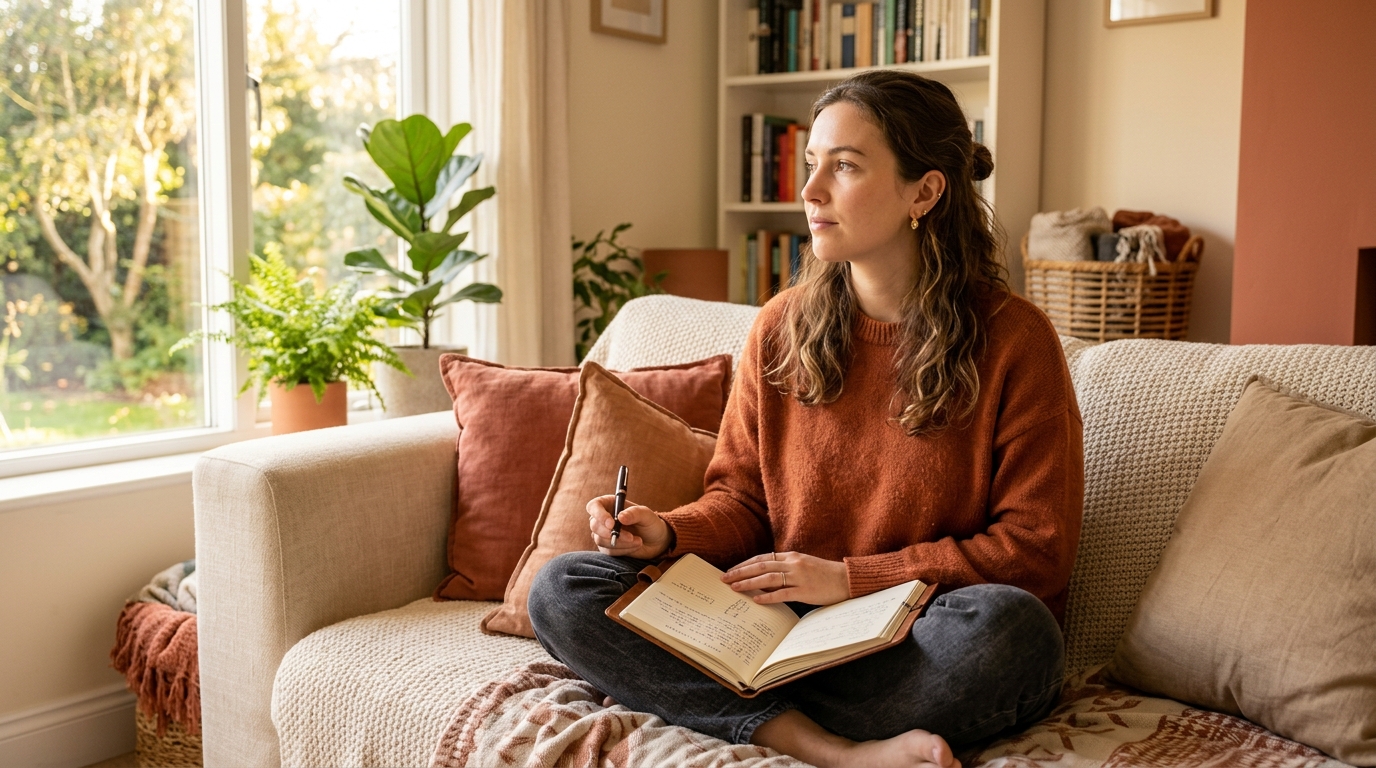
Labeling Your Thoughts Instead of Fighting Them (2 Minutes)
This is the exercise that surprises people most, because it goes against every instinct to push an anxious thought away. Instead, you name it. When a worry surfaces, silently say "worrying" or "planning" or "replaying," then let the thought pass without following it down the rabbit hole. If your mind wanders back to it, you gently label it again and return to the present moment.
Here's the non-obvious part: labeling a thought creates a small but real distance between you and the thought itself. You're no longer inside the worry, you're observing it, which is a fundamentally different mental position. Clinicians sometimes call this "decentering," and it's one of the core mechanisms behind why mindfulness-based approaches show up so consistently in anxiety research. It takes practice to feel natural, and the first several attempts might feel clumsy. That's expected, not a sign it's not working.
Try it for two minutes while doing something mundane, like washing dishes or waiting for a kettle to boil, so you're not adding "find total silence" to the list of things you need before it can work.
Some people find it easier to label out loud in a whisper at first, since hearing the word spoken adds a second sensory cue that reinforces the distance between you and the thought. Once the habit feels automatic, the silent version works just as well and fits into far more situations, including the middle of a work call where whispering isn't an option.

The One-Minute Anchor Breath for Public Moments
Sometimes you don't have the option to close your eyes and step away, like mid-meeting, in a crowded grocery line, or seconds before you're called on in class. This exercise is built for exactly that: it's invisible from the outside.
Pick one physical anchor, your feet flat on the floor, your hands resting on your lap, or the chair supporting your back, and bring your full attention to that single point of contact for one minute. Breathe normally. You're not trying to change anything, just noticing the physical sensation of contact and staying with it. When your mind drifts to the anxious thought, return to the anchor point without frustration, the same way you'd gently guide a wandering dog back to the sidewalk.
This one takes the longest to trust, because it feels almost too small to matter. But an anchor breath doesn't need to eliminate anxiety to be useful. It just needs to keep you present enough to get through the next sixty seconds, and then the sixty after that.
A specific example: a college student who gets called on in a lecture hall and feels their face flush and mind go blank can use the anchor breath while the professor is still finishing the question. By the time it's their turn to answer, sixty seconds of grounded attention has usually been enough to think clearly again, without anyone in the room noticing anything happened at all.
| Group | Past-Year Anxiety Disorder Prevalence |
|---|---|
| All U.S. adults | 19.1% |
| Women | 23.4% |
| Men | 14.3% |
Source: National Institute of Mental Health, 2024
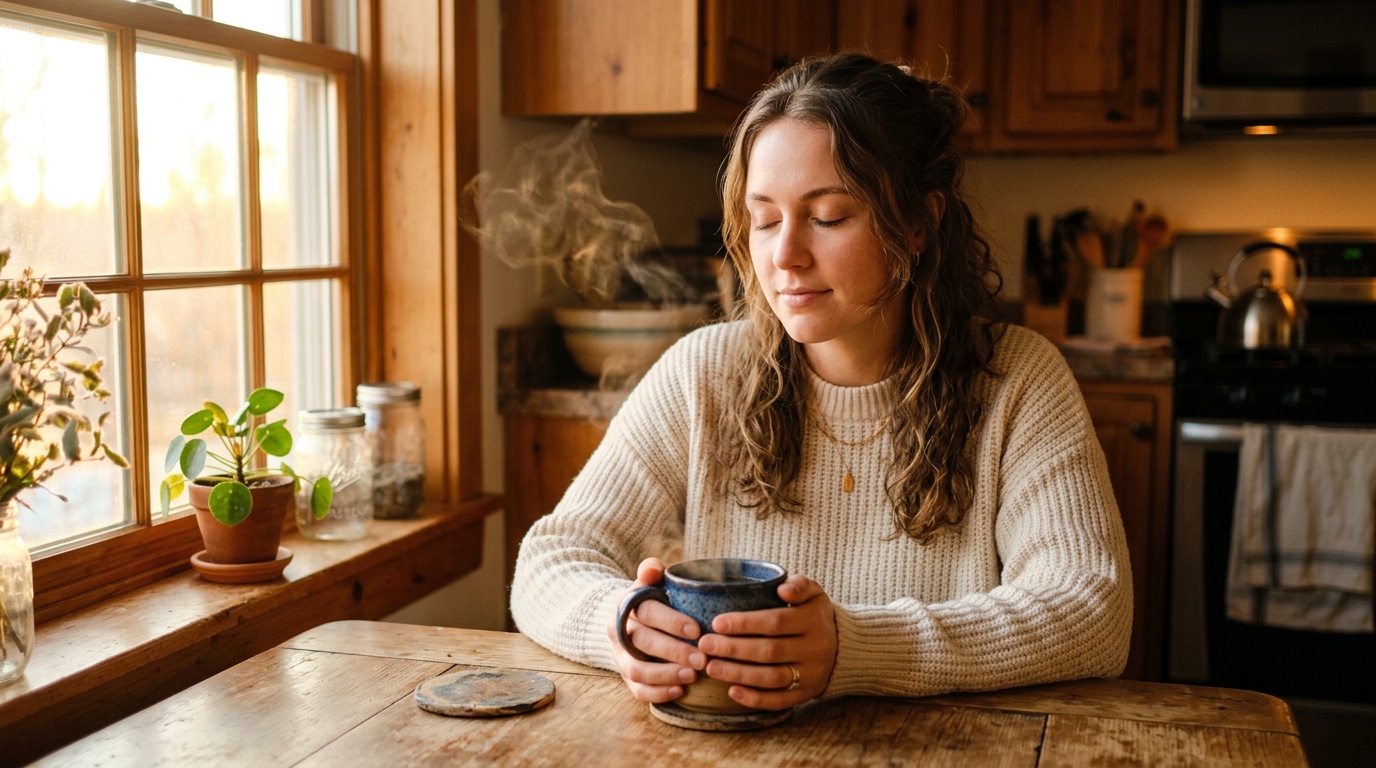
Building Anxiety Mindfulness Exercises Into a Habit That Actually Sticks
The mistake most people make is only reaching for these tools mid-panic, then deciding they "don't work" because a 90-second box breathing session in the middle of a full anxiety spiral feels like too little, too late. These exercises work best as a daily habit built during calm moments, so your nervous system already knows the pattern by the time you actually need it under pressure.
Pick one exercise and attach it to something you already do. Box breathing while your coffee brews. A body scan reset before you get out of bed. The 5-4-3-2-1 scan on your walk to the car. You don't need all five running at once; one practiced consistently outperforms five tried once and abandoned. If you'd like a structured plan for building any new habit, our guide on the signs of burnout on the job you're probably ignoring covers how small daily resets prevent the kind of chronic stress buildup that makes anxiety worse in the first place.
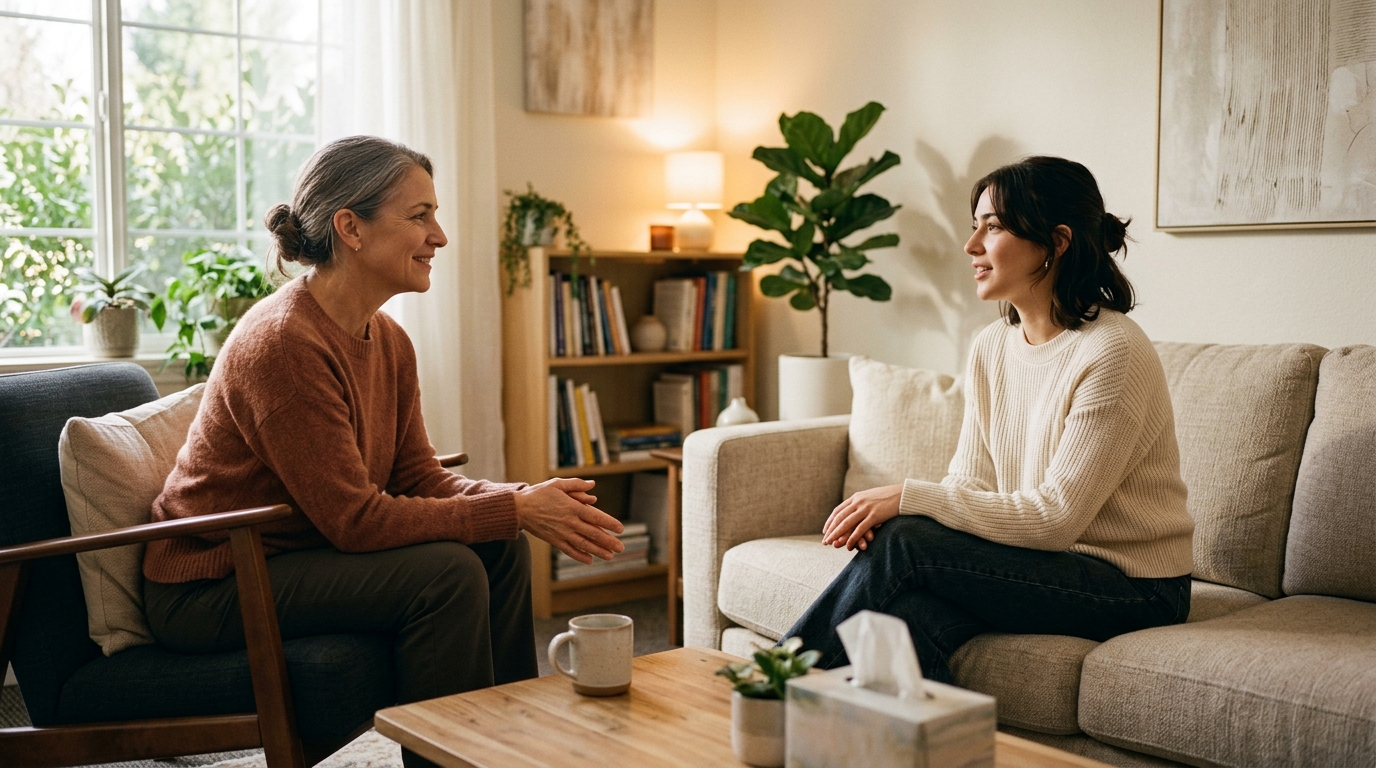
When These Exercises Aren't Enough on Their Own
Mindfulness exercises are genuinely effective for everyday stress, situational anxiety, and as a supporting tool alongside therapy or medication for diagnosed anxiety disorders. What they aren't is a standalone cure for a clinical condition. If you find yourself avoiding normal activities, if panic attacks are becoming more frequent, or if anxiety has lasted most days for several months, that's a signal to loop in a professional rather than expecting five exercises to carry the full weight.
According to the CDC, healthy coping strategies like deep breathing, connecting with others, and stepping away from constant negative information are meant to work alongside professional support for chronic stress, not instead of it. Grounding techniques are a genuinely useful part of a bigger toolkit. They're not the entire toolkit.
For a deeper look at specific therapist-recommended strategies beyond the five here, our related guide on coping skills for anxiety disorders that therapists actually recommend walks through longer-term approaches, and if racing thoughts tend to show up most at night, our piece on grounding techniques for panic attack moments covers what to do when anxiety escalates past what breathing alone can settle.
Here's a short, real-world demonstration of a grounding exercise from Mayo Clinic's Department of Integrative Medicine and Health, useful if you'd rather watch someone walk through the pacing than read it.
None of these five anxiety mindfulness exercises requires special equipment, a subscription, or a set-aside block of time you don't have. Pick the one that matches the moment you're actually in, whether that's a 60-second grounding scan on a train platform or a body scan reset before bed, and give it a real week before deciding whether it works for you. Small, repeatable tools tend to outlast the big dramatic fixes that never get done in the first place.
Health disclaimer: These exercises are grounding tools, not a replacement for diagnosis or treatment. If anxiety is interfering with your sleep, work, or relationships on a regular basis, or if you're experiencing panic attacks, talk to a doctor or licensed mental health professional. Seek immediate help from a crisis line or emergency services if you're having thoughts of harming yourself.
Frequently Asked Questions
What is the fastest anxiety mindfulness exercise I can do right now?
The 5-4-3-2-1 grounding scan is the fastest of the five, usually under 60 seconds. Name five things you see, four you can touch, three you can hear, two you can smell, and one you can taste. It requires no privacy, no app, and no seated position, which makes it the best choice when anxiety hits somewhere public.
Can mindfulness exercises actually stop a panic attack?
They can shorten the intensity and duration of a panic episode by giving your nervous system a concrete physical focus instead of letting the panic spiral unchecked, but they don't prevent panic attacks from starting. If panic attacks are frequent or severe, pair grounding exercises with guidance from a licensed mental health professional rather than relying on the exercises alone.
Is mindfulness the same thing as meditation?
No. Meditation is usually a longer, seated practice with a set structure, while mindfulness is the broader skill of paying full attention to the present moment, which you can apply in a two-minute break at your desk or while doing dishes. Every exercise in this article is mindfulness-based, but none of them require sitting still with your eyes closed for twenty minutes.
How often do I need to practice anxiety mindfulness exercises for them to work?
Daily practice, even in short bursts, builds the skill faster than occasional long sessions. Attaching one exercise to an existing habit, like box breathing while your coffee brews, tends to stick better than trying to remember to do it "when you have time." Most people notice a difference within one to two weeks of consistent daily practice.
Is mindfulness enough to manage a diagnosed anxiety disorder on its own?
For many people, mindfulness works well as one part of a broader plan that may include therapy, medication, or both, rather than as a standalone treatment. If anxiety is affecting your daily functioning, sleep, or relationships on a regular basis, talk to a doctor or licensed mental health professional about a full treatment plan rather than relying on breathing exercises alone.
References
- National Institute of Mental Health — Any Anxiety Disorder, 2024
- National Center for Complementary and Integrative Health (NIH) — Meditation and Mindfulness: Effectiveness and Safety
- Harvard Health Publishing — Ease Anxiety and Stress: Take a (Belly) Breather
- Mayo Clinic — Mindfulness Exercises
- Centers for Disease Control and Prevention — Managing Stress, 2026