

Stand in the cereal aisle for five minutes and you'll hear the same two words thrown around by every health influencer, worried relative, and nutrition label: whole and processed. But whole foods vs processed foods isn't really a debate about which one tastes more "natural." It's a debate about your arteries. Research presented at the American College of Cardiology's 2026 Annual Scientific Session found that people eating roughly nine servings of ultra-processed food a day had a 67% higher risk of heart attack, stroke, or death from coronary heart disease compared with people eating about one serving a day. That's not a marginal difference. That's the kind of number that should change what's in your cart this week.
This isn't a call to swear off every box and bag in your kitchen forever. Some processed foods, canned beans, frozen vegetables, plain yogurt, are doing you a favor, not harming you. The real risk sits with a narrower category most people have never been taught to spot, and once you know what it actually looks like, avoiding it gets a lot less overwhelming than the diet industry makes it seem.
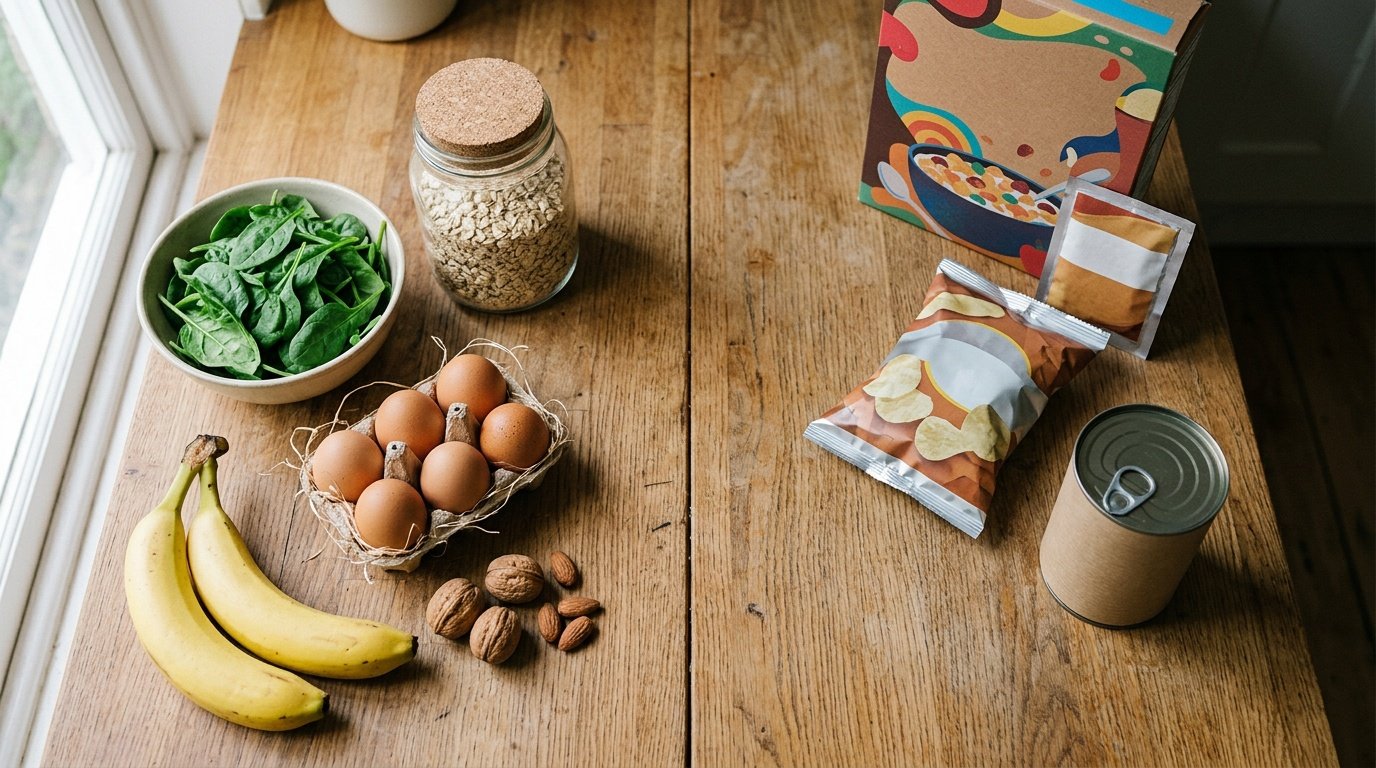
Whole Foods vs Processed Foods: What Actually Separates Them
Most people use "processed" as shorthand for "bad," which is exactly the confusion that keeps people from making useful decisions in the grocery aisle. A processed food, technically, is just a food that's been altered from its raw state in any way. Washing spinach is processing. Freezing peas is processing. Roasting almonds is processing. None of that is the actual problem.
According to Mayo Clinic Health System, the U.S. Department of Agriculture defines processed foods broadly as any raw agricultural commodity altered from its original state through steps like washing, cutting, cooking, canning, freezing, or packaging. Foods only cross into ultra-processed territory once they start picking up preservatives, flavorings, and other additives, plus meaningful amounts of added salt, sugar, or fat used mainly to extend shelf life or make a product harder to stop eating.
The Four-Group Classification Nutrition Researchers Actually Use
Researchers studying diet and disease risk sort food into four rough groups instead of a simple whole-versus-processed binary, and understanding the four makes the whole foods vs processed foods question a lot more practical:
- Unprocessed or minimally processed: fresh fruit, frozen vegetables with nothing added, plain oats, eggs, plain yogurt, dried beans
- Processed culinary ingredients: olive oil, butter, sugar, salt, things used to cook the first group, rarely eaten on their own
- Processed foods: canned beans, simple bread with two or three ingredients, cheese, canned fish, salted nuts
- Ultra-processed foods: soda, packaged snack cakes, most breakfast cereals, chicken nuggets, flavored yogurt loaded with added sugar, instant noodles
The line that matters for heart health sits between groups three and four, not between "homemade" and "store-bought." A can of black beans with two ingredients on the label is doing far less damage than a "healthy" granola bar with fourteen.
Why "Processed" Doesn't Automatically Mean Unhealthy
I know what you're thinking: doesn't every packaged food count as ultra-processed by now? Not exactly, and the distinction matters more than most nutrition content admits. A 2025 science advisory from the American Heart Association makes the point directly: most ultra-processed foods common in U.S. diets are unhealthful, largely because of high combined sodium, added sugar, and unhealthy fat, but not all of them are of poor nutritional quality. Whole grain bread, plant-based milks, and canned vegetables with no salt added can technically meet the ultra-processed definition while still fitting comfortably into a heart-healthy pattern.
That nuance matters because an all-or-nothing approach to "no processed food" is exactly the kind of rule that collapses by week three. The goal isn't a spotless pantry. It's recognizing which specific foods are pulling real weight against your heart, which is a much shorter and more manageable list than "everything in a package."

The Research Linking Ultra-Processed Foods to Heart Attack Risk
The connection between diet quality and heart disease isn't new. What's changed over the past several years is the specificity of the evidence tying the degree of food processing, not just calories or fat content, to cardiovascular outcomes.
What the Numbers From Recent Studies Actually Show
Two large studies published together in The BMJ and summarized by Harvard Health Publishing tracked more than 105,000 adults for just over five years and found that for every 10% increase in the proportion of ultra-processed food in someone's diet, their risk of a heart attack, stroke, or other serious cardiovascular event rose by 12%. A companion study tracking nearly 20,000 people over about a decade found that those eating more than four servings of ultra-processed food daily had a 62% higher risk of dying from any cause compared with those eating two servings or fewer.
What makes these findings hold up under scrutiny is that researchers controlled for the usual suspects, total calories, overall diet quality, diabetes, high blood pressure, high cholesterol, and obesity, and the association with ultra-processed food intake persisted anyway. That's the non-obvious part most headlines skip: this isn't simply "junk food has more calories and salt, so of course it's worse." Something about the degree of industrial processing itself appears to carry independent risk.
The Mechanisms Behind the Risk
A review published through the National Institutes of Health's PubMed database examined the biological pathways connecting ultra-processed food intake to cardiovascular disease and identified several overlapping mechanisms: altered blood lipid levels, disrupted gut microbiota, chronic low-grade inflammation, oxidative stress, insulin resistance, and higher blood pressure. Some of this traces back to what these foods contain in excess, sodium, added sugar, refined starch, but the researchers also point to what they're missing: fiber, potassium, and the structural matrix of a whole food that slows digestion and blunts blood sugar spikes.
Here's a detail that surprises most people: two products with nearly identical calorie counts and macronutrient labels can behave very differently in your body depending on how mechanically and chemically altered they are. Stripping fiber out of a grain, emulsifying fats, and adding gums and stabilizers changes how quickly your gut absorbs sugar and fat, even when the Nutrition Facts panel looks similar. That's part of why swapping a soda for a "healthy" smoothie with the same sugar content isn't the fix people assume it is.
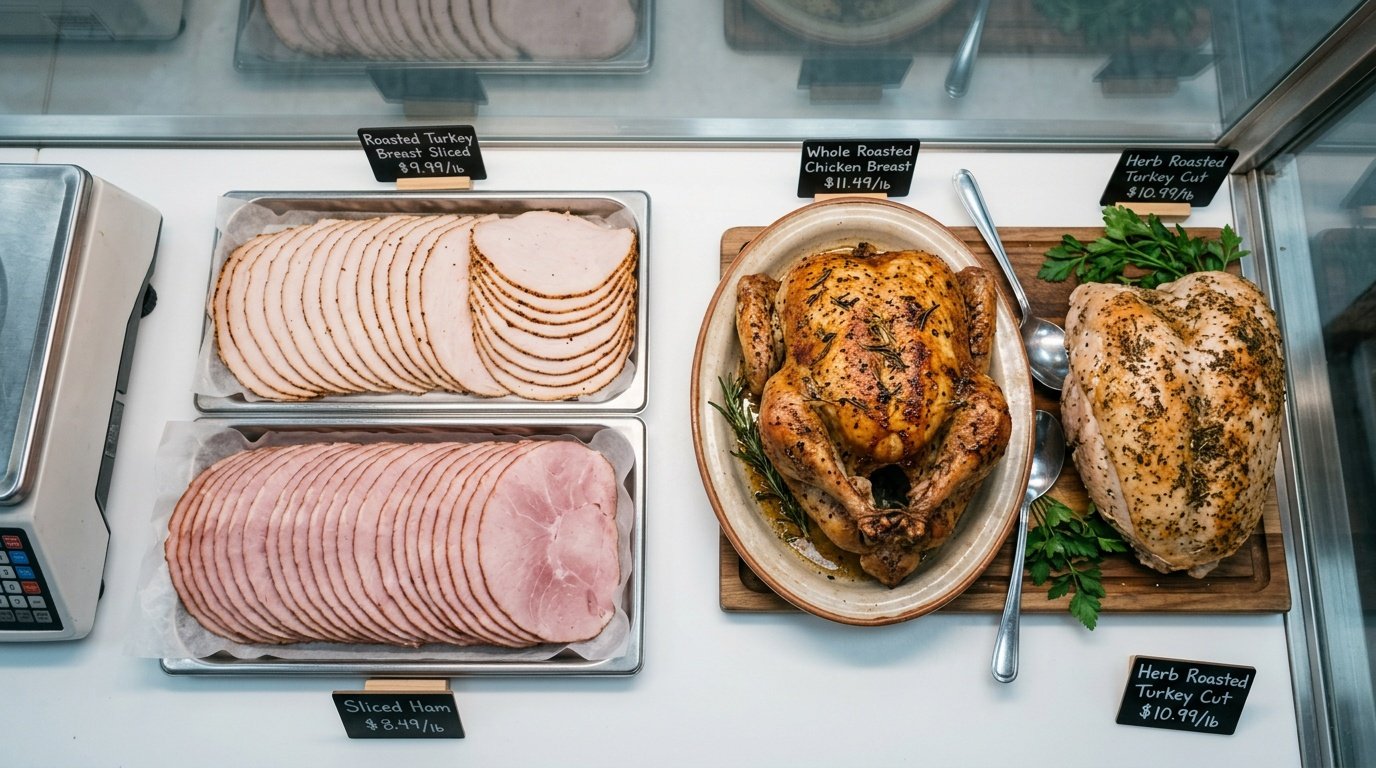
Is Lunch Meat Processed Food? The Everyday Items People Underestimate
If there's one category people consistently misjudge, it's the deli counter. Is lunch meat processed food? Yes, and it's usually further along the processing spectrum than people assume, since it typically involves curing, smoking, salting, or the addition of nitrates and nitrites to extend shelf life and preserve color.
Processed Meat and Cardiovascular Risk Specifically
Processed meat gets called out separately from ultra-processed food generally because the evidence against it is unusually consistent. A single slice of deli turkey or ham can carry 300 to 400 milligrams of sodium, meaning a modest sandwich with two or three slices already eats into a meaningful share of a full day's sodium budget before you've added cheese, condiments, or bread. Regularly high sodium intake is one of the clearest, most direct paths from diet to higher blood pressure, which remains the single biggest modifiable risk factor for heart attack and stroke.
This doesn't mean deli meat has to disappear from your life entirely. Choosing lower-sodium or nitrate-free versions, checking the label instead of assuming, and treating it as an occasional protein rather than a daily default meaningfully changes your weekly sodium load without requiring you to give up sandwiches altogether.
Other "Healthy-Sounding" Foods That Are Actually Ultra-Processed
Lunch meat isn't the only item hiding in plain sight. Flavored instant oatmeal packets often carry more added sugar per serving than a small cookie. Many protein bars marketed for fitness are closer in ingredient complexity to a candy bar than to the whole food they're supposed to replace. Bottled smoothies and cold-pressed juices frequently strip out the fiber that would otherwise slow sugar absorption, leaving behind a concentrated sugar hit with a health-food label. None of these are inherently forbidden, but treating them as automatically virtuous because of clever marketing is where a lot of well-intentioned eating plans quietly go sideways.
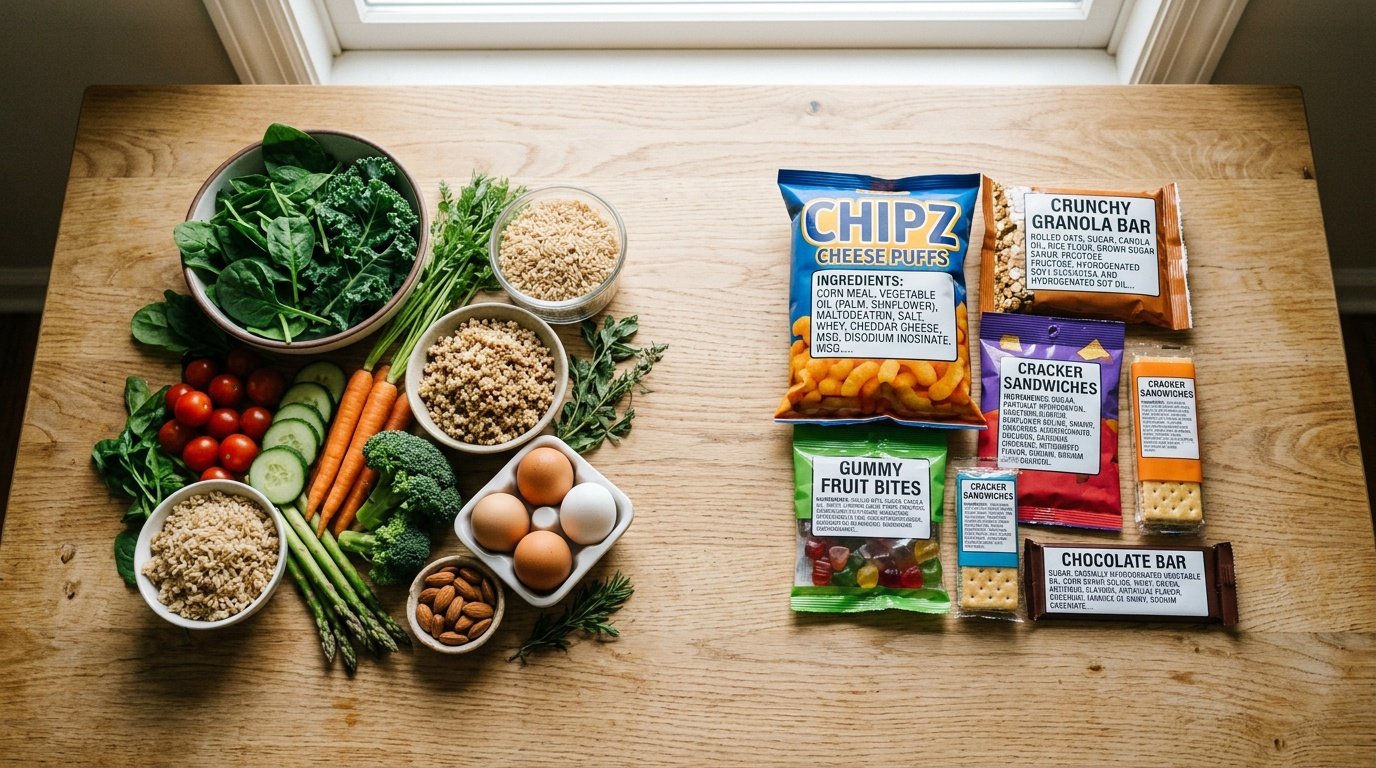
Whole Foods vs Processed Foods: A Nutrient and Additive Comparison You Can Use at the Grocery Store
Numbers help more than adjectives when you're standing in an aisle trying to decide. The federal daily limits below are the ones most consistently exceeded by a diet heavy in ultra-processed food, and they're the same three numbers worth tracking if heart health is the actual goal here.
| Nutrient | Daily Limit | Main Source in Ultra-Processed Diets |
|---|---|---|
| Sodium | Less than 2,300 mg | Deli meat, canned soup, packaged snacks, fast food |
| Added Sugar | Under 10% of daily calories | Soda, flavored yogurt, cereal, sweetened coffee drinks |
| Saturated Fat | Under 10% of daily calories | Fried snack foods, packaged baked goods, processed meat |
Source: Dietary Guidelines for Americans, 2020-2025
The practical use for this table isn't memorizing milligrams while you shop. It's a rough filter: a product that supplies a huge share of any one of these three limits in a single serving is worth a second look, regardless of how the front of the package is marketed. A whole food rarely does this on its own. Fresh chicken breast doesn't come pre-loaded with a quarter of your daily sodium limit. A can of pre-seasoned instant ramen often does.

How to Shift Your Plate Toward Whole Foods Without an All-or-Nothing Overhaul
The people who actually keep this up long-term aren't the ones who purge their pantry in a single weekend. They're the ones who make the ratio better, consistently, without treating one processed meal as a failure.
The 80/20 Approach That Actually Sticks
A workable target for most people is building roughly 80% of meals around minimally processed foods, vegetables, fruit, whole grains, lean protein, legumes, while leaving real room for the remaining 20% to include convenience foods, treats, or the occasional deli sandwich without guilt. This isn't a scientifically precise ratio so much as a psychologically sustainable one: it gives you enough structure to see real change in blood pressure and cholesterol markers over a few months, while avoiding the rigid all-or-nothing framing that tends to end in a binge and a shrug.
Start with the meal you already eat most predictably, breakfast for most people, and rebuild just that one around whole foods first. Swap sweetened cereal for plain oats with fruit, or a flavored yogurt cup for plain yogurt with your own honey and berries. One consistently rebuilt meal a day moves the needle more than an ambitious full-week meal plan you abandon by Wednesday.
Reading Labels Without Falling Into Perfectionism
A shorter ingredient list is a reasonably reliable shortcut, but it isn't the only signal worth using. Look specifically at where a product's sodium and added sugar sit relative to the daily limits above, not just the ingredient count. A cereal with eight ingredients but 12 grams of added sugar per serving is a worse pick than a cereal with twelve ingredients and 2 grams.
Fiber matters too, and it's the piece a lot of processing strips away first. A struggling microbiome from years of low-fiber, high-additive eating can make digestion feel harder across the board, and it's worth understanding how fermented food and gut health connect if you're rebuilding your diet from a place where digestion already feels off. A gut that's out of balance doesn't just affect comfort after meals, it can influence how efficiently your body handles the fats and sugars you're now trying to moderate.
A shift toward more whole foods also means fewer fortified, nutrient-stripped products in your day, which changes how much a supplement routine actually needs to fill in. If you're already taking a multivitamin or iron supplement alongside these food changes, it's worth double-checking that you're getting the timing right, since supplements in the morning or at night aren't interchangeable for every nutrient, and getting that piece wrong can quietly undercut the rest of the effort.

Building a Heart-Healthy Weekly Routine Around Whole Foods
Diet is one lever, but it isn't the only one, and treating the whole foods vs processed foods question in total isolation from the rest of your week sells the effort short. The same body systems affected by ultra-processed food intake, blood pressure, inflammation, insulin sensitivity, respond directly to movement, and stacking the two together compounds the benefit rather than just adding to it.
A realistic weekly structure looks less like a rigid meal plan and more like a short list of repeatable defaults: plan two or three dinners around a whole protein and vegetables before the week starts, keep one or two easy whole-food breakfasts on rotation, and pick a couple of "good enough" convenience options for the nights you genuinely won't cook, canned lentil soup with a side salad beats a drive-through combo without requiring more effort. If you're also trying to build consistency around the benefits of daily exercise alongside these food swaps, the two habits reinforce each other more than most people expect, since better blood sugar control from whole foods tends to make workouts feel less draining, and regular movement improves how your body processes the meals you're already eating.
None of this requires perfection. It requires a default that's slightly better than what you were doing last month, repeated often enough that it stops feeling like a decision and starts feeling like how you eat.
Health disclaimer: This article provides general nutrition information and isn't a substitute for individualized medical advice. If you have high blood pressure, existing heart disease, kidney disease, or are on a sodium-restricted or medically supervised diet, talk to your doctor or a registered dietitian before making significant changes to how much processed food you eat, since your specific targets may differ from the general guidance above.
If you want a fast, doctor-sourced explanation of where the line between processed and ultra-processed actually sits, Mayo Clinic covers it in under two minutes.
Frequently Asked Questions
Is lunch meat processed food?
Yes. Deli and lunch meats are cured, smoked, salted, or treated with preservatives like nitrates and nitrites to extend shelf life, which places them in the processed or ultra-processed category depending on the brand. A single serving can carry 300 to 400 milligrams of sodium, so treating it as an occasional protein rather than a daily default is a reasonable middle ground rather than requiring you to cut it out completely.
Are all processed foods bad for your heart?
No. Canned beans, frozen vegetables with nothing added, plain yogurt, and canned fish are all technically processed and are perfectly reasonable choices for a heart-healthy diet. The category that carries the clearest cardiovascular risk is ultra-processed food specifically, items with added preservatives, emulsifiers, and high combined levels of sodium, added sugar, and unhealthy fat.
How much ultra-processed food is considered risky?
Research doesn't point to a single safe cutoff, but the risk rises with intake. Studies have found meaningfully higher cardiovascular risk starting around four or more daily servings, with risk climbing further at higher intakes. Rather than counting servings precisely, most people get more mileage out of identifying and swapping their two or three biggest ultra-processed staples first.
What's the fastest way to start eating more whole foods without overhauling everything?
Rebuild one meal at a time, starting with whichever one you eat most predictably. For most people that's breakfast: swapping sweetened cereal or a flavored yogurt cup for plain oats or plain yogurt with real fruit is a single change that requires no extra planning and immediately shifts your daily sodium and added sugar totals.
Does cooking at home automatically mean I'm avoiding processed food?
Not entirely. Home cooking gives you control over ingredients, but a recipe built around canned cream soup, bottled sauce, and a seasoning packet can still be heavy in sodium and additives. The same nutrient-limit filter that applies at the grocery store, checking sodium, added sugar, and saturated fat against daily targets, is worth applying to the packaged ingredients you cook with at home, not just the finished packaged product.
Can switching from processed to whole foods actually lower heart attack risk, or just correlate with it?
Researchers have controlled for calories, overall diet quality, and existing conditions like diabetes and high blood pressure, and the association between ultra-processed food intake and cardiovascular events persists independently of those factors. That doesn't prove causation the way a controlled trial would, but the consistency across multiple large studies, combined with known biological mechanisms like inflammation and disrupted gut microbiota, makes a genuinely protective effect from reducing ultra-processed intake a reasonable expectation rather than just a hopeful guess.
References
- American Heart Association — Excessive Ultraprocessed Foods (UPFs) and Poor Nutrition Tied to Poor Health, 2025
- Harvard Health Publishing — Ultra-Processed Foods Linked to Poor Heart Health
- National Institutes of Health, PubMed — Ultra-processed Foods and Cardiovascular Diseases: Potential Mechanisms of Action, 2021
- Mayo Clinic Health System — Processed Foods: What You Should Know, 2024
- Dietary Guidelines for Americans — Dietary Guidelines for Americans, 2020-2025
The whole foods vs processed foods decision doesn't have to happen all at once in your kitchen. It happens one grocery run at a time, one label check at a time, and the version of this that actually protects your heart is the one boring enough to still be true six months from now.