
Your chest tightens. Your heart slams against your ribs. The room feels like it's shrinking, and some part of your brain is convinced you're about to die, even though nothing dangerous is actually happening. If you've been there, you already know that "just calm down" is useless advice. What actually works is more mechanical than that: specific breathing exercises for panic attacks that interrupt the physiological loop driving the fear, not just the thoughts sitting on top of it. This guide walks through which techniques have real evidence behind them, how to use them the second you feel an attack building, and what to do when breathing alone isn't cutting it anymore.

Why Your Breath Is the Fastest Lever You Have During a Panic Attack
Most of your body's panic response runs on autopilot. You can't consciously slow your heart rate or tell your adrenal glands to stop pumping cortisol. But breathing sits in a strange middle ground: it's controlled by the same autonomic nervous system that triggers panic, and it's also one of the only autonomic functions you can override on purpose. That's the whole reason breathing techniques get recommended so consistently by clinicians rather than just wellness influencers. According to the National Center for Complementary and Integrative Health, slow diaphragmatic breathing has been shown in controlled studies to modestly lower blood pressure and reduce circulating cortisol, the main stress hormone driving the panic response.
Here's the part most people miss: it's not that breathing exercises make the fear disappear instantly. It's that they give your nervous system a competing signal. Rapid, shallow chest breathing tells your body "we're in danger, stay alert." Slow, deep belly breathing tells it the opposite. You can't hold both states at once, so consistently practicing the second one crowds out the first, usually within a couple of minutes rather than instantly.

What's Actually Happening in Your Body During a Panic Attack
A panic attack isn't a mental event that happens to also cause physical symptoms. It's a full-body cascade. Your amygdala misfires a danger signal, your adrenal glands release adrenaline, and within seconds your heart rate spikes, your airways open wider, and blood gets redirected away from digestion and toward your major muscles. This is the same fight-or-flight sequence that would fire if you were actually being chased, just triggered by something that isn't a physical threat.
Panic disorder isn't rare or fringe. The National Institute of Mental Health reports that an estimated 2.7% of U.S. adults experience panic disorder in a given year, and roughly 4.7% will experience it at some point in their lifetime. Cleveland Clinic puts the broader number even higher, estimating that about 11% of Americans have at least one panic attack in a given year, whether or not it develops into a diagnosable disorder. If this is happening to you, you're dealing with something extremely common, not something unusually broken about you.
One detail that surprises a lot of people: the rapid, shallow breathing that happens during panic actually makes things worse mechanically, not just psychologically. Fast breathing blows off too much carbon dioxide, which shifts your blood pH and can produce tingling, dizziness, and a sense of unreality, symptoms that then get interpreted as more evidence that something is seriously wrong. That's a feedback loop, and it's exactly the loop that slow, controlled breathing is designed to break.
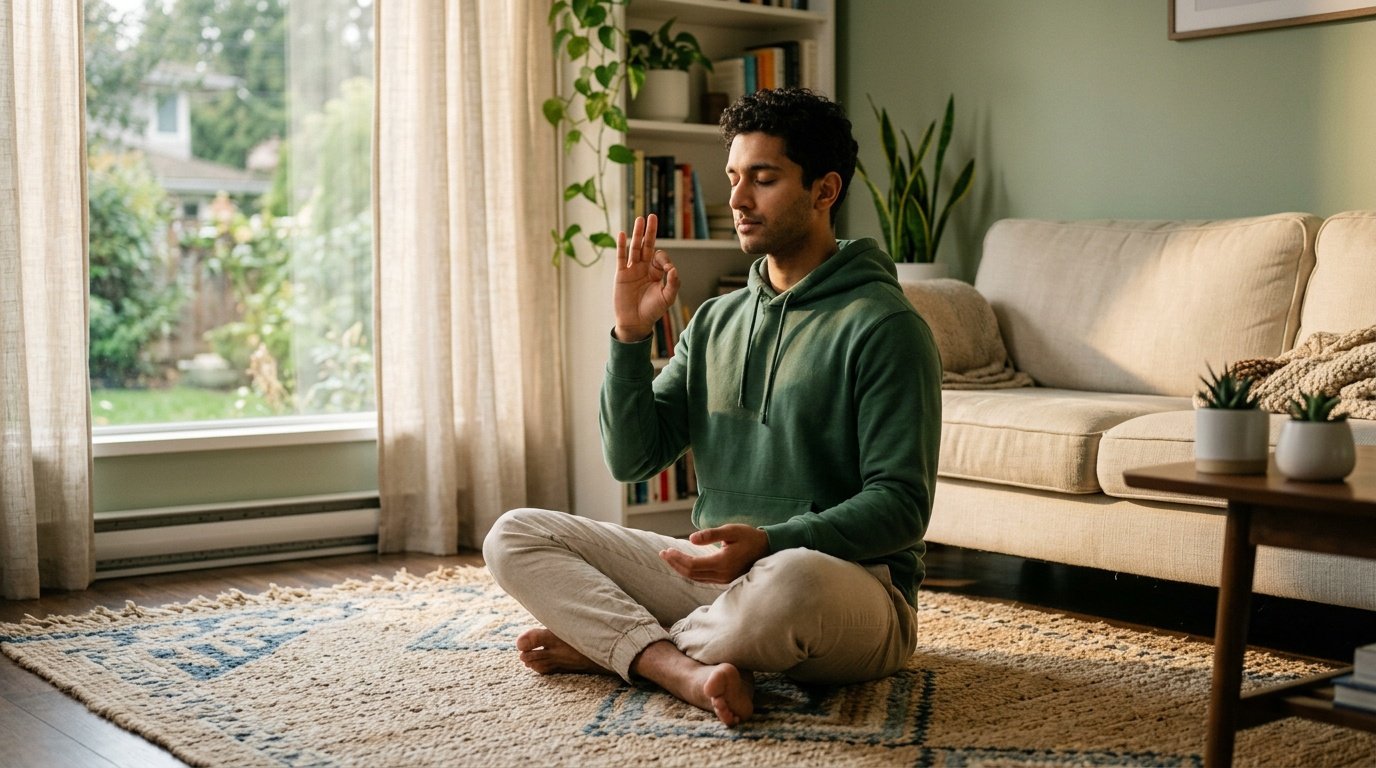
The 4 Breathing Exercises for Panic Attacks Worth Learning
Not every breathing technique you'll find online is backed by the same amount of research, and some require more setup than you'll have access to mid-panic. These four are the ones worth actually learning, in order of how fast they work and how little you need to remember to do them correctly.
Box Breathing (4-4-4-4)
Box breathing gets its name from the four equal phases: inhale for a count of four, hold for four, exhale for four, hold for four, then repeat. It's used by military and first-responder training programs precisely because it's simple enough to execute under real stress, and because the equal-count structure gives your mind something concrete to focus on instead of the panic narrative. Run through four to six cycles. If holding your breath for four counts feels uncomfortable at first, three counts works fine, consistency matters more than hitting an exact number.
4-7-8 Breathing
Developed by Dr. Andrew Weil and now taught widely by integrative medicine specialists, this pattern is inhale through your nose for four counts, hold for seven, exhale slowly through your mouth for eight. The extended exhale is the mechanism doing the work here: longer exhales activate the vagus nerve and shift your body toward the parasympathetic, or "rest and digest," state that's the physiological opposite of panic. Three or four rounds is usually enough to notice a shift; more than that can occasionally cause lightheadedness, so don't force extra cycles if you're already feeling steadier.
Diaphragmatic (Belly) Breathing
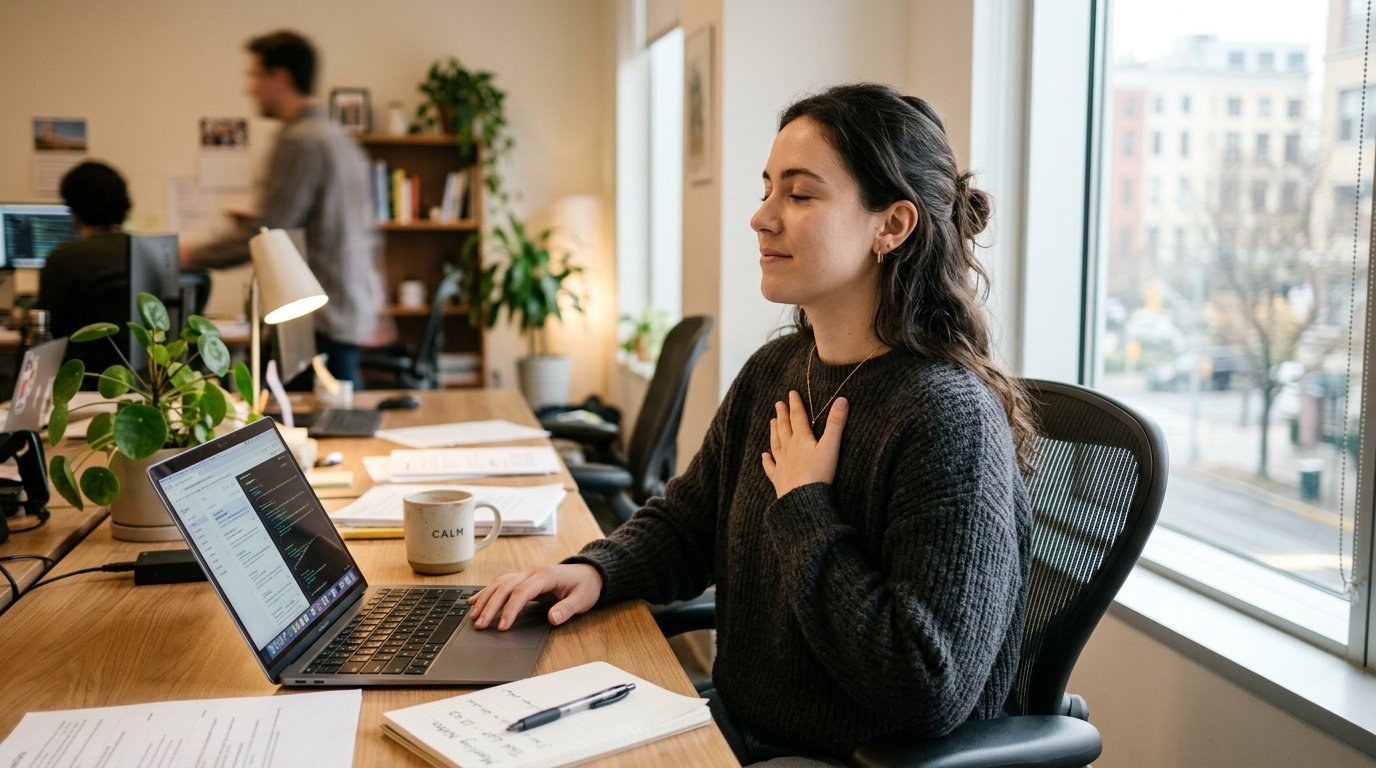
This is the foundational technique nearly every other breathing exercise builds on. Place one hand on your chest and one on your stomach. Breathe in slowly through your nose so that your stomach hand rises while your chest hand stays relatively still. Exhale slowly through pursed lips, feeling your stomach fall. Most people default to shallow chest breathing without noticing, especially under stress, so this exercise is as much about retraining the pattern as it is about calming any single episode.
Pursed-Lip Breathing
Inhale through your nose for two counts, then exhale slowly through pursed lips (like you're gently blowing out a candle) for four counts, doubling your exhale relative to your inhale. This technique is often taught to people managing respiratory conditions because it keeps airways open longer and slows respiratory rate almost automatically. For panic specifically, the extended exhale ratio does similar work to 4-7-8 breathing, just with a slightly gentler learning curve for people who find breath-holding uncomfortable.
Comparison of Breathing Techniques for Panic Attacks
| Technique | Pattern | Best For | Time to Notice Relief |
|---|---|---|---|
| Box Breathing | 4-4-4-4 count | Structured focus during acute panic | 1-3 minutes |
| 4-7-8 Breathing | Inhale 4, hold 7, exhale 8 | Fast physiological shift via extended exhale | 1-2 minutes |
| Diaphragmatic Breathing | Slow belly breaths, hand-guided | Daily practice and long-term retraining | 2-5 minutes |
| Pursed-Lip Breathing | Inhale 2, exhale 4 through pursed lips | People who find breath-holding uncomfortable | 2-4 minutes |
Source: National Center for Complementary and Integrative Health, 2021
How to Stop a Panic Attack Before It Starts
If you've had panic attacks before, you probably already know some of your early warning signs, a tightening chest, a racing thought spiral, a sudden urge to leave the room. Learning how to stop a panic attack before it starts is largely about catching those first ten to fifteen seconds and immediately switching into slow breathing before the full cascade fires. This is easier said than done in the moment, which is exactly why practicing box breathing or 4-7-8 breathing when you're calm matters. You're building muscle memory so your body can execute the pattern without your brain having to think through the steps while it's already flooded with adrenaline.
A useful non-obvious trick: pair your breathing practice with a physical anchor you already touch daily, your steering wheel, your desk, the edge of your phone case. Practicing the technique in that exact physical context a few times a week means that when panic starts building in a similar setting, your hands are already halfway toward the motion that triggers the calming response, before your conscious mind has caught up.
If you already track patterns in your anxiety reduction techniques, you'll notice breathing work best as the first layer of a broader toolkit rather than the only tool. Grounding exercises, identifying triggers, and building a consistent sleep schedule all reduce how often you hit the threshold where a full panic attack fires in the first place.
What to Do the Moment a Panic Attack Hits
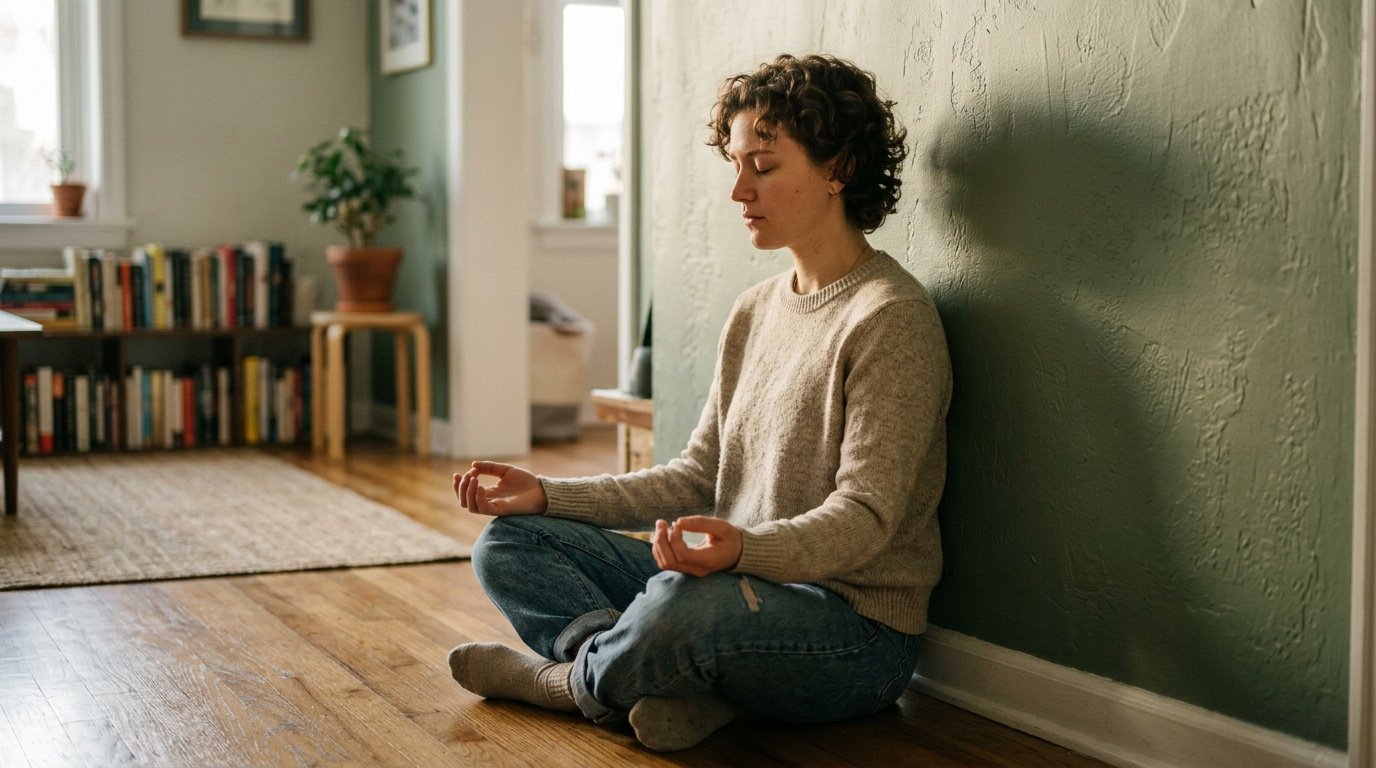
If you're already mid-attack, here's a sequence that works for most people trying to figure out how to calm a panic attack fast:
- Name it out loud, even quietly. "This is a panic attack, not a heart attack. It will pass." Saying it interrupts the catastrophizing loop and reminds your prefrontal cortex it's still online.
- Start box breathing or 4-7-8 breathing immediately. Don't wait for the peak intensity to pass first. Starting early shortens the duration.
- Ground through your senses. Name five things you can see, four you can hear, three you can touch. This pulls attention away from internal sensations and back toward your environment.
- Unclench your jaw and shoulders deliberately. Physical tension and panic reinforce each other; releasing tension physically helps close the loop from the other direction.
- Let the wave finish without fighting it. Most panic attacks peak within ten minutes and then subside on their own, even without intervention. Breathing exercises shorten that window; they don't eliminate the wave entirely, and that's normal.
Health disclaimer: Breathing exercises are a self-management tool, not a substitute for diagnosis or treatment. If chest pain, breathlessness, or a racing heart is new, severe, or paired with symptoms like arm or jaw pain, treat it as a medical emergency and seek immediate care, since panic attack symptoms can closely resemble a cardiac event. If panic attacks are frequent, worsening, or interfering with daily life, work, or relationships, talk to a healthcare provider about a full evaluation.

Common Breathing Mistakes That Make Panic Attacks Worse
A handful of habits reliably backfire, even when the person doing them thinks they're helping. Breathing too fast, in an attempt to "get more air," is the biggest one, since rapid breathing is what causes the CO2 drop that produces dizziness and tingling in the first place. Taking one enormous gasping inhale and holding it too long can also spike anxiety rather than reduce it, because breath-holding itself can feel threatening to someone already in a fear state. And trying to force a technique with a complicated count (like a strict 4-7-8 pattern) the very first time you're mid-panic, with no prior practice, often fails simply because it's too much new information to execute under stress. Practice when you're calm so the pattern is automatic when you're not.
Another overlooked mistake: standing up and pacing rapidly while trying to breathe deeply. Movement isn't inherently bad, in fact, a short walk can help discharge some of the adrenaline, but pacing while also trying to slow your breath sends mixed signals to your nervous system. If you need to move, walk slowly and deliberately, matching your steps to your breath count rather than moving erratically.
Building a Daily Practice So the Technique Is Ready When You Need It
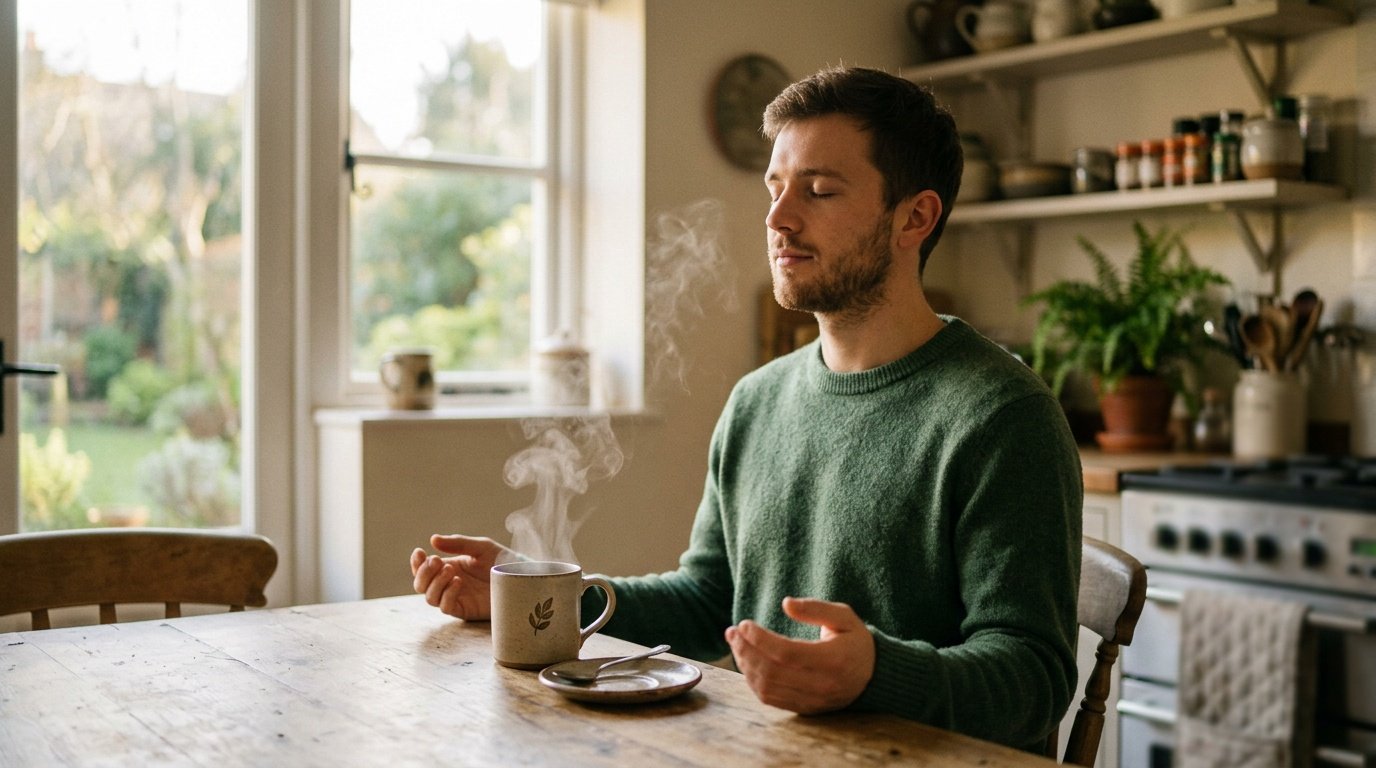
The single biggest predictor of whether a breathing technique actually helps during a real panic attack is whether you've practiced it while calm. This sounds obvious once you say it out loud, but most people only try box breathing or 4-7-8 breathing for the first time in the middle of an episode, when their working memory is already overloaded and their body is flooded with adrenaline. That's roughly the worst possible time to learn a new skill.
A more realistic approach: pick one technique and run it for two minutes, twice a day, for two weeks, ideally attached to something you already do automatically, brushing your teeth, waiting for coffee to brew, sitting down at your desk in the morning. You're not trying to prevent every future panic attack with this practice. You're building a physical habit reliable enough that your body can execute it without conscious effort, the same way you don't have to think about how to walk down stairs. Two weeks of consistent short practice sessions tends to be enough for the motion to start feeling automatic rather than effortful.
It's also worth tracking what you notice, even informally. A quick note in your phone after each practice session, resting heart rate felt lower, jaw was less tense, hands didn't shake as much, gives you real data on which technique is actually working for your body specifically. Not everyone responds identically to the same pattern; some people find breath-holding uncomfortable and do better with pursed-lip breathing's steadier rhythm, while others find the structure of box breathing easier to hold onto when their thoughts are racing.

When Breathing Exercises Aren't Enough — Recognizing Panic Disorder
A single panic attack, even a frightening one, doesn't automatically mean you have panic disorder. But if you're having recurrent, unexpected attacks, and you've started organizing your life around avoiding situations where one might happen, that's a different pattern worth naming. Mayo Clinic notes that panic disorder specifically involves this anticipatory fear and behavioral avoidance layered on top of the physical episodes themselves, not just the attacks in isolation.
This is the point where breathing exercises stop being sufficient on their own, not because they don't work, but because they're treating the acute symptom rather than the underlying pattern generating repeated episodes. Cognitive behavioral therapy, and specifically a subtype focused on panic (often involving deliberately triggering mild versions of panic sensations in a controlled setting to reduce their power), has strong evidence behind it for panic disorder specifically. A primary care provider can also rule out medical conditions, like thyroid issues or cardiac arrhythmias, that sometimes produce panic-like symptoms and need a different kind of treatment entirely.
If you're weighing whether what you're managing has crossed into that territory, our breakdown of mental health practices backed by real evidence covers where self-directed tools like breathing hit their ceiling and professional support becomes the more useful next step. If you're also noticing physical symptoms you're not sure how to interpret, the article on how anxiety shows up physically in the body is a useful next read.
Watch this short explainer from Mayo Clinic Health System on distinguishing anxiety from a panic attack and what to do about it.
Whatever combination of techniques you land on, the goal isn't eliminating panic attacks the first week you try box breathing. It's building a reliable, practiced response so that when one hits, you have something concrete to do with your hands and your breath instead of standing inside the fear with no lever to pull. Learning and rehearsing breathing exercises for panic attacks while you're calm is what makes them usable the moment you actually need them, so start practicing one technique today.
Frequently Asked Questions About Breathing Exercises for Panic Attacks
What is the fastest breathing exercise for a panic attack?
Box breathing (inhale, hold, exhale, hold, each for four counts) and 4-7-8 breathing both tend to produce a noticeable shift within one to three minutes for most people. Box breathing is often easier to execute mid-panic because the equal counts are simpler to remember under stress than an uneven pattern.
How long does a panic attack usually last?
Most panic attacks peak within about ten minutes and then begin to subside, even without intervention. Breathing exercises don't necessarily shorten the total episode length dramatically, but they reduce the intensity and give you something active to do rather than passively enduring the wave.
Can breathing exercises stop a panic attack completely?
They can significantly reduce the severity and help you regain a sense of control, but they don't always prevent the attack from happening at all, especially once it's already underway. Their biggest value is often in catching the early warning signs and intervening before the full cascade fires.
Is it normal to feel exhausted after a panic attack?
Yes. The adrenaline surge and physical exertion of a panic attack, even though you haven't moved much, is genuinely taxing on your body. Feeling drained, foggy, or needing to rest afterward is a common and expected part of the recovery, not a sign anything else is wrong.
When should I see a doctor about panic attacks?
If attacks are recurring, if you're avoiding places or situations out of fear of having one, or if the physical symptoms are severe enough that you're unsure whether it's a medical emergency, it's time to talk to a healthcare provider. A first panic attack, especially with chest pain, is also worth a medical evaluation to rule out cardiac causes before assuming it's anxiety.
Does box breathing work for panic attacks?
Yes, it's one of the more consistently recommended techniques for acute anxiety and panic specifically because the structured, equal-count pattern gives your mind a concrete task to focus on, which helps interrupt the spiral of catastrophic thoughts driving the physical symptoms.
References
- National Institute of Mental Health — Panic Disorder
- Cleveland Clinic — Panic Attacks & Panic Disorder: Causes, Symptoms & Treatment
- Mayo Clinic — Panic Attacks and Panic Disorder: Symptoms and Causes
- Harvard Health Publishing — Relaxation Techniques: Breath Control Helps Quell Errant Stress Response
- National Center for Complementary and Integrative Health — Relaxation Techniques: What You Need To Know, 2021