


You said yes to the group dinner, sat through a four-hour study session, and answered every message before 9 p.m. Then your social battery hit zero, and even a friendly text felt like a chore. That flat, wired-but-wiped feeling has a name online, and it carries more information about your mental health than a meme suggests.
The phrase is a popular metaphor, not a diagnosis. Still, the pattern behind it is real, and it can point to ordinary personality wiring, a rough week, burnout, or an anxiety pattern that deserves attention. This guide helps you read the signal, tell the look-alikes apart, and recharge without vanishing on the people you care about.
Think of it as a field guide. You will see what your energy is made of, how a low battery differs from burnout or social anxiety, and a handful of small habits that refill it without costing you your friendships.

Your social battery is an energy pattern, not a character flaw
Start with what the pattern is not. It is not rudeness, and it is not proof that something is wrong with you. Cleveland Clinic's 2025 explainer on introverts describes introversion and extroversion as a matter of energy management. Introverts tend to refill in quiet, low-stimulation settings, while extroverts tend to draw energy from social situations. The same page notes that after a big party or a long day of meetings, an introvert can feel mentally and emotionally depleted without feeling physically tired.
That last detail explains why a drained battery feels so odd. Your legs work. Your appetite is fine. Yet your patience for small talk is gone, and one more quick catch-up sounds like a heavy lift.
The drain comes from the stack, not the single event
Picture a second-year student with a lab group at noon, a club meeting at four, and a birthday dinner at seven. Nothing went wrong. Every interaction was pleasant. By the third one, though, listening takes effort, jokes land flat, and typing "haha" is all that is left. The drain came from the stack of events, not from any single one of them.
Here is the part most social battery memes skip: the type of interaction matters as much as the amount. Two hours of easy talk with a close friend and two hours of making a good impression at a networking mixer are not the same withdrawal. Performing, being evaluated, and managing unfamiliar people tend to cost more than low-pressure company. That is why you might feel fine after a long walk with a friend and flattened after a forty-minute video call with strangers.
Cleveland Clinic also separates introversion from shyness, low confidence, and loneliness. Needing quiet does not mean you dislike people. It means your recovery runs on a different fuel.

Introverts and extroverts drain at different speeds, but nobody runs on an unlimited battery
If you identify as an extrovert, you still own a battery. Your charging source is different, not absent. Extroverts draw energy from contact, yet they still run low after poor sleep, a stressful week, or a room full of tension. A lively friend who goes quiet during finals week has not turned into an introvert. Something other than people is draining the battery.
Where most people actually sit
Plenty of people land in the middle and shift with the setting. You might feel energized at a small dinner and exhausted at a wedding with 150 guests. You might be the loudest voice in a gaming chat and the quietest person in a lecture hall. Those swings are normal data, not inconsistency.
Three variables usually decide how fast the battery drains: how well you know the people, how much you have to perform, and how predictable the event is. A familiar dinner with a known end time costs less than an open-ended mixer full of strangers. Rank your last five outings on those three variables and you will likely see why one felt easy and another felt brutal.
Needing alone time is not the same as being antisocial
You can love your friends and still need two or three quiet evenings a week. Treat that need like a charging schedule. A phone never apologizes for plugging in, and neither should you.
The practical move is to learn your own numbers: how many hours of company you handle comfortably, which settings charge you, and which ones drain you. Those numbers shift with sleep, stress, and season, so treat them as a rough map instead of a fixed trait.
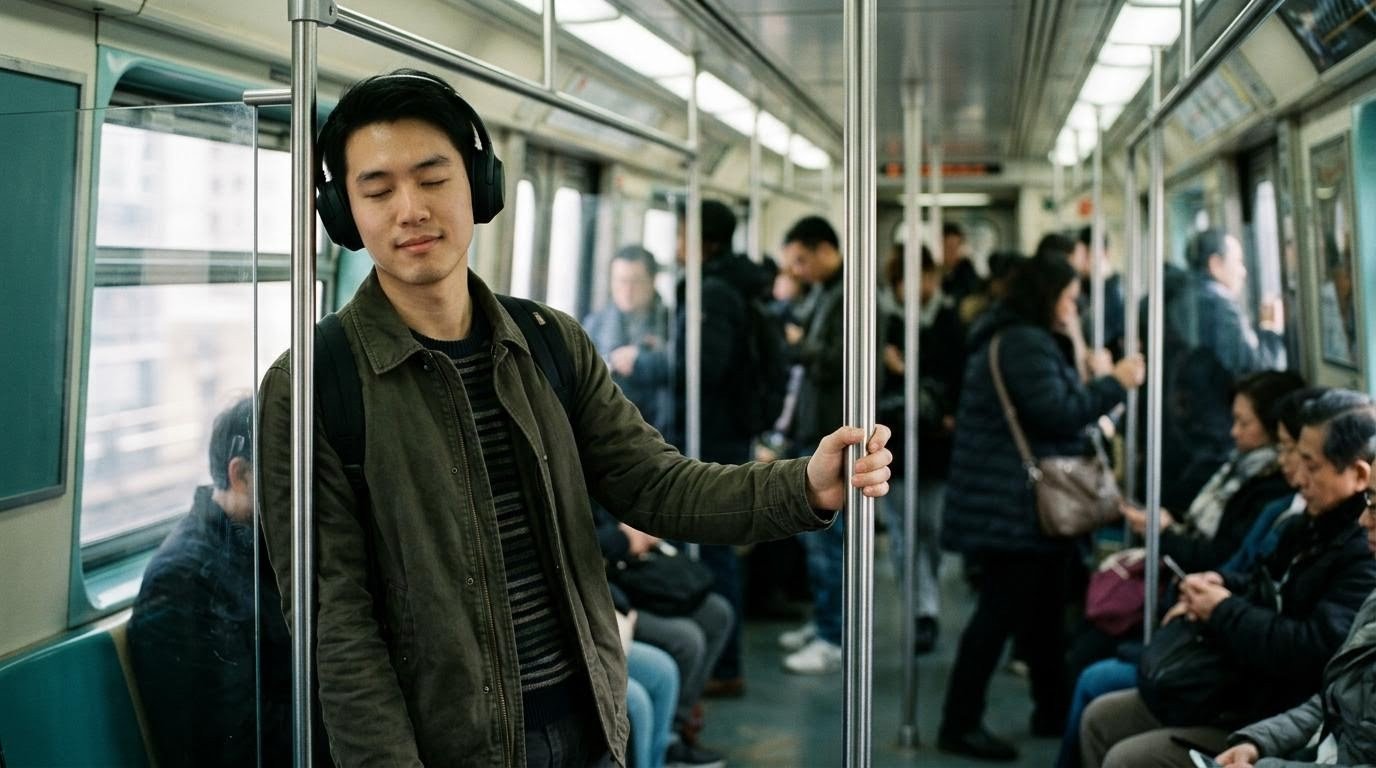
Low social battery signs show up in your body before your mood
By the time you snap at a friend, the battery has usually been low for a while. The earlier signals are quieter, and learning to spot them gives you time to act. People commonly describe these six:
- Small sounds and small asks start to irritate you, like a chewing noise or a group chat that will not stop buzzing.
- You reread the same message three times or zone out halfway through a conversation.
- Your body feels heavy, your shoulders creep up, or a dull headache shows up after crowded settings.
- You crave silence, headphones, or a dark room.
- You dread plans you were looking forward to a week ago.
- Scrolling feels like noise instead of entertainment.
Notice which sign arrives first for you. For many people it is irritability or zoning out. That first sign is your cue to take a break, not to push through for another hour.
A two-number check-in that shows your pattern in a week
Rate your battery from 1 to 5 at lunch and again in the evening, then add one line about what you did. After seven days, patterns usually stand out. Maybe Tuesday collapses because of back-to-back classes. Maybe Saturday brunch charges you while Sunday family calls drain you. The notes app on your phone is enough.
The goal is not to optimize every hour. The goal is to stop being surprised.

When a drained battery points to burnout or social anxiety instead
Ordinary social fatigue refills. If yours does not, or if it comes with fear, something else may be going on. Three patterns look alike from the outside and feel very different on the inside.
| Pattern | What it feels like | Clear marker |
|---|---|---|
| Introversion or ordinary social fatigue | Mentally and emotionally depleted after big events or long days of meetings, even without physical tiredness | Energy returns with quiet time, and the people themselves are not the problem |
| Burnout | Worn out physically or emotionally, and feeling removed from work and the people around you | Low energy plus detachment, often with changed sleep, that does not lift with a short rest |
| Social anxiety disorder | Strong fear of being judged or scrutinized in social situations, with avoidance of places where people are | Fear lasts at least six months and interferes with daily life |
Source: Cleveland Clinic, 2025. Mayo Clinic, 2023. National Institute of Mental Health, 2025.
Burnout: the battery that stays empty after rest
Mayo Clinic's 2023 guide to job burnout describes feeling worn out physically or emotionally. Its self-check questions ask whether you feel removed from your work and the people you work with, and whether you lack the energy to do your job well. It also lists changed sleep and unexplained headaches or stomach problems among the signs. The social version looks like this: you used to enjoy the group, and now even your favorite people feel like extra work.
Mayo Clinic also notes that a sense of belonging helps protect against burnout, a reminder that cutting off every connection is rarely the fix. Our guide on recovering from job burnout and the signs you are already in it covers the early warnings in more detail. Mayo Clinic has a short video on burnout worth watching alongside this section.
Social anxiety: the battery that drains from fear, not effort
The National Institute of Mental Health's 2025 page on social anxiety disorder describes strong fear or anxiety about social situations where you might be judged or scrutinized. The feelings must last at least six months and interfere with daily life. Listed symptoms include blushing, sweating, trembling, a rapid heart rate, expecting the worst from a social situation, and avoiding places where other people are.
Try this sorting question, which is not a diagnostic test: do you want to avoid people, or do you want to avoid being judged by them? The first points toward ordinary social fatigue. The second points toward anxiety. A person can be both introverted and socially anxious, and Cleveland Clinic describes a subtype it calls anxious introverts. If the fear side sounds familiar, our piece on stress reduction skills for social anxiety offers techniques for before, during, and after social situations.
One more distinction matters. Pulling back works as a short-term repair, and it backfires when it hardens into avoiding every situation with people. If your calendar keeps shrinking while your dread keeps growing, that trend deserves a conversation with a professional.

Sleep and movement set the baseline your social battery charges from
Alone time gets all the credit for recharging, but the night before often matters more. The CDC's 2024 sleep guidance says adults aged 18 to 60 need seven or more hours of sleep per night, and it lists managing stress among the benefits of enough sleep. Run on six hours from Monday through Thursday, and Friday's party starts with a battery that never fully charged.
Here is the non-obvious part. Many people try to fix a flat evening with extra solitude when the real lever is bedtime. If your battery crashes every Thursday, check Wednesday night before you cancel Thursday.
Movement counts too. The CDC's adult activity guidance from 2023 recommends 150 minutes of moderate-intensity activity per week, plus muscle-strengthening on at least two days, and states that physical activity supports physical and mental health. That works out to 30 minutes on five days, and a brisk walk with headphones counts. Walking alone is also a low-demand way to be out in the world without performing for anyone.
Neither habit is a cure-all, and neither replaces care if you feel persistently depleted. They raise the floor your battery drops from.

How to recharge your social battery without disappearing on people
Match the rest to the drain
Not every recharge looks like a closed door. Three kinds work for different people. Solitude means reading, a long shower, cooking something simple, or playing a game alone. Low-demand company means sharing a room with a friend while you each do your own thing, playing a quiet co-op game, or taking a walk where talking is optional. Sensory quiet means dim light, no notifications, and no background audio.
Scrolling is the usual trap. For many people a feed is a stream of other people's lives and opinions, so it does not rest the part that is tired.
Build exits and buffers into your plans
- Set an end time before you arrive and tell one person about it.
- Drive or ride on your own so you control the exit.
- Leave an hour of empty space after a heavy social block.
- Cap yourself at one anchor event a day instead of three.
The exit plan works because it removes a hidden cost. Deciding when to leave in the middle of a conversation takes mental effort, so make that call ahead of time and let the plan carry the weight.
Say the true thing kindly
A short, warm message protects friendships better than a silent no-show. Try: "I'm running low tonight and want to be good company, so can we do Saturday morning instead?" Notice that it offers a replacement. Friends tend to hear a plan as care and a vague retreat as rejection.
Use a five-minute reset between events
A parked car, a restroom stall, or a stairwell is enough. Box breathing and the 5-4-3-2-1 grounding exercise both fit inside five minutes, and our list of five anxiety mindfulness exercises that take less than five minutes includes both.

A weekly plan that keeps your social battery out of the red
Knowledge helps, but a schedule helps more. Use this as a starting template and adjust the numbers to match your own check-in notes.
- Monday: set your weekly social ceiling. Pick the number of commitments you can handle, often three to five, and protect the rest as buffer.
- Midweek: keep one anchor event that charges you, such as a small dinner or a workout with a friend.
- Daily: two battery check-ins, lunch and evening, rated 1 to 5.
- Nightly: protect seven or more hours of sleep, the CDC's minimum for adults 18 to 60.
- Sunday: review the week's notes, then cancel or move the one plan that always drains you.
A student version might cap the week at four commitments: two classes with group work, one club meeting, and one social night. An early-career worker might swap one lunch meeting for a solo walk and keep Thursday evening empty. The exact mix matters less than having a ceiling at all.
Give the plan three weeks before you judge it. The first week mostly teaches you what your numbers are.
Your social battery is useful data. When it drains after a stacked day and refills after quiet and sleep, it is describing your wiring. When it stays empty despite rest, or when fear and avoidance are doing the draining, it is asking for support from a professional you trust. Either way, noticing the signal early gives you more choices than ignoring it.
Health disclaimer: This article is general education, not medical advice or a diagnosis. Lasting exhaustion, low mood, panic, or avoiding daily activities deserves an evaluation by a licensed healthcare or mental health professional. Check with a clinician before making major changes to sleep, medication, or exercise, especially if you have a health condition. If you are in crisis or thinking about harming yourself, contact your local emergency services right away.
Social Battery FAQ
What is a social battery?
A social battery is a popular way to describe how much energy you have for interacting with other people. It is a metaphor, not a medical term. When the battery is full, conversations feel easy. When it is low, even pleasant company takes effort, and you may crave quiet or solitude.
Is a social battery a real thing?
The word is informal, but the experience is described in plain clinical-education terms. Cleveland Clinic frames introversion and extroversion as energy management and notes that introverts can feel mentally and emotionally depleted after big social events. No test reads out a battery percentage, so use the idea as a self-awareness tool, not a diagnosis.
Why does my social battery run out so fast?
Common contributors are short sleep, back-to-back interactions, performance-heavy settings such as interviews or networking, and ongoing stress. Check sleep first, since the CDC lists seven or more hours for adults 18 to 60. If the battery drains fast and stays empty even after rest, ask a clinician about burnout, anxiety, or other causes.
How do I recharge my social battery?
Match the rest to the drain: solitude, low-demand company, or sensory quiet. Add a buffer hour after social events, protect your sleep, and take a short walk. Skip the feed, which for many people adds more social input instead of rest.
Do extroverts have a social battery?
Yes. Extroverts draw energy from social contact, according to Cleveland Clinic, but they still run low with poor sleep, stress, or conflict. Their battery drains from different things and refills from different things than an introvert's does.
When is a low social battery a sign of something more serious?
Seek professional input when the fatigue does not lift with rest, when it comes with strong fear of being judged, or when you start avoiding daily activities. The National Institute of Mental Health describes social anxiety disorder as fear lasting at least six months that interferes with daily life, and Mayo Clinic lists lasting exhaustion and feeling removed from people among the signs of burnout. A licensed professional can sort out which pattern fits.
References
- Cleveland Clinic — What Is an Introvert? Common Traits and Misconceptions, 2025
- National Institute of Mental Health — Social Anxiety Disorder: More Than Just Shyness, 2025
- Centers for Disease Control and Prevention — About Sleep, 2024
- Mayo Clinic — Job burnout: How to spot it and take action, 2023
- Centers for Disease Control and Prevention — Physical Activity Guidelines for Adults, 2023
- Mayo Clinic (YouTube) — Mayo Clinic Minute: Burned Out Nation