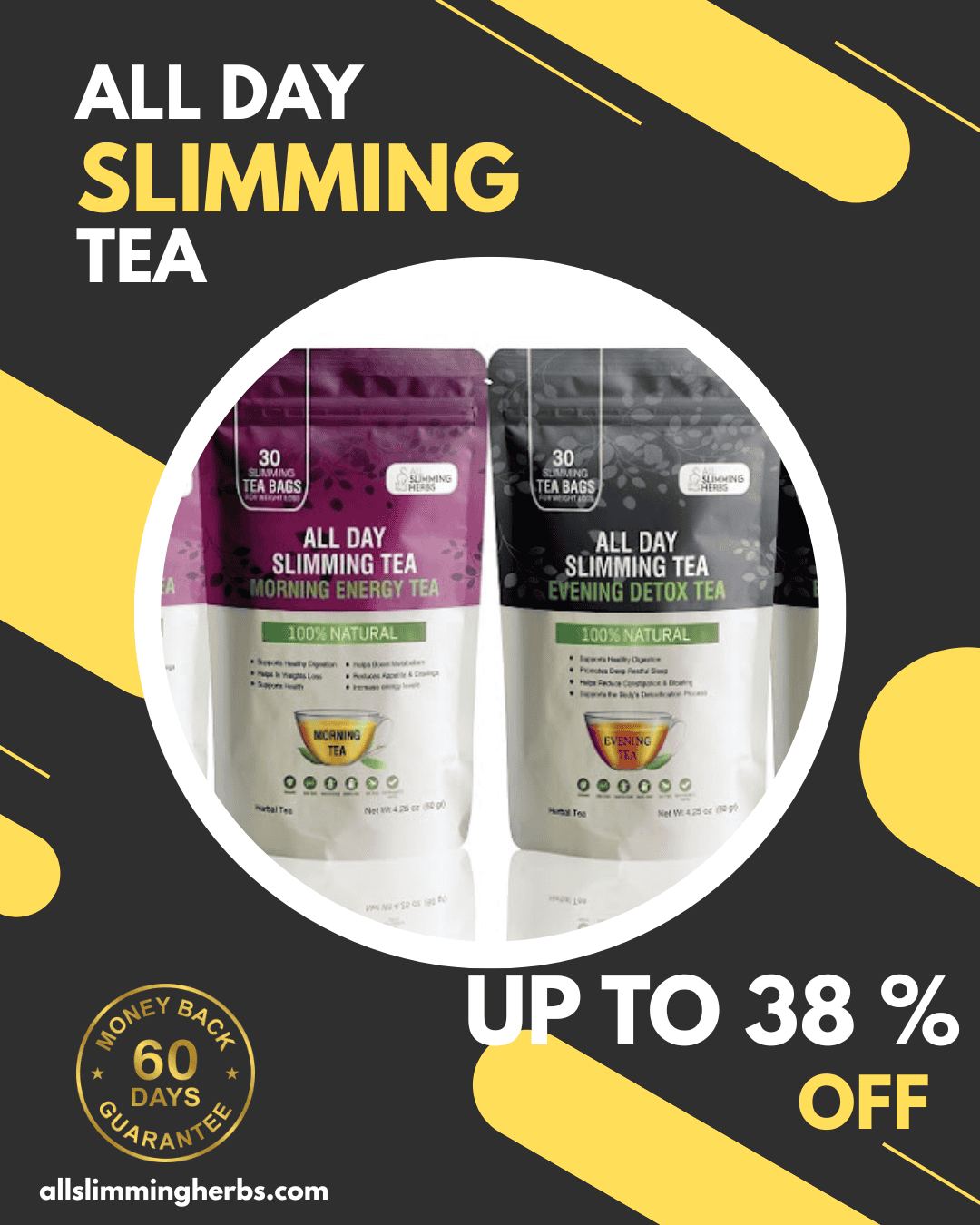

The shelf of slimming herbs at a health shop makes one promise in a hundred different fonts: a gentle, ancient shortcut to a smaller waistline. Traditional chinese herbs for weight loss carry the biggest halo of all, because centuries of use feel like proof. They are not proof, and the gap between the two is where people lose money, and sometimes their health.
If you are somewhere between 18 and 28, you have probably scrolled past a slimming tea ad that looked like a friend's recommendation, or heard a cousin swear by a herbal blend that melted weight off in a month. Those stories persuade precisely because they are personal. A controlled trial is the opposite: slow, unglamorous, and much harder to argue with.
This guide sorts what NIH, NCCIH, FDA, and CDC actually say from what the packaging implies. You will see which herbs have a small effect, which have none, which carry real safety flags, and what a realistic plan looks like instead of a miracle tea.

What the Research Says About Traditional Chinese Herbs for Weight Loss
Start with the bluntest source available. The National Center for Complementary and Integrative Health (NCCIH), part of NIH, looked at the herbal and dietary supplements most often sold for quick weight loss and found that most of them do not keep weight off over the long term, and some are dangerous. Chinese herbs, green tea extracts, and bitter orange extract all appear among the studied products, each with side effects and no clear weight-loss benefit. The agency's summary line leaves little room for interpretation: "None have been shown to be effective for weight loss."
That does not mean every herb is useless or every practitioner is a fraud. It means the claim at the center of the marketing, that traditional chinese herbs for weight loss reliably shrink your body, has not been demonstrated in the research these agencies review. Lack of proof is different from proof of harm, and the difference matters for how you weigh the risks later in this guide.
Why centuries of use is not the same as evidence
Traditional use records what people tried and kept using. It does not record what a placebo-controlled trial measured, and weight on a scale is exactly the kind of outcome where expectation changes behavior. Someone who starts a herbal tea ritual often starts other things at the same time: fewer sugary drinks, more regular meals, a walk after dinner. The herb gets the credit for the habit change.
Picture a 23-year-old who buys a "Chinese slimming blend" after a friend's recommendation, drinks it twice a day, and loses three pounds in three weeks. During those same weeks she skips her evening snack because the tea feels like a nightcap, and she starts walking to the bus stop. The scale moved. The question a trial answers is whether it would have moved without the tea. A personal story cannot answer that, however sincere it is.
Why multi-herb blends make results hard to trust
Most products sold as slimming herbs are blends. The NIH Office of Dietary Supplements points out that most weight-loss products combine several ingredients, so a finding about one herb may not carry over to the finished product in your cupboard. A positive result for a single extract says little about a tea bag holding seven plants at doses the label never states.
Blends also muddy safety. When something goes wrong, nobody can say which ingredient caused it, and that uncertainty shows up repeatedly in the case reports covered later in this guide. For you as a buyer, the takeaway is practical: the more plants on the ingredient list, the less any single study applies to what you are actually swallowing.
The cautionary tale: ephedra, also called ma huang
The best-known stimulant herb in weight-loss formulas was ephedra, called ma huang in Chinese medicine. NCCIH notes that FDA banned it because of cardiovascular risks and deaths. That history is the strongest argument against the idea that anything labeled herbal is gentle by default: one of the most widely used ingredients in the category turned out to be dangerous enough to remove from sale.
A Fair Ranking of Slimming Herbs: Small Effect, No Effect, or Real Risk
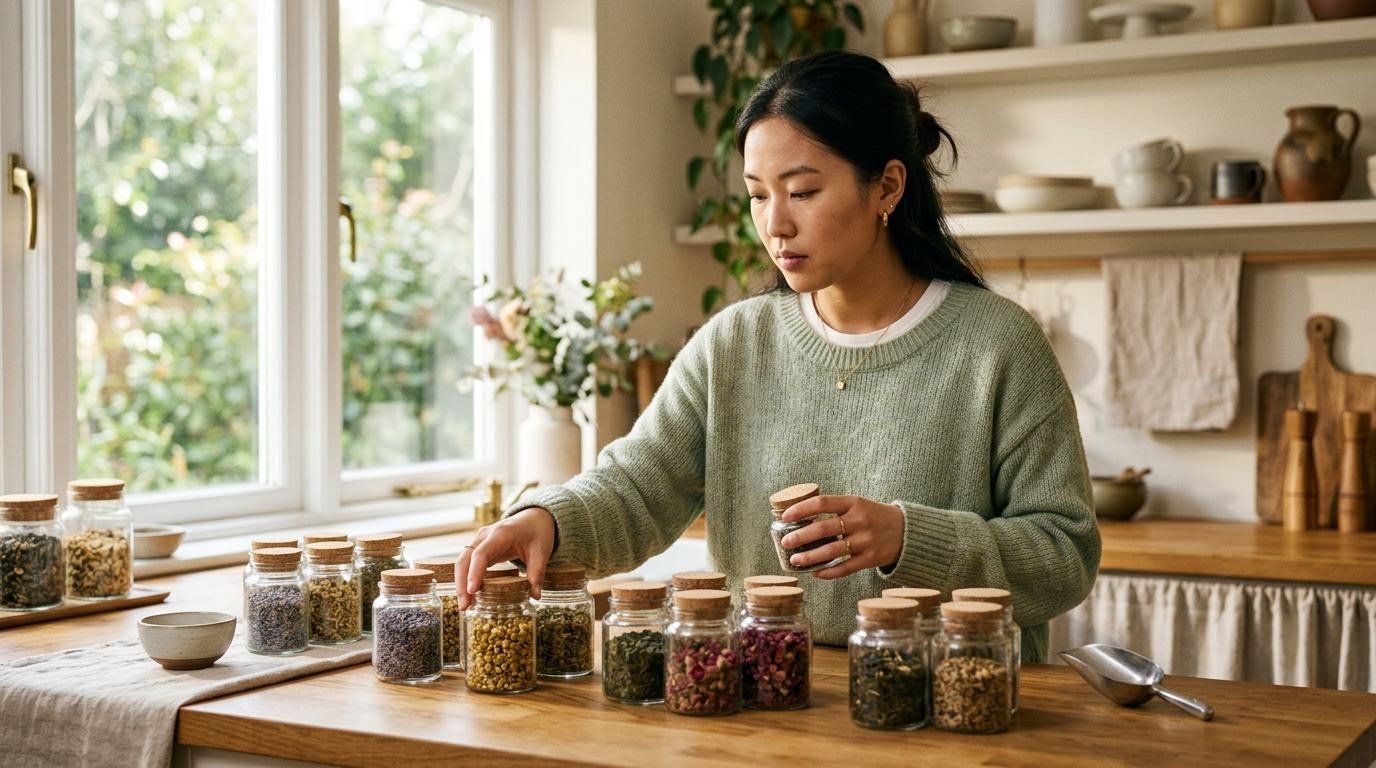
The NIH review mentioned above sorts common weight-loss ingredients into rough tiers, and the table below condenses it. Read the columns together. The weight-loss column explains why people buy these products, and the safety column explains why a doctor might wince.
| Ingredient | What the evidence shows for weight loss | Main safety flag |
|---|---|---|
| Green tea extract | Possible small effect, mostly alongside caffeine | Liver damage reports (at least 50 case reports since 2006) |
| Glucomannan | Little or no effect on weight | Esophageal obstruction cases with tablets |
| Yohimbe | Little or no effect on weight | Described as significant, especially at 20 mg or more of yohimbine |
| Hoodia | Insufficient evidence (one human study showed no effect) | Products may contain far less hoodia than claimed |
| Bitter orange | Not among the ingredients with a possible benefit | Chest pain, anxiety, faster heart rate, higher blood pressure |
| Garcinia cambogia | Not among the ingredients with a possible benefit | Mania and liver toxicity reports, mostly in multi-ingredient products |
| Guarana, kola nut, yerba mate | Mostly act as caffeine sources | Significant concerns at higher doses |
Source: NIH Office of Dietary Supplements, Dietary Supplements for Weight Loss (health professional fact sheet)
The best performer deserves context. Green tea catechins, usually paired with caffeine, show a possible small effect. A 2012 Cochrane review summarized in the NIH sheet found about 0.95 kg more weight loss than placebo, a little over two pounds, and no significant difference when the analysis was limited to studies outside Japan. That is the top of the ladder: a result most people would never notice on a bathroom scale, achieved under trial conditions, with a stimulant doing part of the work.
The ingredients that sound gentlest are not always the safest
Glucomannan and guar gum are sold as natural fiber, which sounds about as harmless as a supplement can get. Yet the NIH sheet records esophageal obstruction cases with glucomannan tablets and obstruction case reports with guar gum, and notes that one meta-analysis of guar gum concluded the risks outweighed the benefits. Fiber from food comes packaged with water and chewing. A concentrated tablet does not.
Probiotics sit in similar territory. Pooled trials show only small average changes, and the strain matters far more than the brand name, as this breakdown of the best probiotic for weight loss explains. The pattern repeats across the supplement aisle: modest averages, huge marketing.
Natural Does Not Mean Gentle: The Liver, Heart, and Blood Pressure Risks
NCCIH states plainly that "natural" does not automatically mean safe, and the NIH review backs that up with specific case reports. Four themes come up again and again: the ingredients behind the serious cases, the difference between a cup of tea and a concentrated extract, stimulant stacking, and the long shadow of ephedra.
Bitter orange and garcinia: the ingredients behind the serious case reports
Bitter orange became popular after ephedra left the market, and the NIH sheet describes it as a known ephedra substitute. It has been linked to chest pain, anxiety, and increases in heart rate and blood pressure, with serious events including death reported, usually in multi-ingredient products. Garcinia cambogia has been tied to mania and liver toxicity, including one death and two liver transplants, again mostly in multi-ingredient products.
The sheet is careful to say that, because those products often contained other botanicals, the cause could not always be pinned on one ingredient. That caveat is itself the warning. A blend takes away your ability to know what is responsible, and it takes away your doctor's ability to tell you.
A cup of tea versus a concentrated extract
Green tea shows why format matters. The NIH review cites at least 50 case reports since 2006 linking some green tea extracts, mainly ethanolic ones, to liver damage. In the Minnesota Green Tea Trial, postmenopausal women who took a high-catechin extract for 12 months had significantly higher liver enzymes than those on placebo. Green tea consumed as a beverage, by contrast, has not been linked to adverse effects.
The non-obvious lesson: the same plant can be a pleasant afternoon habit in a mug and a liver risk in a capsule. If an herb appeals to you, the form it comes in changes the risk more than the herb's reputation does.
The stimulant stacking problem
The NIH sheet cites 400 mg of caffeine a day as the level FDA and the European Food Safety Authority considered without safety concerns for healthy adults, and it warns that some weight-loss labels list herbs such as guarana without declaring the caffeine they supply. Add a slimming blend containing guarana to a morning coffee and a pre-workout drink, and the day's total can pass that line without any single product looking extreme.
Symptoms such as a racing heart, jitters, or chest discomfort are a reason to stop and call a clinician, not to push through. If you notice yourself leaning on slimming products to compensate for eating, or feeling anxious without them, treat that as a reason to talk with a doctor or mental health professional. NCCIH notes that people with eating disorders sometimes misuse these products, and getting support early matters more than switching brands.
Slimming Teas and Pills Can Hide Drugs the Label Never Mentions
The most unsettling risk is the one you cannot see on the ingredient list. FDA says many weight loss products, including pills, fat burners, supplements, and teas, are likely contaminated with hidden drug ingredients, and it treats the problem as medication health fraud. As of its September 2026 update, the agency warns that these products are sometimes sold as dietary supplements, food, or all-natural treatments, are available online and in stores, and can cause severe health problems including hospitalization.
Two details in that warning deserve attention. First, FDA notes these products may carry many positive reviews or be heavily promoted on social media. Five-star ratings measure whether buyers felt something, not what is in the sachet. Second, the agency's list covers only a small fraction of contaminated products, and a product's absence from it does not make that product safe.
The NIH review adds supporting detail. Some bitter orange products may contain adulterants such as m-synephrine, which does not occur naturally in bitter orange, and a 2007 report found that only 30% to 60% of hoodia products contained adequate amounts of hoodia. Taken together, the label is a claim, not a guarantee.
Five label red flags worth walking away from
- Promises of fast, effortless weight loss with no change in eating or activity
- A "proprietary blend" that hides how much of each ingredient you get
- Claims of "no side effects" or "100% safe because it is natural"
- Sales driven mainly by social media links, influencer codes, or countdown timers
- Before-and-after photos offered as the only evidence
What to do if a product already made you feel off
Stop taking it, keep the packaging, and contact a health professional, especially if you have chest pain, a racing heart, severe stomach pain, yellowing skin or eyes, or dark urine. FDA lets consumers report suspected reactions, and doing so helps the agency spot products worth investigating. Telling your clinician exactly what you took, including the brand and batch, speeds up the diagnosis.

Adaptogenic Herbs for Weight Loss: A Stress Story, Not a Fat-Loss Switch
Adaptogens, the group that includes ashwagandha, rhodiola, and ginseng, are marketed as herbs that help the body handle stress. Weight-loss marketing borrows that reputation by linking stress, cortisol, and belly fat, then offering an herb to break the chain. It is a tidy story, and tidy stories sell.
What the major authority sources cited in this guide do not do is list adaptogenic herbs for weight loss among the ingredients with demonstrated effects on body weight. The NIH and NCCIH material above contains no trial showing an adaptogen shrinking waistlines. The stress half of the pitch may resonate with your life, but the fat-loss half is where the evidence goes quiet.
If stress-driven eating is your real pattern, NCCIH points somewhere more specific. Yoga and meditation, especially mindful eating, show emerging promise as complements to other weight-loss approaches, and they are generally safe for healthy people when taught by a well-trained instructor. People with health conditions should check with their provider first.
That is a better use of your next 20 minutes than a new bottle. Pairing a stress practice with the small, repeatable routines in this guide to sustainable weight loss habits that actually stick gives you something an herb never can: a change you control that still works when the bottle runs out.
A Realistic Pace Beats Any Herb: How to Set a Safe Weight-Loss Plan
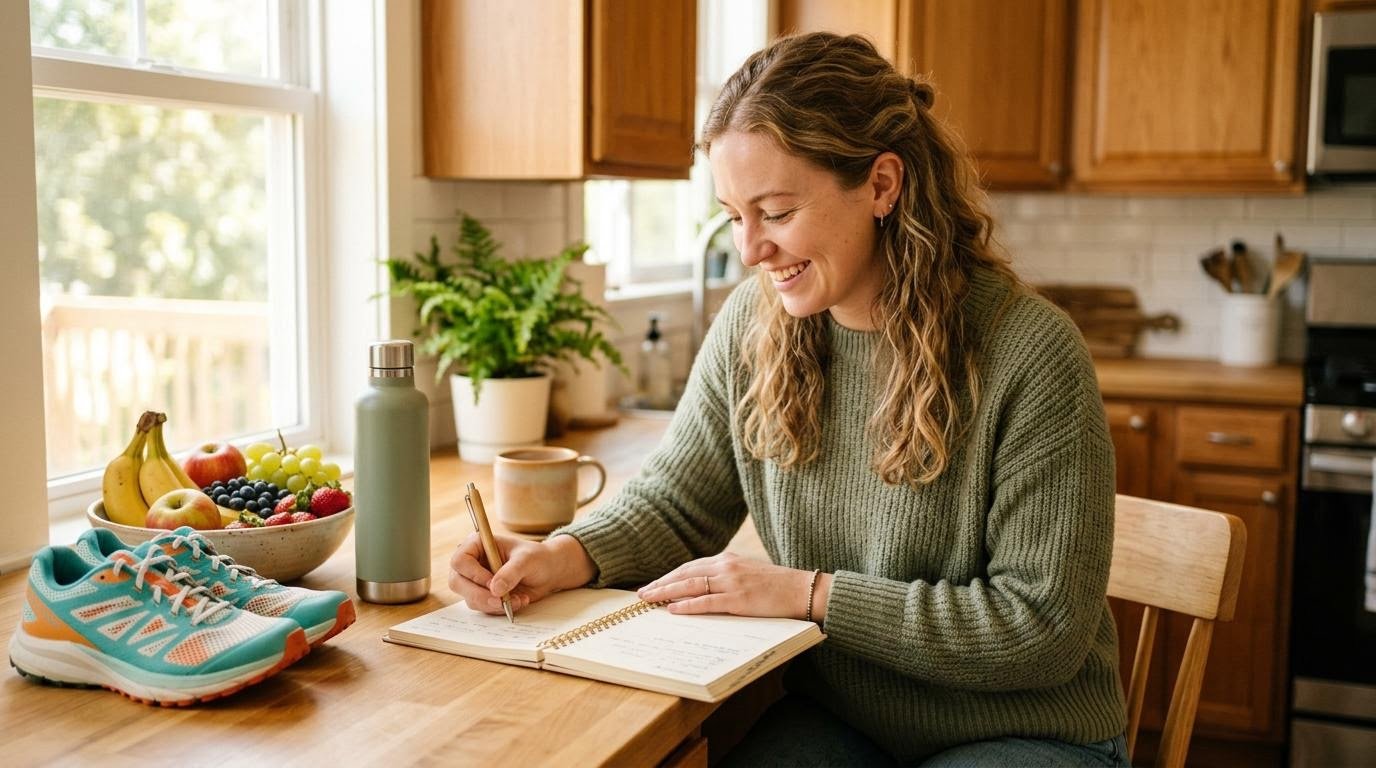
CDC describes a healthy rate of weight loss as about 1 to 2 pounds per week, reached at a gradual, steady pace, and says people who lose weight this way are more likely to keep it off. Compare that with the promises on most slimming herb labels, and the mismatch becomes clear. A product claiming ten pounds in ten days is not offering a better version of the CDC range. It is offering something the CDC range explicitly steers away from.
Here is a five-step approach that respects both the evidence and your curiosity about herbs.
- Talk to a clinician first. The NIH consumer guidance on weight-loss supplements says there is little scientific evidence that herbal and other weight-loss supplements work, that makers rarely test products in people, and that the studies that exist tend to be small and short. It advises talking with a health care provider before taking any weight-loss supplement, especially if you have high blood pressure, diabetes, heart disease, or liver disease, and telling every provider about every supplement and medication you use.
- Remember what FDA does and does not do. According to the same NIH guidance, FDA oversees supplements but does not approve them before they are sold, and manufacturers do not have to prove safety or effectiveness first. The burden of skepticism falls on you.
- Use culinary herbs for flavor, not as a fat-burning tool. Fresh herbs, spices, and plain brewed tea make food and drinks more satisfying without the concentrated-extract risks described above.
- Build the boring foundation. A moderate, sustainable deficit does the heavy lifting, and this guide to what a calorie deficit is and how weight loss really works shows how to size one without crash dieting.
- If you still try a product, reduce your risk. Avoid stacking stimulants, skip anything with a hidden-blend label, stop at the first sign of palpitations or chest pain, and check the FDA tainted-products list before you buy.
Notice what the list leaves out: a specific herb to buy. That is deliberate. The research does not support recommending one, and a guide that named a winner would be selling you the same confidence the labels do.
Health disclaimer: This article is for general education and is not medical advice. Herbal products can interact with prescription and over-the-counter medicines and may be unsafe for people with high blood pressure, heart disease, diabetes, liver disease, or an eating disorder, and for anyone who is pregnant, breastfeeding, or under 18. Talk with a doctor or pharmacist before starting any herb, supplement, or weight-loss plan.
Frequently Asked Questions About Slimming Herbs
Do traditional Chinese herbs for weight loss actually work?
There is no strong evidence that they do. NCCIH reports that studied supplements, including Chinese herbs, have shown no clear weight-loss benefit and that none have been shown to be effective. A few ingredients, such as green tea paired with caffeine, show a possible small effect, but the gains in trials are measured in a kilogram or two, not in dramatic transformations.
Are slimming herbs safe to take every day?
It depends on the herb, the form, and your health. Brewed green tea has no reported adverse effects in the NIH review, while concentrated extracts have been linked to liver injury and ingredients such as bitter orange to heart rate and blood pressure increases. Daily use raises your exposure, so check with a clinician first, particularly if you take medication.
Can slimming herbal teas contain hidden drugs?
Yes. FDA says many weight loss products, including teas, are likely contaminated with hidden drug ingredients, and the agency's list covers only a fraction of them. A natural label, glowing reviews, or sale in a regular store does not guarantee a product is clean.
How much weight can herbs realistically help you lose?
The best-studied results are small. The NIH review cites about 0.95 kg more loss than placebo for green tea catechins in a 2012 Cochrane review, and it describes many other effects as small or of uncertain clinical relevance. For comparison, CDC describes 1 to 2 pounds per week as a healthy rate from eating and activity changes.
Who should avoid herbal weight loss supplements?
Anyone with high blood pressure, diabetes, heart disease, or liver disease should speak with a provider before using them, per NIH consumer guidance. People who are pregnant, breastfeeding, under 18, taking prescription medication, or struggling with disordered eating should also seek professional advice first.
Are adaptogenic herbs for weight loss worth trying?
The sources cited here do not show adaptogens reducing body weight, so the weight claim remains unproven. If stress affects your eating, NCCIH notes that yoga, meditation, and mindful eating show emerging promise as complements to other approaches, and they carry fewer known risks than concentrated extracts.

The Bottom Line on Traditional Chinese Herbs for Weight Loss
The bottom line on traditional chinese herbs for weight loss is neither dismissive nor dazzled. Centuries of tradition tell you what people have valued, but the agencies that review the evidence find no herb with a proven, safe, meaningful weight-loss effect, and the category has a record of stimulant risks, liver injuries, and products laced with hidden drugs.
A cup of plain brewed tea is a fine habit. A concentrated blend promising a transformation is a gamble with your heart, liver, and wallet. Put your effort where the evidence is strongest: a steady 1 to 2 pounds a week, a sustainable calorie deficit, movement you enjoy, and a clinician who knows everything you swallow. That plan will outlast any bottle you buy this month.
References
- NCCIH — Weight Control, 2017
- NIH Office of Dietary Supplements — Dietary Supplements for Weight Loss: Health Professional Fact Sheet
- NIH Office of Dietary Supplements — Dietary Supplements for Weight Loss: Consumer Fact Sheet, 2021
- FDA — Tainted Weight Loss Products, 2026
- CDC — Steps for Losing Weight, 2025