
Sweat, a stomach bug and a long afternoon in the heat all pull sodium, potassium and fluid out of your body. A simple electrolyte drink recipe puts some of it back for a fraction of the price of a bottled sports drink, using ingredients already sitting in your kitchen.
Here is the catch most recipe posts skip: not everyone needs one. This guide gives you a four-ingredient base recipe, three natural variations, the safe limits for sodium and potassium, and the situations where plain water does the job better. By the end you will know whether to mix a batch today or skip it.

Most Americans already eat more sodium than they need, so the right electrolyte drink depends on the day
Start with the number that changes the whole conversation. The CDC cites a federal recommendation of less than 2,300 mg of sodium a day for teens and adults, while Americans average more than 3,400 mg. That gap means a typical gym-goer eating a typical diet is not short on sodium. Adding a salty drink on top of an already salty diet solves a problem most people do not have.
So who actually benefits from an electrolyte drink? Picture two people on the same hot Saturday. One plays ninety minutes of pickup football in direct sun and sweats through a shirt twice. The other walks to class, sits through lectures and sips a protein shake. The first person loses real sodium and fluid and may feel better with a salty, slightly sweet drink. The second person is drinking out of habit. Same recipe, completely different value.
Sweat saltiness also varies widely from person to person, which is why two friends finishing the same run can feel completely different. Fitness level, heat adaptation and genetics all play a role, so treat any recipe as a starting point. Test the drink on the days when a workout leaves you sluggish with a headache and white streaks on your shirt. If you feel fine on plain water, you have your answer.
A homemade drink earns its place in a few specific situations:
- Long or intense exercise in the heat, especially when your clothes show white salt streaks afterward.
- Heavy sweating from an outdoor job, a hot kitchen or a long hike.
- Fluid loss from vomiting or diarrhea. The oral rehydration section below explains why a measured product is the safer pick here.
- Long fasting windows or low-carb days when you feel lightheaded and your doctor has cleared extra salt. Our intermittent fasting 16/8 guide covers what else belongs in your cup during a fast.
If you take blood pressure medication, have kidney disease or have been told to limit salt, skip the experiments and ask your doctor first.

The base electrolyte drink recipe takes four ingredients and two minutes
This is the version to start with. It makes one liter, which is about four cups.
- 1 liter (4 cups) cold water
- 1/4 teaspoon fine table or sea salt, level and not heaped (roughly 580 mg of sodium)
- 2 tablespoons honey, or sugar if you prefer (about 130 calories across the whole liter)
- 1/4 cup fresh lemon or lime juice (the juice of one large lemon or two limes)
- Warm 1 cup of the water and stir in the salt and honey until nothing gritty is left at the bottom.
- Add the citrus juice and the remaining cold water.
- Chill for at least 30 minutes, taste, and adjust.
The target taste is lightly salty lemonade. If you taste salt before you taste lemon, you used too much. Pour out a cup and top the pitcher up with plain water.
Each ingredient has a job. Sodium helps your body hold on to the fluid you drink and keeps your thirst signals working. A little sugar makes the drink easier to sip in volume and supplies fuel during longer sessions. Citrus adds flavor and a small amount of potassium. Skip the honey and you still have a working drink, just a lighter one.
Level measuring spoons matter here. A pinch varies wildly from person to person, and one generous scoop can double the sodium. Keep the pitcher covered in the fridge, shake it before pouring and finish it within three days. Throw it out sooner if it turns cloudy or smells off.
Why bother making it at all? Cost and control. The ingredients cost a small fraction of bottled prices, you choose how much sugar goes in, and you skip the artificial colors and flavorings. The trade-off is convenience, since a bottle fits in a gym bag without a pitcher. Mix a batch the night before, pour it into a bottle and freeze half, so it melts into a cold drink by the second hour of a hike.
Potassium and magnesium matter, but food supplies far more of them than any drink can
Many online recipes add potassium chloride "lite salt" or magnesium powder. The numbers show why that is unnecessary. The NIH Office of Dietary Supplements lists an Adequate Intake of 3,400 mg of potassium a day for adult men and 2,600 mg for adult women. A glass of homemade drink contributes only a sliver of that. Bananas, beans, potatoes, spinach and yogurt do the heavy lifting.
| Electrolyte | Reference amount for adults | What it means |
|---|---|---|
| Sodium | Less than 2,300 mg per day | Federal recommendation within a healthy eating pattern |
| Sodium | More than 3,400 mg per day | Average daily intake in the United States |
| Potassium (men) | 3,400 mg per day | Adequate Intake, ages 19 and over |
| Potassium (women) | 2,600 mg per day | Adequate Intake, ages 19 and over |
Source: CDC (sodium rows), 2026; NIH Office of Dietary Supplements (potassium rows), 2022
There is also a safety reason to leave potassium supplements and salt substitutes out of a homemade drink. The same NIH fact sheet warns that when kidney disease or medications such as ACE inhibitors and potassium-sparing diuretics reduce how well the body clears potassium, high blood potassium can develop even at intakes below the Adequate Intake. If either applies to you, an extra-potassium drink is a conversation for your doctor, not a kitchen experiment.
Magnesium follows the same logic. Nuts, seeds, leafy greens and whole grains keep most people covered, and a drink is a poor delivery system for it. Treat the base recipe as a sodium-and-fluid tool and let your meals handle the rest.
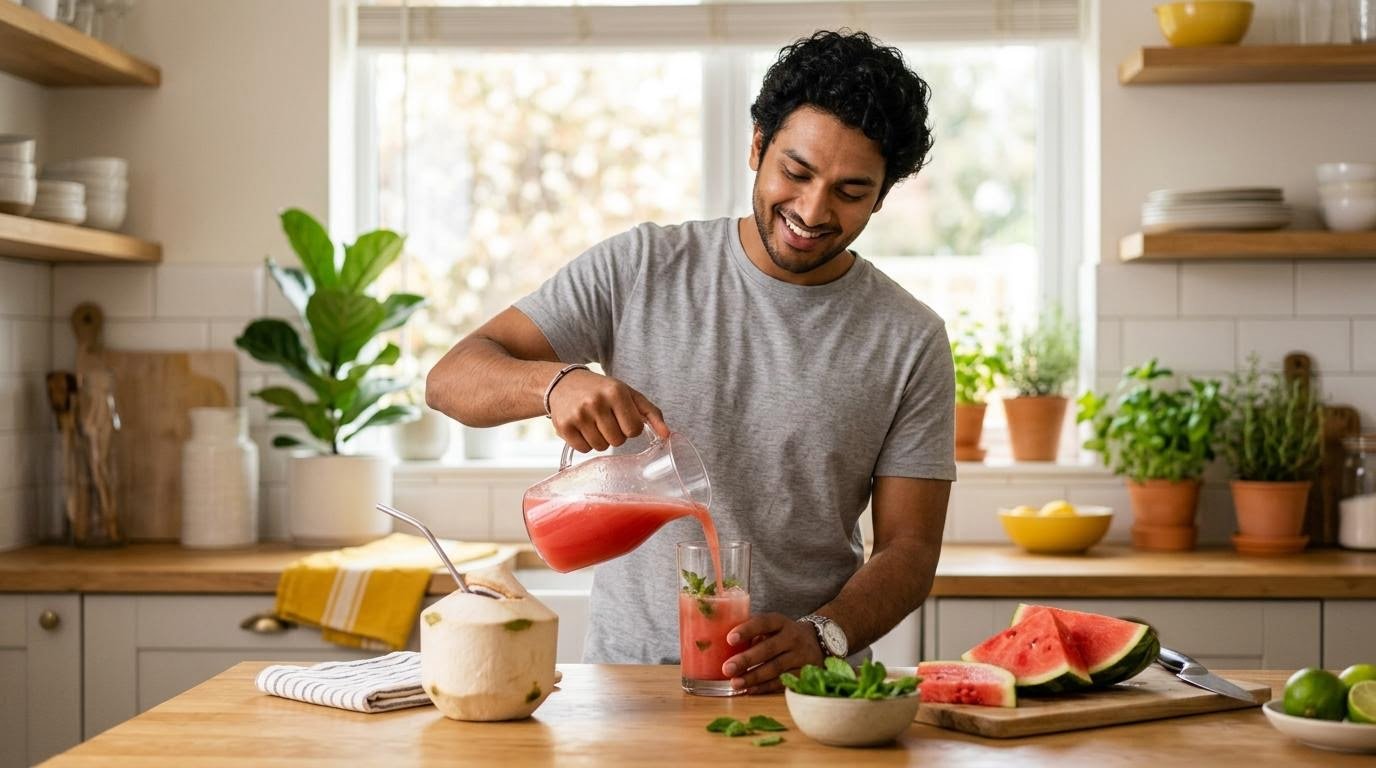
Three natural electrolyte drink recipe variations: coconut water, watermelon and low-sugar citrus
Once the base recipe feels familiar, swap ingredients to match your taste and your day. Each variation below makes about one liter.
Coconut water and lime
- 2 cups unsweetened coconut water
- 2 cups cold water
- Juice of 1 lime
- 1/8 teaspoon salt
Coconut water brings natural potassium and mild sweetness, which is why a coconut water electrolyte drink recipe is so popular. It is naturally low in sodium, so the pinch of salt still earns its place. Read the label and pick a bottle with no added sugar.
Watermelon and mint
- 2 cups cubed seedless watermelon, blended and strained
- 2 cups cold water
- Juice of 1 lime
- 1/8 teaspoon salt
- A handful of mint leaves
Watermelon is mostly water, so this version tastes like a light agua fresca. A watermelon electrolyte drink recipe suits hot days when plain water starts to feel boring. Drink it within a day or two because blended fruit spoils faster than juice.
Low-sugar citrus
- 1 liter cold water
- 1/4 teaspoon salt
- Juice of 1 lemon
- A few mint leaves or cucumber slices
- No sweetener
A sugar free electrolyte drink recipe like this one fits rest days, fasting windows and anyone watching added sugar. It tastes sharper than the base version, and without carbohydrate it will not fuel a hard session, so keep the sweetened versions for long workouts. If you are comparing homemade options with drinks that promise fat loss, our look at what the evidence says about belly fat drinks lands on the same unglamorous winner: plain water, flavored however you like.
Not sure which version to start with? Use this decision rule. Heavy sweat and a long session call for the base recipe. A hot day with light activity suits the watermelon version. A rest day or fasting window calls for the low-sugar citrus. Freeze any of them into ice cubes and drop a few into plain water for a gently flavored drink through the workday.
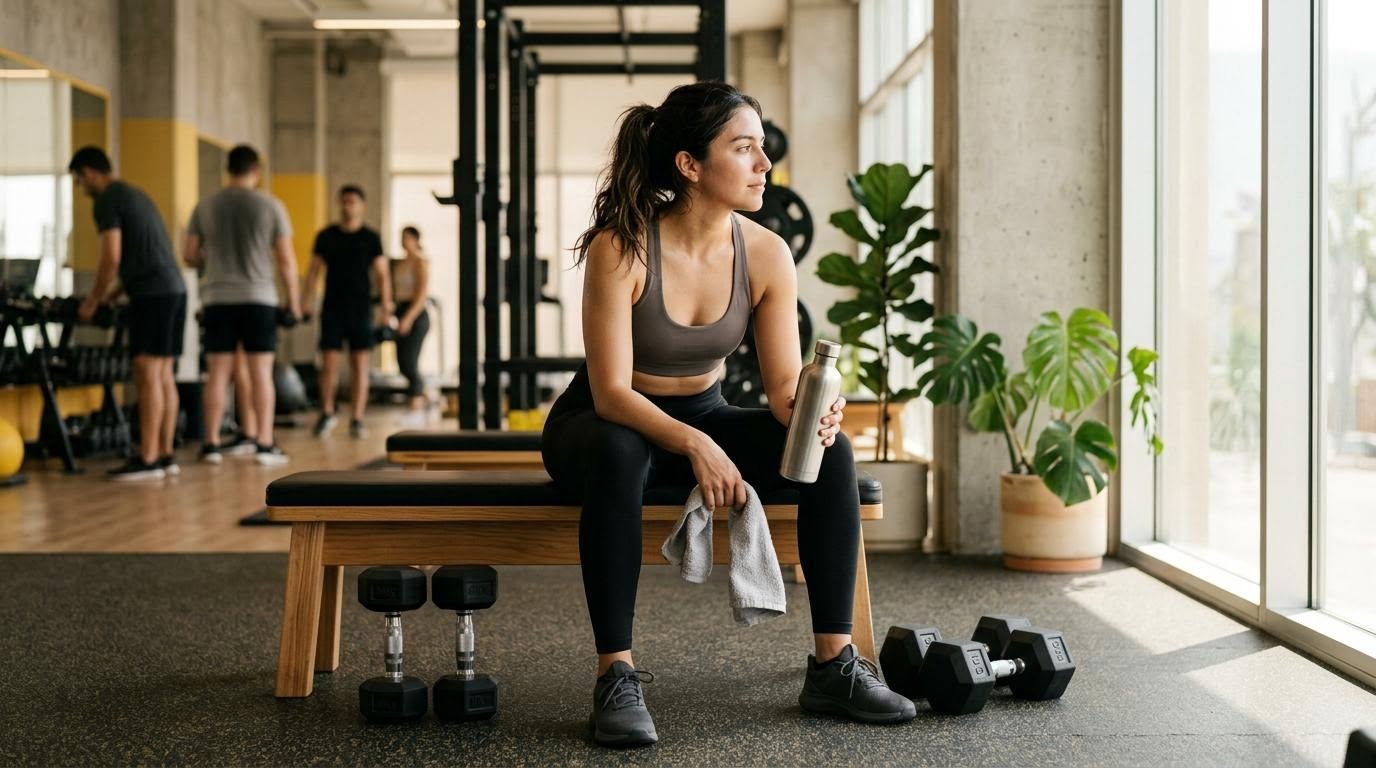
Plain water covers most workouts, and drinking to thirst keeps you out of trouble
More drink is not better drink. A Mayo Clinic Minute from 2021 has family physician Dr. Sara Filmalter describing drinking to thirst as the general rule of thumb among physicians. She warns that taking in too much fluid can cause exercise-induced low sodium, called hyponatremia, which is why planning arbitrary amounts to drink during a workout is a poor idea. For longer efforts she suggests splitting your fluids, with roughly half as water and half as a beverage that contains electrolytes.
Here is a practical way to apply that, and it is a GenZiest rule of thumb rather than a medical threshold. Keep a session under about an hour at an easy pace and water is usually enough, since your next meal replaces the salt. Go past an hour, train in serious heat or finish with white salt marks on your skin, and the electrolyte drink earns a spot in your bottle. Fuel timing helps too, and our guide to how long before a workout to eat carbs explains how a pre-session snack and a sipped drink work together.
Know the signs you overdid it: nausea, a sloshing stomach, bloating, or a headache after downing lots of plain water. Stop drinking and rest in the shade. If symptoms worsen or you feel confused, get medical help.
One free check beats any app: look at your urine. The NHS lists dark yellow, strong-smelling urine among the signs of dehydration, so pale yellow is the color to aim for before and after exercise. If it stays dark despite drinking, that is a signal to see a doctor, not to add more salt to the recipe.

A stomach bug needs an oral rehydration solution, not a sports drink clone
Diarrhea and vomiting drain fluid faster than any workout. The WHO fact sheet on diarrhoeal disease treats oral rehydration solution, a mix of clean water, sugar and salt, as the standard treatment for diarrhoea. The key word is solution. Ready-made oral rehydration salts are measured to keep the sugar and salt in balance, and that precision is exactly what a kitchen recipe cannot guarantee.
The NHS points the same way for adults. When sickness or diarrhoea causes significant fluid loss, a pharmacist can recommend oral rehydration powders that you mix with water. It advises small sips if you feel sick and no caffeine or alcohol while you recover.
Watch for the signs that mean home treatment is not enough. The NHS lists dark yellow or reduced urine, dizziness that does not settle, a fast heartbeat or fast breathing, and unusual tiredness as reasons for an urgent appointment or call. It treats confusion, cold or blotchy skin, trouble breathing and unusual sleepiness as emergencies. Babies and young children carry higher risk, so skip any DIY recipe for them and ask a doctor or pharmacist.

A homemade electrolyte drink recipe works best as a tool for specific days, not a daily habit
Strip away the marketing and the pattern is simple. Water handles ordinary days. The base electrolyte drink recipe handles the long, hot, sweaty ones. A measured oral rehydration solution handles stomach bugs. Food handles potassium and magnesium.
Before you mix the next batch, ask three questions. Did you sweat for more than an hour or in serious heat? Are you replacing fluid after an illness with the right product? Has a doctor told you to watch your salt or potassium? Your answers decide whether to use the recipe at all. If the first answer is yes, start with the base version, taste it and adjust one ingredient at a time.
To put this into practice this week, pick one long or hot session and run a small test. Drink water for the first hour, then switch to the base recipe and note how you feel in the final stretch and the next morning. Write down what you changed, one variable at a time, so the next batch comes from your own results and not from guesswork.
Health disclaimer: This article is general education, not medical advice. Check with a doctor or pharmacist before using homemade electrolyte or rehydration drinks if you are pregnant or breastfeeding, under 18, managing kidney, heart or blood pressure conditions, taking diuretics or ACE inhibitors, or caring for a baby or young child. Seek urgent care for confusion, fainting, severe vomiting or diarrhea, or signs of heat illness.

Electrolyte Drink Recipe FAQ: Quick Answers
How do you make electrolyte water at home?
Stir 1/4 teaspoon of fine salt and 2 tablespoons of honey into a cup of warm water, then add 1/4 cup of lemon or lime juice and enough cold water to make 1 liter. Chill it and taste. It should read as lightly salty lemonade, not seawater.
What is the best homemade electrolyte drink?
The best one is the one that matches your situation. The base recipe suits long, sweaty workouts. A coconut water version adds a little potassium for hot days. A lemon-and-salt version without sweetener fits rest days and fasting windows. For vomiting or diarrhea, a measured oral rehydration solution from a pharmacy is safer than any homemade mix.
Can you make a sugar free electrolyte drink recipe?
Yes. Mix 1 liter of cold water with 1/4 teaspoon of salt and the juice of one lemon, then add mint or cucumber for flavor. It works well for rest days. During long, hard exercise a little carbohydrate helps fuel you, so the sweetened version is the better choice for those sessions.
How much salt should go in electrolyte water?
The base recipe uses 1/4 teaspoon of salt per liter, which supplies roughly 580 mg of sodium. The CDC cites a federal limit of less than 2,300 mg a day, so one liter uses about a quarter of that. Use a level measuring spoon, and do not double it hoping for a stronger effect.
Can you drink an electrolyte drink every day?
Most people do not need to. The CDC reports that Americans average more than 3,400 mg of sodium a day, well above the limit, so a daily salty drink adds to a surplus. Daily use makes sense mainly for heavy sweaters, and anyone with high blood pressure, kidney disease or heart conditions should ask a doctor first.
Is a homemade electrolyte drink safe for kids?
For babies and young children, skip homemade recipes. Children lose fluid quickly during illness, and the salt and sugar balance matters more at small body sizes. Ask a pediatrician or pharmacist for a measured oral rehydration solution, and seek medical care promptly if a child is unusually sleepy, has few wet diapers or cannot keep fluids down.
How long does a homemade electrolyte drink last?
Keep it covered in the fridge and finish it within three days. Fresh juice and blended fruit spoil faster, so drink the watermelon version within a day or two. Discard any batch that turns cloudy, smells sour or tastes off.
References
- CDC — Sodium and Potassium and Your Health, 2026
- NIH Office of Dietary Supplements — Potassium: Fact Sheet for Health Professionals, 2022
- Mayo Clinic — Mayo Clinic Minute: Drink to thirst when exercising, 2021
- World Health Organization — Diarrhoeal disease, 2024
- NHS — Dehydration, 2026