
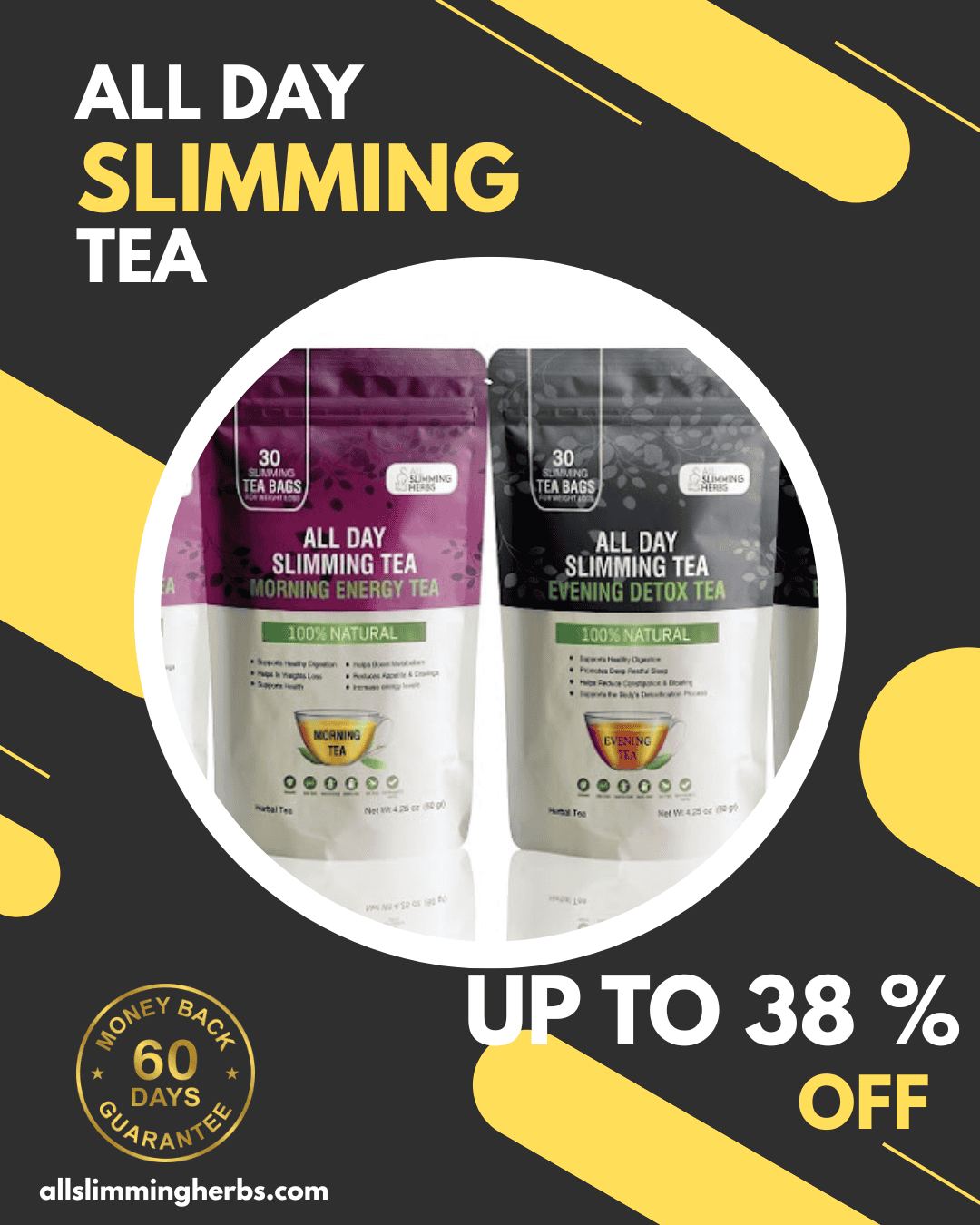

Zero sugar on a tub of electrolyte powder sounds like a health claim, yet it describes exactly one ingredient. A zero sugar electrolyte drink mix removes the sugar and keeps the salts, and it usually adds sweeteners, flavors, and sometimes vitamins so the result tastes like a soft drink. Whether that swap makes the drink better for you depends on three things the front of the package never shows: how much sodium sits inside, which sweeteners replaced the sugar, and what your day actually looks like.
The honest answer is conditional. After a long, sweaty session in the heat, a low-sugar mix can beat both plain water and a sugary sports drink. On a desk day, it is flavored salt water with a premium price tag. This guide shows where that line sits, using guidance from the CDC, the NIH, the WHO, and Mayo Clinic, so you can decide before the next purchase instead of after the third tub.
Most readers searching this topic fall into one of four camps: gym regulars, people fasting, parents of active kids, and anyone who saw a creator pouring a colorful packet into a bottle. The answers differ for each, and the rest of this article keeps those groups in view.

A zero sugar electrolyte drink mix changes one line on the label, not the whole story
Open any box of sugar free electrolyte powder packets and the ingredient list shows a shared skeleton. A base of sodium salts, usually with potassium and magnesium, sits under a layer of acids, flavors, and sweeteners. Sugar is the one component that varies between products, and the zero sugar versions swap it for a sweetener that adds taste without calories.
What the powder actually contains
Electrolytes are minerals that carry an electrical charge, and sodium is the one that matters most for fluid balance during heavy sweating. The rest of the formula is supporting cast. Potassium helps nerves and muscles work. Magnesium appears in many blends, often as a citrate or glycinate form. Citric acid and natural flavors handle taste. Some mixes add B vitamins, vitamin C, or caffeine, which turns a hydration product into something closer to a supplement.
That last point matters more than it sounds. Each added ingredient is another line you need to check against your own diet, your medications, and your goals. A plain mix with three ingredients asks very little of you. A fifteen-ingredient mix with a "focus blend" asks you to trust a formula you cannot evaluate.
What zero sugar leaves unchanged
The sugar claim has a real upside. The Dietary Guidelines for Americans 2020-2025 advise keeping added sugars under 10 percent of daily calories for everyone age 2 and older. On a 2,000-calorie day, that works out to about 50 grams. A conventional sports drink can use a meaningful share of that allowance in a single bottle, and a zero sugar mix uses none of it.
That is the whole benefit printed on the front. Sodium content, sweetener choice, mineral doses, and added extras all stay in play, and each deserves a look. A zero sugar claim also says nothing about whether you need electrolyte replacement in the first place, which is the question the next section answers.

Most adults already get more sodium than the guidelines allow, so the mix is not for everyone
Here is the fact that reframes the whole category. The CDC reports that Americans eat more than 3,400 milligrams of sodium a day on average, against a federal recommendation of less than 2,300 milligrams for teens and adults. Most people start their day above the limit before any powder enters the picture.
Run the label math on a typical serving. A packet that carries 1,000 milligrams of sodium delivers about 43 percent of the 2,300 milligram limit in a single glass. Someone who already lands near 3,400 milligrams from food would push the day to roughly 4,400 milligrams. For an athlete who lost a liter or more of sweat, that sodium replaces what left the body. For someone sitting at a desk, it is extra salt with a fruit flavor.
Who actually loses enough sodium to need one
Heavy sweaters benefit most. Picture two people finishing the same Saturday. One spent ninety minutes on a humid football pitch, then drove home in a hot car. The other spent the day in an air-conditioned office and walked for twenty minutes at lunch. The first person lost meaningful sodium through sweat and can reasonably use a mix. The second person lost very little and gets nothing from one that a glass of water and a normal meal would not supply.
Outdoor workers, endurance athletes training for long sessions, and anyone exercising in serious heat sit in the first group. Casual gym-goers, walkers, and desk workers sit in the second. Most buyers belong to the second group, which is why the market is so much larger than the need.
Potassium is the mineral most people actually miss
The NIH Office of Dietary Supplements sets adequate potassium intake at 3,400 milligrams a day for adult men and 2,600 milligrams for adult women, and it notes that most people in the United States fall short. Mixes that include potassium can close a small part of that gap, but a banana, a baked potato, or a serving of cooked spinach delivers more with fewer additives. Treat the powder as a top-up for sweat losses and let food carry the daily potassium load.
Reasons that hold up and reasons that do not
- Holds up: long exercise in heat, where sweat losses are large and plain water alone can dilute blood sodium.
- Holds up: a physically demanding job outdoors, where you sweat for hours without a break.
- Holds up partly: a fasting window with a lot of activity, if the mix has no calories (more on this below).
- Does not hold up: a 45-minute gym session in a cool room, where water and your next meal cover everything.
- Does not hold up: a daily habit started because the flavor is pleasant, since the sodium still counts toward your limit.

The sweeteners that replace sugar are the real trade-off
Removing sugar creates a flavor gap, and non-sugar sweeteners fill it. In 2023 the World Health Organization published a guideline recommending against non-sugar sweeteners as a way to control body weight or lower the risk of noncommunicable disease. The review behind it found no long-term reduction in body fat in adults or children, and it suggested that long-term use may be linked to higher risks of type 2 diabetes, cardiovascular disease, and death in adults.
Two details keep that finding in proportion. The sweeteners covered include acesulfame K, aspartame, advantame, cyclamates, neotame, saccharin, sucralose, and stevia with its derivatives, and the guideline does not apply to people who already have diabetes. Long-term associations of this kind also tend to come from observational research, which shows a pattern without proving the sweetener caused it. The honest reading is caution, not alarm.
Reading the sweetener line on a sugar free electrolyte powder drink mix
If the label lists sucralose, acesulfame K, or stevia, the WHO guidance applies to the daily habit more than to a one-off bottle after a long ride. A person who drinks a flavored mix every day to manage weight is doing the exact thing the guideline cautions against. A person who uses one sachet on a hot, long ride is not building a habit around sweetness.
Unflavored versions and lightly flavored versions with a short ingredient list sidestep the question. They taste like salty water with a hint of citrus, which is the price of skipping sweeteners, and many people mix them into a larger volume of water to soften the taste.
Zero sugar and zero sweetener are different claims
This is the non-obvious part of the label. "Zero sugar" is a statement about one ingredient. A product can carry that claim and still contain three different non-sugar sweeteners. If you want to cut sweetness rather than just sugar, the ingredient list is the only place to check, and the sweeteners tend to sit near the end of it, after the minerals and acids.

Plain water wins for easy workouts, and a mix earns its place on long, sweaty days
Mayo Clinic's exercise hydration advice is refreshingly simple: drink to thirst instead of following a rigid schedule. The reasoning cuts against the marketing. Drinking too little causes dehydration, and drinking too much plain water can dilute blood sodium and cause exercise-induced low sodium, called hyponatremia. A mix is one tool for that second risk, because it replaces some sodium along with the fluid.
The physician quoted in that guidance suggests splitting fluids roughly evenly between water and a low-sugar beverage with electrolytes. In practice, that can mean one bottle of plain water alongside one bottle of lightly mixed drink, which gives you hydration, some sodium, and less sweetener than a full-strength serving every time. Mayo Clinic also published a short video on the same idea.
A cheaper option for lighter days
For a normal workout, salt, citrus, and water cover the need at a fraction of the price. Our homemade electrolyte drink recipe walks through a four-ingredient version, and its sugar-free variation suits readers who want to skip the sweetener question entirely. Packets are convenient, and convenience is a fair reason to buy them, but it should not be mistaken for a medical need.
Fasting days are a separate case
Sugar free electrolyte powder for fasting is one of the most searched uses of these products, because people on longer fasts worry about feeling run down. A plain mix with zero calories fits the logic of a fast for many approaches, but anything with calories, amino acids, or added caloric carriers breaks the assumption. Read the calorie line, not just the sugar line. If you follow a daily eating window, our guide to the 16/8 method explains how to structure the hours so that you rarely need a mix at all.

A 60-second label check separates a useful zero sugar electrolyte drink mix from flavored salt
Use this reference table to anchor what you read on the back of the package, then work through the checklist that follows it.
| Nutrient | Adult daily reference | Why it matters for a mix |
|---|---|---|
| Sodium | Less than 2,300 mg per day | One serving can supply a large share of the limit |
| Potassium | 3,400 mg (men), 2,600 mg (women) adequate intake | Most people fall short, but food supplies it more safely |
| Added sugars | Less than 10% of daily calories | A zero sugar mix uses none of this allowance |
Source: Dietary Guidelines for Americans 2020-2025 (sodium, added sugars) and NIH Office of Dietary Supplements (potassium)
The checklist
- Sodium per serving. Divide it by 2,300 to see what share of your daily limit one glass uses.
- Potassium and magnesium amounts, listed in milligrams instead of hidden inside a proprietary blend.
- The sweetener line, read against your own comfort level with the WHO guidance above.
- Calories, so a fasting window stays intact when that matters to you.
- Added vitamins and caffeine, which turn a hydration product into a supplement.
Added vitamins deserve a second look because timing matters for some of them. Our breakdown of whether supplements work better in the morning or at night explains why fat-soluble vitamins, iron, and magnesium behave differently, which affects when a vitamin-fortified mix makes sense.
Cost per serving beats cost per tub
Tub size hides price. Divide the price by the number of servings, then compare packets against tubs using the same math. A cheaper tub with a modest sodium scoop and a sweetener you tolerate often beats a boxed product with a trendy flavor. If you notice you reach for a mix mostly for the taste, that is useful information too, because flavored water costs far less.

Kidney disease, blood pressure medicine, and pregnancy are reasons to ask a professional first
The people most likely to be harmed by an electrolyte mix are often the people least likely to read a label for risk. The NIH fact sheet warns that people with chronic kidney disease, and people taking certain medications, can develop abnormally high blood potassium, called hyperkalemia. ACE inhibitors and potassium-sparing diuretics are the examples it names, and it advises checking with a health care provider before using salt substitutes. A mix that lists potassium chloride belongs in the same conversation.
Sodium belongs on that list as well. Anyone told to limit salt for blood pressure or heart reasons needs to count a mix toward that limit, not treat it as a separate beverage. Pregnancy and childhood call for the same care, because a professional should set the plan when fluid and mineral needs differ from the typical adult. A pharmacist can check a mix against a medication list quickly, and a short question at the counter costs less than a wrong guess.
The bottom line
So is a zero sugar electrolyte drink mix actually better for you? It beats a sugary sports drink when you genuinely need electrolyte replacement, and it is no better than water when you do not. The label's strongest claim solves one problem and leaves sodium, sweeteners, and your own health history untouched. Use a mix after long, hot, sweaty sessions, check the sodium line before you buy, and keep water and food as the daily defaults.
Health disclaimer: This article is general information, not medical advice. Check with a doctor, pharmacist, or registered dietitian before adding electrolyte mixes to your routine if you have kidney disease, high blood pressure, heart conditions, or diabetes, if you take prescription medication, or if you are pregnant, breastfeeding, or under 18. Stop use and seek care if a mix causes stomach upset, swelling, palpitations, or unusual weakness.
Frequently Asked Questions
Does a zero sugar electrolyte drink mix break a fast?
It depends on the calories on the label. Most zero sugar mixes list zero to a few calories, which many people treat as negligible, while any product with real calories ends a fast by definition. Strict fasts that allow only water and plain salt rule out flavored mixes entirely. Decide which rule you follow before the window starts.
Is a zero sugar electrolyte drink mix safe to drink every day?
For most healthy adults an occasional mix is fine, but a daily habit needs two checks. First, count the sodium toward the 2,300 milligram daily limit, since average intake already sits above 3,400 milligrams. Second, consider the sweeteners, because the WHO advises against relying on them for weight control. People with kidney disease or on blood pressure medicine should ask a professional first.
Are zero sugar electrolyte drinks good for weight loss?
They do not cause weight loss. The WHO's 2023 guideline found no long-term reduction in body fat from non-sugar sweeteners, so swapping a sugary drink for a zero sugar mix helps only when it replaces calories you would otherwise drink. Water does that same job for free.
Is a zero sugar electrolyte drink mix better than a regular sports drink?
For long sessions in heat it can be, because it replaces sodium without the sugar load. Mayo Clinic's physician guidance points toward pairing plain water with a low-sugar electrolyte beverage during longer efforts. For easy workouts, plain water is enough and neither product adds much.
How much sodium should a zero sugar electrolyte drink mix contain?
There is no single per-serving number that fits everyone. Treat the figure on the label as part of your daily budget of under 2,300 milligrams and match it to your sweat losses. Lower-sodium servings suit moderate exercise, and higher-sodium servings suit long events in the heat.
Can I make a sugar free electrolyte drink at home?
Yes. Water, a pinch of salt, and citrus juice cover the basics, and coconut water or watermelon can add flavor and a little potassium. The homemade recipe linked earlier in this article lists measured amounts, which is safer than guessing with salt.
References
- U.S. Department of Agriculture and U.S. Department of Health and Human Services: Top 10 Things You Need to Know About the Dietary Guidelines for Americans, 2020-2025
- CDC: Effects of Sodium and Potassium, 2026
- NIH Office of Dietary Supplements: Potassium: Fact Sheet for Consumers
- WHO: WHO advises not to use non-sugar sweeteners for weight control in newly released guideline, 2023
- Mayo Clinic: Mayo Clinic Minute: Drink to thirst when exercising, 2021
- Mayo Clinic: Mayo Clinic Minute: Drink to thirst (video), 2021