

You've seen the claims on every fitness app and influencer feed: lift weights and your cellulite disappears. The truth is more specific than that, and less dramatic, but it's also more useful once you understand it. Strength training cellulite reduction is real in the sense that building muscle changes how dimpled skin looks, but it doesn't erase cellulite the way a supplement ad implies. This guide walks through what the research actually supports, which exercises matter most, and a realistic plan for the next eight weeks.
Before diving into the training piece, it helps to know exactly what you're dealing with, because most of the frustration around cellulite comes from treating it like a fat problem when it's really a structural one.
What Cellulite Actually Is (So You Know What You're Working With)
Cellulite is not extra fat sitting badly. It's a specific interaction between fat, connective tissue, and skin. Bands of fibrous tissue called septae run between your skin and the muscle underneath, dividing the fat layer into small pockets. When those bands pull down irregularly while fat pushes up between them, the surface puckers. That's the dimpling you see, and it's a structural feature, not a sign you're out of shape.
According to Cleveland Clinic, between 80% and 90% of women who've gone through puberty have some degree of cellulite, compared to fewer than 10% of men, and the difference comes down to how the connective bands are arranged. In women, those bands tend to run parallel, which lets the fat push through more visibly. In men, they crisscross, which distributes the pressure and hides the dimpling. This is worth sitting with for a second: cellulite isn't a fitness failure. It's mostly anatomy, and no amount of training changes the underlying architecture of your connective tissue.
Cleveland Clinic also classifies cellulite into four grades, from none at all to severe dimpling visible while standing. Knowing your starting grade matters because it sets realistic expectations. Grade 1 cellulite that only shows when you pinch the skin responds differently to a training program than grade 3 cellulite with deep, persistent peaks and valleys.
| Grade | What It Looks Like |
|---|---|
| Grade 0 | No visible cellulite |
| Grade 1 | Smooth standing, mild dimpling when seated |
| Grade 2 | Moderate dimpling standing or seated |
| Grade 3 | Severe dimpling with visible peaks and valleys, standing or seated |
Source: Cleveland Clinic, 2021
Does Strength Training Cellulite Reduction Actually Work? What The Evidence Shows
Here's the honest answer: strength training doesn't remove cellulite, but it can meaningfully improve how it looks. Those are different claims, and the difference matters if you want to set a goal you can actually reach.
I know what you're thinking, because it's the question everyone asks first: if the fibrous bands are the real cause, how does building muscle help at all? The answer is that muscle sits directly beneath the fat and connective tissue layer. When that muscle gets firmer and slightly larger, it pushes up against the fat and skin from below, effectively smoothing out some of the surface irregularity, even though the septae themselves haven't changed. Cleveland Clinic states this plainly: regular exercise increases muscle mass, which flattens the appearance of cellulite, and lists resistance training specifically as one of the activities that can improve how dimpled skin looks.
The clinical research on this is thinner than you'd expect, given how common cellulite is. A study published in the Journal of Clinical and Aesthetic Dermatology evaluated a multidisciplinary program combining diet, structured exercise, and topical treatment for cellulite, and the exercise component was specifically included to increase muscle mass and improve microcirculation underneath the skin, alongside the other interventions. That's a more honest picture than "lift weights, cellulite gone": exercise is one input into a slower, combined process, not a standalone cure.
Mayo Clinic's own guidance echoes this. Their page on cellulite treatment lists physical activity as a self-care option, specifically noting that activities which tone muscles can improve the look of dimpled skin by supporting circulation and lymphatic drainage, alongside weight management. Neither Mayo Clinic nor Cleveland Clinic frames exercise as a fix. Both frame it as a genuine, evidence-backed piece of a slower puzzle, which is a very different message than what most cellulite workout content on social media sells you.
Why Building Muscle Changes How Cellulite Looks, Even When The Fat Underneath Doesn't
This is the part most cellulite content skips, and it's the non-obvious insight worth understanding before you pick any workout. Cellulite's visibility depends on the relationship between three layers: skin, fat, and muscle. You can't do much to change the skin's connective tissue structure through exercise, and total fat loss alone doesn't reliably smooth dimpling either, since thin people get cellulite too. What you can change is the muscle layer, and that's the lever strength training actually pulls.
Muscle is denser and firmer than fat. When resistance training increases muscle tone in the glutes, hamstrings, and quads specifically, it creates a firmer foundation underneath the fat-and-connective-tissue layer. Picture a mattress on a soft frame versus a firm one. The mattress itself hasn't changed, but the support underneath changes how it sits and how much it sags. That's roughly what's happening at the tissue level when strength training improves the appearance of cellulite without eliminating the septae that caused it in the first place.
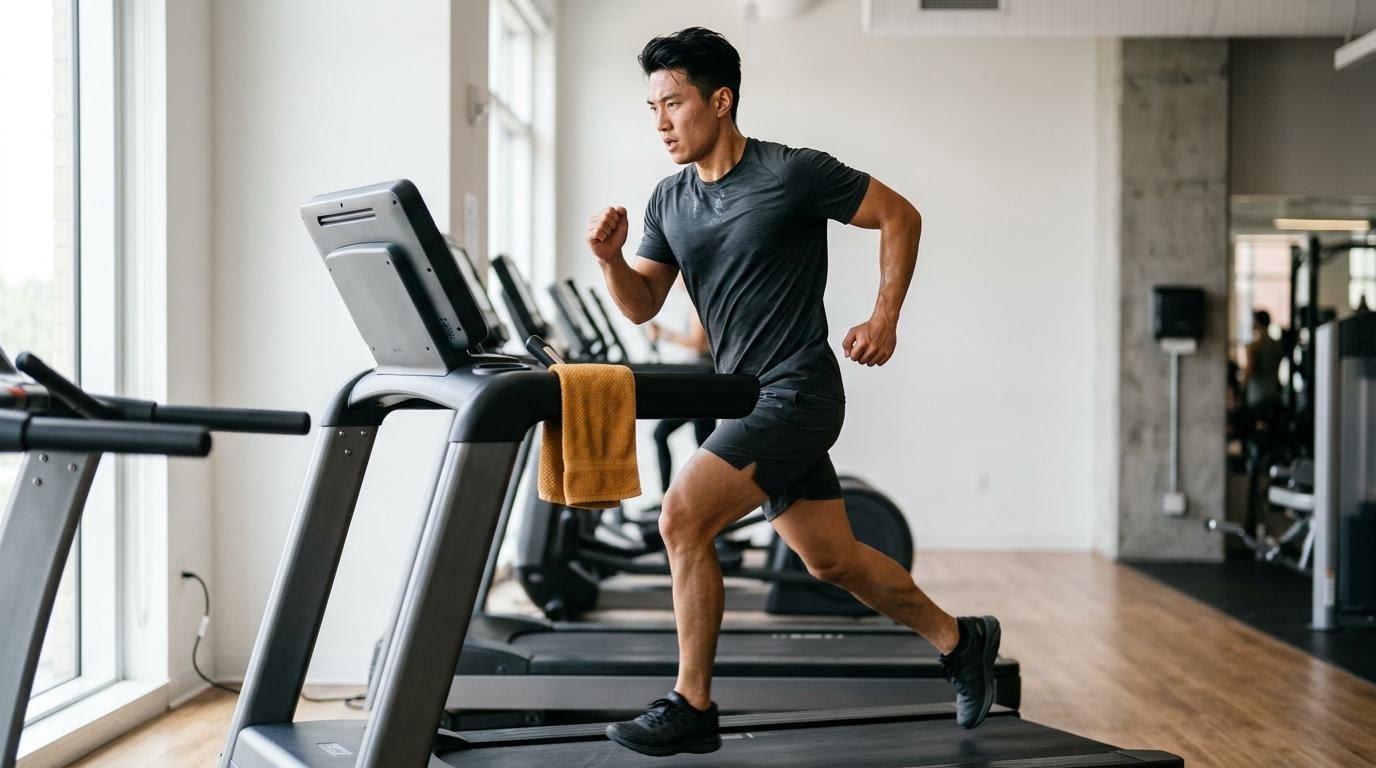
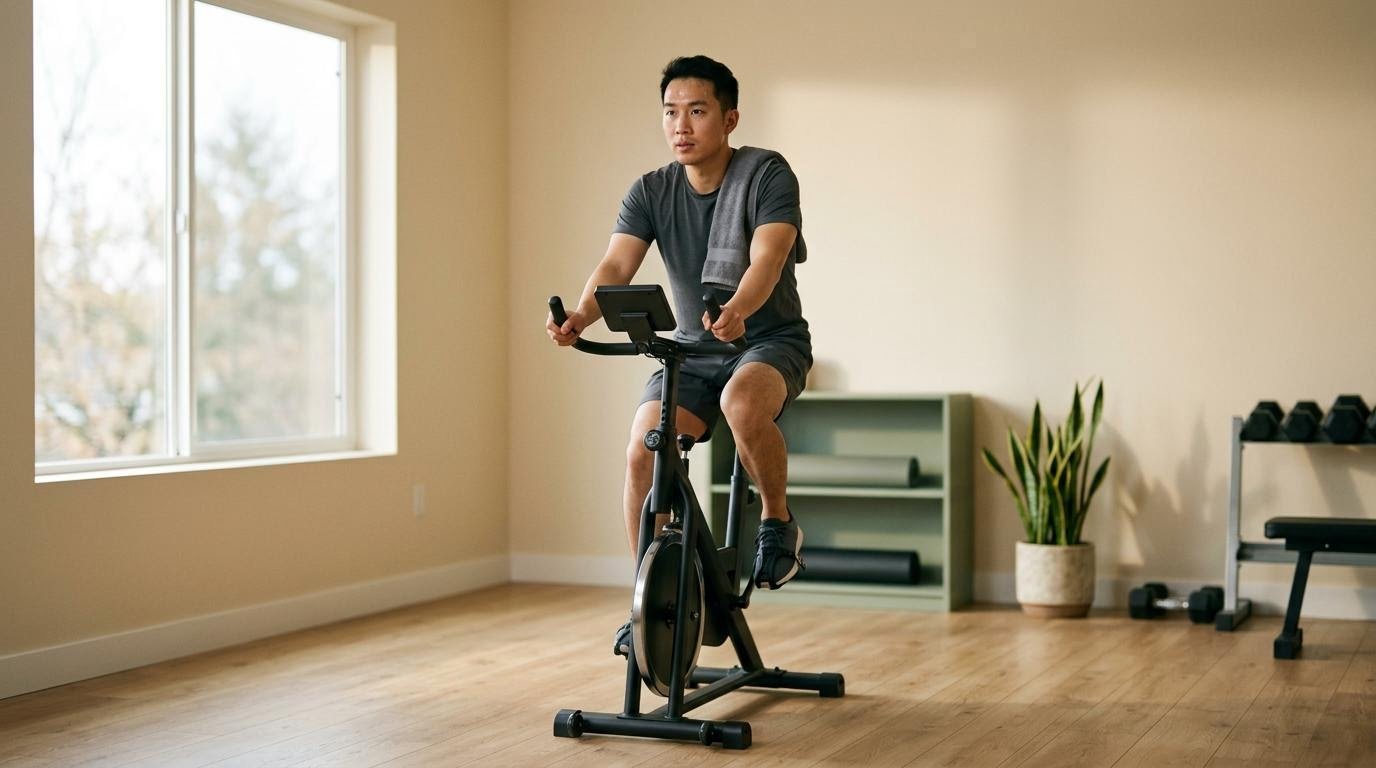
This also explains why cardio alone tends to underdeliver for people specifically chasing cellulite improvement, even though cardio is genuinely useful for overall fat loss. Running and cycling burn calories and support fat loss, but they don't load muscle tissue the way resistance work does, so they don't build the firmer underlying structure that visibly changes dimpling. If your only strategy has been treadmill sessions with no strength component, that's likely why the mirror hasn't matched the effort.
The Strength Training Moves That Target Cellulite-Prone Areas Most
Cellulite shows up most often on the thighs, hips, and glutes, which happen to be the exact muscle groups compound lower-body movements target directly. You don't need a specialized "cellulite workout." You need a real strength program aimed at those muscle groups, done consistently.
Squats
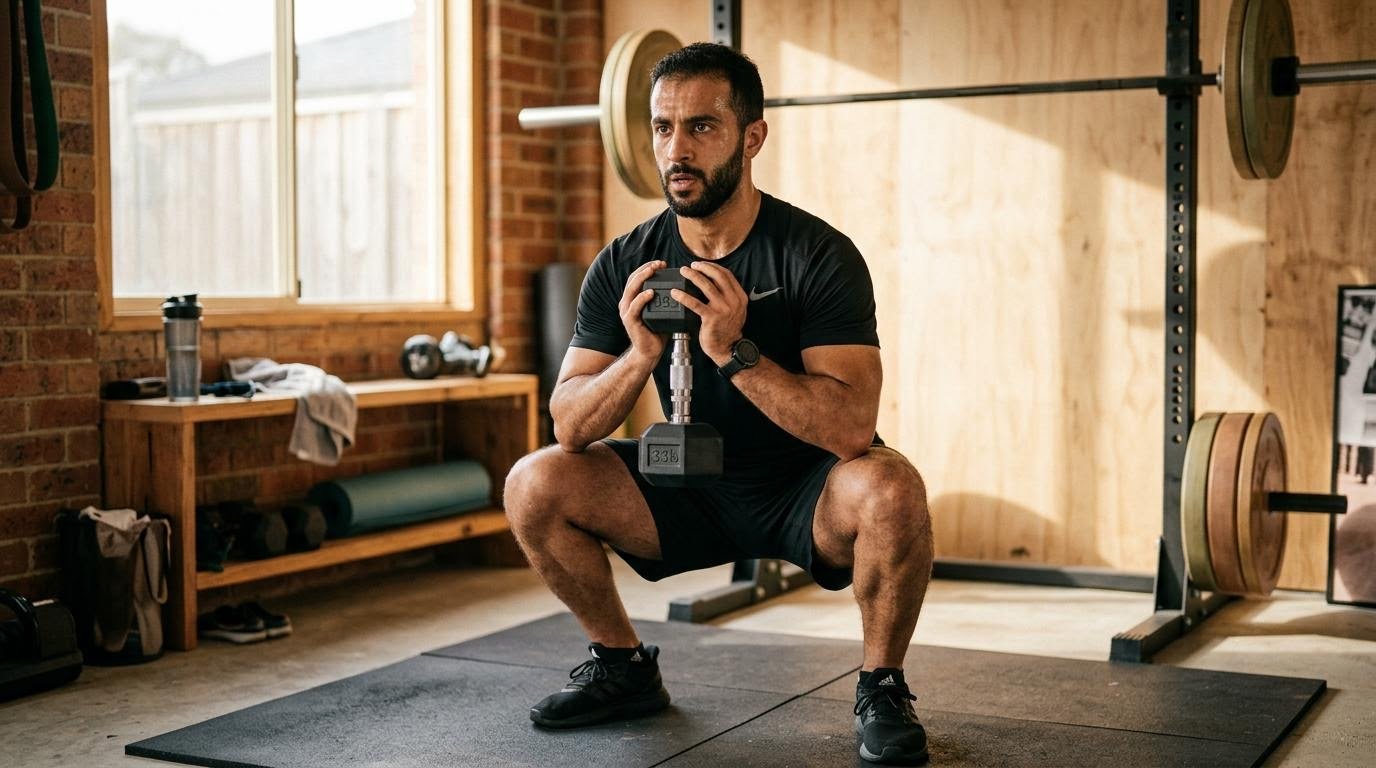
Squats work your quads, glutes, and hamstrings simultaneously, which makes them the single highest-value move for cellulite-prone areas. Start with bodyweight squats to lock in form: feet shoulder-width apart, weight in your heels, knees tracking over your toes, hips sitting back like you're reaching for a chair. Once bodyweight squats feel easy for 15 reps, add resistance with dumbbells held at your shoulders or sides.
Glute Bridges and Hip Thrusts
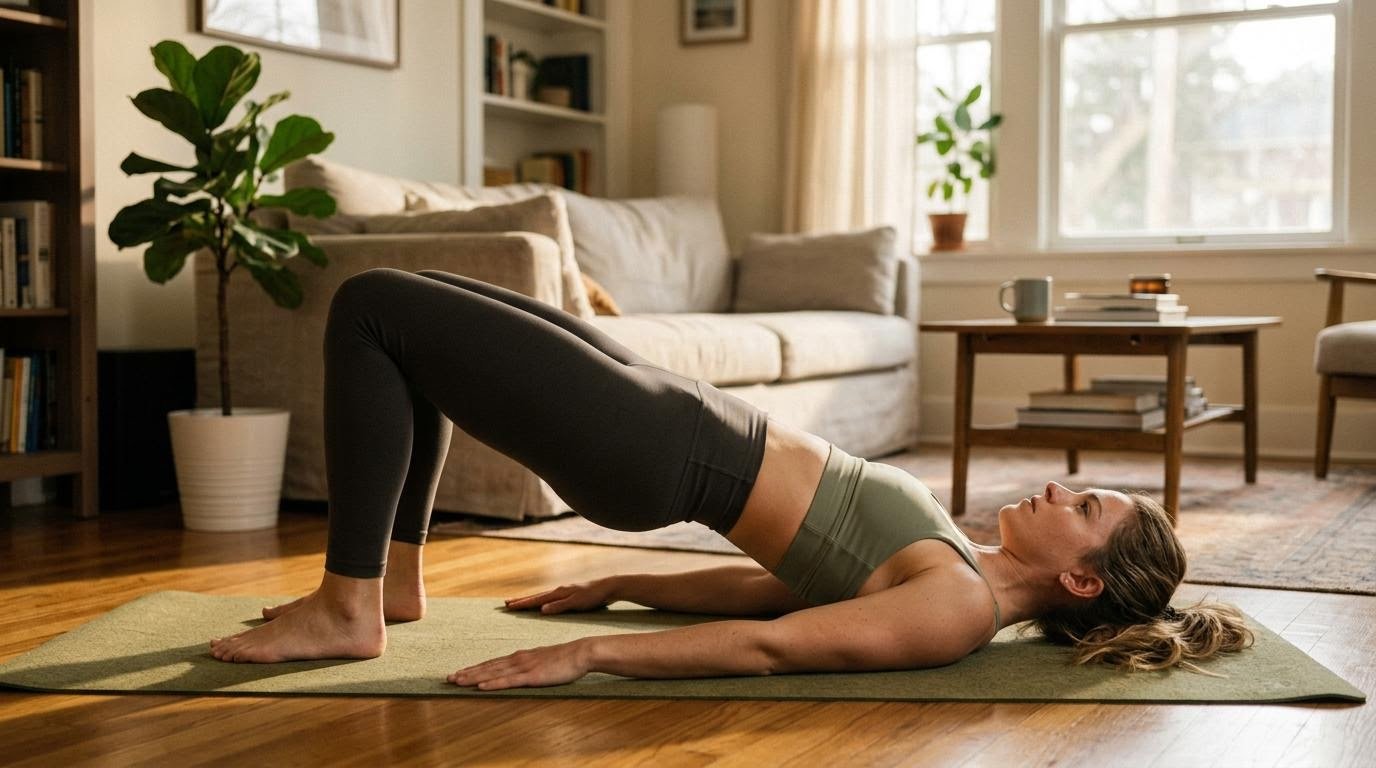
These isolate the glutes more directly than squats do, and the glutes are one of the most commonly cellulite-affected areas. Lie on your back, feet flat, knees bent, and drive your hips upward by squeezing your glutes at the top, not by arching your lower back. A resistance band placed just above the knees adds difficulty without any other equipment.
Reverse and Walking Lunges
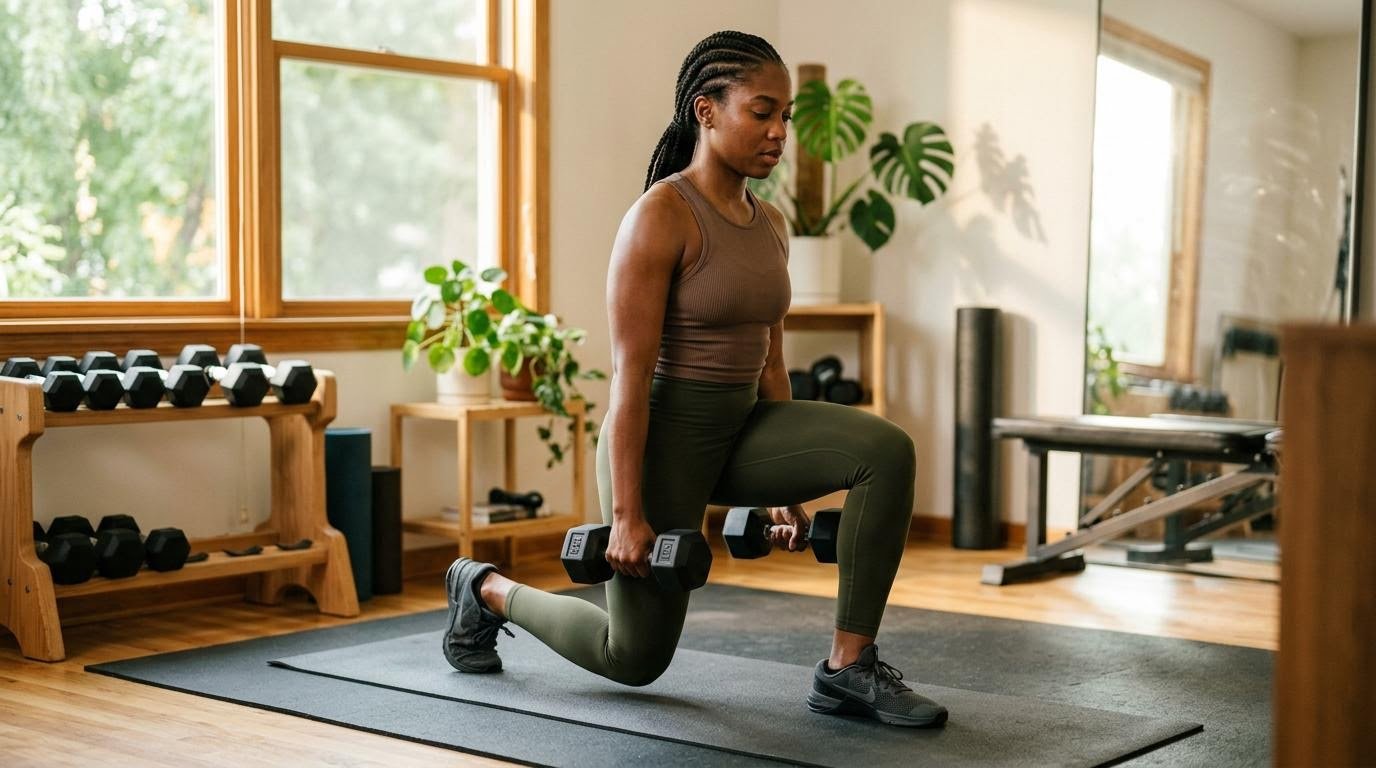
Lunges hit the same major muscle groups as squats but add a stability and balance demand that recruits smaller stabilizing muscles too. Step backward into a reverse lunge, lowering your back knee toward the floor while keeping your front knee stacked over your ankle, then push back to standing. Walking lunges add a forward-motion variation once the reverse version feels controlled.
Romanian Deadlifts
This move targets the hamstrings and glutes through a hip-hinge pattern rather than a squat pattern, which matters because varying the movement pattern trains the muscle group more completely than repeating the same motion. Hold dumbbells in front of your thighs, hinge forward from the hips while keeping a soft bend in your knees and a flat back, then squeeze your glutes to return upright.
Step-Ups
Step-ups load one leg at a time, which corrects strength imbalances between sides that bilateral moves like squats can mask. Using a sturdy bench or step, drive through the heel of your working leg to stand fully on the platform, then lower with control.
Two to three sets of 12 to 15 repetitions per exercise, which is the same rep range Mayo Clinic recommends for building muscle efficiently in most healthy adults, is enough for each of these. You don't need to chase failure on every set, and you don't need heavy weight from day one. Consistent, controlled reps with gradually increasing resistance over weeks is what builds the muscle tone that actually shows up in the mirror.
A Realistic 8-Week Strength Training Plan For Cellulite-Prone Areas
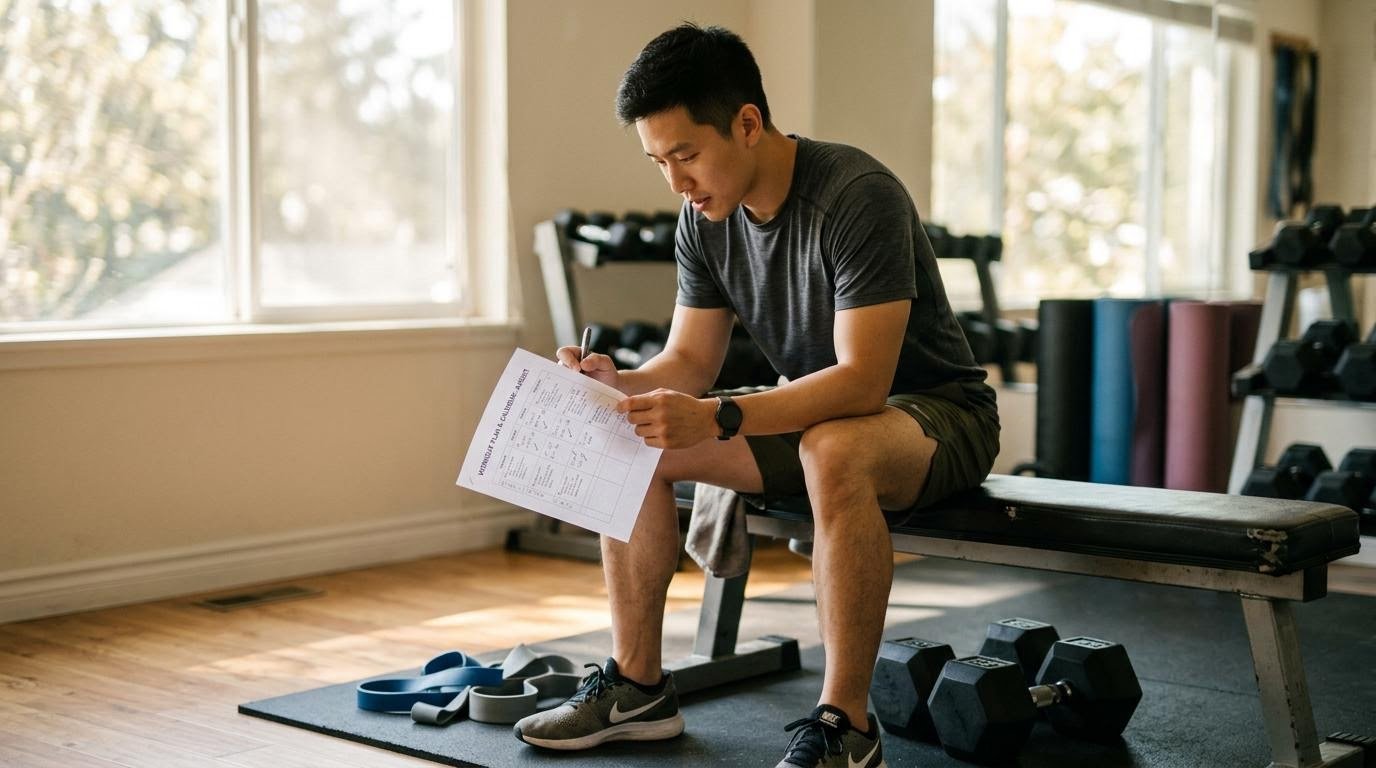
Here's a structure that respects the CDC's baseline of muscle-strengthening activity on two or more days a week covering all major muscle groups, without overwhelming a beginner's schedule.
Weeks 1 to 2: Foundation. Two lower-body sessions a week, bodyweight only. Squats, glute bridges, reverse lunges, and step-ups, two sets of 12 reps each. The goal here isn't muscle growth yet, it's learning correct form so that when you add resistance in week three, you're not reinforcing bad movement patterns under load.
Weeks 3 to 5: Add resistance. Same two sessions a week, now with dumbbells or a resistance band. Increase to three sets of 12 to 15 reps per move. Add Romanian deadlifts once your hip-hinge pattern feels stable from the glute bridges.
Weeks 6 to 8: Progressive overload. Bump to three sessions a week if your schedule allows, or keep two sessions but increase weight whenever you can complete all sets with clean form and a rep or two left in reserve. This is the phase where visible muscle tone changes start compounding, since your body has had five to six weeks to adapt to the new stimulus.
Rest at least one full day between sessions targeting the same muscle groups, since Mayo Clinic's strength training guidance is specific on this point: muscles need recovery time to actually get stronger, and training the same group without a break slows progress rather than speeding it up.
Health disclaimer: This guide is educational and isn't a substitute for individualized medical advice. If you're pregnant, recovering from an injury or surgery, or managing a chronic joint or connective tissue condition, talk with a doctor or physical therapist before starting a new strength training program, especially one involving added resistance.
What Else Actually Moves The Needle: Cardio, Diet, and Skin Care
Strength training is the highest-leverage single habit for cellulite appearance, but it's not the whole picture, and pretending otherwise sets you up to feel like a workout "failed" when a slower, multi-factor process was always going to take longer than a few weeks.
Cardio still matters, just not as the primary lever. Regular aerobic activity supports overall fat loss and circulation, which Cleveland Clinic lists alongside resistance training as part of what helps improve cellulite's appearance. It won't build the underlying muscle tone strength training does, but pairing two to three cardio sessions with your strength days covers both mechanisms at once. If you're building a full weekly plan around this, a full-body beginner routine that mixes both modalities is a solid template to adapt.
Weight matters, but only in one direction. If you're carrying extra body fat, losing some can reduce how much fat is available to push against the connective tissue, and Mayo Clinic lists weight loss alongside muscle toning as a self-care approach that may improve dimpled skin. But losing weight without any strength component often makes cellulite look more pronounced temporarily, since shrinking fat cells without maintaining the muscle underneath can leave skin looser rather than firmer. This is exactly why a structured fat loss exercise routine that includes resistance work, not just a calorie deficit, tends to produce a better-looking result than diet alone.
Skin quality plays a supporting role. Hydrated, elastic skin shows dimpling less dramatically than dry, thin skin does, partly because skin thickness affects how visible the underlying fat-and-tissue pattern is. This isn't a substitute for muscle work, but it's a genuine contributing factor worth not ignoring while you're focused on the training piece.
Watch how a sports medicine specialist explains building real strength and muscle mass, the same underlying process this article's plan is built around:
Mistakes That Quietly Sabotage Cellulite-Focused Strength Training
A handful of patterns show up constantly in people who train consistently and still feel disappointed by the mirror.
Expecting a timeline shorter than the tissue actually needs. Cleveland Clinic notes that exercise-based improvement in cellulite appearance generally takes at least two to three months of consistent effort, not two to three weeks. If you're judging a four-week strength program as a failure, you're judging it against a timeline the tissue itself can't meet.
Doing only isolation moves instead of compound lifts. Leg extensions and isolated glute work in small doses aren't wrong, but they build far less total muscle tone per session than compound moves like squats and Romanian deadlifts, which recruit multiple muscle groups at once. If your sessions are mostly single-joint isolation work, you're leaving a lot of the potential improvement on the table.
Skipping progressive overload. Doing the same bodyweight squats at the same rep count for eight straight weeks stops producing meaningful muscle adaptation after the first few weeks, once your body has adjusted to that specific stimulus. Adding resistance, reps, or sets gradually is what keeps the tissue changing rather than plateauing.
Treating strength training as a spot-reduction tool. You can't choose to build muscle only in cellulite-affected spots while ignoring the rest of your body. A full lower-body program, not isolated thigh-only work, is what actually delivers the muscle tone changes that improve cellulite's appearance across the areas that show it.
Under-fueling on training days. Building any new muscle tissue requires enough protein and overall calories to support it. A large calorie deficit combined with hard strength sessions tends to blunt the muscle-building response, which is the exact mechanism this whole approach depends on. If fat loss is also a goal, a moderate deficit paired with adequate protein works better than an aggressive one that starves the muscle-building process you're relying on.
None of this requires a gym membership or a specific "cellulite workout" program sold online. A consistent, progressively loaded strength routine aimed at your glutes, hamstrings, and quads, done for two to three months, is what the actual evidence supports. Strength training cellulite improvement is real, gradual, and entirely reachable with the plan above, even if it was never going to be the instant fix the internet keeps promising.
Frequently Asked Questions
Does strength training get rid of cellulite completely?
No. Strength training can improve the appearance of cellulite by building firmer muscle underneath the fat and connective tissue layer, but it doesn't eliminate the fibrous bands that cause dimpling in the first place. Cleveland Clinic is direct about this: cellulite can't be completely removed through exercise, only improved in appearance.
How long does it take to see results from strength training on cellulite?
Most guidance points to at least two to three months of consistent training before noticeable changes appear, based on Cleveland Clinic's timeline for exercise-based cellulite improvement. Muscle tone builds gradually, so a program judged after two or three weeks hasn't had enough time to show its real effect.
Which strength training exercises work best for cellulite on the thighs?
Compound lower-body movements that load the quads, hamstrings, and glutes together work best, including squats, reverse lunges, Romanian deadlifts, and glute bridges. These build more total muscle tone per session than isolated single-joint exercises and target the exact areas where cellulite shows up most.
Can cardio alone reduce cellulite better than strength training?
Cardio supports overall fat loss and circulation, both of which contribute to cellulite's appearance, but it doesn't build the muscle tone that specifically firms the layer beneath cellulite-prone skin. A combination of cardio and resistance training outperforms either one alone for this goal.
Does losing weight make cellulite look worse before it gets better?
It can, temporarily, if fat loss happens without any accompanying strength training. Shrinking fat cells without building the muscle layer underneath can leave skin looking looser rather than firmer, which is one reason pairing weight loss with resistance work tends to produce a better visual result than dieting alone.
Do only overweight people get cellulite?
No. Cellulite is caused primarily by the structure of connective tissue bands beneath the skin, not by body weight, which is why very lean people can have visible cellulite too. Between 80% and 90% of women develop some degree of cellulite regardless of fitness level, according to Cleveland Clinic.
References
- Cleveland Clinic — Cellulite: What It Is, Causes, Location and Treatment, 2021
- Mayo Clinic — Cellulite - Diagnosis and Treatment, 2023
- Roe E, Serra E, Guzman G, Sajoux I — Structural Changes of Subcutaneous Tissue Valued by Ultrasonography in Patients with Cellulitis Following Treatment with the PnKCelulitis Program, Journal of Clinical and Aesthetic Dermatology, 2018
- Mayo Clinic — Strength Training: Get Stronger, Leaner, Healthier, 2026
- Centers for Disease Control and Prevention — Adult Activity: An Overview, 2023