
If you've ever broken a 16-hour fast with a donut and spent the next two hours regretting it, you already know the stakes here. Getting the foods to avoid after fasting wrong doesn't just waste the work you put into your fasting window, it can leave you bloated, jittery, and hungrier an hour later than you were before you ate. The eating window is not a free-for-all reward round. What you put in your body first matters almost as much as how long you went without it.
Most people spend all their attention planning the fasting side of intermittent fasting and none on the refeeding side. That's backwards. Your digestive system, blood sugar, and gut lining all shift during a fast, and the first meal you eat back has an outsized effect on whether that shift works for you or against you.
Here's the part almost nobody explains upfront: your body isn't waiting on the other side of your fasting window like a light switch flipped back on. Gastric acid, digestive enzymes, and gut motility all ramp back up gradually rather than instantly, which means the first thirty minutes after you eat carry more weight than the rest of the meal combined. Get that window right and the rest of your day tends to follow. Get it wrong, and you spend the next few hours managing bloating, a sugar crash, or both, wondering why a fast that felt fine suddenly doesn't.
The Foods That Undo Your Fast Fastest
Some foods do more damage to your fasting results in the first bite than others do in an entire meal. These are the ones worth genuinely avoiding, not just moderating, right after you break a fast.
Refined carbohydrates and sugary drinks
White bread, pastries, sweetened cereal, and soda hit an empty stomach differently than they hit a stomach that's been steadily digesting all day. A pilot study on extended overnight fasting found that postprandial blood glucose after a standard meal was measurably higher following a longer fast than a shorter one, because insulin sensitivity is temporarily altered by the fasted state. The spike itself isn't dangerous for most healthy adults, but the crash that follows it is exactly what makes people reach for a second sugary snack an hour later, undoing the appetite control that was the point of fasting in the first place.
Fried and heavily processed foods
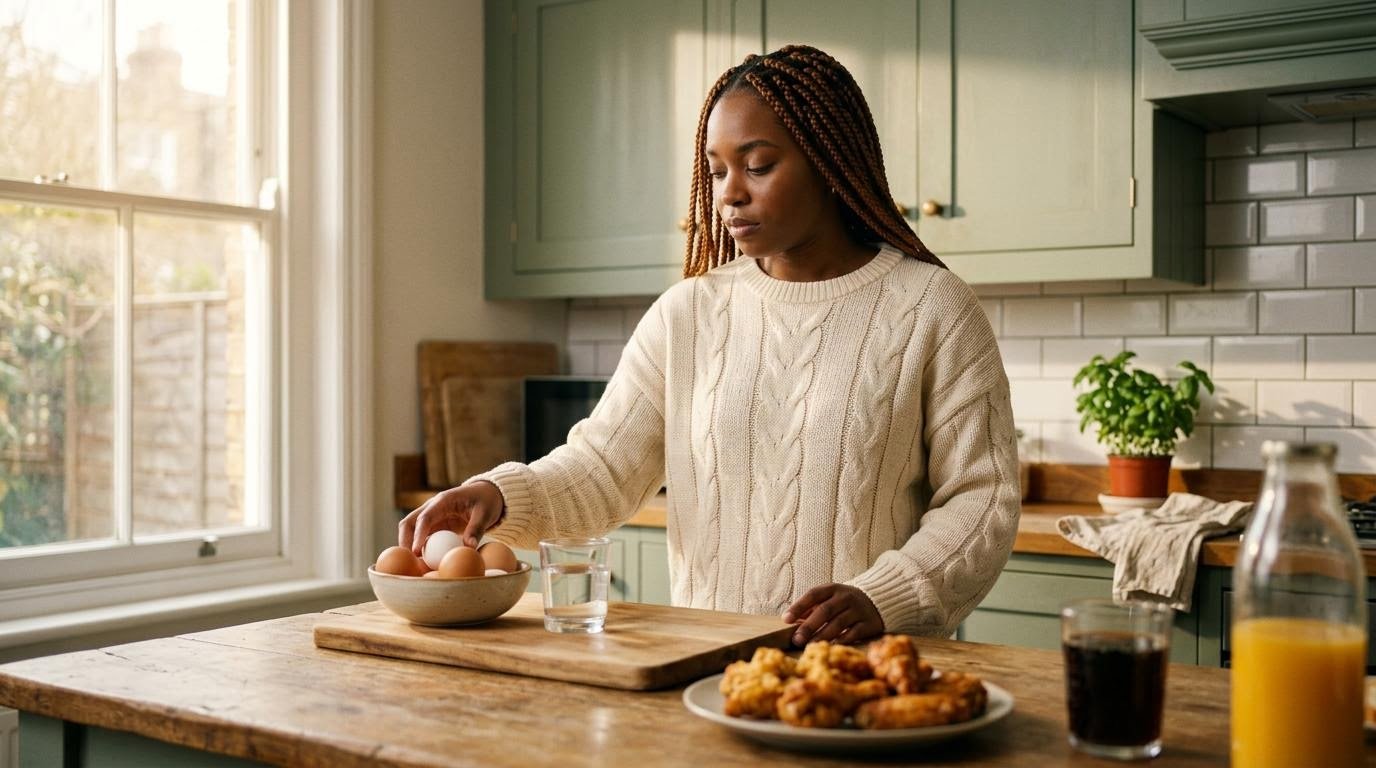
Fried chicken, chips, and fast food burgers ask your gut to do the hardest kind of digestive work at the exact moment it's least prepared for it. Fat slows gastric emptying under normal conditions, and stacking that on top of a stomach that hasn't processed anything in 14 to 18 hours is a common reason people report nausea or stomach cramping right after breaking a fast.
Alcohol
Breaking a fast with a drink is one of the fastest ways to feel it. Alcohol absorbs faster into an empty stomach, and the liver, which is already working to restore glycogen stores after fasting, gets pulled toward metabolizing ethanol instead. The combination is why people who drink on an empty stomach report a stronger and faster buzz, followed by a rougher next-day recovery, than people who eat something substantial first.
Very large meals in general
This one surprises people. It's not just what you eat, it's how much of it lands in one sitting. A meal that's unusually large for your stomach's current capacity, especially one heavy in fat and simple carbs together, is the single most common cause of the sluggish, overly full feeling people describe after "ruining" a fast with the wrong first meal. Cleveland Clinic hepatologist Dr. Nizar Zein advises spreading your calories over your next two meals instead of eating a huge meal right away, since a big meal right after a fast tends to cause rapid blood sugar swings and fatigue.

Why Refined Sugar and Fruit Juice Hit Harder Right After a Fast
I know what you're thinking: fruit juice sounds healthy, so why is it on a list of things to be careful with. The issue isn't the fruit, it's the missing fiber. Whole fruit slows sugar absorption because the fiber matrix has to be broken down before the sugar inside it reaches your bloodstream. Juice skips that step entirely, delivering a concentrated dose of fructose and glucose straight into a gut that's primed to absorb quickly after a fast.
A Harvard Health Publishing report quotes a Harvard School of Public Health nutrition researcher explaining that juice fluids are absorbed more rapidly and produce more dramatic swings in blood sugar and insulin than solid whole fruit, largely because juicing strips out the fiber, which is one reason a smoothie made with whole fruit behaves differently in your body than a glass of juice with the same calorie count. If you want fruit in your break-fast meal, keep it whole, or blend it with protein and fat to slow the absorption curve rather than drinking it stripped of everything that would normally slow it down.
This is also where a lot of well-intentioned fasting plans quietly fall apart. Someone fasts carefully for 16 hours, then treats a large glass of orange juice as a "healthy" way to break it, and ends up with a mid-morning energy crash that feels like it undoes the entire effort. It doesn't undo the metabolic benefits of the fast itself, but it does undercut the steady energy and appetite control that's usually the actual goal.
Fried and Ultra-Processed Foods Ask Too Much of a Digestive System That Just Restarted
Your gut doesn't switch back on instantly the moment your eating window opens. Digestive enzyme production and gastric motility ramp back up gradually, and ultra-processed foods, the kind loaded with emulsifiers, added sugar, and refined fat, are mechanically harder to break down than whole foods with similar calorie counts.
A narrative review from researchers at the NIH Clinical Center summarizes evidence that ultra-processed food intake is associated with changes in the gut microbiome, on top of the fact that these foods, loaded with emulsifiers, added sugar, and refined fat, are mechanically harder to break down than whole foods with similar calorie counts. That's a non-obvious point worth sitting with: two meals with identical calorie and macronutrient labels can behave completely differently in a body that just came off a fast, depending on how industrially processed the ingredients are. A fast food combo meal and a home-cooked plate of similar calories are not interchangeable choices for your first meal, even if the nutrition label numbers look close.
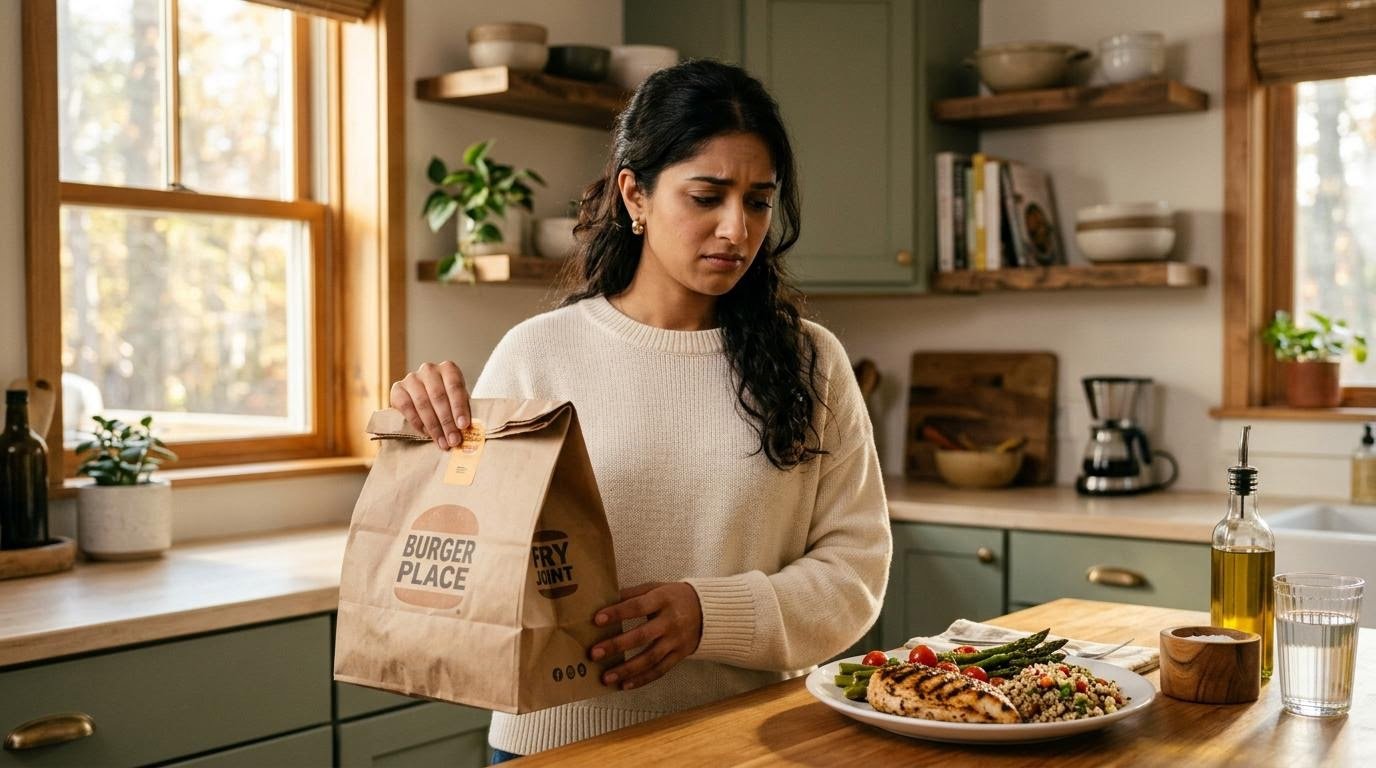
There's also a practical, immediate reason to skip the drive-through after fasting specifically: heavy grease and fried batter slow stomach emptying at a moment when your stomach is already working to recalibrate its normal rhythm, which is part of why fried food after a long fast is disproportionately likely to trigger nausea compared to the same food eaten mid-day on a normal eating schedule.

Alcohol on an Empty Stomach Amplifies Everything, Including the Hangover
This one deserves its own section because people underestimate it consistently. A glass of wine or a beer at the end of a fasting day doesn't behave like the same drink after a full day of normal eating. Alcohol is absorbed primarily in the small intestine, and without food already present to slow gastric emptying, it reaches your bloodstream faster and produces a higher peak blood alcohol concentration from the same amount consumed.
The National Institute on Alcohol Abuse and Alcoholism confirms that drinking alcohol on an empty stomach increases the rate of absorption, resulting in a higher blood alcohol level than drinking the same amount on a full stomach, which matters practically for anyone who fasts and then has a single evening drink as part of their normal routine. If alcohol is part of your life at all, eating a real meal, not a snack, before or alongside that first drink after a fast is a simple way to avoid a rougher-than-usual reaction to the same amount you'd normally handle fine.

Common Intermittent Fasting Mistakes That Wreck Your Break-Fast Meal
Beyond specific foods, there's a set of intermittent fasting mistakes that show up again and again in how people structure the meal itself, independent of what's actually on the plate.
Skipping protein entirely
A break-fast meal built almost entirely around carbohydrates, even healthy ones like oatmeal or fruit, leaves out the macronutrient that does the most to stabilize the blood sugar response and extend satiety. Protein slows gastric emptying and blunts the glucose spike from whatever carbs are eaten alongside it, which is exactly the mechanism most people are trying to protect when they avoid sugary foods after a fast in the first place.
Eating too fast because you're starving
Fasting genuinely increases hunger hormone signaling by the end of a long window, and eating quickly under that pressure means your body doesn't get the roughly 15 to 20 minutes it typically needs to register fullness. That lag is a well-documented reason people overeat at their first meal specifically, not because the food itself was wrong, but because the pace was.
Treating the eating window as unlimited
An eight-hour eating window filled with the same processed, low-protein food someone would eat anyway produces meaningfully different results than the same window filled with whole foods. The fasting schedule creates the opportunity for benefit; it doesn't automatically produce it regardless of what fills the hours you're allowed to eat.
Ignoring hydration during the fast itself
Mild dehydration by the end of a long fasting window can masquerade as hunger, and it also makes the first meal harder to digest comfortably. Drinking water consistently through the fasting window, not just at the very end, makes the transition into eating noticeably smoother.
Copying someone else's break-fast meal exactly
A fasting influencer's go-to first meal was built for their own tolerance, activity level, and history with fasting, not yours. Someone who's fasted consistently for two years can often handle a bigger, richer first meal than someone in their first month, without the same discomfort. Starting smaller than you think you need to and adjusting up over a few weeks, rather than copying a stranger's plate on day one, is the more reliable way to figure out what actually works for your own body.

What to Eat Instead: Bone Broth, Eggs, and a Smoothie That Actually Works
The good news is that the better options aren't complicated or restrictive. They're just built around gentleness and protein instead of speed and sugar.
Bone broth is a genuinely useful first food for a lot of people. It's warm, low in fiber and fat, easy to digest, and carries electrolytes that support rehydration after a long fasting window without asking much of a gut that's just restarting. A cup of bone broth roughly 15 to 20 minutes before a fuller meal also takes the edge off the sharpest hunger, which makes it easier to eat the rest of your meal at a slower, more comfortable pace.
Eggs hit the protein target without the digestive weight of a fried or heavily seasoned dish. Two scrambled or soft-boiled eggs deliver roughly 12 to 13 grams of protein along with choline and healthy fat, and their soft texture is easy on a digestive system that hasn't processed solid food in over half a day.
A protein-and-fiber smoothie is the best option for people who prefer not to eat solid food right away. Blending whole fruit, a source of protein like Greek yogurt or a protein powder, and a handful of leafy greens keeps the fiber intact, which slows sugar absorption compared to juice while still going down easily. This is a meaningfully different choice than fruit juice specifically because nothing is stripped out in the blending process, the way it is when fruit is pressed or juiced.
| First Meal Choice | Digestive Load | Blood Sugar Impact |
|---|---|---|
| Bone broth | Very low | Minimal |
| Eggs | Low to moderate | Minimal, protein-stabilized |
| Whole-fruit protein smoothie | Low | Moderate, slowed by fiber and protein |
| Fruit juice | Low | Sharp spike, no fiber buffer |
| Fried food | High | Delayed spike, prolonged discomfort |
Source: Academy of Nutrition and Dietetics, general digestive physiology guidance

A Realistic Refeeding Timeline for Your First Hour Off a Fast
There's no need to overthink the sequence, but a rough order genuinely helps.
- First 10 to 15 minutes: something small and gentle. Bone broth, a few sips of an electrolyte drink, or a small piece of soft fruit. The goal is to signal to your gut that food is coming without demanding it process much yet.
- Next 20 to 30 minutes: your actual first meal, built around protein first. Eggs, a small piece of chicken, Greek yogurt, or the smoothie described above.
- The following hour or two: a normal, balanced meal once your first meal has settled and you're genuinely hungry again, not just eating because the window is open.
Eating in stages like this instead of one large meal immediately after fasting reduces the odds of the overly full, sluggish feeling that a lot of people mistakenly blame on fasting itself, when it's really a break-fast pacing problem.
If you're building out your broader fasting approach beyond just the first meal, this look at intermittent fasting weight loss results covers what a realistic timeline actually looks like across weeks and months, not just your first hour off a fast. And if hormonal timing is part of your picture, the considerations covered in intermittent fasting for women over 50 apply the same refeeding logic through a different physiological lens.
Health disclaimer: This article offers general guidance and isn't a substitute for individualized medical advice. If you have diabetes, a history of disordered eating, are pregnant or breastfeeding, or take medication that requires food, talk with a doctor before starting or adjusting an intermittent fasting routine, including how you structure your first meal after a fast.
Diet quality also shapes how your body handles the transition out of a fast, not just the timing. If your usual grocery choices lean heavily processed, it's worth reading how whole foods versus processed foods affects more than just heart health, since the same ultra-processed patterns that raise cardiovascular risk are the ones most likely to leave you feeling rough right after a fast.
Here's a short, doctor-sourced look at how fasting affects your body and what to keep in mind around safety.
Frequently Asked Questions About Foods to Avoid After Fasting
What foods should you avoid right after fasting?
Refined sugar, fruit juice, fried food, heavily processed snacks, and alcohol are the main categories worth avoiding right after breaking a fast. Each one either spikes blood sugar sharply, asks too much of a digestive system that just restarted, or absorbs faster than usual into an empty stomach.
Can breaking a fast too fast cause stomach pain?
Yes. Eating a large meal, especially one high in fat or fried food, immediately after a long fast is one of the most common causes of stomach cramping and bloating in people who fast. Easing in with something small and gentle before a full meal usually prevents this.
Is it safe to eat sugar right after a fast?
Small amounts aren't dangerous for most healthy adults, but sugar hits harder on an empty stomach because insulin sensitivity is temporarily altered by the fasted state. Pairing any sugar with protein or fiber, rather than eating it alone, blunts the spike and the crash that tends to follow it.
What's the best first meal after intermittent fasting?
Something gentle and protein-forward works best for most people: bone broth followed by eggs, a small piece of chicken, or a whole-fruit protein smoothie. These options are easy to digest and help stabilize blood sugar instead of spiking it.
How long should you wait before eating a full meal after a fast?
There's no strict rule, but easing in over 30 to 60 minutes, starting small before moving to a full meal, tends to feel more comfortable and reduces overeating compared to jumping straight into a large plate the moment your eating window opens.
References
- Extending the Overnight Fast: Sex Differences in Acute Metabolic Responses to Breakfast (National Institutes of Health, PubMed Central) — Read the study, 2020
- Harvard Health Publishing — Eating Fruit Is Better for You Than Drinking Fruit Juice, 2013
- National Institutes of Health, PubMed Central — Ultra-Processed Foods: A Narrative Review of the Impact on the Human Gut Microbiome, 2024
- National Institute on Alcohol Abuse and Alcoholism (NIAAA/NIH) — The Basics: Defining How Much Alcohol Is Too Much, 2025
- Cleveland Clinic — 6 Tips for Fasting Safely, 2024