


Somewhere between the influencer who dropped 15 pounds in three weeks and the friend who tried fasting and quit after five days feeling dizzy, the truth about intermittent fasting weight loss results is a lot less dramatic than either extreme. It's also more useful, because it's the version that actually holds up over months instead of collapsing the first time life gets busy.
If you've started a fasting window, or you're staring at your phone trying to decide whether 16:8 is worth trying, here's what the research and the realistic timeline actually show, including the part almost nobody puts in the headline. This isn't a pitch for fasting over any other approach. It's a straight answer to the question people actually ask a few weeks in: is this working, and how would I even know?

What "Working" Actually Looks Like With Intermittent Fasting Weight Loss
Most people expect the scale to move fast because fasting feels dramatic. Skipping breakfast, pushing your first meal to noon, closing the kitchen by 7pm, it feels like a big lifestyle shift, so it seems reasonable to expect a big number on the scale to match. That expectation is where most people get discouraged, not because fasting doesn't work, but because it works at the same pace as every other sustainable method of losing weight.
The Centers for Disease Control and Prevention recommends a gradual pace of about 1 to 2 pounds per week for weight loss that actually sticks, and that guidance doesn't change just because your calorie deficit came from a fasting window instead of counting macros. Intermittent fasting is a tool for creating that deficit, not a separate metabolic shortcut that bypasses it.
That reframe matters. If you walked in expecting fasting to unlock a faster kind of fat loss than a calorie deficit reached any other way, you're set up to quit at week two when the results look ordinary. Ordinary is actually the goal. Ordinary is what keeps working six months from now.
The 16:8 Method Produces the Most Consistent Early Results
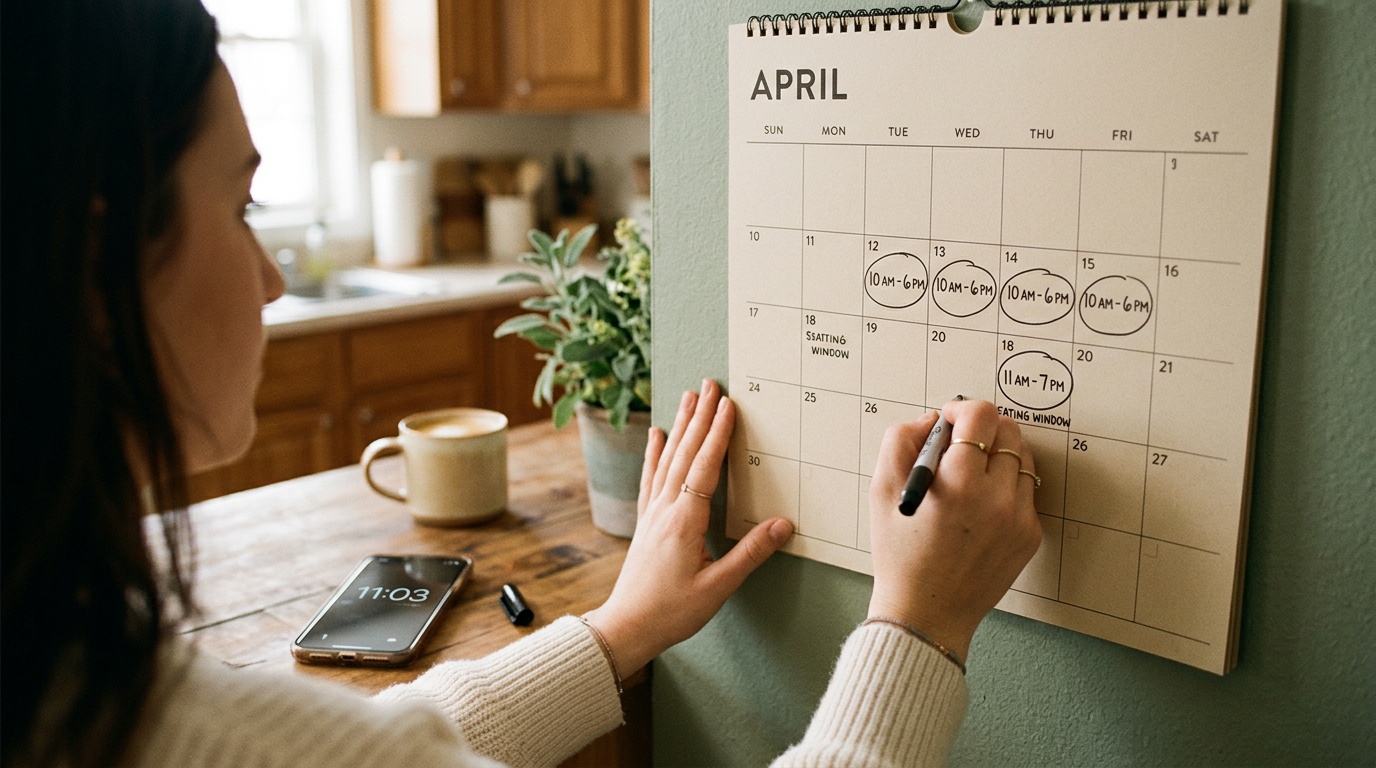
Of the various fasting schedules, daily time-restricted eating in a 16:8 pattern, sixteen hours fasting, an eight-hour eating window, shows up most often in the research and is the easiest for beginners to sustain, which matters more for actual results than which method looks most extreme on paper.
What a Realistic Week 1 to Week 4 Timeline Looks Like
Week 1 is mostly adjustment. Hunger cues shift, some people report headaches or irritability as the body adapts to a longer overnight fast, and any scale movement in this window is largely water and glycogen, not fat. Don't judge the method yet.
Weeks 2 through 4 are where a genuine calorie deficit, if you're maintaining one inside your eating window, starts to show as consistent, gradual loss. This is the window where the CDC's 1 to 2 pounds per week benchmark becomes the honest measuring stick, not a number pulled from a supplement ad.
Beyond week 4, results depend almost entirely on whether the eating window habit has become sustainable, or whether it's turned into a pattern of restriction followed by an evening of eating everything you skipped at breakfast and lunch. That second pattern is common enough that it deserves its own section below.
Picking a Window You'll Actually Keep
The specific hours of your eating window matter less than whether you can repeat them on a normal Tuesday, not just a calm Sunday with nothing on the calendar. Noon to 8pm tends to work well for people who skip breakfast naturally and want dinner with family or roommates. 10am to 6pm suits people who eat a bigger lunch and prefer a lighter evening. Neither is superior on paper. The one you'll still be doing in October is the one that matters, and that's a personal logistics question, not a metabolic one.
If you're also adjusting what you eat inside the window, not just when, pairing your eating window with a structured low carb diet sheet can make it easier to hit protein targets without overthinking every meal.
A common beginner mistake is starting with an aggressive 18 or 20-hour fast because a headline promised faster results. Faster adaptation problems, maybe. Faster fat loss beyond what the calorie deficit produces, not according to the research above. Starting at 14 or 16 hours and extending gradually if it feels sustainable tends to produce better long-term adherence, and adherence is what actually drives the number on the scale, month over month.
The Part Nobody Mentions: Most of Your First-Week Number Is Water, Not Fat
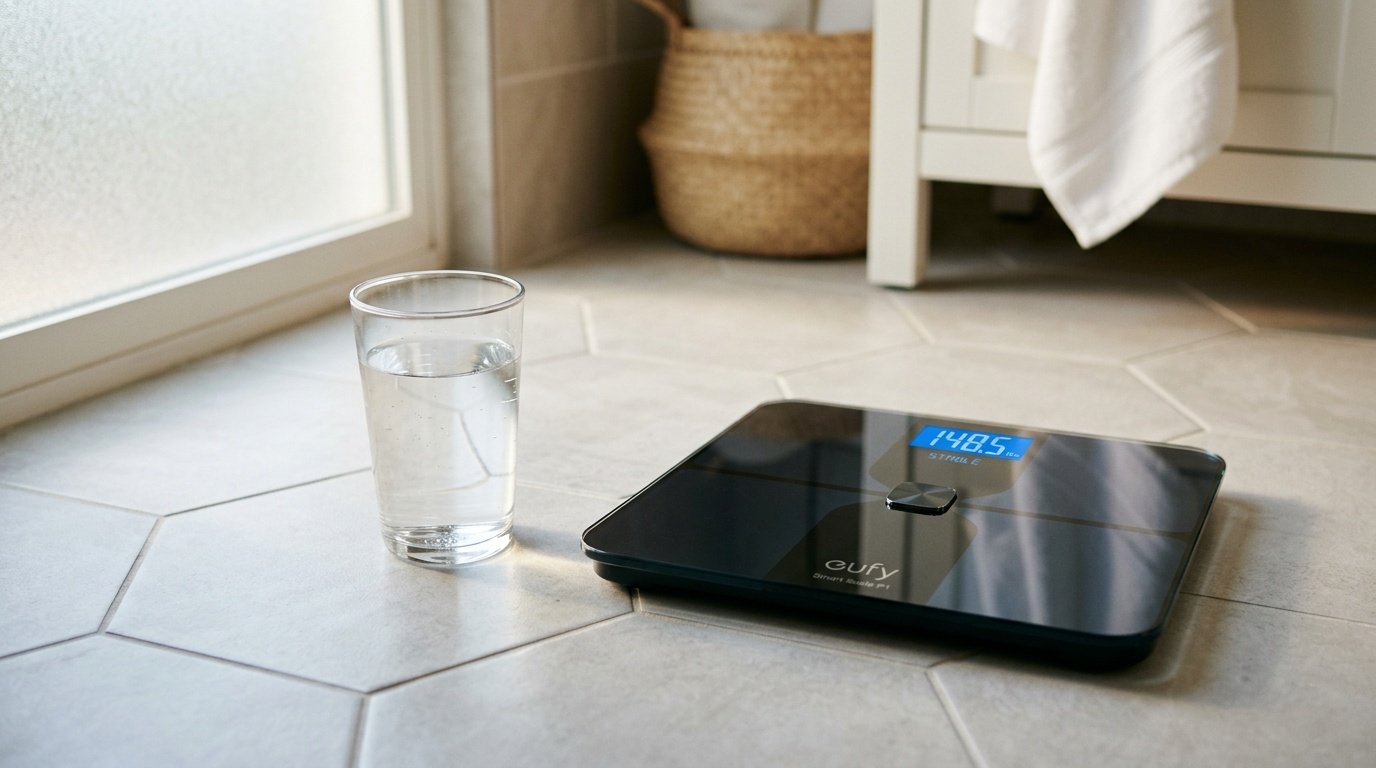
Here's the detail that gets buried under every "I lost 8 pounds in my first week" post: a meaningful chunk of early weight loss on any restricted-eating pattern is glycogen and the water bound to it, not body fat. Your body stores carbohydrate as glycogen in the liver and muscles, and each gram of glycogen holds onto roughly three to four grams of water. Cut your intake, especially carbohydrate intake inside a shortened eating window, and that glycogen store depletes, releasing water along with it.
This isn't a criticism of fasting, it's just biology that applies to nearly every diet change, and it's the reason first-week numbers are almost always more dramatic than second-month numbers. If your friend's 6-pound first week made you feel like you're doing something wrong at 1.5 pounds, you're not. You're probably seeing a more honest number.

Why Intermittent Fasting Weight Loss Results Stall After Week 3 or 4
This is the plateau almost everyone hits, and it's rarely about the fasting window itself. The most common cause is what dietitians sometimes call window creep: eating normally, or generously, during the allowed hours, which quietly erases the calorie deficit the shortened window was supposed to create.
Mayo Clinic's guidance on intermittent fasting makes this point directly: the key to losing weight with any fasting pattern is still not overeating during the eating window, since eating fewer calories than you burn remains the basic mechanism behind the loss, regardless of when those calories happen to land.
A second, quieter cause is under-eating protein. A shorter eating window makes it easy to fill up on convenient carbohydrate-heavy foods and skip the protein target that protects muscle mass during a deficit. Less muscle means a lower resting metabolic rate over time, which slows future progress even if the scale briefly looks fine.
A third cause, and one worth taking seriously rather than dismissing, is that stress and poor sleep raise cortisol and can blunt weight loss regardless of eating pattern. If you're fasting well but sleeping five hours a night through a stressful work stretch, the scale reflects that too.
None of these three causes mean intermittent fasting "stopped working." They mean the deficit narrowed or closed, which is the same reason any weight loss method plateaus, fasting included. The fix is rarely to fast longer. It's usually to look at what's actually happening inside the eating window: portion sizes, protein at each meal, and whether snacking crept back in during the hours you thought were off-limits.

What the Newest Research Actually Says About Timing vs. Calories
Here's the genuinely surprising finding, and it's the reason for this article's title. A randomized controlled trial out of Johns Hopkins University, published in 2024 in Annals of Internal Medicine, assigned 41 adults with obesity and prediabetes to either a 10-hour time-restricted eating window or a regular eating pattern, while holding total calories equal between both groups. The result: both groups lost a similar amount of weight. Meal timing on its own didn't produce an extra edge once calorie intake was controlled for.
That's not a knock against intermittent fasting, it's actually useful information. The researchers noted that people who do lose weight with time-restricted eating are most likely losing it because the shortened window naturally leads them to eat less, not because of some separate metabolic switch flipped on by the fasting hours themselves. If a shorter eating window makes it easier for you personally to eat less without white-knuckling every meal, that's a legitimate, sustainable reason to use it. It's just not a magic multiplier on top of the calorie math.
Johns Hopkins Medicine notes that some of the other proposed benefits of fasting, like improved fat oxidation and better blood sugar regulation, are still being studied separately from weight change itself, which is a useful distinction if your main goal really is the number on the scale rather than the broader metabolic picture.
There's also a version of this finding worth knowing even if you're not chasing weight loss at all. Researchers funded by the National Institutes of Health studied prediabetic men on an early time-restricted feeding schedule designed specifically so participants would not lose weight, and still found meaningful improvements in blood sugar control and blood pressure. The takeaway is that fasting's effects and weight loss are related but not identical, which is exactly the kind of nuance that gets lost in before-and-after photos.
Comparing the Three Most Common Fasting Methods
| Method | Pattern | Best For |
|---|---|---|
| 16:8 time-restricted eating | 16-hour fast, 8-hour eating window daily | Beginners; easiest to sustain long-term |
| 5:2 fasting | Eat normally 5 days, restrict calories sharply 2 days | People who prefer normal daily eating most of the week |
| Alternate-day fasting | Normal eating one day, minimal calories the next | Short-term use under guidance; harder to sustain |
Source: Mayo Clinic, intermittent fasting patient guidance
Want to see how a registered dietitian walks through the honest safety and effectiveness picture in under two minutes? This Mayo Clinic explainer is a fast, credible watch before you commit to a fasting window.

Who Should Not Try Intermittent Fasting for Weight Loss
Health disclaimer: Intermittent fasting is not appropriate for everyone. People who are pregnant or breastfeeding, anyone with a current or past eating disorder, people managing diabetes with insulin or other glucose-lowering medication, and anyone under 18 should talk with a doctor or registered dietitian before restricting eating windows. If you take medication that requires food, or you feel lightheaded, dizzy, or unusually irritable while fasting, stop and check in with a healthcare professional.
This isn't boilerplate caution for the sake of it. Mayo Clinic specifically flags people with a history of disordered eating, anyone at high risk of bone loss and falls, and pregnant or breastfeeding people as groups where intermittent fasting may not be a healthy pattern, regardless of how popular it is elsewhere. If any of that describes you, a steady, moderate calorie deficit without a restricted eating window is just as valid a path, and safer for your specific situation.
If you're managing a chronic condition, particularly diabetes, the medication timing questions alone make this a conversation for your care team rather than a decision to make solo based on an article, including this one. Some medical circumstances change eating recommendations entirely, for example, our guide on how much to eat after bariatric surgery follows a completely different framework than fasting windows, precisely because the underlying medical need is different.

Track More Than the Scale While You Wait for Results
Because early intermittent fasting weight loss results are so noisy, largely water shifts and daily fluctuation, the scale alone is a poor single measure of whether your eating window is working. A tape measure around the waist, how your clothes fit at the end of week four versus week one, and simple energy levels midafternoon are all more stable signals during the first month than a single daily weigh-in.
Waking energy and hunger patterns are also worth tracking. If you're consistently ravenous by hour twelve of your fast, or if your sleep has gotten worse since starting, that's useful data pointing toward adjusting your window length or your food choices inside it, not a sign to push through on willpower alone. Fasting that leaves you depleted every afternoon isn't more effective, it's just harder to sustain, and sustainability is the entire game here.

What Realistic Intermittent Fasting Weight Loss Results Look Like Six Months Out
By month three or four, if the eating window has genuinely become a habit rather than a diet you're white-knuckling, most people see the kind of steady, compounding loss the CDC's 1 to 2 pound weekly benchmark implies, five to ten percent of starting body weight over that stretch is a realistic, evidence-backed target rather than an underwhelming one. That range is also where the research shows real health benefits kick in, independent of how the number looks on a scale.
The honest version of intermittent fasting weight loss results looks less like a before-and-after transformation photo and more like a graph that trends down with normal week-to-week noise. That's not a disappointing outcome. It's the version that's still true a year from now, which is the only version that actually matters. For more on building habits that hold up past the first month, see our guide to sustainable weight loss habits that actually stick.
Frequently Asked Questions
What are realistic intermittent fasting weight loss results in the first month?
Most people see the fastest-looking drop in week one, largely water and glycogen rather than fat, followed by a more modest, steady loss of roughly 0.5 to 2 pounds per week from week two onward, provided a genuine calorie deficit is maintained inside the eating window.
Does intermittent fasting work if I don't track calories at all?
It can, for some people, because a shortened eating window naturally limits how much food fits in a day. But it isn't guaranteed. If your eating window includes large portions or frequent snacking, you can maintain your current weight or even gain, since the fasting hours themselves don't burn extra fat without an actual calorie deficit.
Why did my weight loss stop after a few weeks of intermittent fasting?
The most common cause is unintentionally eating more during the allowed window than you were eating across a full day before, which erases the deficit. Low protein intake, poor sleep, and high stress can also stall progress independent of the eating schedule itself.
Is 16:8 better than 5:2 or alternate-day fasting for weight loss results?
Research doesn't show one method producing dramatically better fat loss than another when calories are matched. 16:8 tends to produce more consistent real-world results simply because it's easier for most people to sustain for months rather than weeks.
Do women see different intermittent fasting weight loss results than men?
Individual response varies more by starting weight, hormonal status, and consistency than by sex alone, though some women report needing to adjust fasting length around their menstrual cycle or during perimenopause, when hunger and sleep can shift. Anyone noticing missed periods or unusual fatigue should check in with a doctor.
Is it normal for intermittent fasting weight loss results to plateau even while sticking to the plan?
Yes. Plateaus are a normal part of any weight loss method as your body adapts to a lower calorie intake and, often, a lower body weight that now requires fewer calories to maintain. Reassessing portions inside the eating window, protein intake, and activity level usually restarts progress.
References
1. Centers for Disease Control and Prevention — Steps for Losing Weight
2. Johns Hopkins University (Hub) — New Johns Hopkins study challenges benefits of intermittent fasting, 2024
3. Mayo Clinic — Intermittent fasting: What are the benefits?
4. Johns Hopkins Medicine — Intermittent Fasting: What Is It, And How Does It Work?
5. NIH News in Health — To Fast or Not to Fast, 2019