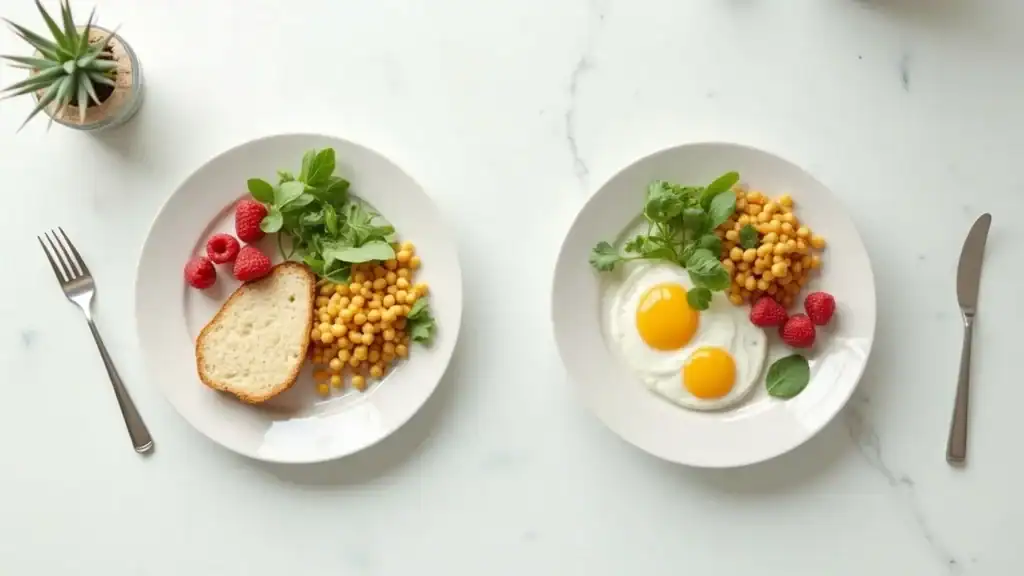

Did you know? Recent research has revealed that people who consume high levels of processed foods face a significantly greater risk of heart attack, even if their overall calorie intake stays the same as those eating mostly whole foods. With heart disease ranking as one of the world’s leading causes of death, understanding what’s on your plate could be more important than you think. This article breaks down whole foods vs processed foods—and explains which choice is safer for your heart.
A Surprising Truth: How Whole Foods vs Processed Foods Affect Heart Attack Risk
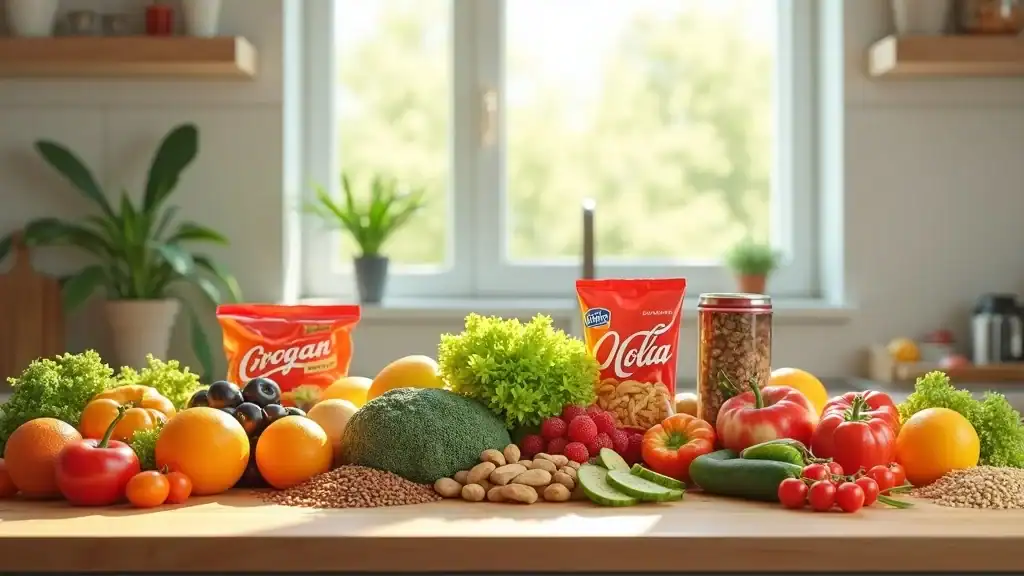
The modern diet has shifted dramatically over the last century. Today, processed foods make up more than half the average person’s daily calorie intake, and many don’t realize the dangers lurking in their favorite convenience meals. Scientific evidence overwhelmingly shows a connection between processed food consumption and heightened heart attack risk. In contrast, diets rich in whole foods—such as fresh fruits, vegetables, nuts, whole grains, and lean proteins—provide critical nutrients that help to protect against cardiovascular disease.
Understanding the impact of whole foods vs processed foods starts with recognizing how these foods interact with our bodies. Whole foods deliver vital fiber, vitamins, minerals, and healthy fats, all of which play a crucial role in supporting heart health. Processed foods, especially those high in empty calories, added sugars, and unhealthy fats, are linked to inflammation and chronic disease. Beyond the label, it’s the quality and source of our foods that make all the difference for long-term health and reducing heart attack risk.
What You’ll Learn in Our Whole Foods vs Processed Foods Comparison
The definition and categorization of whole foods and processed foods
The link between highly processed foods and cardiovascular health
How whole foods support overall health and reduce heart attack risk
Practical steps for healthy eating choices
Expert opinions on ingredient lists and empty calories in processed foods
Understanding Whole Foods vs Processed Foods: Definitions and Differences
Before you can make healthier choices, it’s vital to understand what separates whole foods from processed foods. While these terms often appear on food labels or health articles, their meanings—and health impacts—are significant. Whole foods are those close to their natural state, generally unrefined and unprocessed, while processed foods are altered by industrial processes that add salt, sugar, and artificial ingredients—often extending shelf life but diminishing nutrient content. Understanding this difference can help you choose a based diet that supports healthy eating and guards against chronic diseases like heart attack.
What are Whole Foods?
Whole foods are foods that are minimally processed or altered from their natural form. These include unprocessed grains like brown rice, quinoa, oats, fresh fruits, and vegetables, as well as lean protein sources like chicken breast or fish. Minimally processed foods might involve simple preparation steps—such as washing, chopping, or steaming—but do not have added sugars, preservatives, or artificial coloring. Consuming foods in their natural state ensures they retain vital nutrients, including fiber, vitamins, and healthy fats. Diets centered on these foods have consistently been linked to reduced rates of high blood pressure, lower cholesterol, and a lower risk of chronic disease—including heart attack.
Examples of minimally processed foods and their health benefits
What are Processed Foods?
Processed foods are those altered from their original form through physical, chemical, or industrial processes. While all processing isn’t inherently harmful (think frozen peas or canned beans), the greatest health risk lies with highly processed foods. These include sugary cereals, flavored snacks, frozen meals, and soft drinks—items densely packed with empty calories, minimal nutrients, and added sugar. Reading the ingredient list reveals a host of preservatives, emulsifiers, and artificial flavoring—all of which may play a role in negative cardiovascular outcomes. The further food strays from its natural form, the less likely it is to contribute positively to long-term health.
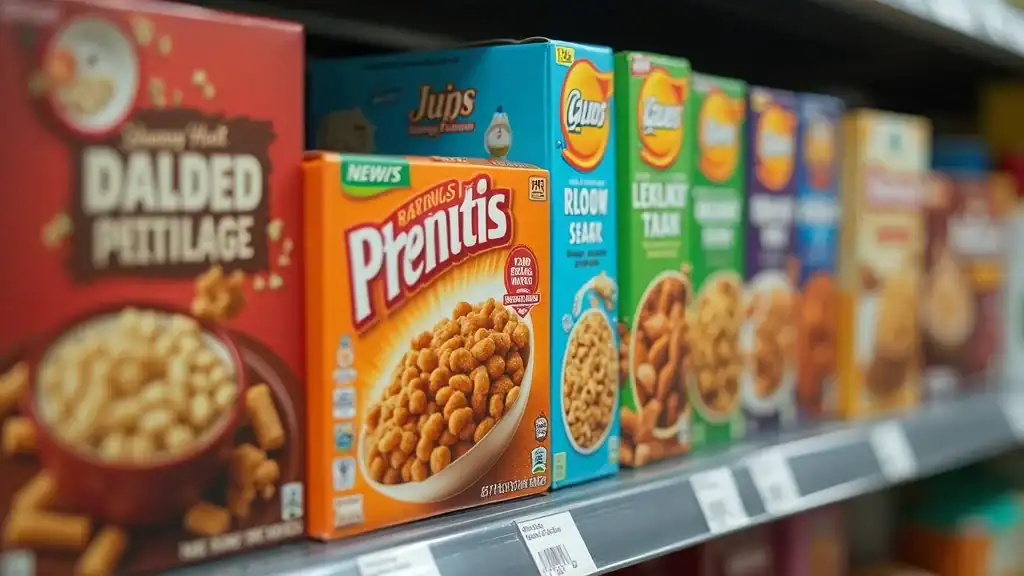
Explaining highly processed foods and empty calories
Reading the ingredient list: what to look for
| Category | Processing Level | Key Nutrients | Common Examples |
|---|---|---|---|
| Whole Foods | Minimally Processed | Fiber, Vitamins, Healthy Fats, Minerals | Fresh fruits, vegetables, brown rice, nuts, eggs |
| Processed Foods | Moderately to Highly Processed | Reduced Nutrients, Added Sugar, Unhealthy Fats | Soda, packaged snacks, instant noodles, frozen pizza |
Processed Foods and Heart Attack Risk: What Does the Evidence Say?
The link between processed foods and heart attacks isn’t just theory—it’s backed by a growing body of studies. Researchers consistently find that populations consuming higher levels of highly processed foods face significantly elevated risks for chronic diseases, including heart disease. Processed foods often contain large quantities of added sugars, unhealthy fats, and salt, all of which can promote high cholesterol, high blood pressure, and inflammation, setting the stage for heart attacks.
In fact, experts highlight that even “low-calorie” processed snacks can be misleading because they may pack a punch of empty calories—energy with little or no nutritional value. As a result, the body misses out on protective antioxidants, fiber, and minerals that unprocessed or minimally processed foods deliver. The importance of diet quality and ingredient source cannot be overstated when it comes to cardiovascular health.
Processed Food Consumption and Cardiovascular Health
Studies conducted over the past decade have solidified the connection between processed food intake and heart disease. Researchers have observed that high consumption of snacks, soft drinks, and highly processed foods often coincides with elevated levels of LDL cholesterol (the “bad” cholesterol) and triglycerides. On the flip side, people who regularly eat real food—such as fruits, vegetables, and whole grains—tend to have stronger cardiovascular profiles and are less likely to develop high blood pressure or experience heart attacks. Recent studies on processed foods and heart disease

Highly Processed Foods: The Problem with Empty Calories
One of the gravest nutritional risks with highly processed foods is that they’re predominantly made of empty calories. These foods are typically stripped of their natural nutrients during processing and enriched with added sugars and bad fats for taste, color, and shelf stability. Over time, regular consumption can lead to weight gain, insulin resistance, and increased risk of chronic diseases—all major contributors to heart attack.
How empty calories contribute to long-term health risks
“Research increasingly shows processed foods are a key factor in rising heart attack rates.”
Watch: Animated explainer: What makes processed foods dangerous for heart health?
For those looking to make practical changes, incorporating easy weight loss tips at home can be a helpful way to reduce processed food intake and support heart health. Simple strategies can make the transition to a whole foods-based diet more manageable—learn more in our guide on easy weight loss tips you can start today.
Whole Foods and Cardiovascular Protection: The Healthier Option?
When comparing whole foods vs processed foods, the benefits of a diet rich in whole, minimally processed food are clear. These foods are loaded with nutritional compounds—fiber, antioxidants, micronutrients, and healthy fats—that support the heart, regulate inflammation, and help balance cholesterol levels. Choosing a based diet centered on whole foods not only lowers the risk of a heart attack but also offers protection against diabetes, obesity, and other chronic diseases.
Nutrient Density in Whole Foods
Whole foods bring nutrient complexity that simply can’t be replicated in industrially processed foods. For example, a salad composed of leafy greens, tomatoes, avocados, seeds, and fresh fruit offers a powerful mix of vitamins, minerals, fiber, and phytochemicals that nourish the body at every level. These compounds have been proven to play a role in reducing blood pressure, inflammation, and oxidative stress—the underlying causes of heart attack. A healthy eating approach rich in whole foods translates to stronger heart health and more energy for everyday life.
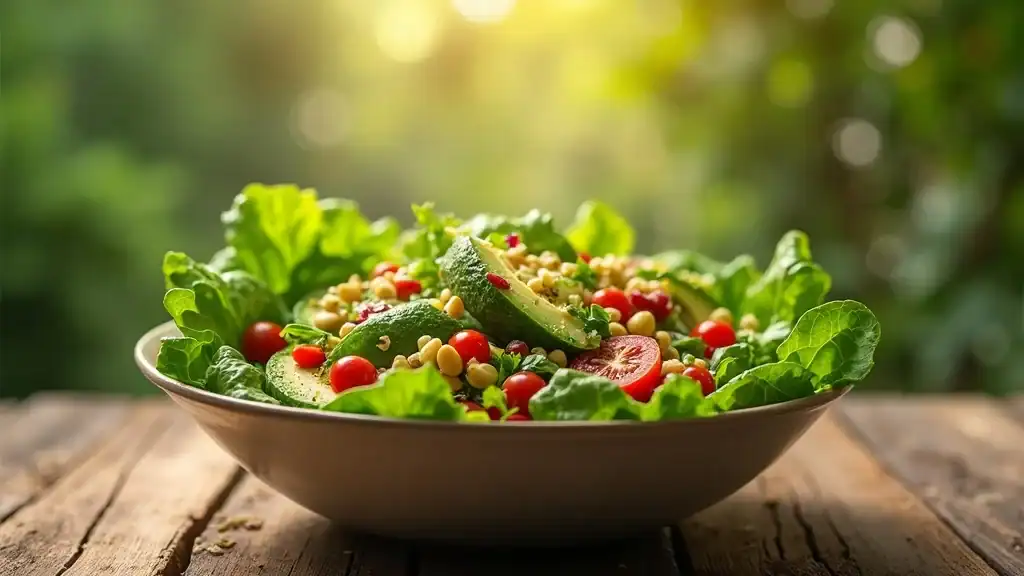
How nutrient-rich diets support healthy eating and reduced heart attack risk
Role of Minimally Processed Foods
It’s important to realize not all processing is bad. Minimally processed foods like frozen vegetables or canned beans—without added salt or preservatives—can be incorporated into a heart-healthy diet. The key is to prioritize foods where minimal processing hasn’t stripped them of their vital nutrients. These foods help fill dietary gaps, reduce prep time, and make healthy eating sustainable for busy lifestyles. In essence, combining mostly whole foods with a few minimally processed foods forms a balanced, practical approach to supporting cardiovascular health.
Minimally processed foods as part of a balanced diet
“Whole foods offer a natural shield against heart disease—science supports it.”
Reading Food Labels: Understanding Ingredient Lists and Hidden Risks
Knowing what’s really in your food is a powerful tool for protecting your heart. Ingredient lists hold the key to understanding the level of processing and the presence of additives, added sugar, and preservatives that might negatively affect cardiovascular health. By decoding these lists, consumers can make more informed, heart-healthy choices when faced with enticing packaging and advertising.
Decoding the Ingredient List on Processed Foods
To spot highly processed foods, start by examining the ingredient list. Short, simple lists typically indicate a more straightforward product with fewer additives, while long or complicated lists signal more intensive processing. Common warning signs include high-fructose corn syrup, hydrogenated oils, and words ending in “-ose”—all sources of empty calories and potential heart health hazards. By learning to interpret ingredient lists, you can easily eliminate foods that pose unnecessary risk to your heart.

Which additives and sugars are associated with a higher risk of heart attack?
Common Red Flags: Highly Processed Ingredients
Look out for preservatives (like sodium benzoate or BHA), emulsifiers (such as lecithin or mono- and diglycerides), and artificial flavors or colors. Research shows these ingredients, present in many foods vs processed foods, have been correlated with higher risks of obesity, high blood pressure, and poor cardiovascular function. If the ingredient list includes many unrecognizable chemicals or long, scientific-sounding names, it’s wiser to look for healthier options.
Preservatives, emulsifiers, and other risks to cardiovascular health
| Ingredient | What It Means |
|---|---|
| Added sugars (corn syrup, dextrose, fructose) | Source of empty/reduced nutrients, linked to high blood pressure, heart disease |
| Artificial colors & flavors | Linked to inflammation, minimal nutritional value |
| Preservatives (BHA, sodium nitrate, sulfites) | Prolong shelf life but may negatively affect cardiovascular health |
| Trans & hydrogenated fats | Directly raise bad cholesterol (LDL) and increase heart attack risk |
Watch: Expert interview: How to spot highly processed foods in your grocery basket
Practical Tips for Healthy Eating: Choosing Whole Foods Over Processed Foods
Simple swaps to reduce highly processed foods in your diet
Trade soda for sparkling water with fresh fruit slices
Choose oatmeal or brown rice over sugary breakfast cereal
Swap packaged snacks for nuts, seeds, and fresh fruit
Opt for homemade salads over pre-made deli items
Meal prep strategies for heart-healthy eating
Batch-cook grains and proteins at the start of the week
Chop and portion fresh vegetables and fruits for grab-and-go snacks
Prepare dressings and sauces using olive oil, lemon, and herbs
Use a shopping list that prioritizes the outer aisles of the grocery store where whole foods are found

Expert Insights: Quotes on Whole Foods vs Processed Foods and Heart Health
“Choosing foods close to their natural form is your best line of defense against heart attacks.” – Nutritionist
“Empty calories from processed foods offer little protection to our hearts.” – Cardiologist
People Also Ask: Whole Foods vs Processed Foods
What are the 5 most processed foods to avoid?
Sugary soft drinks
Packaged cakes and pastries
Instant noodles
Processed luncheon meats/hot dogs
Packaged chips and salty snacks
These foods are commonly linked to higher blood pressure, elevated cholesterol, obesity, and increased heart attack risk due to excessive amounts of added sugars, unhealthy fats, and artificial ingredients.
What is the #1 unhealthiest food?
Experts often consider processed meats (e.g., hot dogs, bacon, deli meats) among the most harmful due to high levels of saturated fat, sodium, and preservatives. Regular consumption is linked to increased risk of heart attack, cancer, and other chronic diseases.
Eating these foods regularly can undermine even the best efforts toward healthy eating.
What is the 3-3-3 rule for food?
The 3-3-3 rule suggests aiming for three meals a day, eating no more than three processed food items per meal, and ensuring three servings of fruits and vegetables per day. This simple guideline helps encourage a greater intake of real food in its natural form rather than relying on convenience fare.
It’s a practical framework to help stay mindful of processed food consumption and support cardiovascular health.
Which two vegetables should not be eaten together?
Food science shows there’s no evidence that combining particular vegetables is directly harmful to your heart. However, focus on variety and preparation methods, such as avoiding frying or adding excessive unhealthy fats to otherwise nutritious produce. Variety is the true key to healthy eating.
Pair vegetables freely—just keep their preparation heart-healthy.
FAQs: Whole Foods vs Processed Foods and Heart Attack Risk
Can whole foods reverse the effects of a processed food diet?
While no diet can fully “reverse” years of unhealthy eating, shifting to a diet higher in whole foods can help reduce key risk factors for heart disease, such as cholesterol and blood pressure, and gradually improve overall cardiovascular health.Are all processed foods harmful to heart health?
No. Some minimally processed foods, such as plain frozen fruits or vegetables and plain yogurt, are still rich in nutrients and can be part of a heart-healthy eating pattern. The main risks come from highly processed foods with empty calories, sugars, and unhealthy fats.What are some sneaky sources of processed foods in a typical diet?
Popular items like flavored yogurt, flavored oatmeal, granola bars, ready-to-eat meals, and even store-bought salad dressings can contain surprising amounts of sugar, salt, and preservatives—even when they seem healthy at first glance.Does eating organic make a difference in heart attack risk?
While organic foods may have fewer pesticide residues, they are not necessarily lower in salt, sugar, or unhealthy fats. Prioritize whole and minimally processed foods, organic or not, for the best protection against heart attack.
Key Takeaways: Whole Foods vs Processed Foods for Heart Health
Whole foods consistently offer protective nutrients for cardiovascular health
Processed foods—especially highly processed—are linked to increased heart attack risk
Reading ingredient lists is crucial for making heart-healthy choices
Ready to Take Charge of Your Heart Health? Start choosing whole foods over processed foods today for a healthier future.
Conclusion: The best line of defense against heart attacks is a plate packed with whole, minimally processed foods. Prioritize real, nutrient-rich ingredients to power a heart-healthy lifestyle.
If you’re inspired to go beyond just food choices and want to build a truly sustainable, vibrant lifestyle, consider exploring the broader habits that contribute to lifelong wellness. Discover how a healthy lifestyle routine can amplify your heart health, boost your energy, and help you thrive every day. For actionable strategies and deeper insight, check out our feature on the secret of a healthy lifestyle routine for vitality—your next step toward lasting well-being.