


Startling Fact: Did you know that as little as 15 minutes of consistent beginner cardio can dramatically improve your cardiovascular health and accelerate weight loss—all without ever stepping foot in a gym?
If getting started on your fitness journey feels overwhelming, you’re not alone. The good news? A powerful cardio workout at home for beginners can change your life in less than a quarter of an hour each day—and you don’t need fancy equipment or a complicated plan. With the right approach and a clear, easy-to-follow routine, you’ll gain the energy, confidence, and results you’ve always wanted. Let’s dive into the science, the straightforward steps, and the motivation to make it stick.
Unlocking the Power of Cardio Workout at Home for Beginners: The Surprising Science Behind Rapid Results
“Did you know just 15 minutes of consistent beginner cardio can significantly boost cardiovascular health and accelerate weight loss— all without leaving your home?”
Start small, and you’ll be amazed at how quickly cardio workouts at home can transform your fitness level. Cardiovascular exercise, such as marching in place or performing low-impact moves, gets your heart pumping more efficiently—even in short sessions. Science supports that intervals as brief as 10 to 15 minutes can enhance cardiovascular health, improve heart rate variability, and burn calories, all of which contribute to better overall health and sustainable weight loss. When you skip the gym commute and carve out time in your living room, you make it easier to stick with regular physical activity, building a routine you can grow with at your own pace.
What’s more, home workouts empower you to tailor intensity and progression to your needs. With no equipment required, you rely on your body weight and simple moves like the squat jump or butt kicks. These foundational cardio exercises turn your living space into an effective training ground, helping prevent heart disease and boost your vitality with every session. The foundation for lasting change isn’t in length—it’s in consistency.
Why Cardio Workout at Home for Beginners Is More Effective Than You Think
Many people believe they must spend hours at the gym or own special equipment to see changes, but studies suggest that home-based beginner cardio workouts can ignite similar results. Why? Because the best cardio workout is the one you actually do. In a home environment, barriers like travel time and intimidation disappear, making it simpler to commit. This consistency not only strengthens your lower body and burns fat but also helps you develop lifelong healthy habits. Plus, being in your own space allows you to focus on the correct form and pacing without distractions—crucial for beginners keen to avoid injury and maximize their time.
The sense of accomplishment from finishing a 15-minute cardio routine at home is powerful. It jump-starts your metabolism, helps develop stronger core muscles, and brings rapid improvements in energy, mood, and self-confidence. As your fitness level rises, you can increase the intensity and experiment with new cardio exercises, ensuring your routine stays both challenging and fun.
For those looking to amplify their results and stay motivated, incorporating fitness challenges and reward systems can be a game-changer. Exploring how structured challenges and small incentives can boost your commitment is covered in detail in this guide on using fitness challenges and rewards to accelerate your progress.
How Cardio Exercise Benefits Your Body, Mind, and Motivation
Beyond burning calories, consistent cardio exercise has profound effects on all aspects of your well-being. Physically, these workouts improve your cardiovascular endurance and lung capacity, strengthen your core muscles and lower body, and lower your risk for conditions such as heart disease or diabetes. The rapid increase in your heart rate during exercise stimulates fat loss and encourages lean muscle development, which is a game-changer for beginners chasing healthy transformation.
Your mind gets a boost, too—endorphins released during physical activity fight stress and anxiety, helping you stay motivated and focused. Beginner-friendly routines with moves like march in place or squat jumps help you establish momentum, making the next session easier. The interplay of body and mind fuels lasting habit change, making a cardio workout at home for beginner not only accessible but genuinely transformative.
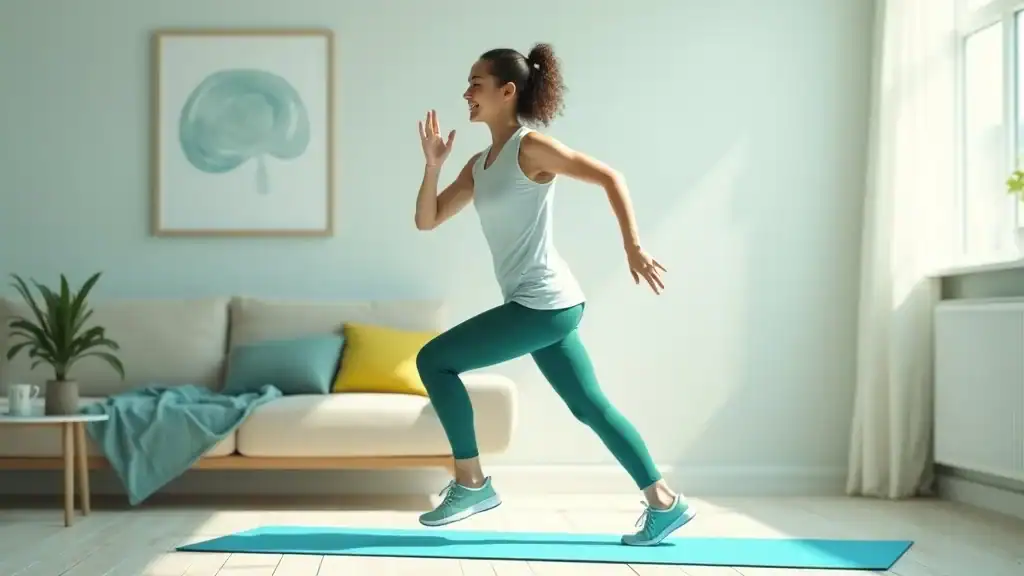
What You'll Learn in This Beginner Cardio Workout Guide
- The essential principles of an effective cardio workout at home for beginner
- Step-by-step fat-burning cardio exercises with no equipment
- Tips to maintain motivation and track progress
- Answers to common home workout and beginner cardio questions
Beginner Cardio Explained: What Makes Cardio Workout at Home for Beginners Unique?
Defining Cardio Workout and Cardio Exercises for Beginners
At its core, a cardio workout at home for beginner relies on moves that raise your heart rate while being gentle on your joints. These are dynamic, rhythmic activities—think of marching in place, jumping jacks, or a brisk walk modified within your living room. For those new to cardiovascular exercise, low-impact options like side lunges or standing mountain climbers are perfect starting points. Because you use your own body weight, there’s less risk of strain, but plenty of challenge to get your core muscle and other major muscle groups working. This beginner-friendly approach isn’t just about calorie burn—it’s about learning the basics, gaining confidence, and seeing results without stress.
What truly sets at-home cardio workouts apart is their flexibility and adaptability. Beginners can start slow, adjust intensity, and repeat movements as needed, building a foundation for more advanced routines over time. Whether you choose to break a sweat in the morning or squeeze in activity after work, your home workout adapts to your life—not the other way around.

How Cardio Exercise Activates Core Muscles and Supports Weight Loss
Performing a cardio workout at home for beginners does more than burn calories. Movements like high knees, squat jumps, and quick toe touches engage your core muscle with each repetition, providing an excellent core workout without extra equipment. These moves help stabilize and strengthen the trunk, supporting better posture and daily function. The combination of increased heart rate and muscle activation translates into more effective weight loss. Your body taps into fat stores as you maintain an elevated pace, while your metabolism enjoys a boost even after the session ends—a phenomenon called afterburn.
Many beginners are surprised at how quickly home workouts can pay off, provided they stick to the schedule. The synergy between cardio exercise and core muscle activation means each workout not only helps you lose weight, but also tones muscles and builds endurance, setting the stage for both immediate energy gains and long-term health rewards.
The Role of Squat Jump and Other Simple Moves in Home Workouts
The squat jump is a standout move in any beginner cardio workout because it combines lower body strength and explosive power. When you include squat jumps in your routine—even as a beginner—every rep strengthens your thighs, glutes, and core while ramping up your heart pumping and stoking your calorie burn. Other simple exercises like the march in place or butt kicks offer a low-impact way to increase your heart rate, making the workout accessible for all fitness levels with little risk of injury or overexertion.
Even if you’ve never done a cardio routine before, these exercises are easy to learn and progress. As your body adapts, you can increase the intensity by adding more reps, moving faster, or stacking several moves together. Mixing lower and upper body movements keeps the sessions energizing and well balanced—an ideal formula for cardiovascular health and gradual, sustainable weight loss.
No-Equipment Home Workouts: Setting Up for Your Cardio Workout at Home
- Clearing Your Workout Space for Effective Cardio Exercises
- Essential Preparations: Warm-Up for Optimal Beginner Cardio Results
- Creating a Distraction-Free Environment for Focused Home Workouts
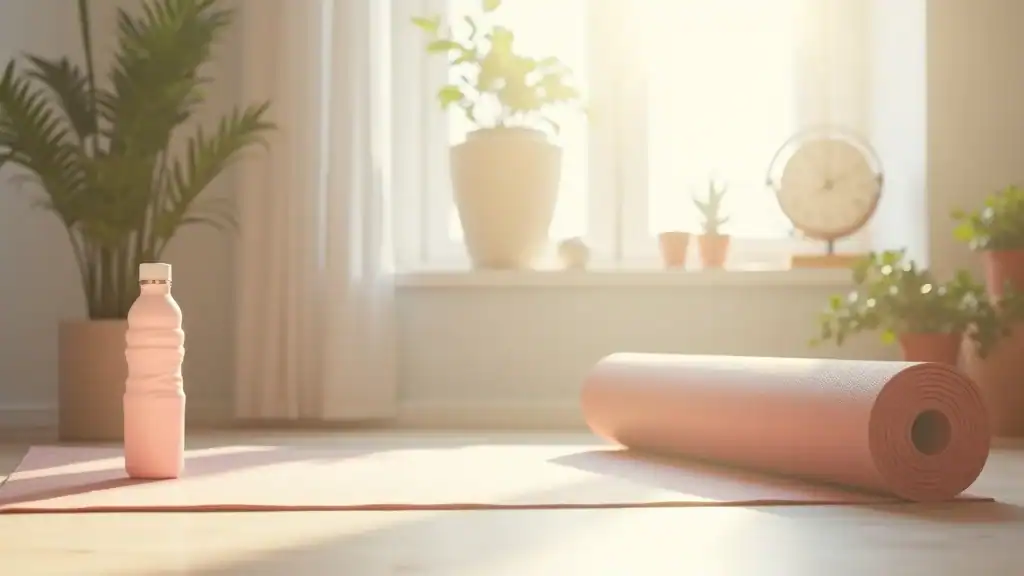
Preparing your environment sets the stage for a successful cardio workout at home for beginners. Begin by clearing enough room to move safely; a rolled-out yoga mat on a firm surface helps cushion your joints. Make sure any items you could trip over are put away. Position water close at hand to stay hydrated, and if possible, crack a window to let in fresh air and natural light. For optimal focus, turn off digital distractions—put your phone on silent or in another room. The more you create a calm and clutter-free space, the more you’ll find yourself looking forward to each session.
A brief dynamic warm-up is crucial for injury prevention and performance. Arm circles, light marches, or gentle leg swings help increase your heart rate gradually and signal your body that it’s time for movement. A prepared space and a quick warm-up routine ensure your beginner cardio workout starts on the right foot and is both safe and effective.
The 15-Minute Cardio Workout at Home for Beginners: Step-by-Step Routine
This simple yet powerful 15-minute cardio workout at home for beginner is designed to elevate your heart rate, recruit your core muscles, and torch fat—all while being gentle on your joints. The following routine is broken down exercise by exercise, so you can follow along regardless of your starting fitness level. Each move is performed for one minute, moving directly to the next, for a quick, effective session.
| Cardio Exercise | Duration | Muscle Focused | Tips |
|---|---|---|---|
| March in Place | 1 min | Full body | Lift knees high, swing arms |
| Jumping Jacks | 1 min | Core muscle, arms, legs | Land softly, arms overhead |
| Squat Jump | 1 min | Legs, core muscle | Explode upward, land with bent knees |
| High Knees | 1 min | Legs, core | Pump arms for intensity |
| Standing Mountain Climbers | 1 min | Core, shoulders | Quick knee lifts |
| Butt Kicks | 1 min | Hamstrings, cardio | Kick heels up with control |
| Alternate Side Lunge | 1 min | Glutes, inner thighs | Keep chest lifted |
| Standing Toe Touches | 1 min | Hamstring, core muscle | Repeat briskly |
| Modified Burpees | 1 min | Full body, cardio | Step back instead of jumping |
| Low Impact Punches | 1 min | Arms, core | Engage torso rotation |
| Fast Feet Shuffle | 1 min | Legs, agility | Quick, light steps |
| Step Touch | 1 min | Cardio, coordination | Add arm swings |
| Arm Circles | 1 min | Shoulders, upper back | Control motion, keep core tight |
| Shadow Boxing | 1 min | Arms, cardio | Punch quickly |
| Standing Cooldown Stretch | 1 min | Full body | Deep breaths, gentle stretching |

Expert Tips for Your Beginner Cardio Workout
"Consistency turns short home workouts into noticeable lower body strength, better endurance, and greater weight loss potential."
Building lasting change from a beginner cardio workout starts with a routine you enjoy and can sustain. Certified personal trainers agree that focusing on form and not rushing through the moves prevents injury and maximizes results. Personalize your session: modify movements as needed, and don’t be afraid to pause briefly if your heart rate spikes. Consistency is more important than intensity at the start. Remember, your body adapts quickly—over time, you’ll naturally be able to increase the intensity by adding repetitions, sets, or even extending the session a few minutes longer. Listen to your own cues, celebrate each milestone, and stay mindful of your growing energy and stamina after every home workout.

Why Choose a Cardio Workout at Home for Beginners?
- Safe space to learn proper form for cardio exercises
- Build confidence before advancing to longer or higher-impact beginner cardio workouts
- Flexible and cost-free: No gym membership or equipment needed
A cardio workout at home for beginner offers a supportive, flexible environment perfect for anyone new to exercise. Practicing moves like the squat jump, step touch, or arm circles at your own pace helps you master technique, reduce the risk of injury, and gain confidence without the pressure of an audience. There’s no need to invest in expensive gear—just comfortable clothing and enough space to move. This makes it much easier to maintain your routine long-term, especially when life gets busy. Home-based workouts enable you to start your journey privately and build toward greater physical activity and more advanced routines.
Real Results: Cardio Workout at Home Success Stories
Real people, real change: Many beginners have experienced significant transformation by embracing a consistent home workout routine. Whether aiming for weight loss, healthier habits, or improved energy, starting with short, daily sessions builds self-belief and results. Countless testimonials emphasize feeling fitter, sleeping better, and enjoying more confidence. The supportive environment of your home, paired with easy-to-master moves, creates a safe springboard for lifelong fitness.

How to Track Progress and Stay Motivated with Cardio Exercise at Home
Identifying Your Weight Loss and Fitness Goals
Setting clear, attainable goals is the foundation of a successful beginner cardio workout journey. Ask yourself: Are you looking to lose a specific amount of weight? Improve your heart rate during exercise? Or simply move more each week? Write down your goals and break them into manageable milestones, such as completing the 15-minute routine four times a week or holding a plank for longer durations. A clear vision helps you measure progress, troubleshoot setbacks, and remind yourself what you’re working toward.
Tracking small wins—like increased stamina or improved coordination—fuels your motivation, keeping you engaged and invested in regular home workouts. Celebrating these victories, no matter how minor, can be the difference between maintaining momentum and giving up too soon.
Tools and Journaling Tricks for Beginner Cardio Progress
Staying consistent and seeing progress is easier when you keep a record of your cardio exercise. Journals, fitness tracking apps, or even a simple wall calendar let you log each workout, make notes on your energy, or jot down new personal bests. Fitness watches that track heart rate, calories burned, or time spent in activity zones can provide extra data to fine-tune your routine. Recording both physical and emotional changes—such as sleeping better or feeling more upbeat—adds a new dimension to your achievements. Over time, your fitness journal will become a motivational tool, showing how far you’ve come and inspiring you to set new goals.

Simple Adjustments for Increasing Cardio Workout Challenge
Even the most effective routine needs tweaks to remain engaging and effective for weight loss and stamina gains. Once you’re comfortable with the 15-minute sequence, consider increasing the intensity by shortening rest between exercises, performing movements at a quicker pace, or adding intervals of higher-impact moves (like more squat jumps). Varying your exercise selection also helps target fresh muscle groups—swap in mountain climbers for jumping jacks or add an extra set of low impact punches. Don’t forget: every adjustment should match your fitness level and never compromise proper form. These simple tweaks keep your beginner cardio workout challenging, energizing, and continually rewarding.
People Also Ask About Cardio Workout at Home for Beginner
What is the best beginner cardio workout?
Answer:
"The best cardio workout at home for beginners is a mix of low-impact, full-body movements such as march in place, jumping jacks, and squat jumps."
Mixing full-body moves ensures you increase your heart rate effectively while keeping joint stress low. A routine comprising moves like march in place, jumping jacks, and squat jump targets multiple muscle groups, supports weight loss, and fits any schedule. Adjust intensity as you progress to keep your home workout both effective and enjoyable.
What is the 3 3 3 rule cardio?
Answer:
"The 3 3 3 rule refers to three days a week of cardio exercise, at moderate intensity, for at least thirty minutes per session. Beginners can adapt by starting with shorter routines."
This rule provides a simple way for beginners to structure their cardio workouts. Start with 15-minute routines, like the one outlined here, and gradually increase session length as endurance builds. Consistency over time leads to the best results in cardiovascular health and weight loss.
Is 20 minutes of cardio a day enough?
Answer:
"Yes, studies suggest 20 minutes of daily beginner cardio workout at home can effectively support endurance and weight loss, especially for those new to exercise."
Even just 15–20 minutes of focused cardio exercise can yield impressive gains. This duration is enough to improve heart health, boost metabolism, and build foundational stamina for more advanced routines should you choose to progress in the future.
How should a beginner start cardio?
Answer:
"Beginners should focus on low-impact cardio workouts at home three to four times per week, gradually increasing duration and intensity as fitness improves."
Start with basic moves, prioritize form, and pay attention to how your body responds. As your fitness level improves, introduce new exercises and slightly lengthen sessions to stay challenged yet safe. Routines like the one provided help beginners create structured habits and noticeable progress without overwhelm.
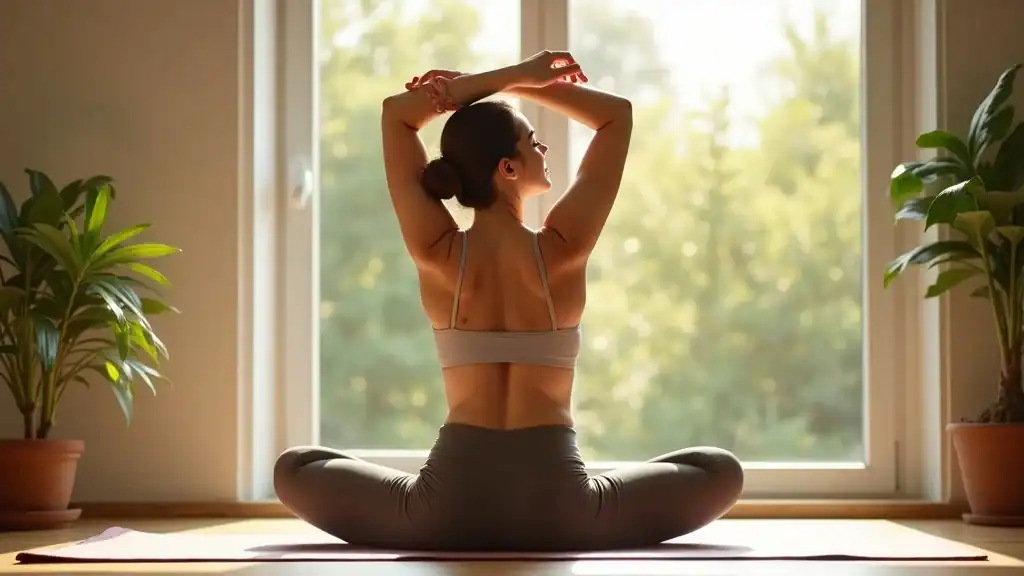
Essential Safety Tips for Cardio Workout at Home for Beginners
- Start with a dynamic warm-up and end with a cooldown
- Stay hydrated—keep water available during your home workout
- Listen to your body and rest as needed
- Use supportive footwear, even for home workouts
- Focus on form over speed or intensity, especially with squat jumps and new cardio exercises
Keep safety front of mind every time you work out. Skipping a warm-up can raise your injury risk, so spend a few minutes on light movement first. Throughout your beginner cardio workout, sip water to stay hydrated and pause if you feel dizzy, overly out of breath, or uncomfortable. Supportive sneakers cushion impact and prevent slips, even on home floors. Most importantly, never let speed take priority over good form, especially as you explore new movements like the squat jump or mountain climbers. These simple habits ensure your home-based cardio exercises stay safe, fun, and sustainable.

Frequently Asked Questions About Beginner Cardio Workouts at Home
- Can I do cardio exercises at home every day?
- How long will it take to see results with a beginner cardio workout?
- What are some alternatives if I have joint pain?
- Can a home workout replace the gym for cardio results?
"Beginner cardio workouts at home may be less overwhelming than the gym and help foster lasting habits for weight loss and a healthier lifestyle."
Can I do cardio every day? Beginners should aim for three to five sessions per week and allow for recovery time—your body needs rest to repair and adapt. How fast will I see results? Most people notice better energy and stamina after two weeks, while visible changes in weight loss or muscle tone typically occur within four to eight weeks. What if I have joint pain? Choose lower-impact moves like step touch or arm circles and skip jumping exercises. Is home cardio as effective as the gym? Yes! With the right structure and consistency, at-home routines can be just as effective for improving cardiovascular health and weight loss as gym workouts, especially for beginners.
Key Takeaways from This 15-Minute Cardio Workout at Home for Beginners
- A 15-minute home workout can deliver excellent cardio and weight loss benefits
- Beginner cardio focuses on safe, low-impact movements—no equipment needed
- Consistency and gradual progression are key for beginner cardio workout success
Ready to Burn Fat and Feel Great? Start Your Cardio Workout at Home for Beginners Today!
With just a small space, a willingness to move, and a positive outlook, you can ignite your journey to better health and confidence right from your living room. Start today—your future self will thank you!
If you’re inspired to keep building on your new cardio routine, consider exploring the broader benefits of daily movement for your body and mind. Discover how regular exercise can enhance your mood, sharpen your focus, and support long-term wellness in ways that go far beyond weight loss. For a deeper dive into the transformative power of consistent activity, check out this article on the hidden benefits of daily exercise—it’s the perfect next step for anyone ready to make fitness a lasting part of their lifestyle.