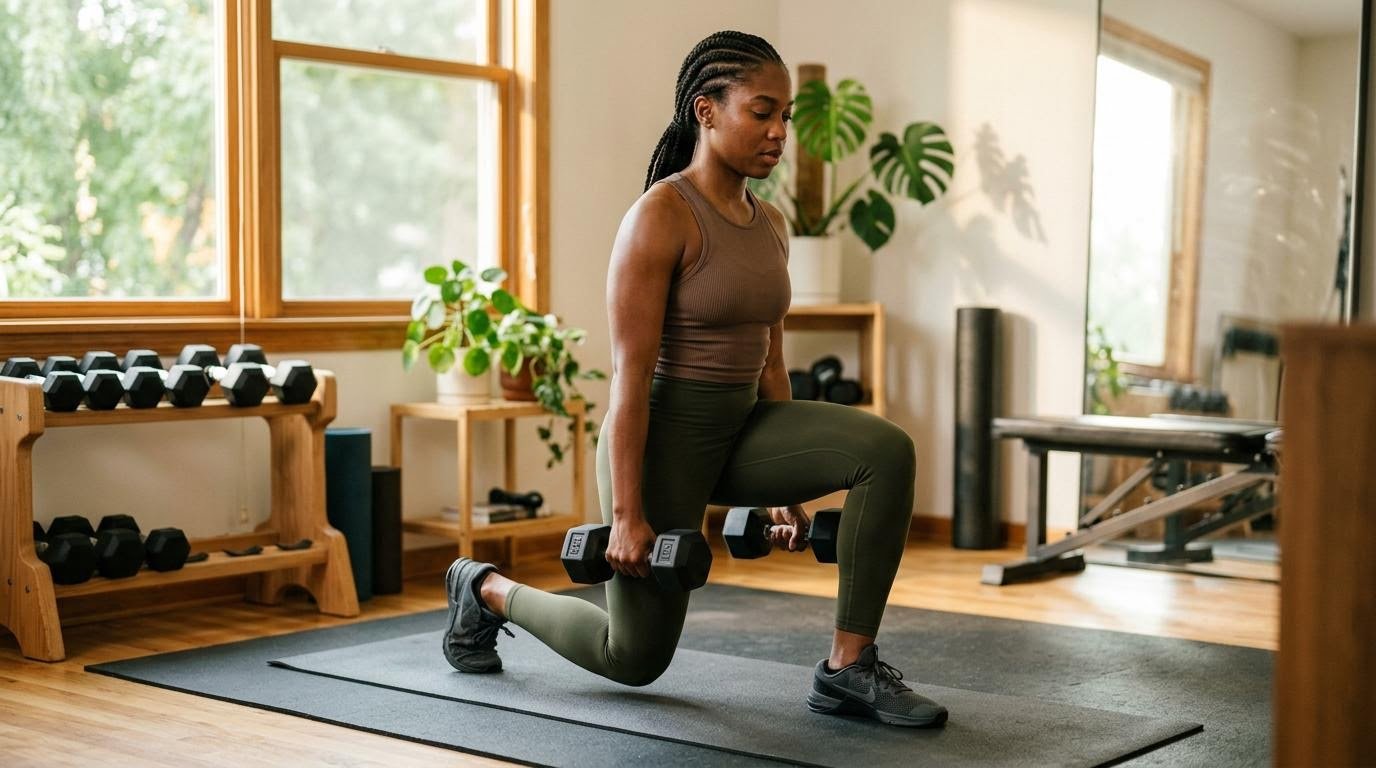


Picture two people who both want the same thing: a stronger, healthier body. One sets an alarm for 5:45 a.m. and is out the door before the coffee finishes brewing. The other doesn't feel human until 10 a.m. and trains best after the sun goes down. Both of them ask the same question eventually: what's the best time for workout results, actually? The honest answer is more nuanced than most fitness content lets on, and it's not the same for everyone.
Sports scientists have spent decades studying how the body's internal clock shapes strength, endurance, and fat metabolism throughout the day. The findings are real and worth knowing. But they sit alongside a second, less flashy truth: the workout you'll actually repeat next week beats the theoretically perfect one you do once and abandon. This guide walks through what the research says about morning, midday, and evening training, how your own chronotype changes the calculus, and how to build a schedule around your real life instead of an idealized clock.

Morning Workouts Win on Consistency, But Your Body Peaks Later in the Day
There's a reason so much fitness advice defaults to "just work out in the morning." Mornings are, for most people, the one part of the day that hasn't yet been colonized by meetings, kids' schedules, or the general chaos of being alive. Training before 8 a.m. also comes with a genuine physiological upside: it tends to regulate your circadian rhythm, which can improve sleep quality that same night, and it gets a dose of endorphins into your system before stress has a chance to build up.
But your muscles don't peak at sunrise. Body temperature climbs steadily from the moment you wake up and typically reaches its high point in the late afternoon or early evening, and warmer muscle tissue contracts more efficiently and resists injury better than cold tissue does first thing in the morning. According to Mayo Clinic Health System, oxygen uptake and fuel efficiency also tend to improve later in the day, which is part of why elite athletes often post their best times and lifts in the afternoon rather than at dawn.
What Happens Physiologically When You Train at Sunrise
Morning exercise, especially before eating, taps into different fuel sources than a midday or evening session. Blood sugar and glycogen stores are lower after an overnight fast, so the body leans more heavily on stored fat for energy during lower-intensity morning cardio. That's a real metabolic difference, not a myth, but it doesn't automatically translate into faster fat loss over weeks and months. Total calories burned and overall training consistency matter more for long-term results than which fuel source got used during any single session.
Why Body Temperature and Muscle Function Peak in Late Afternoon
If you've ever felt stiff and sluggish through the first ten minutes of a 6 a.m. workout, that's not in your head. Joint flexibility, reaction time, and grip strength all trend upward as the day goes on, cresting somewhere in the four to eight hour window before your normal bedtime. This is one reason many strength coaches schedule heavy lifting sessions for late afternoon whenever an athlete's calendar allows it.
Your Chronotype Decides Which Clock You Should Actually Train By
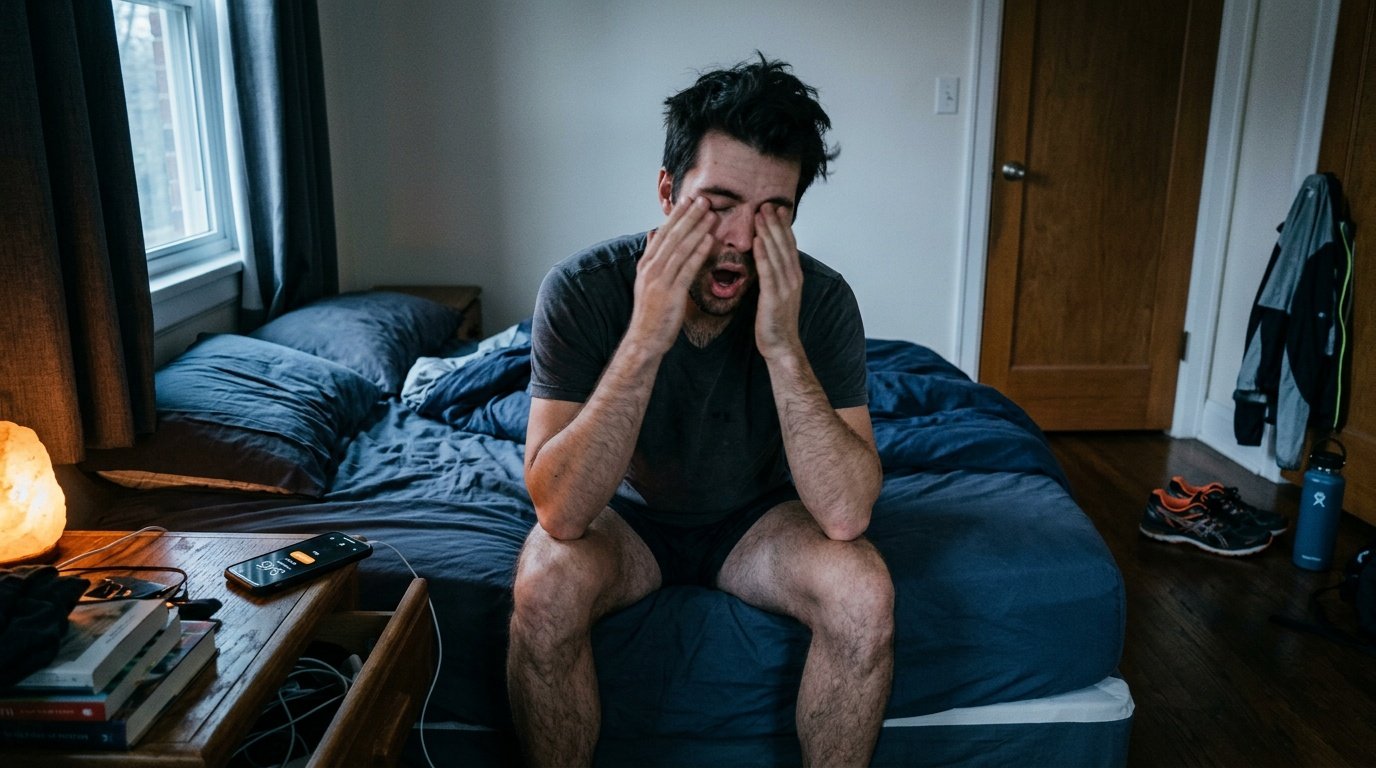
Chronotype is the technical term for whether you're naturally wired as a morning person or a night owl, and it's not just a personality quirk, it's a measurable difference in when your core body temperature, cortisol, and alertness rise and fall each day. Roughly speaking, about half of adults fall somewhere in the middle, while the rest lean clearly toward one extreme or the other.
Research on this is still evolving, but it points in a consistent direction. Harvard Health notes that people who schedule their training to align with their own chronotype may see better cardiovascular markers than those who force themselves into a mismatched slot, whether that mismatch is a night owl dragging themselves to a 5 a.m. class or a natural early riser trying to grind through a 9 p.m. session on empty willpower.
How to Tell If You're Wired as a Morning Lark or a Night Owl
You don't need a sleep lab to get a rough answer. Track two things for a week: the time you naturally wake up without an alarm on days off, and the hour you'd honestly say you feel sharpest and most motivated to move. If those two markers cluster before 9 a.m., you're probably a lark. If they cluster after 4 p.m., you're leaning owl. Most people land somewhere in between, which is good news, because it means the window that works is wider than the extremes suggest.
Matching Your Workout Type to Your Personal Energy Curve
Chronotype matters more for high-intensity, skill-heavy training (think heavy squats, sprint intervals, or a demanding class) than it does for a moderate walk or an easy bike ride, where almost any time of day works fine. If you're a night owl forcing yourself through max-effort lifts before your body temperature has caught up, you're working against your own biology. Save the highest-stakes sessions for whenever your personal energy curve peaks, and use the off-peak hours for lower-intensity movement instead.

Strength Training, Cardio, and Fasted Workouts Respond Differently to Timing
Not every type of exercise reacts to the clock the same way, which is part of why a single blanket rule never quite fits everyone's situation.
Why Afternoon Strength Sessions Often Out-Lift Morning Ones
If you're chasing personal records on the bench press or squat rack, the best time for workout in gym settings built around heavy strength training tends to land in the late afternoon to early evening window, when muscle temperature, joint lubrication, and reaction speed are all working in your favor rather than against you. This doesn't mean a morning lifter can't get strong, plenty do, but a body that's had several hours to warm up naturally has a small mechanical edge over one that's fresh out of bed.
A large-scale look at nearly 90,000 adults, summarized by Cleveland Clinic, found that afternoon exercise was associated with a lower risk of heart disease and early death compared with the same activity done in the morning or evening, a difference that was especially noticeable for men and older adults. That's a genuinely useful data point if your schedule is flexible enough to choose, though the same source is quick to add that the effect is modest next to the benefit of simply exercising regularly at all.
The Truth About Fasted Cardio and Fat Burning
Fasted morning cardio has a loyal following, and the underlying physiology is real: with glycogen stores lower after a night's sleep, the body pulls a larger share of its energy from fat during low-to-moderate intensity movement. Where the claims get overblown is the leap from "more fat burned during this one session" to "faster fat loss overall." Weight and fat loss are driven by sustained calorie balance across days and weeks, not by which fuel tank got tapped during a 30-minute jog. If fasted training makes you lightheaded, shaky, or unable to push intensity, a small snack beforehand is a reasonable trade, not a failure.
Eating and Sleep Timing Change the Math on When to Train
Two factors outside the workout itself, when you last ate and how close training sits to bedtime, often matter more for how a session actually feels than the hour on the clock.
How Long to Wait After a Meal Before You Work Out
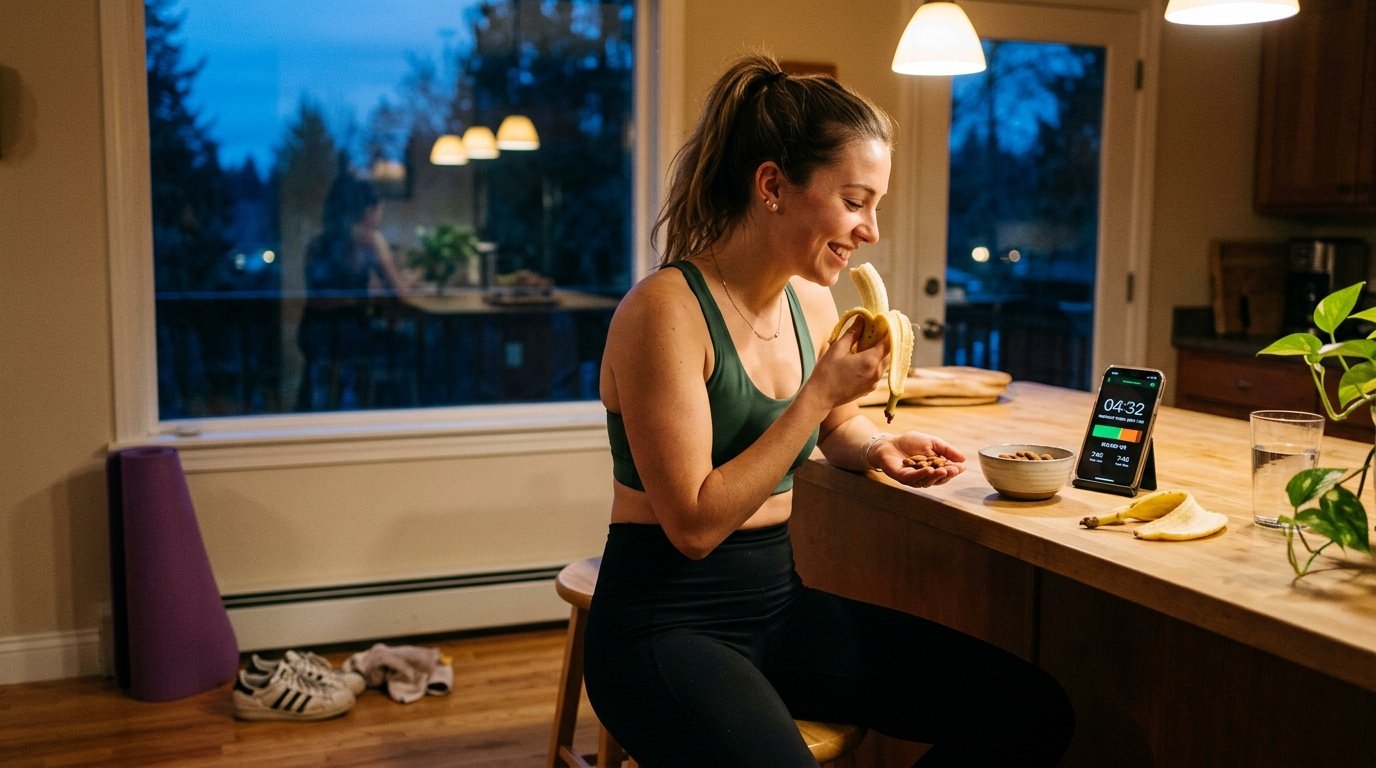
A general rule that holds up well in practice: leave two to four hours after a full meal before intense training, or 30 to 60 minutes after a small, easily digested snack like a banana or a slice of toast. Training too soon after a large meal routes blood toward digestion instead of working muscle, which is the fastest way to end up with cramping or nausea mid-set. If mornings are your only realistic window and a full breakfast isn't practical beforehand, a light carbohydrate snack thirty minutes out is usually enough to fuel a solid session. Readers who want a deeper breakdown of pre-workout carb timing can check GenZiest's own guide on how long before a workout you should eat carbs.
When Evening Workouts Start Cutting Into Your Sleep
Evening training is often the only realistic option for people with early jobs or family obligations, and for most people, a moderate evening workout is perfectly compatible with good sleep. The trouble tends to start with high-intensity sessions finishing less than an hour before bed, since a spiked heart rate and core body temperature can delay the natural drop in temperature your body needs to fall asleep. If you notice you're lying awake after late workouts, try shifting intense training earlier in the evening and saving the hour before bed for something gentler, like a short walk or light stretching.
| Time of Day | What's Happening in the Body | Generally Best Suited For |
|---|---|---|
| Early morning (5–8 a.m.) | Lower body temperature, lower blood sugar after an overnight fast, rising cortisol | Moderate cardio, habit-building, schedules with unpredictable afternoons |
| Midday (11 a.m.–2 p.m.) | Rising alertness and body temperature, natural post-lunch energy dip for some | Moderate-intensity training, breaking up a sedentary workday |
| Late afternoon to early evening (4–7 p.m.) | Peak body temperature, faster reaction time, improved oxygen uptake | Heavy strength training, high-intensity intervals, performance goals |
| Late evening (after 8 p.m.) | Body temperature still elevated but declining; sleep pressure building | Light to moderate movement; avoid maximal-effort training close to bedtime |
Source: Cleveland Clinic, 2024
Health disclaimer: This article is general information, not personalized medical advice. If you're pregnant, managing a heart condition, recovering from injury or surgery, or new to structured exercise, talk with a doctor or physical therapist before changing your training intensity or timing, especially before adding fasted or late-evening high-intensity sessions.
There's No Single Best Time for Workout Sessions — Build a Schedule Around Your Actual Life
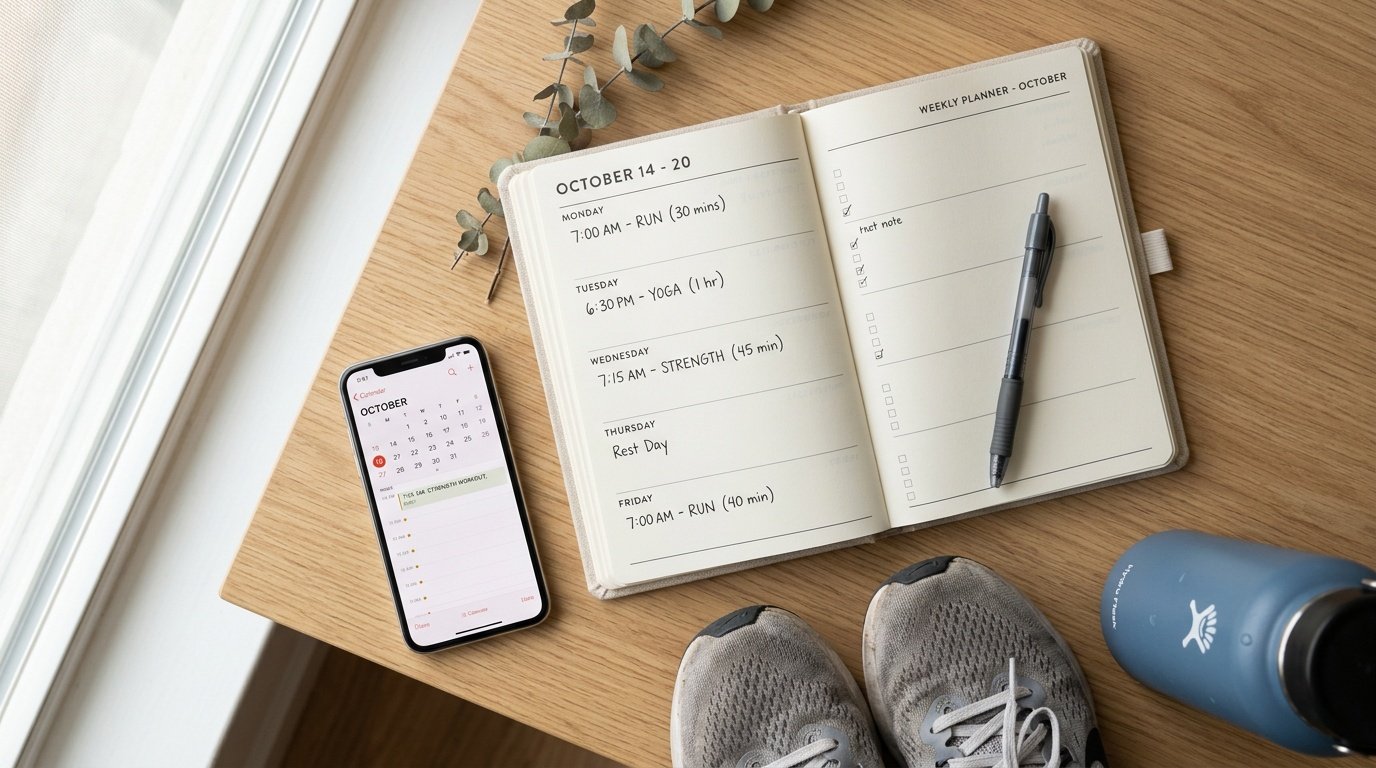
None of the physiology above matters much if the schedule you build from it doesn't survive contact with a real week. The American Heart Association puts it plainly: the benefit of physical activity depends far more on how consistently you show up than on which hour you pick, and forcing a schedule that fights your natural rhythm tends to backfire within a few weeks.
Consider Maria, a 24-year-old nurse working rotating 12-hour shifts. A rigid "always train at 6 a.m." plan would collapse the first week her shift flips to nights. Instead, she anchors her training to a fixed point relative to her shift, always training in the two hours right after waking regardless of whether that's 6 a.m. or 6 p.m., which keeps the habit intact even as her literal clock time shifts every few days. That's the kind of adaptation that actually survives a messy real-world schedule.
A Sample Week for Early Risers
- Monday, Wednesday, Friday: 30 to 40 minutes of strength training before work, fueled by a small carb-forward snack if training within an hour of waking.
- Tuesday, Thursday: 20 to 25 minutes of moderate cardio or a brisk walk, fasted or lightly fueled depending on how you feel.
- Saturday: A longer, lower-intensity session (hike, cycling, sport) when there's more time to properly warm up.
- Sunday: Rest or gentle mobility work.
If setting clear numbers around a plan like this feels daunting, GenZiest's guide to getting your fitness targets clear before you start walks through building specific, trackable goals instead of vague intentions.
A Sample Week for Night Owls and Non-Traditional Schedules
- Monday, Wednesday, Friday: Heavier strength or interval training in the late afternoon or early evening, when body temperature is naturally higher.
- Tuesday, Thursday: A shorter, lower-intensity session at lunchtime to break up a long workday without eating into evening energy.
- Saturday: Whatever time you'd naturally choose with zero obligations, this tells you a lot about your real chronotype.
- Sunday: Rest, or a gentle beginner-friendly cardio session like this 15-minute at-home cardio routine if you want to stay active without a big time commitment.
Notice that neither sample week claims to be the objectively optimal plan. There isn't one. Both are built to be repeatable, which research on habit formation consistently shows matters more than precision-timing any single session.
A separate line of NIH-funded research reinforces this from another angle. A 2024 analysis of nearly 90,000 UK adults, covered by the National Institutes of Health, found that people who packed their recommended weekly activity into just one or two sessions saw disease-risk reductions statistically similar to those who spread the same total volume across the whole week. The pattern mattered far less than simply hitting the total. It's a non-obvious point worth sitting with: obsessing over the "correct" time slot or the "correct" frequency can quietly become a form of procrastination that keeps you from just starting.
So if you're still hunting for the single best time for workout success, the honest, research-backed answer is that it depends on your chronotype, your schedule, and which type of training you're doing that day, and the version of "best" that actually works is the one you'll repeat next week too.
Frequently Asked Questions About the Best Time for Workout
Is it better to work out in the morning or at night?
Neither is universally better. Morning training tends to support consistency and may improve that night's sleep, while evening training often allows for stronger performance thanks to higher body temperature and looser joints. The better choice is whichever time you can repeat several times a week without a fight.
What time of day burns the most fat?
Fasted morning cardio does shift the body toward burning a higher percentage of fat during that specific session, but total fat loss over weeks depends on overall calorie balance and consistency, not the clock. There's no single hour that reliably burns more total fat across a week than another.
Does working out on an empty stomach in the morning actually help you lose weight faster?
Not in any way that shows up on the scale over time. It changes which fuel source your body taps during that session, but multiple lines of research point to total training volume and diet, not fasted status, as the bigger drivers of long-term fat loss.
How long should I wait to exercise after eating?
A general guideline is two to four hours after a full meal, or 30 to 60 minutes after a small, easily digested snack. Waiting too little can cause cramping, nausea, or sluggish performance, since digestion is competing with your muscles for blood flow.
Can working out too late at night hurt my sleep?
High-intensity training finishing less than about an hour before bed can delay the temperature and heart-rate drop your body needs to fall asleep easily. Moderate evening exercise earlier in the evening is generally fine and, for many people, actually improves sleep quality.
I'm not naturally a morning person. Can I still see results training in the evening?
Yes. Chronotype research suggests training that matches your natural rhythm, rather than fighting it, tends to be easier to sustain and may come with a small performance edge. Consistent evening training beats inconsistent morning training every time.
References
- Mayo Clinic Health System — Best time of day for your workout, 2024
- Harvard Health — Should you schedule your exercise based on your circadian rhythm?, 2026
- Cleveland Clinic — Best Time of Day to Workout, 2024
- American Heart Association — When Is the Best Time of Day to Work Out?, 2024
- National Institutes of Health — Different exercise patterns bring health benefits, 2024