


Did you know that nearly 80% of people who set New Year’s resolutions about fitness never reach their objectives—primarily because their goals are too vague or undefined? When it comes to health and fitness goals, clarity isn’t just helpful—it’s essential. Before you even lace up your sneakers or schedule your first workout, defining fitness targets could be the deciding factor between success and giving up. In this comprehensive guide, you’ll not only understand the big “why” behind setting clear fitness target, but you’ll also learn step-by-step methods that will help make your journey measurable, motivating, and truly successful.
Why Having Clear Fitness Targets is Crucial to Success
“Most people don’t fail because they lack time or motivation—they fail because their fitness target was never truly defined.”
It’s easy to feel inspired at the start of a fitness journey, but inspiration fades fast in the absence of direction. Having clear fitness target transforms scattered physical activity into purposeful action. When you spell out exactly what you’re working toward—a specific number of daily steps, a weight loss milestone, increased strength in key muscle groups, or improved heart health—each workout you complete becomes a crucial part of a strategic plan. Without these well-defined targets, it’s easy for your exercise program to lose focus. You might exercise regularly, but without tracking progress or having a specific end-point, you risk spinning your wheels with little to show for it. Research shows that those who set SMART (Specific, Measurable, Achievable, Relevant, Time-bound) goals stick with their routines longer and see more significant progress in their health and fitness goals. Clarifying your purpose means every minute of moderate physical activity takes you one step closer to your big win—no more aimless gym visits or quick burnouts.

What You’ll Learn About Fitness Targets
How to set SMART fitness target to guide your journey
The impact of clear fitness goals and physical activity on motivation and results
Common mistakes when setting fitness goals (and how to avoid them)
Practical tools for tracking your progress toward fitness target
Defining Fitness Targets: The Foundation of Any Fitness Goal
To build an effective fitness program, you first need to understand the foundational concepts behind fitness target and goals. Sometimes the terms are used interchangeably, but knowing how they differ can help you set both short-term markers and long-term aspirations that make sense for your medical condition, body composition, and desired outcomes. Let’s explore what sets targets apart from broader fitness goals and why both are necessary.
As you clarify the difference between targets and broader goals, it’s also helpful to explore specific strategies for achieving popular objectives like fat loss. For actionable routines and targeted exercises, check out these effective exercises to lose fat that can complement your fitness target and accelerate your progress.
Understanding the Difference Between Fitness Targets and Fitness Goals
Think of fitness target as precise milestones you need to hit along the way to achieving your bigger fitness goals. A goal might be “Improve my cardiovascular endurance” or “achieve healthy body composition”, but a target clarifies what that looks like: “Run a 5K in under 30 minutes by August,” or “lower my body fat percentage by 5% in 3 months. ” These micro-objectives transform your ambitions into actionable, measurable steps. The Centers for Disease Control and Prevention recommends adults engage in at least 150 minutes of moderate-intensity aerobic activity each week—but just writing this down isn’t enough. Breaking this into daily steps or weekly physical activity blocks creates a plan you can track and refine based on progress.

Why Physical Activity Requires Direction and Purpose
Engaging in physical activity simply for the sake of moving more is certainly beneficial, but lacking a clear direction means you may plateau sooner than you’d like. The body adapts quickly—without new challenges or measurable markers to chase, progress can stall, leading to frustration and a loss of motivation. By anchoring your efforts to intentional fitness targets—whether that’s mastering strength in certain muscle groups, increasing your daily step count, or completing set minutes of cardio exercise—you reframe physical activity from a chore into a rewarding purpose-driven experience. Ultimately, targets ensure your energy is spent wisely and your results are both attainable and sustainable.
The Psychology Behind Setting Fitness Goals
Why do clear fitness targets deliver better results? It all starts in the mind. Committing to specific, well-structured goals transforms abstract aspirations into a series of challenges your brain is eager to conquer. Motivation becomes easier to sustain, mindset stays positive, and you’re more likely to adapt your fitness routine in response to setbacks, rather than giving up altogether. Let’s dive deeper into what happens psychologically when you set the right kinds of targets for your health and fitness journey.
How Motivation and Intent Drive Health and Fitness Success
Each time you clearly define your intention—whether for weight loss, improved body composition, or enhanced heart health—it creates a psychological contract that’s hard to ignore. The reason many struggle isn’t a lack of ability: it’s the absence of a concrete plan. A target turns nebulous ideas into tangible daily actions. When you record your scores or track progress using journals or wearables, you reinforce the cycle of improvement and accountability. Motivation thrives on progress, no matter how small. Over time, every step, rep, or minute of moderate aerobic activity logged becomes proof of your evolving fitness level, fueling your drive and deepening your commitment to your health and fitness goals.
Which Fitness Targets Should You Set?
With the right understanding and motivation in place, the next step is to select targets that truly reflect your priorities. Whether your main objective is weight loss, increasing muscle mass, or improving your overall health, the best fitness target always align with your lifestyle, current fitness level, and personal interests. This not only maximizes your results but keeps your journey enjoyable and engaging. Let’s break down some of the most popular fitness goals and how their associated targets might look.
Exploring Popular Fitness Goals: From Weight Loss to Strength Gains
Depending on where you are in your journey, your key targets may revolve around different aspects: weight loss, muscle gain, cardiovascular endurance, flexibility, or improvements in body composition. For example, if your aim is overall disease control and prevention, a target could involve regular minutes of moderate aerobic activity per week. If increasing muscle strength is your priority, setting weekly progression goals for specific muscle groups within your fitness routine will drive progress. Below, compare some of the most common fitness targets—see which ones best match your aspirations.
| Fitness Target | Focus | Example Metric | Why It Matters |
|---|---|---|---|
| Weight Loss | Reduce body fat, maintain healthy weight | Lose 1-2 lbs/week | Improved disease control, energy, body composition |
| Body Composition | Increase muscle mass, decrease fat percentage | Lower body fat % in 3 mos | Better health and fitness, joint and heart health |
| Cardio Exercise | Cardiovascular endurance | 150 min/week moderate activity | Stronger heart, better stamina |
| Flexibility | Range of motion, injury prevention | Stretch daily, record progression | Improved mobility, lower injury risk |
| Endurance | Overall stamina & fitness level | Increase running/cycling distance | Greater daily energy, productivity |

Aligning Physical Activity Choices with Your Fitness Goals
It’s not enough to pick ambitious targets—you must pair them with physical activity that’s logical and enjoyable for you. For instance, aiming for improved cardio endurance? Prioritize regular cardio exercise sessions such as brisk walking, running, or cycling. Hoping to improve strength or body composition? Incorporate weight training focused on your main muscle groups. By tailoring your fitness routine around your health and fitness goals, you ensure each activity supports measurable progress. Remember, the most effective targets are those that feel relevant, achievable, and meaningful within your daily life—setting you up for sustained health and fitness improvements.
SMART Fitness Targets: How to Set Specific, Measurable, Achievable, Relevant, and Time-bound Goals
“A vague goal gets a vague result. SMART fitness goals create clarity and measurable progress.”
Want results you can see and feel? It’s time to get SMART. The SMART framework—Specific, Measurable, Achievable, Relevant, and Time-bound—isn’t just a trendy acronym; it’s a proven tool for turning generic health and fitness goals into powerful drivers of transformation. For example, instead of “I want to lose weight,” a SMART goal would be: “I will lose 10 pounds by walking 10,000 steps daily and eliminating sugary snacks by the end of the next three months. ” This approach works for weight loss, cardio exercise, improving fitness level, or reshaping body composition. By focusing your energy on actions that matter most, you’ll overcome decision fatigue, record your scores with confidence, and stay motivated day after day.
Building a Fitness Routine That Supports Your Fitness Targets
Now that your targets are crystal clear, how do you ensure your fitness routine actually delivers the results you want? Successful routines aren’t just made of random physical activity; they’re balanced, intentional, and sustainable. Whether you’re a fan of strength training, cardio exercise, stretching, or all of the above, structure is key for maximizing results while staying injury free and enjoying the journey.
Structuring Cardio Exercise and Strength Training in Your Fitness Routine
A well-rounded fitness routine typically alternates between cardio exercise and strength training to promote weight loss, heart health, and muscle development. For instance, aim for a mix of 3–4 days of aerobic activity (like walking, running, or cycling) and 2–3 days focused on different muscle groups each week. This split not only taps into all major benefits—improved body composition, increased endurance, and disease control—but also gives your body the necessary time to recover and adapt. Combining sessions keeps both mind and body engaged, addresses multiple health and fitness goals at once, and ensures no two weeks look exactly alike, maintaining momentum and enthusiasm.
Setting a weekly schedule for physical activity
Tips for combining different exercise modalities for better health and fitness

Tracking Progress: Tools and Techniques for Measuring Fitness Targets
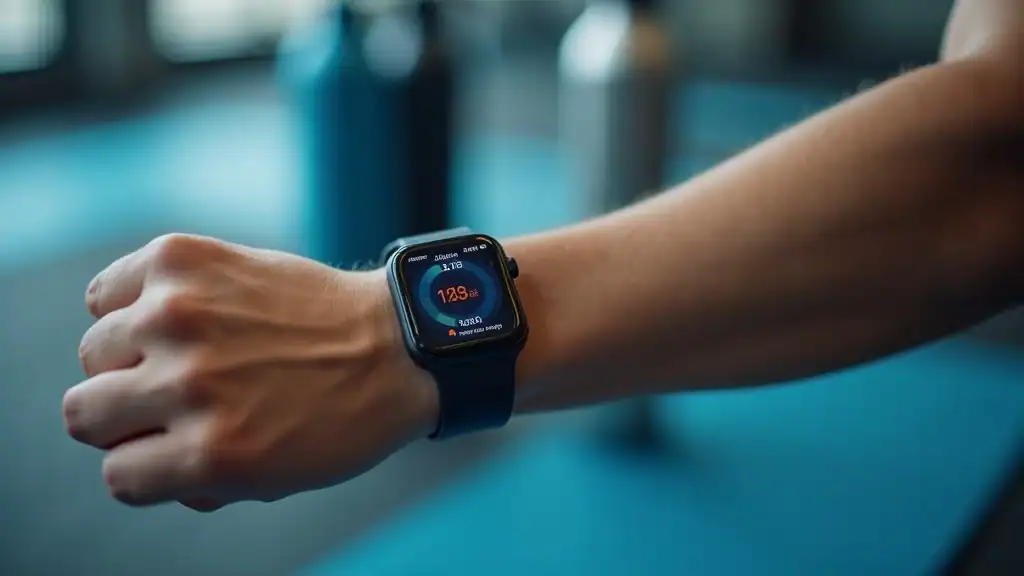
Measuring progress is the bridge between goal-setting and achievement. Thanks to modern technology and traditional methods, there are many ways to ensure you never lose sight of your milestones. Tracking tools—whether high-tech like wearables or classic like journals—help you understand your workout effectiveness and keep motivation high. Consistent tracking will let you see patterns, adjust strategies if you’re plateauing, and celebrate tangible results in your health and fitness journey.
Fitness apps
Journals
Wearables
Body composition analysis
Overcoming Obstacles: Common Challenges to Achieving Fitness Goals
No journey toward better health and fitness is without setbacks—motivation dips, schedules shift, and sometimes progress stalls. The most common challenges include lack of time, boredom with routine, and burnout from unrealistic expectations. Yet, clear targets can turn these obstacles into stepping stones. When things get tough, revisiting your original purpose and updating your fitness target as needed can reignite your passion and provide the push you need to move forward.
How to Stay Motivated on Your Fitness Journey
“Whenever you feel like quitting, remember why you set your fitness targets in the first place.”
Motivation isn’t constant; it comes in waves. The secret to sustaining it lies in your deeper “why”: focusing on the benefits you’re chasing, whether that’s improved performance in daily activities, better mental health, or long-term disease control and prevention. Celebrate small wins, track daily progress, and don’t hesitate to tweak your fitness routine when it starts to feel stale. Building a network of support—friends, trainers, or online communities—can also make setbacks feel less daunting. Consistency trumps intensity. Even short periods of physical activity contribute toward your health and fitness goals and, over time, become part of your regular routine.
Montage of individuals engaging in various physical activities (cardio, strength, yoga, running), goal-setting and progress-checking, soundtracked with energetic music.
People Also Ask
What are the 10 fitness goals?
The top ten fitness goals include: weight loss, muscle gain, improved cardiovascular endurance, increased flexibility, better body composition, enhanced athletic performance, higher daily step count, long-term heart health, disease control and prevention, and building a consistent exercise habit. These goals help create balanced, sustainable progress and cater to various aspects of health and fitness.
What is a fitness target?
A fitness target is a clearly defined, measurable objective that supports your broader fitness goals. It might be running a certain distance within a set time, lifting a specific weight, or reaching a particular body fat percentage. Setting targets gives your physical activity purpose, transforming abstract ambitions into actionable steps.
What are 5 good personal goals?
Five strong personal goals for health and fitness are: (1) Completing 150 minutes of moderate aerobic activity per week, (2) including regular strength training sessions, (3) eating five servings of fruits and vegetables daily, (4) maintaining a healthy body composition, and (5) achieving a set daily step count (e. g. , 10,000 steps a day). These empower you to build robust, adaptable routines.
What is the 3 3 3 rule at the gym?
The 3 3 3 rule is a simple approach to structuring a fitness routine: perform three sets of three exercises, each for three rounds. For example, select three compound movements (such as squats, pushups, and rows) and repeat each exercise for three sets. This method is great for targeting major muscle groups, building consistency, and keeping workouts time-efficient.
FAQs About Fitness Targets
How do I adjust my fitness target if I’m not seeing progress?
If progress stalls, review your approach: increase intensity, add new exercises, or break targets into smaller steps. Track what works, and remember, plateaus are natural parts of any fitness program.Should fitness target change as I get older?
Yes, as your body changes with age or life events, your fitness targets should evolve. Focus more on joint health, flexibility, and sustainable routines to maintain motivation and injury prevention.What is the difference between long-term and short-term fitness goals?
Short-term targets are stepping stones—like attending three workouts weekly—while long-term targets focus on outcomes months away, such as completing a half marathon or significantly improving body composition.

Key Takeaways on Setting and Achieving Your Fitness Goals
Setting clear fitness goals is essential for motivation and measurable success.
Customizing your fitness routine to support these targets leads to better health and fitness outcomes.
Tracking and adjusting fitness goals helps you overcome challenges and maintain progress.
Ready to Define Your Fitness Targets? Take the First Step Toward a Healthier You
Don’t let another week go by without a plan! Start by defining your fitness goals today, tailor your fitness routine, and embrace each small victory. Success is closer than you think—make each workout count.
If you’re eager to take your fitness journey even further, consider exploring the broader landscape of health strategies that can amplify your results. For instance, understanding how nutrition and timing impact your progress can be a game-changer. Dive into the science and surprising truths behind intermittent fasting weight loss results to discover advanced techniques that complement your fitness targets. Expanding your knowledge in these areas empowers you to make smarter choices, optimize your routines, and unlock new levels of well-being. Your next breakthrough could be just one insight away.