
The federal government just told Americans to eat almost double the protein they were told to eat five years ago. That single change, buried inside the newly released 2025-2030 Dietary Guidelines, reframes most of what gets talked about under nutrition trends 2025: less about fad diets and more about a genuine shift in what official nutrition advice, gut health research, and everyday eating habits are converging on going into 2026. Some of it is backed by solid research. Some of it is repackaged wellness marketing wearing a lab coat. Knowing the difference is the actual skill worth building this year.
This piece walks through what changed, what carried over from 2025, and what's worth acting on versus ignoring, based on where the federal guidelines, the research on gut microbiome diversity, and registered dietitian guidance actually land.
The Big Shift Behind Nutrition Trends 2025: Federal Guidelines Just Doubled Protein Targets

On January 7, 2026, the USDA and HHS released the 2025-2030 Dietary Guidelines for Americans, and the headline change is protein. The old recommendation, in place since the 2020-2025 edition, was 0.8 grams of protein per kilogram of body weight per day, about 54 grams for a 150-pound person. The new guidance moves that to 1.2 to 1.6 grams per kilogram, which works out to roughly 82 to 109 grams a day for that same 150-pound person, and the guidelines now tell people to prioritize protein foods at every meal rather than treating it as one macronutrient among several.
That's not a small edit. It's close to double the old floor, and it's the kind of change that ripples into meal planning, grocery budgets, and the entire protein-fortified snack aisle that's already reshaping itself around the new number.
Why the Protein Number Actually Moved
The Dietary Guidelines for Americans, 2025-2030 build the new recommendation around research showing that higher protein intake supports muscle mass retention, satiety, and metabolic health, particularly as people age and naturally lose muscle. The guidance also leans into a "prioritize protein foods" framing rather than the older, narrower emphasis on lean sources specifically, pulling in red meat and full-fat dairy alongside poultry, seafood, eggs, legumes, nuts, and seeds.
Here's the part that matters more than the headline number: most American adults were already close to the old target without trying, since average intake in the U.S. has hovered around 90 to 100 grams a day for men for years. The new guidance formalizes what a lot of people were doing anyway, then nudges the target higher still, which is part of why some nutrition researchers have publicly questioned whether the new upper range is more than most people actually need.
| Body Weight | Old Target (0.8 g/kg) | New Target (1.2-1.6 g/kg) |
|---|---|---|
| 130 lb | 47 g/day | 71-95 g/day |
| 150 lb | 54 g/day | 82-109 g/day |
| 180 lb | 65 g/day | 98-131 g/day |
| 200 lb | 73 g/day | 109-145 g/day |
Source: Dietary Guidelines for Americans, 2025-2030
What This Means for Your Plate, Not Just Your Macros App
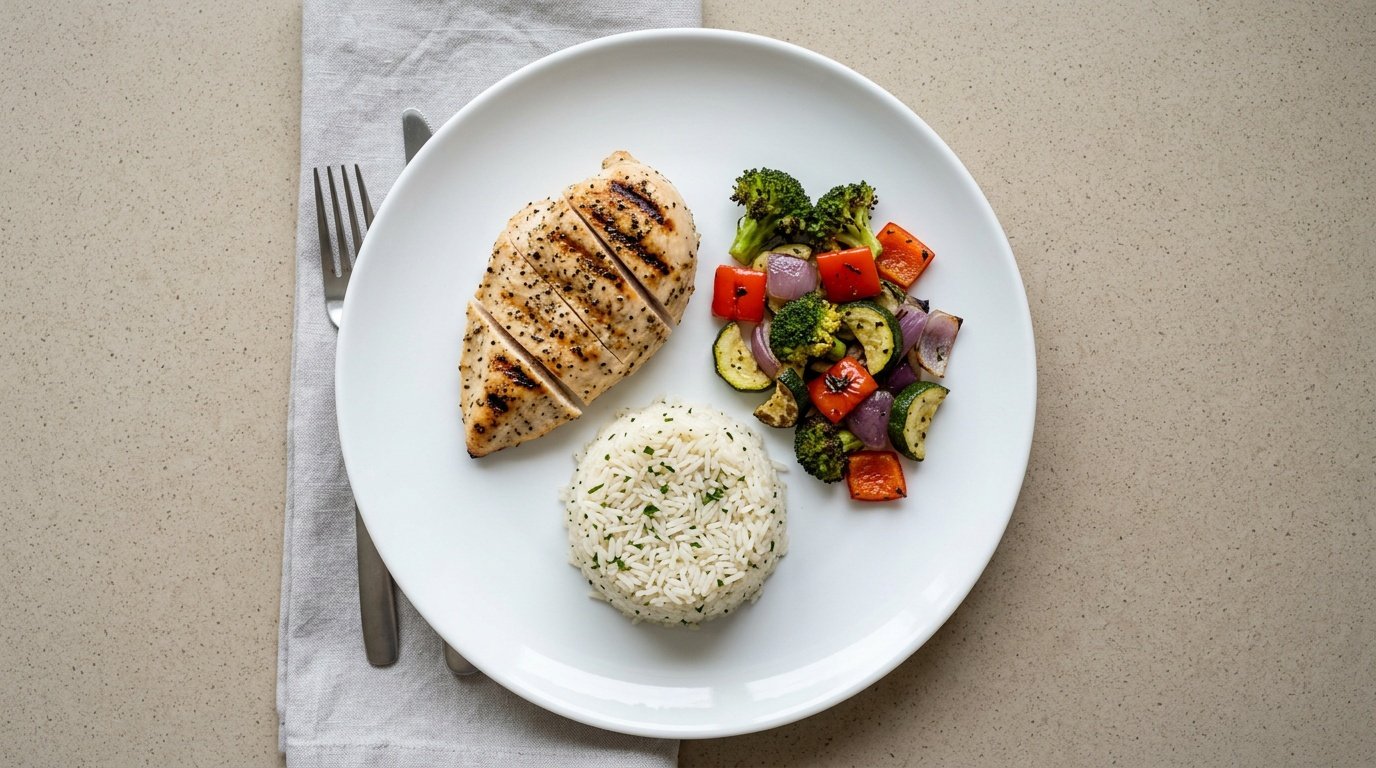
Practically, prioritizing protein at every meal means spreading intake out instead of loading it into dinner, which is the pattern most people fall into by default. A breakfast built around eggs or Greek yogurt instead of just toast, a lunch that includes a real protein source instead of a side salad alone, and a dinner that doesn't have to carry the entire day's protein target on its own is a more sustainable way to hit the new range than trying to eat 40 grams of chicken breast in one sitting to catch up.
The guidelines also revived the classic food pyramid, phased out back in 2011, with an inverted design that gives protein and full-fat dairy more visual prominence at the wider top while whole grains sit in the smaller base. Whether that visual shift changes how people actually shop is an open question, but it does signal how central protein has become to the government's framing of a healthy plate heading into 2026.
Why Gut Health and Fermented Foods Are the Real Carryover Trend Into 2026

If protein is the loudest change, gut health is the trend with the most staying power. It didn't peak and fade the way some wellness fads do, it kept building through 2025 and is carrying straight into 2026, backed by research that's held up under repeated scrutiny rather than a single viral claim.
The Research Behind the Fermented Food Push
A 2024 review published in Microbial Biotechnology and indexed on PubMed Central summarized a randomized trial in which healthy adults who increased their fermented food intake from under one serving a day to six servings a day over 17 weeks showed a measurable increase in gut microbiome diversity, along with reductions in several inflammatory markers. A separate group in the same trial that increased fiber intake instead did not show the same diversity increase in that timeframe, a distinction that reshaped a lot of nutrition advice that had treated fiber as the primary lever for gut health.
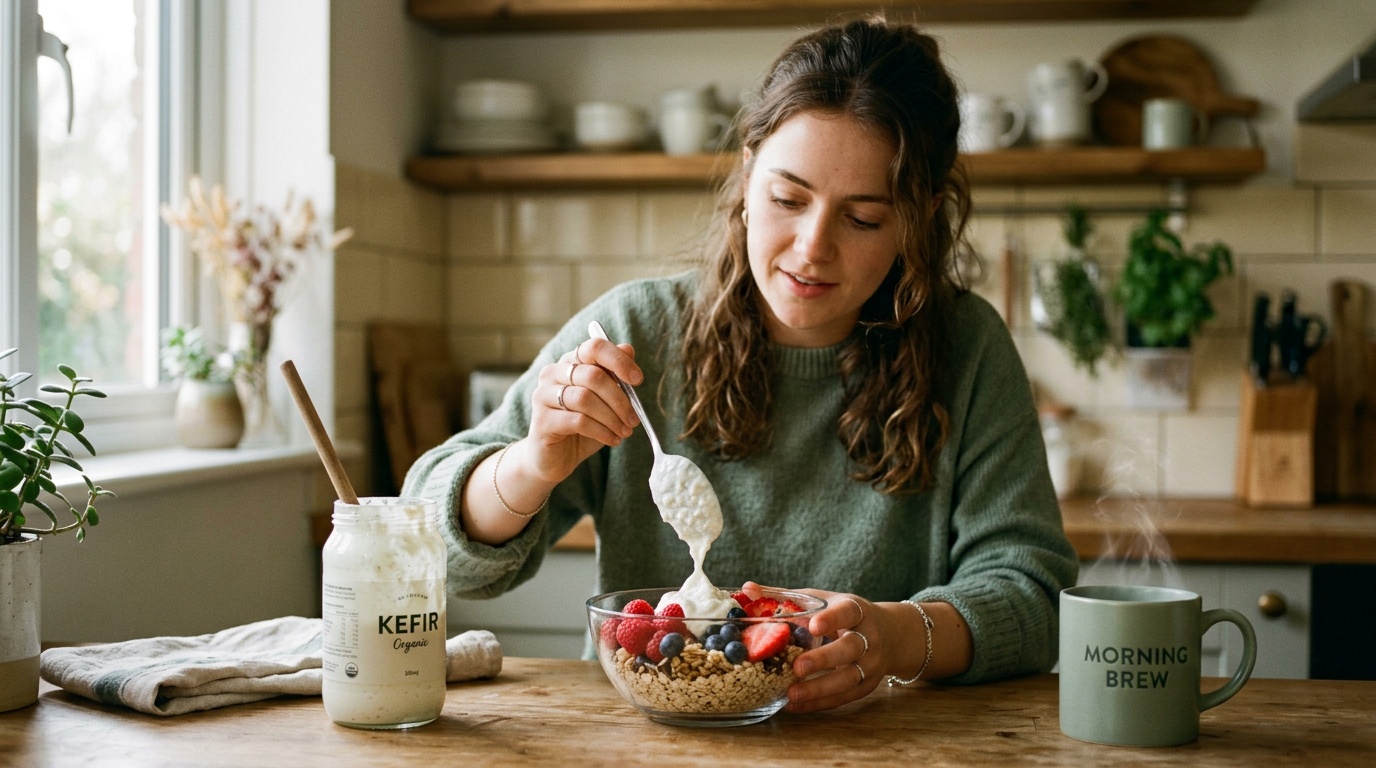
The foods driving that result weren't exotic: yogurt, kefir, fermented cottage cheese, kimchi, fermented vegetables, and kombucha, layered on top of an already reasonable diet rather than replacing it.
What's Realistic to Actually Do With This
Six servings a day is a research protocol, not a daily requirement for most people, and jumping straight to that number from zero is a fast route to bloating and a quick reason to quit. A more sustainable starting point is one to three servings a day, spread across different fermented foods rather than repeating the same one, since variety in bacterial strains appears to matter as much as total volume. If your digestion already feels sensitive, our guide on how fermented food and gut health connect walks through pacing this without overwhelming your system in week one.
The Ultra-Processed Food Pushback Nobody's Ignoring Anymore
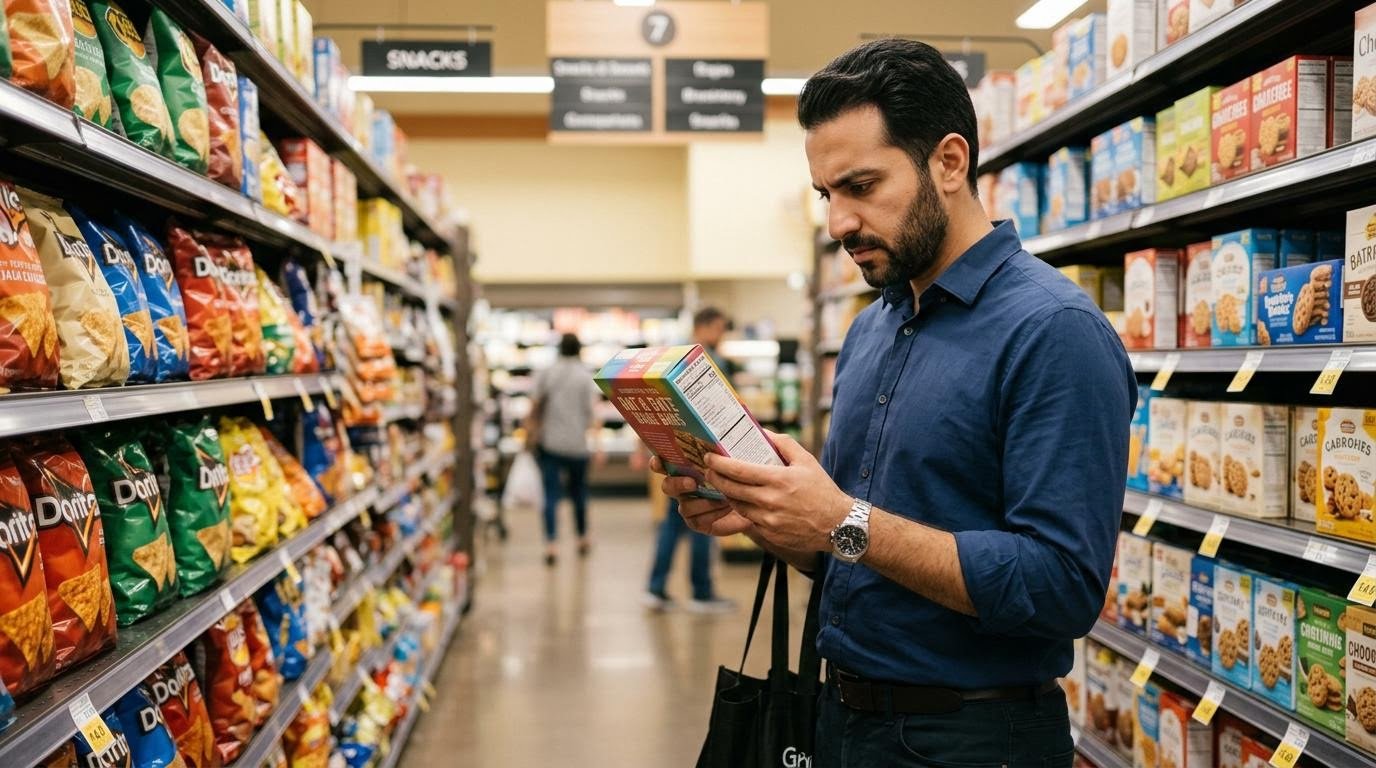
Alongside the protein and fiber conversation, 2025 was the year "ultra-processed" stopped being a niche nutrition-science term and became something people actually check labels for. The new dietary guidelines lean into this shift with their "Eat Real Food" framing, and while they stop short of hard numerical limits on ultra-processed foods, the direction is unmistakable: prioritize whole, minimally processed foods and treat heavily processed ones as the exception rather than the default.
What's Actually Driving the Concern
Sugary drinks remain the single biggest source of added sugar in the American diet. According to the CDC, about 30% of Americans age 2 and older consume more than 15% of their daily calories from added sugar, and a single 12-ounce regular soda carries more than 10 teaspoons, about 42 grams, of it, roughly 150 calories from sugar alone. Cutting out two sodas a day removes about 2,100 calories a week without touching anything else in the diet.
That's the kind of concrete, unglamorous swap that does more than most trending supplements or superfoods combined, and it's a big part of why the guidelines keep circling back to sugary beverages specifically rather than processed food broadly.
Reading Labels Without Overcorrecting
Not every packaged food deserves suspicion. Canned beans, frozen vegetables with nothing added, and plain yogurt are technically processed and still solidly healthy choices. The category actually worth watching is the one layered with preservatives, emulsifiers, and heavy combined sodium, added sugar, and unhealthy fat, which is a narrower list than "everything in a box." Our breakdown of whole foods vs. processed foods goes through the four-group classification researchers actually use, which makes grocery decisions faster once it clicks.
Plant-Forward Protein Is Replacing "Plant-Based" as the New Default
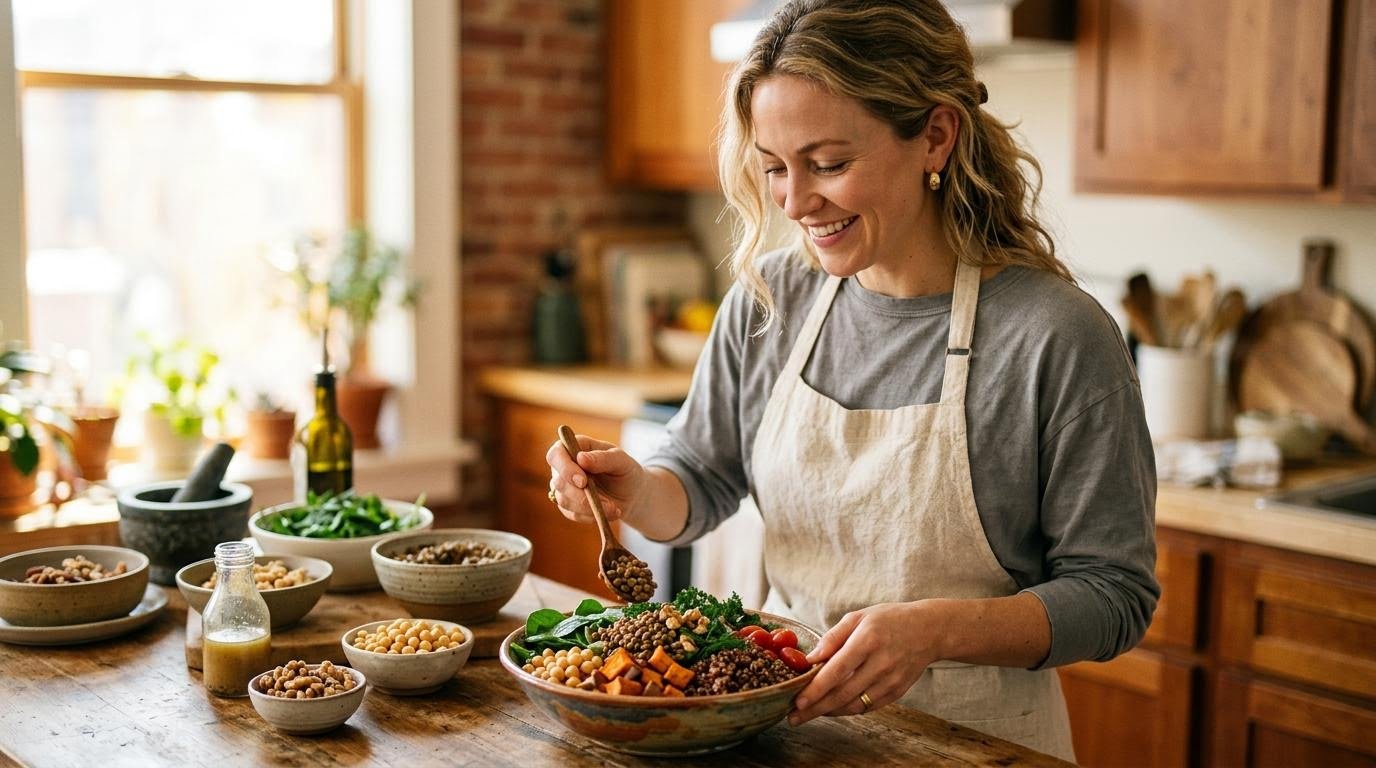
Here's a shift that's easy to miss under the protein headline: the growth isn't purely in animal protein. Plant protein diversification, moving beyond soy and pea into fava bean, chickpea, lentil, and lupin, has been one of the steadier threads running through 2025 into 2026, and it's less about full vegetarianism and more about ratio.
The Data Behind the Ratio Shift
A Harvard Health review of research from the Harvard T.H. Chan School of Public Health, drawing on 30 years of dietary records from roughly 203,000 people in the Nurses' Health Studies and Health Professionals' Follow-up Studies, found that people who ate the highest ratio of plant to animal protein had a 19% lower risk of developing cardiovascular disease over the study period, along with a 27% lower risk of coronary heart disease specifically.
That's not a call to eliminate animal protein, it's evidence that the balance between plant and animal sources matters independently of total protein intake, which is a more nuanced finding than most "eat more plants" advice tends to convey.
Building a More Balanced Plate Without Overhauling Everything
A practical starting point is swapping in a plant protein at one meal a day rather than restructuring the whole diet: lentils in place of some ground meat in a chili, a bean and grain bowl instead of a meat-heavy lunch, or tofu folded into a stir-fry a couple of nights a week. The nutritional upside compounds when it's paired with whole grains and vegetables rather than treated as an isolated swap, since fiber and micronutrient density tend to follow plant proteins into the meal.
Why Personalized Nutrition Beats Every Diet Trend You'll See on TikTok

The single most consistent piece of guidance running through 2025 and into 2026 isn't a specific food or macro target, it's a warning against treating any one-size-fits-all trend as gospel, especially the ones spreading fastest on social media.
The Fad Diet Warning Signs Worth Knowing
The Academy of Nutrition and Dietetics lays out a short, useful checklist for spotting a fad before it wastes your time: promises of rapid weight loss, plans that eliminate entire food groups, claims about specific food combinations affecting how your body processes them, and any diet that tells you exercise isn't necessary. If a diet or product sounds too good to be true, the Academy's guidance is blunt about it, it probably is.
Rapid weight loss specifically tends to cost more muscle than fat, and it raises the odds of regaining the weight along with side effects like dehydration and gallstones. The test the Academy recommends before starting anything new is simple: could you eat this way for the rest of your life? If the honest answer is no, it's not a plan worth building around.
Why "Personalized" Is Winning Over "Universal"
What's replacing universal diet plans isn't another universal diet plan, it's individualized guidance shaped by a person's actual labs, activity level, medications, and life stage, typically delivered through a registered dietitian nutritionist rather than a generic app or influencer template. A protein target, a fiber goal, or a fermented food routine that works well for one person can be entirely wrong for someone managing a chronic condition or taking specific medications, which is exactly the kind of nuance a trending headline can't carry.
This is also the piece most TikTok nutrition content skips entirely, since a 30-second video has no room for the caveats that actually matter. A recommendation that ignores your labs, your medication list, or your specific goals isn't wrong because the food itself is bad, it's incomplete in a way that a one-time consultation with a registered dietitian nutritionist can fix in under an hour.
Building Your Own Nutrition Trends 2025 Plan Without Falling for Hype

Pulling every thread here together, the through-line isn't a single new food or supplement, it's a set of federally-backed and research-supported shifts: more protein spread across meals, one to three servings of fermented food a day for gut diversity, fewer sugary drinks and heavily processed staples, a better plant-to-animal protein ratio, and a healthy suspicion of anything promising a fast fix.
None of that requires an overnight overhaul. Pick one lever, run it for a few weeks, and layer the next one in once the first one feels automatic rather than effortful. That's a slower story than most nutrition content wants to tell, but it's the version that's still true a year from now, long after this particular wave of headlines has moved on to the next one.
If you're also using supplements to fill gaps while you adjust, timing matters more than most people assume, our piece on whether it's better to take supplements in the morning or at night breaks down what the timing actually changes and what it doesn't.
Health disclaimer: This article provides general nutrition information and isn't a substitute for individualized medical advice. If you have a chronic health condition, are pregnant or breastfeeding, or take prescription medications, talk to a doctor or registered dietitian before making significant changes to your protein intake, fermented food consumption, or overall eating pattern, since your specific targets may differ from the general guidance above.
Frequently Asked Questions
What are the biggest nutrition trends 2025 brought that are carrying into 2026?
The three with the most staying power are the federal protein target increase from the 2025-2030 Dietary Guidelines, continued growth in fermented food and gut-diversity focused eating, and a stronger pushback against ultra-processed foods, particularly sugary drinks. All three are backed by government guidance or peer-reviewed research rather than a single viral claim.
Do I actually need to double my protein intake because of the new guidelines?
Not necessarily. The new 1.2 to 1.6 grams per kilogram range is what the 2025-2030 Dietary Guidelines recommend, but some nutrition researchers have noted it may be higher than many people need, especially those who are already close to the old 0.8 gram target. A registered dietitian can help you figure out where you actually fall based on your activity level and goals rather than applying the upper end of the range by default.
How many servings of fermented food do I need for a gut health benefit?
Research protocols have used up to six servings a day to produce measurable increases in microbiome diversity, but that's a study design, not a daily requirement. One to three servings a day, spread across different fermented foods like yogurt, kefir, and kimchi, is a more sustainable and realistic starting point for most people.
Is everything processed automatically bad for me?
No. Canned beans, frozen vegetables with nothing added, and plain yogurt are technically processed and still healthy. The category worth limiting is ultra-processed food specifically, items loaded with preservatives, emulsifiers, and high combined levels of sodium, added sugar, and unhealthy fat, which sugary drinks are the single biggest source of in the American diet.
How do I know if a nutrition trend I saw on social media is legitimate?
Check it against the Academy of Nutrition and Dietetics' fad diet warning signs: promises of rapid results, elimination of entire food groups, claims about specific food combinations, or any plan that says exercise isn't necessary. If you genuinely couldn't sustain the eating pattern for the rest of your life, it's a signal to skip it rather than start it.
References
- U.S. Department of Health and Human Services and U.S. Department of Agriculture — Dietary Guidelines for Americans, 2025-2030, 10th Edition, January 2026
- Harvard Health Publishing — Protein 101: Essential Guide to Daily Requirements and Top Healthy Sources, October 2025
- National Institutes of Health, PubMed Central — Fermented Foods, Their Microbiome and Its Potential in Boosting Human Health, Microbial Biotechnology, February 2024
- Centers for Disease Control and Prevention — Rethink Your Drink, March 2026
- Academy of Nutrition and Dietetics — Staying Away from Fad Diets, reviewed December 2025