
Sunday afternoon, four identical containers of chicken and rice, and you're already dreading Wednesday's lunch. That's the version of high protein meal prep most people try first, and it's also the version most people abandon by week two. The system that actually survives a real week doesn't start with one rigid dish repeated five times. It starts with a handful of interchangeable pieces you batch once and reassemble differently each day, so day four still tastes like a choice instead of a sentence.
This isn't about hitting some extreme number or living on chicken breast and broccoli. It's about building a weekend routine that gets you to 25 to 30 grams of protein at most meals without cooking from scratch every single night, and without your fridge turning into a science experiment by Thursday.
Why High Protein Meal Prep Beats Deciding What to Eat Every Day
Every unplanned meal is a small negotiation with your own hunger, your schedule, and whatever's actually in the fridge. Multiply that by three meals a day and it's no surprise decision fatigue shows up right around 6 p.m., when the easiest option starts looking a lot better than the healthiest one. Meal prep removes the negotiation. The decision already happened on Sunday, when you weren't hungry, rushed, or bargaining with yourself.
The protein part matters specifically because protein is the macronutrient people most reliably under-eat at breakfast and lunch, then overcorrect at dinner. The Academy of Nutrition and Dietetics frames meal prepping as a way to plan meals ahead of time so you spend less on food and stop making nutrition decisions on the fly, which is exactly the gap that lets protein slide at the meals where it's easiest to forget: the Academy's meal prepping guidance treats planning as the actual intervention, not the recipes themselves.
Here's the part most guides skip: batch-cooked protein doesn't need to be interesting on its own. It needs to be neutral enough to go three or four directions. Plain roasted chicken thighs work in a grain bowl, a wrap, a salad, and a stir-fry without tasting like leftovers each time, because the sauce, the sides, and the format change even though the protein doesn't. That's the actual trick behind meal prep that people stick with past the first week, and it's rarely the part anyone writes down.
There's also a cost angle that gets overlooked in the rush to talk macros. Buying two pounds of chicken thighs and a bag of dry beans on sale, then stretching them across ten meals, is reliably cheaper per serving than five days of takeout or five separate grab-and-go protein products, even before factoring in the time saved not deciding what's for dinner on a Tuesday you didn't plan for.
How Much Protein You Actually Need Per Meal, Not Just Per Day
Most protein advice targets a daily total and leaves you to figure out the distribution yourself, which is exactly how people end up with 8 grams at breakfast and 60 at dinner. The distribution matters as much as the total. According to Mayo Clinic Health System, general recommendations call for 15 to 30 grams of protein at each meal, and studies show that intakes above 40 grams in a single sitting aren't more beneficial than staying in that range, since the body simply can't put the extra to use for muscle repair in one sitting.
A 2018 review published through the National Institutes of Health looked specifically at how much protein the body can use for muscle-building purposes in a single meal, and found the effect tends to plateau around 20 to 25 grams of high-quality protein for younger adults, a pattern researchers describe as the "muscle full" response: the review is available through PubMed. That's a genuinely useful number to design around, because it means a 40-gram chicken breast crammed into one meal isn't doing more for you than a 25-gram portion spread across two.
On the daily side, the Dietary Guidelines for Americans set the Acceptable Macronutrient Distribution Range for protein at 10 to 35 percent of total calories, which is a wide enough band that most people meal prepping for general health don't need to track grams obsessively, just aim to include a protein source at each planned meal: the full guidelines are published by the U.S. Department of Agriculture. Where it gets more specific is at the meal level, and that's the number worth actually building your containers around.
If you're already working on shifting more of your plate toward whole foods, this is a natural place to fold protein targets in, since a whole chicken thigh and a can of black beans hit the same 20 to 25 gram range as a protein bar without the added sugar or the ingredient list you can't pronounce.
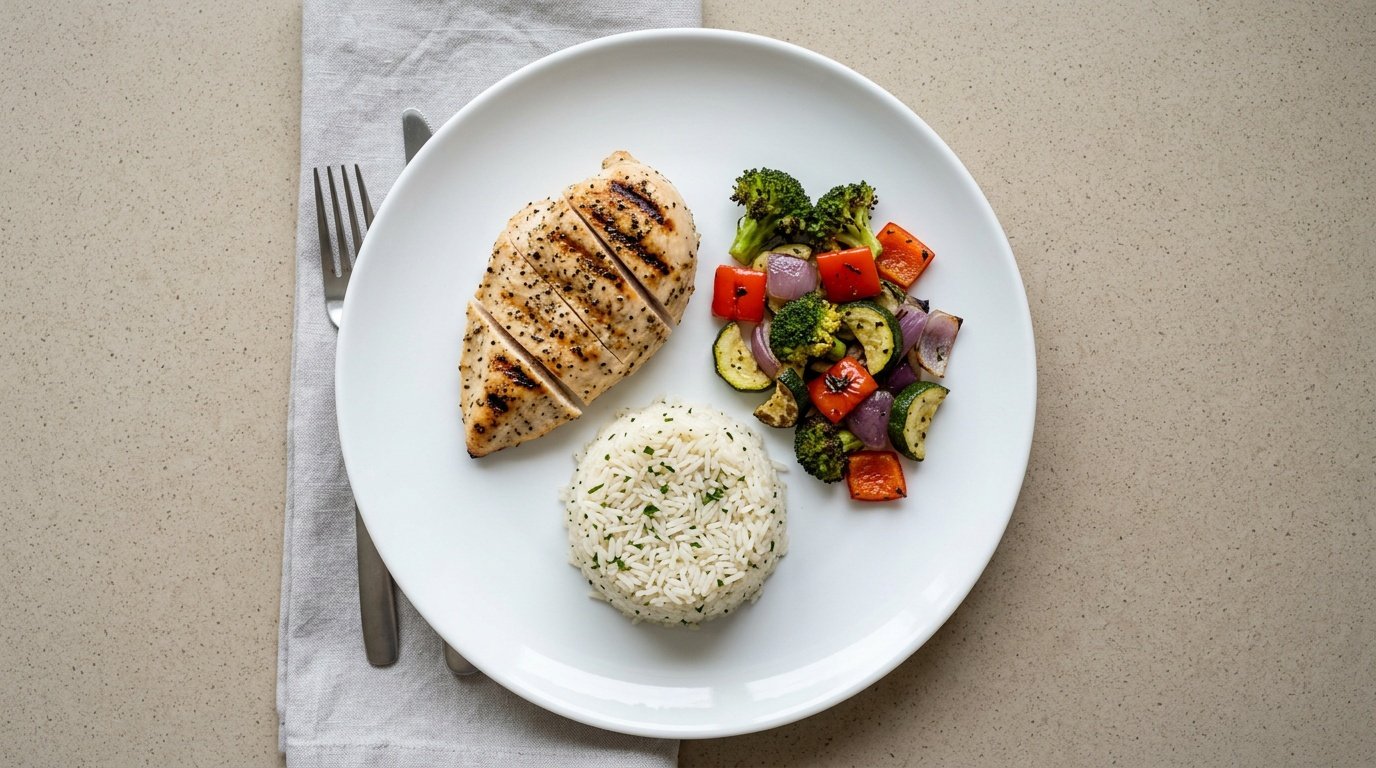
It's also worth being specific about what 25 grams actually looks like on a plate, since the number means very little without a picture attached. A 3-ounce chicken breast, roughly the size of a deck of cards, paired with a half-cup of rice and a half-cup of vegetables lands right around 25 grams. A cup of cooked lentils with a serving of rice covers close to 18 grams on its own, and adding an egg or a small handful of cheese closes the rest of the gap without reaching for a supplement at all.
The Weekend System: A Realistic High Protein Meal Prep Plan
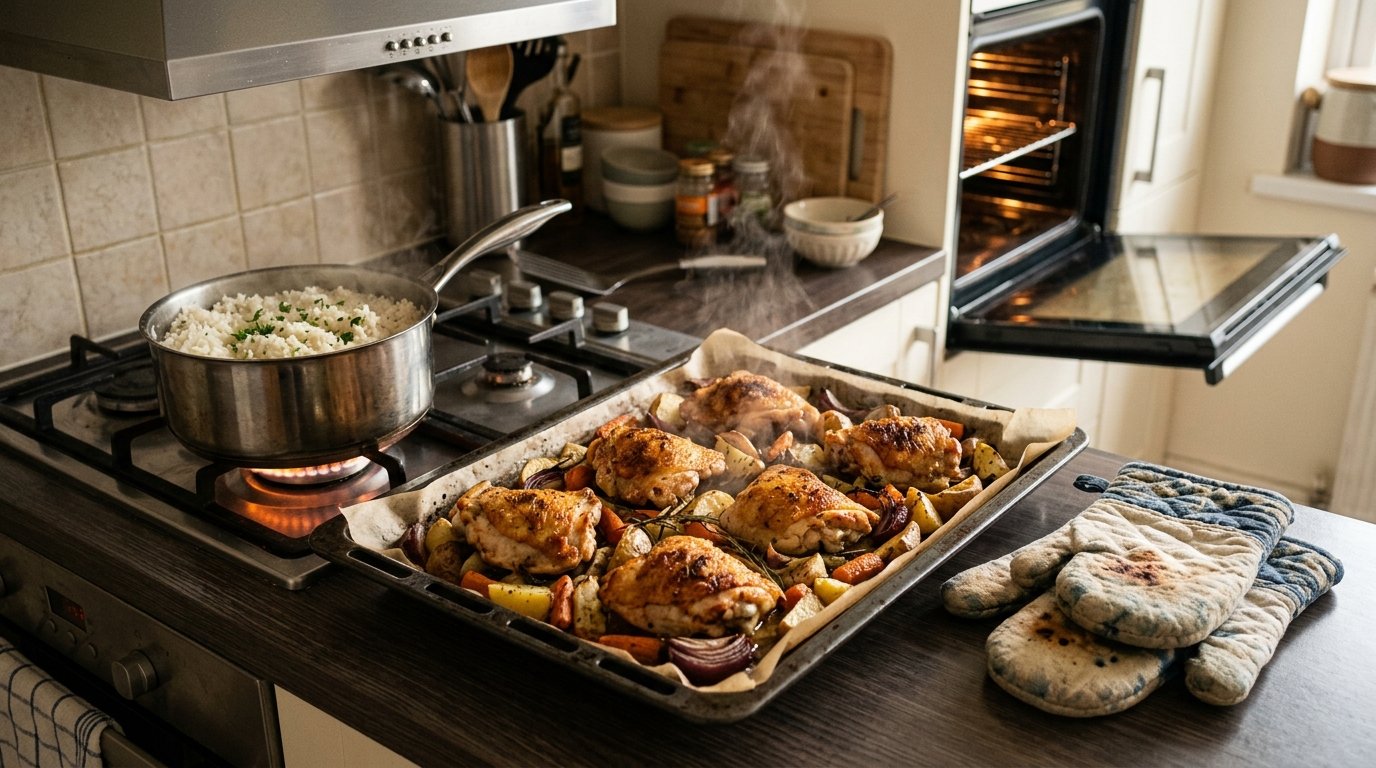
This isn't a two-hour marathon in a chaotic kitchen. It's three short, specific steps done once, and the whole thing genuinely fits inside about 90 minutes if you're not also cleaning the oven at the same time. The order matters more than people expect: starting the slowest-cooking item first and working backward from there is what keeps this from turning into three hours instead of one and a half.
Step 1: Pick Two Protein Bases and Batch-Cook Them Once
Choose two protein sources that cook differently so you're not standing over one pan for an hour. A sheet pan of chicken thighs in the oven and a pot of black beans or lentils on the stove can run at the same time with almost no overlap in attention. Season both simply, salt, pepper, a neutral oil, maybe cumin or paprika, so they're flexible enough to work in a taco bowl on Monday and a grain bowl on Thursday without tasting recycled.
Step 2: Build a Carb and Vegetable Base Layer
Cook a large batch of rice, quinoa, or roasted potatoes, and roast two trays of vegetables at the same oven temperature as your protein to avoid a second preheat. This is also where a specific example helps more than a general rule: a batch of 3 cups dry rice (roughly 9 cups cooked), two sheet pans of roasted broccoli and bell peppers, and 2 pounds of chicken thighs realistically produces 8 to 10 full servings, which is close to a full work week for one person without repeating a single cooking session.
Step 3: Assemble, Don't Cook From Scratch Each Night
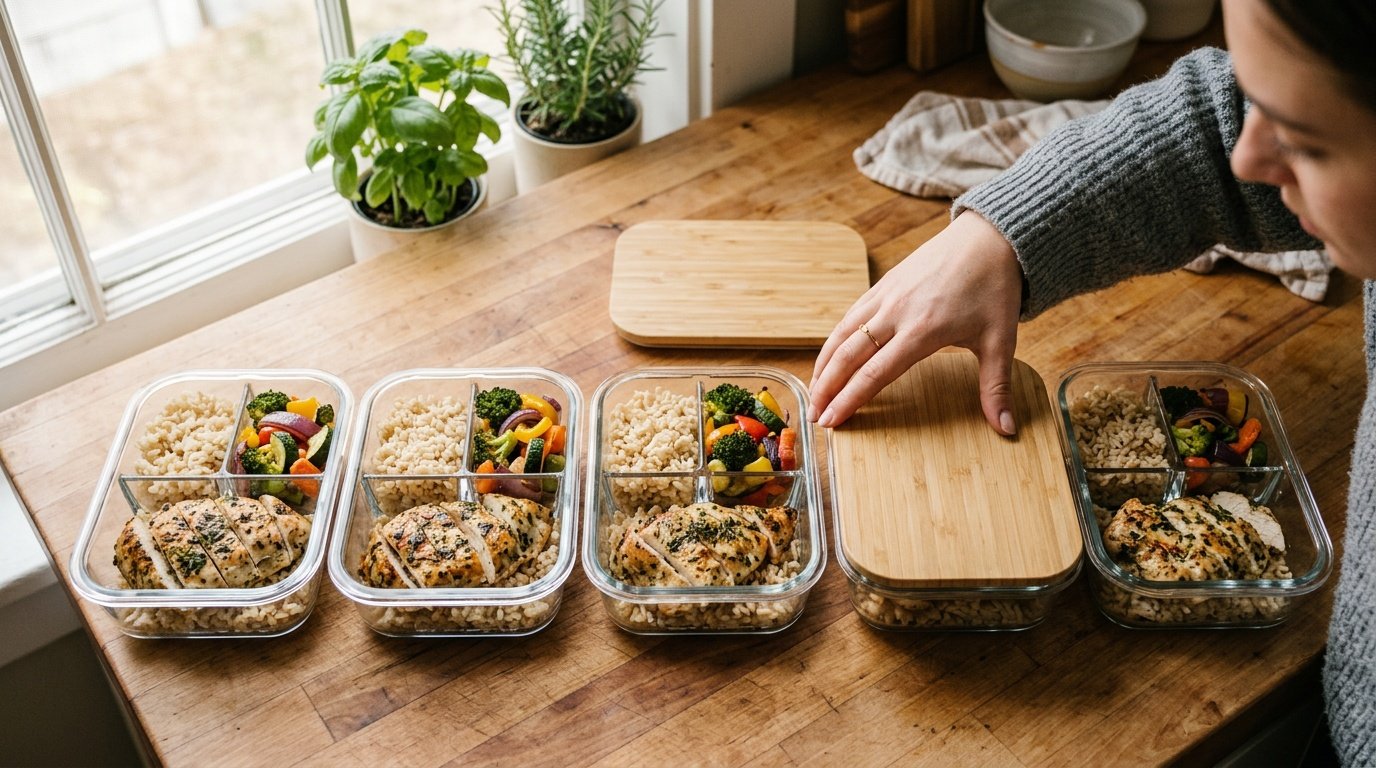
Store the protein, carb, and vegetable components separately rather than pre-assembled into finished meals whenever you can. Separate storage means you can build a bowl, a wrap, or a stir-fry from the same three components depending on what sounds good that day, instead of committing to "Tuesday's exact meal" on Sunday. It also means leftovers from a protein-first eating pattern you're already building stay flexible instead of locking you into five identical containers.
High Protein Meal Prep Ideas for Breakfast, Lunch, and Dinner
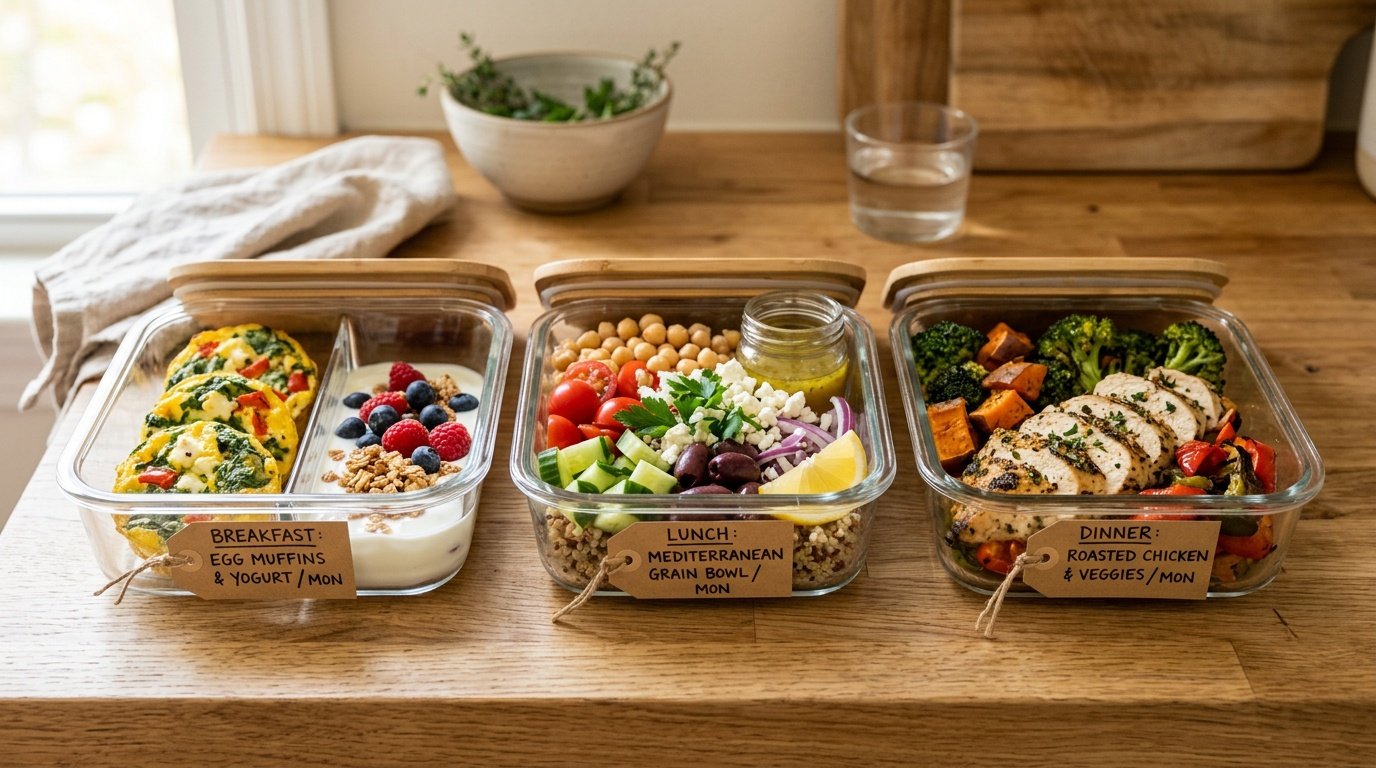
The meal that falls apart first is almost always breakfast, since it's the one most people skip planning for entirely. Here's a realistic set of ideas for each meal that actually reheats and travels well, since not every high-protein food does.
Breakfast
Baked egg muffins with spinach and feta hold up well in the fridge for four to five days and deliver roughly 6 grams of protein each, so three of them plus a side of Greek yogurt clears 25 grams without much effort. Overnight oats made with Greek yogurt instead of just milk quietly doubles the protein of a standard oatmeal breakfast while keeping the same five-minute prep.
Lunch
Grain bowls built from your batched rice, roasted vegetables, and a protein of choice travel well because the components stay textured instead of going soggy, especially if you keep any dressing in a separate small container until you're ready to eat. A bean and roasted vegetable wrap covers a full 20 to 25 grams of protein for anyone building a plant-forward version of this same system.
Dinner
Sheet pan dinners built around the same batched chicken or beans, reheated alongside a fresh quick-cooking vegetable like green beans or asparagus, keep dinner from feeling like reheated leftovers even though most of the work is already done. A simple stir-fry using the same protein with a fresh sauce and whatever vegetables are close to going bad is often the fastest way to make day four feel new.
How Long High Protein Meal Prep Actually Lasts in the Fridge and Freezer
Protein-heavy dishes carry real food safety stakes, and this is one part of meal prep where guessing isn't a reasonable strategy. The CDC's guidance on preventing food poisoning is direct on this point: perishable food, including cooked leftovers, needs to go into the refrigerator within 2 hours of cooking, or within 1 hour if it's been sitting somewhere above 90°F, because bacteria multiply quickly once food sits in what's called the "danger zone" between 40°F and 140°F: the CDC's full prevention guidance is available here.
| Meal-Prepped Food | Refrigerator | Freezer (Best Quality) |
|---|---|---|
| Cooked chicken, beef, pork, or fish | 3 to 4 days | 3 to 4 months |
| Cooked beans, lentils, or tofu | 3 to 4 days | 3 to 4 months |
| Cooked rice, quinoa, or roasted vegetables | 3 to 4 days | 3 to 4 months |
Source: Mayo Clinic and CDC food safety guidance, 2025
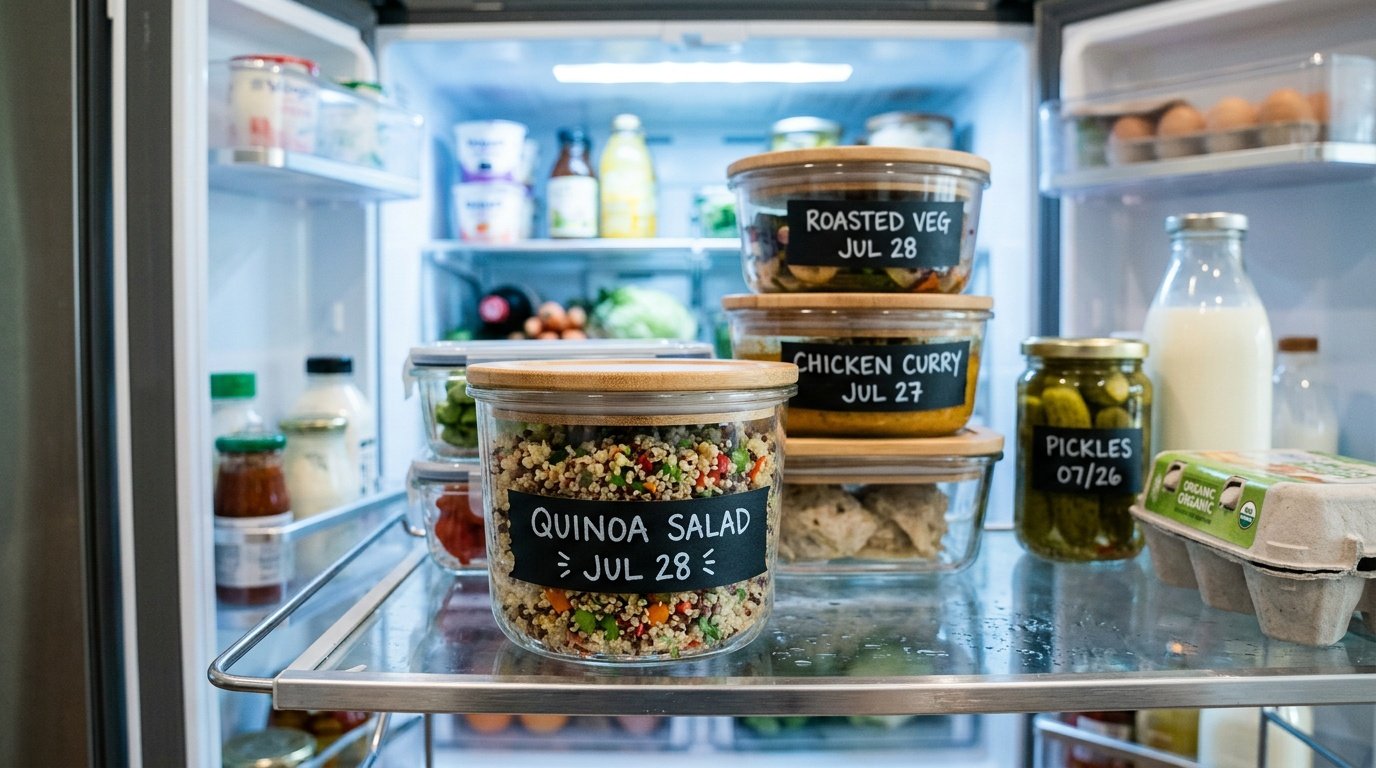
The practical takeaway is that a standard Sunday-to-Friday prep window fits comfortably inside the 3 to 4 day refrigerator rule, but a genuine two-week batch cook doesn't, which is exactly why splitting a big cooking session into a fridge portion and a freezer portion from the start beats hoping five-day-old chicken is still fine on day six.
Health disclaimer: This article offers general meal prep and nutrition information and isn't a substitute for individualized medical advice. If you have kidney disease, are managing diabetes, are pregnant or breastfeeding, or are on a medically supervised eating plan, talk to your doctor or a registered dietitian before significantly increasing your protein intake or changing how you plan meals.
Easy High Protein Meal Prep Mistakes That Wreck the Whole Week
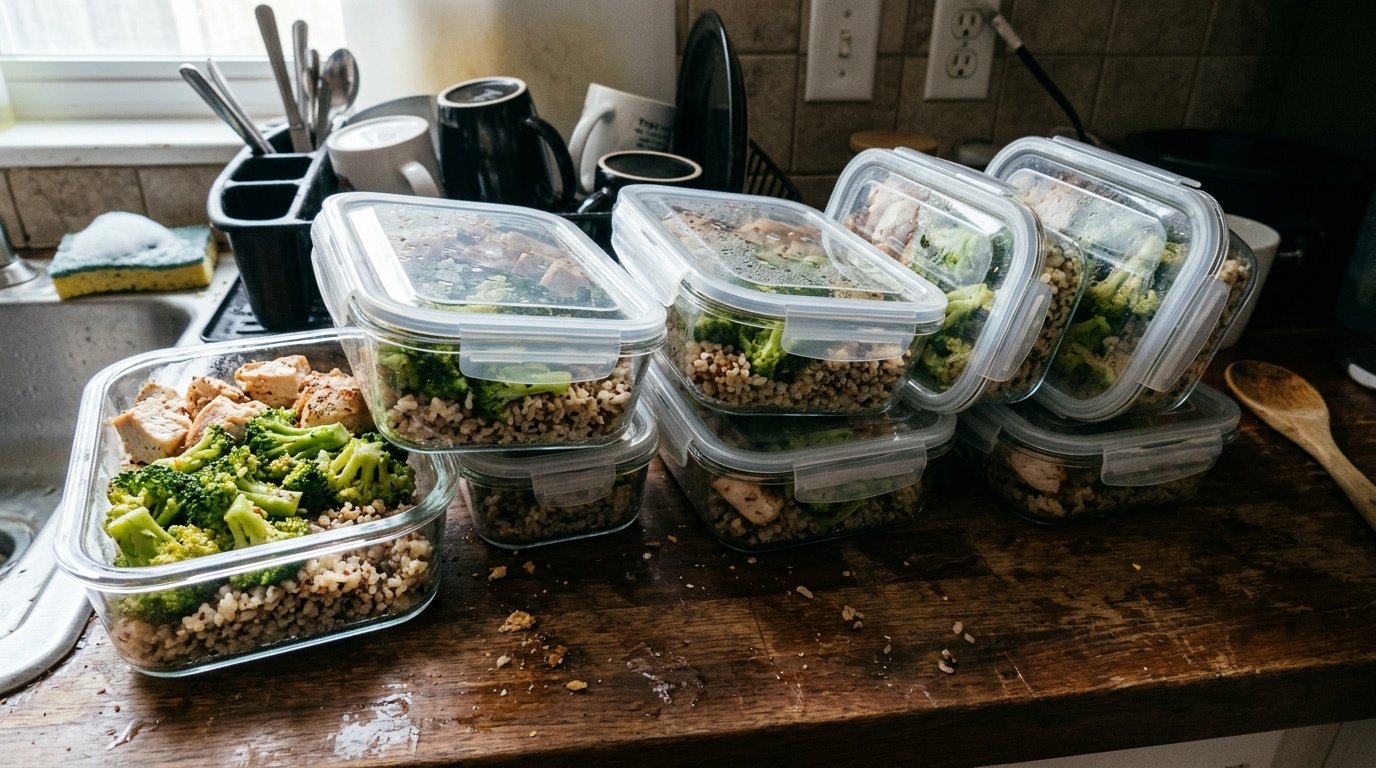
The most common mistake isn't a cooking error, it's a portioning one: prepping five containers of the exact same meal, which guarantees boredom by Wednesday regardless of how good the food actually is. Building from separate components rather than five identical finished plates solves this without adding any real extra work.
The second mistake is treating protein supplements as a shortcut instead of a backup. If you're leaning on a protein shake or bar to hit your numbers because whole-food prep feels like too much some weeks, it's worth checking that the timing of anything you're supplementing with actually lines up with your day, since supplement timing isn't one-size-fits-all the same way whole food isn't.
The non-obvious insight here is that most people fail at high protein meal prep not because they cooked the wrong thing, but because they cooked too much of one thing and too little of the components that make it flexible. Five pounds of chicken and nothing else is a much harder week to eat through than three pounds of chicken paired with rice, beans, and three sauces. Variety at the assembly stage, not the cooking stage, is what actually keeps a prep habit going past the first month.
A third, quieter mistake is skipping the date label. It sounds trivial until you're staring at three identical containers on a Thursday with no memory of whether Sunday's or Monday's cooking session produced them. A piece of tape and a marker on each container, noting the day it was cooked, turns the 3 to 4 day fridge window from a guess into something you can actually check at a glance, which matters more than any recipe choice once food safety is the question on the table.
Frequently Asked Questions
How much protein should I aim for in each meal-prepped meal?
Most general guidance points to 15 to 30 grams of protein per meal, with research suggesting the muscle-building benefit plateaus around 20 to 25 grams in a single sitting for younger adults. Building each container around a protein portion in that range, rather than one very large serving once a day, tends to be both more sustainable and more effective.
How long does high protein meal prep actually last in the fridge?
Cooked chicken, beef, fish, beans, and grains are generally safe in the refrigerator for 3 to 4 days when stored properly and refrigerated within 2 hours of cooking. If you're prepping for a full week, splitting the batch between fridge and freezer portions from day one keeps the back half of the week just as safe as the front.
Can I freeze high protein meal prep without ruining the texture?
Cooked proteins, beans, and grains generally freeze well for 3 to 4 months at best quality. Rice and roasted vegetables can turn slightly softer after thawing, so if texture matters to you, undercook them very slightly before freezing and finish reheating them a bit longer.
What are the easiest high protein foods for meal prep if I don't like chicken?
Canned or dried beans, lentils, tofu, eggs, Greek yogurt, and canned fish like salmon or tuna all batch and store well without requiring a different cooking method every time. Beans and lentils in particular need almost no active attention once they're simmering.
Do I need special containers for high protein meal prep?
No, though shallow, well-sealed containers help food cool faster and stay fresher, which matters more for protein-heavy meals than for something like a salad. Glass containers with separate compartments make it easier to keep components apart until you're ready to assemble a meal.
How many meals should I prep in one weekend session?
Most people find 8 to 10 servings from a single 90-minute session realistic without the batch outliving the 3 to 4 day fridge window before it's finished. If you want a full week covered, plan on freezing roughly half the batch right after cooking instead of trying to stretch the fridge portion further than it safely goes.
References
- Mayo Clinic Health System — Assessing Protein Needs for Performance, 2023
- National Institutes of Health, PubMed — How Much Protein Can the Body Use in a Single Meal for Muscle-Building? Implications for Daily Protein Distribution, 2018
- Academy of Nutrition and Dietetics — Basics of Meal Prepping
- Centers for Disease Control and Prevention — Preventing Food Poisoning, 2025
- U.S. Department of Agriculture — Dietary Guidelines for Americans
Building a working high protein meal prep routine isn't about a perfect Sunday or a spotless kitchen. It's a handful of separately stored components you can rearrange all week, portioned around 15 to 30 grams per meal, and stored inside a window that actually keeps them safe to eat. Get that structure right once, and every week after it gets easier, not harder.