

Imagine waking up after bariatric surgery with a new stomach capacity and an entire world of eating habits to relearn. Many surgery patients wonder, “How much should you eat after bariatric surgery?” The answer is life-changing—not just about eating less, but transforming your relationship with food. This article unpacks practical and science-backed strategies for portion size, nutrient needs, and real-world mealtime guidance to support your healthy weight loss journey after gastric sleeve or gastric bypass.
Why Portion Size Matters After Bariatric Surgery
After bariatric surgery, mastering portion size becomes one of the most essential skills for success. Whether you’ve undergone a gastric sleeve or gastric bypass procedure, your stomach’s capacity is dramatically reduced, meaning that your body sends satiety signals much sooner than before. Consuming portions that are too large can result in discomfort, nausea, or even complications such as stretching your new stomach pouch. For many patients, achieving weight loss hinges on the ability to listen to your body’s new signals and adjust accordingly. Focused portion control helps prevent overeating and fosters better long-term health outcomes. It’s more than just eating less; you’re training your brain and body to work together in the context of your new size and metabolism—either after gastric sleeve or gastric bypass.
Focusing on the right portion sizes post-surgery also aids nutrient absorption, since meals are smaller and your digestive system works differently. Bariatric surgery patients often transition from clear liquids to soft foods, and eventually to solid foods. With each stage, the goal is to maximize nutrition in every bite, which can be challenging due to volume restrictions. Consult your care provider frequently to tailor your dietary needs and monitor progress, especially as you transition from a liquid diet to more complex meals. Carefully managed portions ensure healthy weight loss while minimizing risks and making each meal satisfy both your hunger and your nutritional requirements.

Observing Changes in Hunger and Portion Size After Surgery
Undergoing bariatric surgery means resetting the way you recognize hunger and fullness. Many surgery patients note that they feel full after only a small portion or a few bites, much sooner than before their procedure. This is a direct result of your smaller stomach, whether you’ve had a gastric bypass or a gastric sleeve. The amount of food that once seemed normal is now excessive and potentially uncomfortable. Learning to honor these new signals is critical for safe and effective weight loss, as eating beyond satiety can lead to pain or regurgitation.
In the weeks following your surgery, it’s essential to observe how quickly you feel full and adapt your meal sizes accordingly. Keep in mind that everyone’s journey is individual, and some people may notice changes in hunger and fullness cues sooner than others. During this adaptation period, it can be helpful to work with a registered dietitian experienced in bariatric care, ensuring you’re meeting nutrient goals with small portions while avoiding old habits, such as overeating or eating too quickly. Tracking your intake and reflecting on how your body responds will help you make healthy eating decisions as you progress toward solid foods and regular meals.
As you focus on adjusting your eating habits after surgery, it’s also helpful to explore foundational weight loss tips for beginners that reinforce portion control, mindful eating, and sustainable lifestyle changes. These strategies can complement your bariatric journey and help you avoid common pitfalls as you adapt to your new routine.
Long-Term Health Implications of Portion Sizes in Weight Loss Surgery
Eating the recommended portion sizes after weight loss surgery not only helps you avoid surgical complications but also establishes a foundation for long-term wellness. Adhering to small, nutrient-dense meals aids with sustainable weight loss and minimizes the risk of regaining weight, which some surgery patients experience if portion sizes begin to creep up. Over time, those who focus on portion control are better able to maintain their weight loss, protect their body’s ability to absorb nutrients, and avoid over-stressing their altered digestive tract.
Consistent monitoring of portion size also helps regulate blood sugar, support energy levels, and optimize the absorption of protein foods, fruits and vegetables, and essential vitamins and minerals. As you advance in your journey months after surgery, periodic reviews with your care provider are crucial to ensure ongoing success. Recognizing the importance of portion size is about adopting lasting lifestyle changes, not just achieving a temporary diet. By respecting your new stomach volume and its limits, you’re setting yourself up for a healthier future filled with energy and confidence.
What You’ll Learn About How Much You Should Eat After Bariatric Surgery
- How portion sizes change post bariatric surgery
- Guidelines for solid and soft foods after gastric bypass and gastric sleeve
- The role of vitamin and mineral intake
- How to progress your diet over time
Understanding Your New Stomach Capacity After Bariatric Surgery
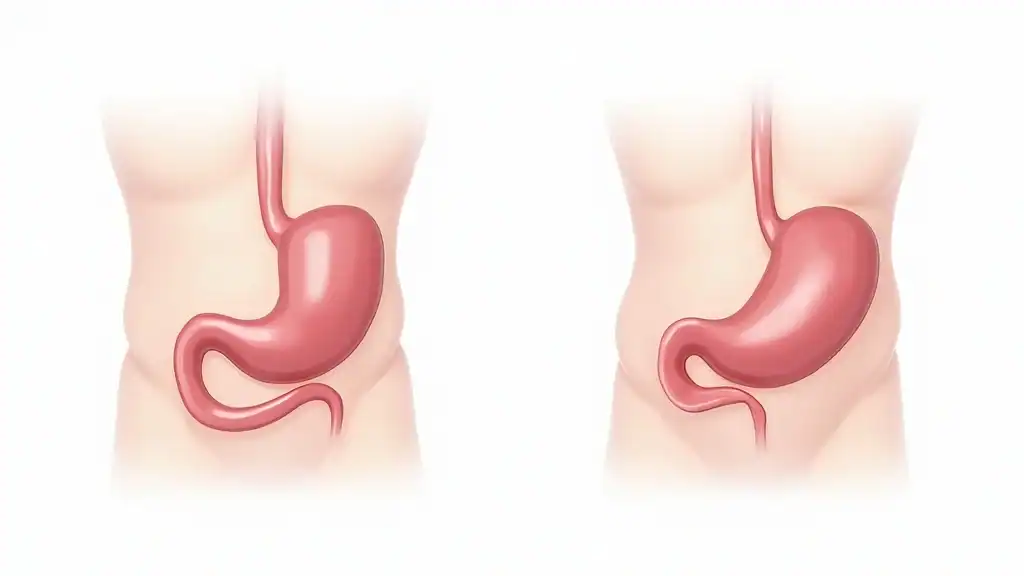
One of the most dramatic changes after weight loss surgery is the size of your stomach—and this directly impacts how much you should eat after bariatric surgery. Gastric sleeve and gastric bypass surgeries are the most commonly performed procedures, each reducing stomach volume but in slightly different ways. After surgery, patients typically have a stomach pouch that initially holds anywhere from two to four ounces (about a quarter cup). This difference is significant: your new stomach will fill quickly, and hunger will be satisfied with much less food than before.
Understanding your new capacity helps set realistic expectations for portion sizes and aligns your eating habits with the anatomy of your new digestive system. Most experienced care providers recommend starting with very small meals a day—perhaps four to six mini-meals—with close attention to the physical sensations of hunger and satiety. If you find yourself uncertain about whether a portion is too large, smaller is usually safer. This focus on measured, mindful eating supports gastric sleeve and gastric bypass patients as they transition to soft foods and eventually to solid foods, all while maximizing safe and effective weight loss.
Comparing Gastric Sleeve and Gastric Bypass: Portion Size Differences
Both gastric sleeve and gastric bypass are highly effective for significant weight loss, but they achieve these results through different changes to the digestive tract and, consequently, portion size requirements. Gastric sleeve surgery removes a large portion of the stomach, creating a slender, banana-shaped tube that holds far less food. In contrast, gastric bypass creates a small pouch from the upper portion of the stomach, which is then directly connected to the small intestine. While both limit the amount of food consumed at once, gastric bypass also changes the way your body absorbs calories and nutrients.
Patients who’ve had a gastric sleeve may notice their ability to feel full remains strong for extended periods, while those with a gastric bypass may also experience a pronounced decrease in hunger due to hormonal changes. Portion sizes after surgery typically range from a few tablespoons in the early weeks to a half cup or less by several months post-op. Regardless of procedure, regularly consulting your care provider and dietitian will help you tailor your portions to your individual needs and prevent overeating, ensuring continued success with safe, measured meals.
Adapting to Decreased Stomach Volume as a Surgery Patient
Adjusting to a reduced stomach size after bariatric surgery can feel overwhelming initially. As a surgery patient, the amount of food you can tolerate per meal is dramatically lowered, and this requires mindful eating and frequent meal planning. Focusing on high-quality nutrition in every bite is vital because nutrient absorption is often less efficient after surgery. Early on, you may experience “overfilling” if you eat too fast or misjudge portion sizes. Eating slowly, chewing thoroughly, and taking time to notice fullness signals are key strategies to prevent discomfort.
Over the first few months, many patients find it helpful to keep a diary, record reactions to different food textures, and develop a sense of what feels comfortable. As your body heals and adapts from gastric sleeve or gastric bypass, some stretching of the stomach pouch may occur, but the goal is always to maintain small portions and maximize nutrition. Support from your care provider and registered dietitian makes this transition manageable, helping you avoid common mistakes, remain motivated, and achieve your weight loss surgery goals.
The Most Practical Way to Measure Portion Size After Bariatric Surgery
Learning how much you should eat after bariatric surgery means understanding portion control on a practical, daily level. Because the exact size of your meals will be much smaller than before surgery, investing in kitchen tools and visual aids can remove guesswork and prevent overeating. Portion-control plates, measuring cups, kitchen scales, and even visualizing the size of a deck of cards or a tennis ball can help standardize your meals and snacks. These tangible tools are especially useful in the first few months as your appetite and hunger cues are changing.
Your care provider or dietitian may recommend measuring out each meal initially to ensure compliance with the size of your stomach. Over time, many patients develop an intuitive sense for how much is “just right,” but using physical tools in the early stages supports safe and steady progress toward healthy eating habits. Remember, small but frequent meals are more manageable for your new stomach and reduce the risk of nausea, vomiting, or nutritional deficiencies.
Visual Guides and Tools for Portion Sizes
There are several user-friendly approaches to portion size control after weight loss surgery. Using labeled portion plates divides your meal into balanced sections for protein, vegetables, and healthy fats—supporting both variety and nutrition. Measuring cups and spoons are perfect for soups, purees, and solid food, while kitchen scales ensure meat and protein foods meet recommended gram targets. Smartphone apps and food diaries also help track portion sizes and monitor progress.
For practical reference, post-bariatric meals may start as small as 2-4 tablespoons (during the liquid and puree stage) and gradually increase to 1/4–1/2 cup by the time soft foods and solids are introduced. Always start with the smallest amount, chew thoroughly, and stop at the first sign of fullness. Visual cues—like matching your protein to the size of a deck of cards or limiting starch to the size of a golf ball—streamline portion management and keep you on track for long-term success.

Listening to Your Body’s New Signals
Your body will send distinct signals—such as a subtle pressure or fullness—often well before your plate is empty. Ignoring these cues by eating too quickly or becoming distracted during meals can result in discomfort, nausea, or even vomiting after surgery. Listening to your body is critical for preventing these issues and maximizing your weight loss results. Take note if eating just a small portion makes you feel satisfied so you can stop promptly, even if food remains on your plate.
Building this skill is about more than just using kitchen tools—it’s retraining yourself to eat slowly, pay attention, and put your fork down between bites. Tracking reactions to new foods, and making adjustments based on how you feel during and after meals, helps you develop lasting healthy eating behaviors. Over time, respecting your new signals of satiety becomes a powerful tool for successful, sustainable weight loss and vibrant health after bariatric surgery.
“After bariatric surgery, it’s not just about eating less—it’s about learning a whole new way to understand your body’s needs.” – Registered Dietitian
Stages of Eating: From Liquids to Solid Foods After Bariatric Surgery
Diet progression post-surgery is carefully structured to protect your healing digestive system and ease the transition from a liquid diet to regular solid foods. Following surgery, your care provider will guide you through several stages, each designed to slowly introduce new textures and maximize absorption of nutrients. The clear liquid stage allows the stomach to heal, after which you’ll move to full liquids, purees, soft foods, and finally solid food as tolerated.
Each phase has specific guidelines for portion size and food texture. Getting this right is key to avoiding complications and supporting healthy weight loss. While it may be tempting to rush, taking time at each stage minimizes risks—such as leaks, blockages, or stretching of your pouch—and ensures your body receives needed vitamins, minerals, and protein for healing and strength.
Introducing Liquids and Soft Foods Post-Op
The first days and weeks after bariatric surgery are typically dedicated to clear and full liquids. This phase includes broths, clear protein shakes, and sugar-free gelatins. The primary goal is to stay hydrated and begin the habit of sipping slowly, as gulping even liquids can cause discomfort or nausea. Portion sizes are small: usually just an ounce or two at a time, totaling up to a few cups over an entire day. This approach allows your body to heal and adapt to its new anatomy.
As you progress, soft foods like pureed soups, cottage cheese, mashed vegetables, and yogurt become essential for introducing nutrition in easy-to-digest forms. Serving sizes remain very modest—about two to four tablespoons per meal. Eating slowly, chewing thoroughly, and stopping as soon as you feel full are crucial. The transition to soft foods is also a valuable opportunity to test your tolerance for new tastes and temperatures after bypass surgery or gastric sleeve.

Transitioning to Solid Foods Safely
When cleared by your care provider, you’ll begin to introduce solid foods in small, carefully measured amounts. At first, these may include very tender proteins like poached chicken, soft fish, or ground turkey, along with cooked vegetables and other easy-to-chew textures. Portion sizes in this stage generally range from one to two ounces per meal—roughly a quarter cup or less. It’s critical to stay vigilant for signs of fullness, as eating even slightly too much can cause discomfort or vomiting.
Gradual progression from soft foods to solids is necessary to reduce risks and retrain your digestive system. Regular check-ins with your registered dietitian and care provider ensure you’re hitting protein targets (often through protein foods or protein shakes), managing vitamin and mineral needs, and not rushing the transition. If you experience symptoms like nausea, pain, or difficulty swallowing, scale back to a softer stage and consult your provider. The journey to eating regular solid foods is gradual but rewarding, and tightly linked to your long-term weight loss and recovery success.
Recommended Portion Sizes by Food Stage After Bariatric Surgery
| Stage | Example Foods | Recommended Portion Size (per meal) | General Notes |
|---|---|---|---|
| Clear Liquids | Broth, water, clear protein shake | 1–2 oz (30–60 mL) | Sip slowly over 15–20 minutes |
| Full Liquids | Protein shakes, low-fat milk, smooth soups | 2 oz (60 mL) | Continue with small, slow sips |
| Pureed/Soft Foods | Mashed beans, yogurt, scrambled eggs, pureed meats | 2–4 tbsp (30–60 mL) | Eat slowly, chew well |
| Soft Solids | Soft-cooked vegetables, flaked fish, soft fruits | 1–2 oz (30–60 g) | Slow progression, watch for fullness |
| Solid Foods | Poultry, cooked vegetables, whole grain products | 2–4 oz (60–120 g or 1/4–1/2 cup) | Stop eating at the first sign of fullness |
How Much Should You Eat After Bariatric Surgery: Daily Calorie and Nutrient Recommendations
Calorie and nutrient needs after bariatric surgery are unique and must be individually tailored. Generally, how much you should eat after bariatric surgery is substantially less than before, but with an increased emphasis on protein, vitamins, and minerals for healing and long-term health. Most patients focus initially on consuming enough high-quality protein foods, as protein supports muscle preservation, immune function, and speedy recovery.
Many care providers and registered dietitians will suggest tracking both calories and grams of protein per day, especially in the first six months after surgery. The goal is to achieve safe, steady weight loss while ensuring the body receives all essential nutrients. Because the capacity of your new stomach is limited, every bite counts toward both your hunger and nutritional needs.
Typical Calorie Ranges for Bariatric Surgery Patients
In general terms, calorie intake after bariatric surgery is significantly reduced—initially as low as 400–800 calories per day during the early stages, then progressing to about 800–1,200 calories daily as you transition to more solid foods over the following months. The exact number will depend on your age, gender, surgical procedure (gastric sleeve or bypass), activity level, and recommendations from your care provider.
The focus is on nutrient density over calorie quantity: protein is prioritized, often aiming for 60–80 grams of protein daily, achieved through lean meats, dairy, eggs, or protein shakes. Small, balanced meals minimize post-surgical complications and support quicker attainment of major weight loss surgery milestones. Gradual increases in calorie intake come only with medical guidance, and regular follow-up visits are essential to review your nutritional status and progress.

Vitamin and Mineral Intake: Ensuring Proper Nutrition
Because bariatric surgery patients eat less and may absorb nutrients differently, vitamin and mineral intake becomes even more critical after surgery. Deficiencies are a known risk, especially in iron, calcium, vitamin B12, and vitamin D, among others. Your care provider and registered dietitian will prescribe bariatric-specific multivitamins and may recommend additional supplements depending on your bloodwork and clinical symptoms.
Taking your supplements as directed is non-negotiable for long-term health. For those who have undergone gastric bypass or sleeve, missing daily vitamins can quickly result in fatigue, bone loss, hair thinning, or neurological symptoms. Pair your supplements with meals (when appropriate) and ensure regular lab monitoring—this proactive approach ensures you continue healing strong and enjoy lasting weight loss and metabolic health after surgery.
Meal Frequency, Chewing, and The 20 20 20 Rule
Meal scheduling and mindful eating are pillars of a successful bariatric surgery diet. Experts recommend eating four to six small meals a day, evenly spaced to support energy levels, hydration, and effective nutrient absorption. The “20 20 20 rule” is a widely endorsed strategy for maximizing digestion and satiety: take a bite, chew it 20 times, and take 20 minutes to finish your meal. This deliberate pace helps avoid discomfort and allows time for your body’s fullness cues to register before you eat too much.
Practicing the 20 20 20 rule encourages mindful, distraction-free meals, which not only support physical health but help break old habits of rushed or emotional eating. By savoring each bite, you prevent overfilling your reduced stomach pouch and create positive mealtime rituals that reinforce the new lifestyle required for lasting weight loss success after surgery.
How the 20 20 20 Rule Improves Digestion After Gastric Bypass and Gastric Sleeve
The 20 20 20 rule is simple: eat slowly, chew thoroughly, and allow time for your body to process food signals. This mindfulness is especially important after gastric bypass and gastric sleeve, given the smaller stomach capacity and increased risk for food intolerance, stomach upset, or “dumping syndrome. ” Slowing down gives you more control over portion size and helps avoid overeating in a single sitting.
Eating thoughtfully—without the distraction of screens or mobile devices—gives your brain time to catch up with your stomach. This minimizes the likelihood of stretching the pouch, ensures thorough digestion, and maximizes the comfort and effectiveness of your surgery diet.
- Eat slowly and chew thoroughly
- Set aside enough time for meals
- Avoid distractions when eating
Common Mistakes to Avoid in Your Bariatric Surgery Diet
Making errors in your bariatric surgery diet can undermine your hard-earned progress and increase complications. One of the most frequent mistakes is returning to large portions or eating too quickly, which quickly overloads the reduced stomach and leads to discomfort. Rushing the transition from soft foods to solid foods can also result in vomiting or food blockages—slowing down is key. Neglecting protein requirements or forgetting about vitamin and mineral supplementation can lead to muscle loss, slow wound healing, and chronic fatigue.
Another misstep to avoid is drinking fluids too close to or during meals, as this can flush food through the stomach too quickly, reduce absorption, or increase the risk of dumping syndrome. Mindfulness, preparation, and regularly consulting with your care provider are your best strategies for avoiding these all-too-common pitfalls.
- Eating portions that are too large
- Not transitioning slowly from soft to solid foods
- Ignoring protein needs
- Drinking fluids too close to meals
People Also Ask
How much should a bariatric patient eat per meal?
A bariatric patient should typically eat 1/4 to 1/2 cup of food per meal once solid foods are introduced. In earlier recovery phases, this may be as little as 2–4 tablespoons or 1–2 ounces per meal. It’s important to eat slowly, listen for fullness cues, and avoid stretching your new stomach pouch by strictly limiting portion size. As you heal, work with your care provider to fine-tune meal sizes to your body’s needs, always prioritizing high-protein and nutrient-dense foods for optimal recovery and weight loss.
What is the 20 20 20 rule after gastric bypass?
The 20 20 20 rule after gastric bypass (and gastric sleeve) means: chew each bite of food 20 times, take 20 seconds per bite, and spend at least 20 minutes to finish the meal. This slow, mindful eating practice supports digestion, allows time for your brain to register fullness, prevents overeating, and reduces digestive upset or stretching of your new stomach pouch.

Is 1200 calories too much after gastric sleeve?
For most gastric sleeve patients, a calorie target of 1,200 calories is often considered the upper range during the first year after surgery. In the early stages, intake is usually less—closer to 800–1,000 calories daily. However, calorie needs are individual and should be set in collaboration with your care provider or dietitian, accounting for metabolic rate, age, activity level, and your stage of recovery. Always let professional recommendations—and how you feel—guide your intake.
How much food can your stomach hold 6 months after bariatric surgery?
Six months after bariatric surgery, your stomach pouch generally holds about 4–8 ounces (approximately half to one cup) of food per meal. This capacity may vary between patients, depending on surgery type and individual healing. Even with increased tolerance, always stick to small portions, eat slowly, and stop at the first sign of fullness to protect your surgical results and maintain ongoing weight loss.
FAQs on Portion Size, Gastric Sleeve, Gastric Bypass, Weight Loss and Recovery
Can portion sizes increase over time after bariatric surgery?
Some increase in portion size is normal as healing progresses, but it’s vital to maintain discipline and avoid “portion creep. ” Working regularly with your care provider and registered dietitian will help you adapt without risking weight regain or stretching your pouch excessively. This the key answer to your question on How Much Should You Eat After Bariatric Surgery.
What is the best way to track intake after weight loss surgery?
Using food diaries—either digital or paper—and portion-control tools (like measuring cups or food scales) is considered the best approach to tracking intake. Regular tracking helps you stay accountable, identify trends, and promptly address issues with your care provider.
Key Takeaways: Portion Control and Nutrition After Bariatric Surgery
– Mastering portion size is essential for safe, sustainable weight loss after bariatric surgery. – Use measuring tools, eat slowly, and progress through diet stages under professional guidance. – Prioritize protein, vitamins, and minerals, and respect your body’s new hunger and fullness signals. Hope by now you should be having enough info about How Much Should You Eat After Bariatric Surgery
Next Steps to Ensure Successful Weight Loss After Bariatric Surgery
Stay consistent with meal planning, work closely with your care team, prioritize small but complete portions, and cultivate mindful eating habits—the foundation for long-term weight loss and health after bariatric surgery.
Educational explainer: Step-by-step guide on bariatric meal prepping and eating techniques.
If you’re ready to take your healthy lifestyle even further, consider exploring the hidden benefits of daily exercise as a powerful complement to your post-bariatric nutrition plan. Incorporating regular movement not only accelerates weight loss but also boosts mood, energy, and long-term wellness. By pairing mindful eating with consistent physical activity, you’ll unlock a holistic approach to health that supports your transformation from every angle. Start building habits today that will sustain your progress and help you thrive for years to come.
Sources
- ASMBS: Dietary Guidelines After Bariatric Surgery – https://www.asmbs.org/patients/dietary-guidelines-after-bariatric-surgery
- Obesity Action Coalition: Nutrition and Bariatric Surgery – https://www.obesityaction.org/resources/nutrition-and-bariatric-surgery/
- Cleveland Clinic: Bariatric Surgery Diet – https://my.clevelandclinic.org/health/treatments/21543-bariatric-surgery-diet
- UpToDate: Nutrition after bariatric surgery – https://www.uptodate.com/contents/nutrition-after-bariatric-surgery