

Did you know? Recent studies reveal that countries with the highest rice consumption often have lower obesity rates—a fact that leaves nutrition experts divided and sparks intense debate around rice weight loss. Is rice an unlikely ally or a hidden obstacle on your weight loss journey? Let’s unpack the real science and stories behind your favorite staple grain.
Unpacking the Rice Weight Loss Debate: Startling Facts You Need to Know
Rice weight loss is at the center of a heated debate in nutrition circles. While white rice and brown rice are common staples for billions worldwide, their impact on body weight and health raises questions. On one hand, traditional rice-based diets in Asia and other regions have supported large populations who show lower rates of overweight and obesity. Yet, with global rates of body weight concerns rising, some experts point to rice—especially in highly processed forms like white rice—as a possible contributor to weight gain and blood sugar spikes.
A closer look at the science reveals different types of rice, such as red rice, wild rice, and brown rice, offer a range of nutritional benefits. These grains are often low in fat and rich in fiber, supporting satiety and blood sugar control. But not all rice is created equal: white rice, with its high glycemic index, may contribute to rapid blood sugar spikes that challenge both weight management and overall health for some individuals. As experts scrutinize the link between rice and weight loss, disagreement persists on its role in meal plans, from those designed to help individuals lose weight to those focused on sustainable weight management.

Recent studies reveal that countries with high rice consumption often have lower obesity rates, yet health experts remain divided over its true impact on weight loss.
What You'll Learn About Rice Weight Loss
The science behind rice and weight loss
The role of different types of rice, such as white rice, brown rice, wild rice, and red rice
Expert opinions on the rice diet and rice-based meal plans
Risks and benefits of including rice in your diet for health and weight management
Actionable tips to use rice for weight loss or weight management
The Rice Diet: A Historical Overview and Modern Interpretations
Origins and Evolution of the Rice Diet
The rice diet originated in the 1930s at Duke University, where it was first introduced as a protocol to treat high blood pressure and kidney disease. Initially, this fad diet prescribed primarily white rice, fruits, and limited salt, focusing on restoring health through a strict, low-protein, low-fat diet. Over the decades, the rice diet evolved, incorporating a broader selection of types of rice, including brown rice, and expanding to address weight loss and overall wellness. Its approach shifted from exclusively treating disease to supporting body weight management and promoting a sense of satiety. Even as contemporary research questions the sustainability and nutrient adequacy of such restrictive plans, the rice diet has remained a topic of both curiosity and controversy.
Today, modern interpretations of the rice diet look beyond severe restrictions. While some practitioners promote rice-based meal plans for weight loss, these versions tend to be more balanced, including vegetables, lean proteins, and healthy fats (like olive oil) to support overall nutrition. Critics caution that such meal plans may still fall short on essential nutrients if followed rigidly, but advocates point to its potential for supporting short-term weight loss and offering structure to those seeking a reset in their eating habits.
For those interested in expanding their approach to weight management, exploring additional weight loss tips and evidence-based strategies can provide practical guidance that complements the insights on rice and its role in a balanced diet.
Does the Modern Rice Diet Still Support Weight Loss?
The relevance of the rice diet in contemporary times depends on its composition and application. Recent dietary trends favor diversity and personalization, emphasizing the need for balanced meals rather than singular reliance on any one food group or type of rice. When integrated into a calorie-controlled diet—alongside vegetables, lean proteins, and healthy fats—rice can potentially support weight loss by providing lasting satiety and energy. Its low in fat nature, especially when unrefined, may appeal to those aiming for reduced calorie intake.
However, experts remain divided. Some nutritionists emphasize the risk of monotony and nutrient deficiency on restrictive rice-heavy meal plans, while others argue its value as a flexible, accessible staple, especially when choosing brown rice, wild rice, or red rice. Ultimately, the effectiveness of the modern rice diet for weight management is less about rice itself and more about balanced, nutrient-rich overall meal planning.
|
Aspect |
Traditional Rice Diet |
Modern Rice Diet |
|---|---|---|
|
Meal Plan Structure |
Primarily white rice, fruit, juices; minimal salt, fat, protein |
Includes variety of rice types, vegetables, lean protein, healthy fats |
|
Health Benefits Cited |
Blood pressure, kidney health improvement, initial weight loss |
Weight management, sustained energy, satiety, balanced nutrition |
|
Common Criticisms |
Too restrictive, risk of nutrient deficiency, unsustainable long-term |
Still may lack nutrients if not balanced, possible imbalance depending on choices |
How Rice Affects Weight Loss: Science & Expert Insights
How Rice Influences Blood Sugar, Insulin, and Weight Management
One of the most significant factors in the rice and weight loss debate is how different types of rice influence blood sugar and insulin response. White rice, with its higher glycemic index, tends to cause a quicker sugar spike compared to brown rice or wild rice. This blood sugar spike may result in increased insulin production and, over time, could contribute to fat storage and weight gain for some individuals. Conversely, brown rice and red rice are rich in fiber and release glucose more slowly into the bloodstream, potentially aiding weight management by preventing spikes in blood sugar and sustaining energy levels.
Blood sugar levels that fluctuate dramatically can lead to increased hunger and cravings for high-calorie, low-nutrient foods. By choosing lower-glycemic options like brown rice, red rice, or wild rice, people may find it easier to feel full and maintain a steady calorie intake—key factors in successful weight loss or maintenance. However, personal responses to rice consumption can vary widely, underscoring the importance of individualized approaches.
Rice, Caloric Density, and Satiety Explained
Rice, regardless of type, is relatively low in fat and provides a moderate caloric density. This makes it a potentially effective component for a meal plan designed for weight loss, so long as portion control is observed. The fiber content found in whole grain varieties (like brown rice and wild rice) contributes to a greater feeling of fullness or satiety, helping reduce the likelihood of overeating. Satiety is crucial in any weight loss journey, as managing hunger is often a deciding factor in long-term success.
Additionally, whole grain rice offers micronutrients that support overall wellness, such as magnesium, selenium, and some B vitamins. While white rice is often criticized for being stripped of key nutrients, it still provides readily available energy, making it a staple in meal plans for athletes and active individuals.

Expert Opinions: Is Rice Good or Bad for Losing Weight?
Nutrition experts remain sharply divided on whether rice is good or bad for weight loss. Some advocate for higher-fiber varieties, such as brown rice, red rice, and wild rice, in carefully measured portions as part of a balanced diet. These types tend to promote greater fullness, stabilize blood sugar, and support weight management. Opponents, however, warn that white rice—due to its high glycemic index—may not support weight loss efforts, especially when consumed in large quantities or with high-calorie accompaniments.
Ultimately, many nutritionists agree that the role of rice in weight management comes down to portion size, meal balance, and individual metabolic response. As one dietitian notes: "The key to using rice for weight loss lies in the type and portion size, not in strict avoidance," says dietitian Dr. Green. This reflects the consensus that no single food makes or breaks a healthy diet, but context and moderation are vital.
Types of Rice for Weight Loss: Which is Best?
White Rice: Myths, Facts, and Nutritional Impact
White rice is often at the center of the rice weight loss controversy. Critics argue that its high processing removes most of the fiber, vitamins, and minerals found in the outer layers of the grain, leaving primarily starch and modest protein. It has a high glycemic index, which can cause faster increases in blood sugar and may not support long-term weight management for everyone. However, white rice remains a staple for its versatility, texture, and compatibility with diverse meal plans. In cultures where physical activity is high and diets are varied, white rice does not appear to drive rates of weight gain as significantly as sometimes feared.
The myth that white rice inherently leads to weight gain overlooks the broader dietary pattern. Enjoyed in moderation, and when combined with protein, healthy fats, and fiber-rich vegetables, white rice can be part of a balanced approach to losing weight. The key is context—portion control and overall nutrient intake matter far more than avoiding white rice altogether.
Brown Rice vs. Red Rice: Which One Is Better for Weight Management?
Brown rice and red rice stand out among the types of rice for their higher fiber content, richer micronutrient profile, and lower glycemic index compared to white rice. Brown rice retains its bran and germ, providing a chewy texture and a wealth of vitamins and minerals. Red rice, less common but gaining popularity, contains potent antioxidants from its reddish husk and is also rich in fiber. These varieties have been shown to support blood sugar control, promote longer-lasting satiety, and may play a role in reducing cardiovascular risk factors.
When choosing between brown rice and red rice, personal preference and availability may guide your decision. Both support weight loss goals by helping regulate calorie intake and blunt post-meal sugar spikes. For those seeking the maximum benefit, rotating between these two or adding other whole grains to meal plans allows for a more diverse, nutrient-rich approach to weight management.
Wild Rice: The Underrated Grain for Weight Loss
Wild rice is not technically rice, but rather an aquatic grass with a distinct nutty flavor and firmer texture. It is low in fat, rich in fiber, and offers a unique micronutrient profile, including higher protein than both brown and white rice. Wild rice is especially praised for its low caloric density and ability to boost satiety with fewer calories—a combination valuable for those seeking to lose weight or manage body weight.
Including wild rice in a balanced meal plan may provide added variety, nutrients, and satisfaction to support healthy eating habits. Its slow-digesting carbohydrates help prevent blood sugar spikes, and it pairs well with lean protein and vegetables for a satisfying, nutrient-dense meal.
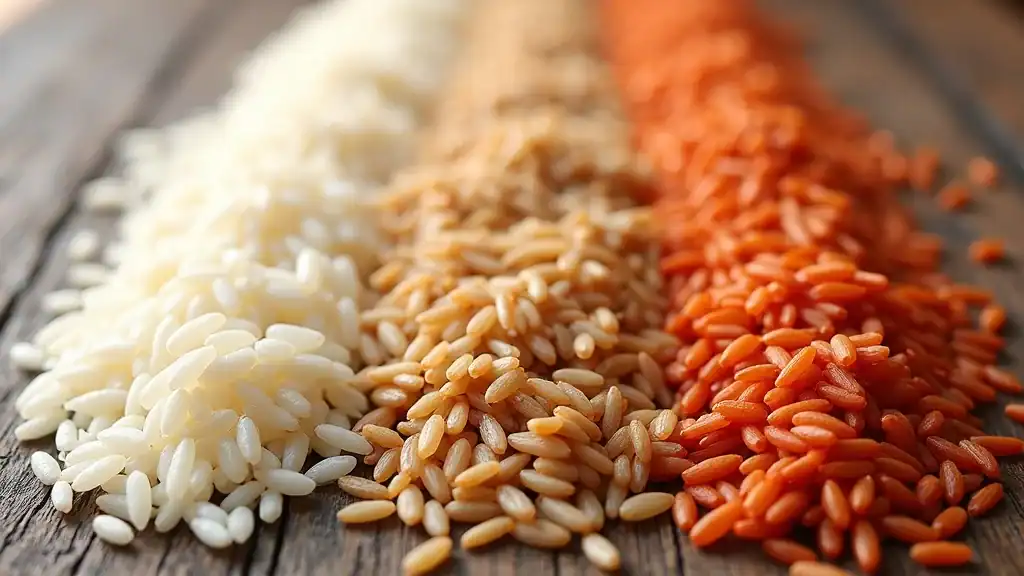
|
Rice Type |
Macros (per 1 cup cooked) |
Fiber (g) |
Glycemic Index |
Health Benefits |
|---|---|---|---|---|
|
White Rice |
~200 kcal / 4g protein / 0.4g fat / 45g carbs |
0.6 |
High (70-90) |
Quick energy, easy to digest |
|
Brown Rice |
~215 kcal / 5g protein / 1.8g fat / 45g carbs |
3.5 |
Medium (50-68) |
Rich in fiber, supports blood sugar control |
|
Red Rice |
~215 kcal / 5g protein / 1.6g fat / 45g carbs |
3 |
Medium (55-65) |
Antioxidants, micronutrients, heart health |
|
Wild Rice |
~165 kcal / 6.5g protein / 0.6g fat / 35g carbs |
3 |
Low (~45) |
High fiber, good protein, nutrient dense |
Meal Plans: Integrating Rice into a Weight Loss Diet
Creating a Balanced Meal Plan with Rice for Weight Management
Integrating rice into a healthy meal plan for weight loss requires balance and thoughtful portioning. Begin with a template that emphasizes lean proteins (such as chicken breast, tofu, or fish), colorful non-starchy vegetables, and just enough rice—ideally 1/2 cup to 1 cup cooked per meal—to provide satisfaction without excess calories. Choose low-glycemic types of rice (brown, red, wild) most of the time, and mix with heart-healthy fats like olive oil or avocado for flavor and satiety.
Ensure that your meal plan includes variety and covers your essential nutrient needs. Eating rice with lean protein and vegetables promotes fullness, supports stable blood sugar, and helps prevent late-day cravings. Rotating rice with other whole grains keeps menus interesting and nutrient profiles balanced for long-term weight management.
Practical Tips: How to Eat Rice to Lose Weight Without Causing Blood Sugar Spikes
The key to enjoying rice while pursuing weight loss lies in preparation and pairings. Practice portion control: limit servings of rice to sensible amounts (1/2 cup to 1 cup cooked per meal), and fill the remainder of your plate with non-starchy vegetables and lean protein. Whenever possible, opt for brown rice, red rice, or wild rice, which are richer in fiber and lower on the glycemic index compared to white rice.
Spacing rice consumption around periods of higher activity (such as lunch) may also help your body use the carbohydrates more efficiently and minimize any negative impact on blood sugar. Combining rice with beans, veggies, or healthy fats further slows digestion and blunts sugar spikes. Mindful eating—chewing slowly and savoring flavors—also supports better portion control and satisfaction.
Portion control strategies
Combining rice with protein and fiber
Choosing low-glycemic types of rice
Timing of rice consumption for optimal blood sugar management

"The key to using rice for weight loss lies in the type and portion size, not in strict avoidance," says dietitian Dr. Green.
Potential Drawbacks: Does Rice Cause Weight Gain or Blood Sugar Spikes?
Examining the Risk of Weight Gain from Rice Consumption
While rice itself is not inherently fattening, excess consumption—especially of highly processed forms like white rice—may contribute to increased caloric intake and potential weight gain. The relatively low levels of fiber in white rice can lead to less satiety, making it easier to overeat and surpass energy needs. Diets high in refined grains have been linked to incremental increases in body weight when energy consumption consistently exceeds expenditure.
For most people, the risk is not from eating rice, but from lack of moderation and unbalanced meal composition. Replacing some rice with vegetables, ensuring lean protein, and following portion guidance can help maintain or decrease weight as part of an overall healthy weight loss journey.
Rice, Blood Sugar Spikes, and Diabetes: What the Evidence Shows
Frequent blood sugar spikes from large servings of high glycemic index rice may increase risk for metabolic syndrome and type 2 diabetes in susceptible individuals. This concern has led many health professionals to warn those with prediabetes or known blood sugar issues to choose brown, red, or wild rice over white rice, and to further reduce portion sizes. Studies show that pairing rice with protein and vegetables can help blunt these spikes and promote more stable sugar levels.
It's crucial for individuals with diabetes or insulin resistance to monitor their blood glucose responses to different rice types. Whole grain options also bring additional minerals that may benefit energy metabolism and blood sugar control.

The Role of Rice in Blood Pressure and Overall Health
Historically, the rice diet was developed to help lower high blood pressure. Many whole grain rices (especially wild rice and brown rice) are naturally low in sodium and contain potassium and magnesium, both of which are supportive of healthy blood pressure levels. Additionally, rice is gluten-free and unlikely to trigger allergenic responses, making it suitable for a diverse population.
However, overconsumption, particularly of white rice, may lead to missed opportunities for more nutrient-rich foods and thus should be approached with moderation. The key takeaway: the impact of rice on blood pressure and broader health depends on the overall quality of your meal plan.
Health Benefits of Rice: Weighing the Pros and Cons for Weight Loss
Rich in essential nutrients and minerals
Gluten-free carbohydrate source
Potential cardiovascular benefits
Risks of excessive rice consumption
Exploring the Types of Rice: How Choice Impacts Weight Loss
White Rice vs. Brown Rice: Health Benefits and Weight Loss Claims
When comparing white rice and brown rice, health experts routinely highlight the benefits of the latter for weight loss and management. Brown rice contains the whole grain, meaning it retains its fiber, vitamins, and minerals left behind during processing. This makes brown rice a more filling, blood sugar-friendly option that can fit into meal plans for individuals aiming to lose weight. White rice, in contrast, offers a quick energy source but less staying power and fewer nutrients per serving.
Still, white rice can have a place in a balanced diet when consumed mindfully and not as the sole or dominant grain. Cooking methods, meal combinations, and overall lifestyle matter more than the strict inclusion or exclusion of one type over another.
Red Rice and Wild Rice: Nutritional Advantages and Disadvantages
Red rice and wild rice are more nutrient-dense options, boasting higher antioxidant content, more fiber, and in the case of wild rice, slightly higher protein compared to traditional white or brown. These rices can contribute positively to heart health, blood sugar control, and overall satiety, all relevant to the weight loss journey. Their relative scarcity and sometimes higher cost may limit their accessibility, but rotating them into weekly meal plans offers diversity and additional nutrients.
The only significant disadvantage for most people is adjusting to the unique flavors and textures, which may not fit every recipe. However, adventurous eaters often find the added nutrition and satisfaction well worth the culinary exploration.

Brown Rice: Great for weight loss due to fiber and nutritional density.
Red Rice: Offers antioxidants and fiber; supports satiety.
Wild Rice: High in protein and fiber, low in calories; excellent for weight control.
White Rice: Fast energy, but best enjoyed in moderation as part of a balanced meal.
People Also Ask: Rice Weight Loss Q&A
What is the 7 day rice diet?
Answer to: What is the 7 day rice diet?
The 7 day rice diet is a short-term meal plan where rice acts as the primary carbohydrate source, often combined with fruits, vegetables, and limited protein. Originally designed as a medical intervention for high blood pressure, it promises rapid weight loss by restricting calories and sodium. While it may result in initial weight reduction, it’s typically considered a fad diet and is not recommended for long-term use due to potential nutrient deficiencies and sustainability concerns.
How to eat rice to reduce belly fat?
Answer to: How to eat rice to reduce belly fat?
To reduce belly fat while including rice in your diet, choose whole grain varieties like brown rice or wild rice, practice portion control (stick to 1/2–1 cup cooked per meal), and always pair rice with lean protein and high-fiber vegetables. Avoid fried rice dishes and excessive oils. Timing your rice intake earlier in the day may also support better energy utilization and weight management.
Can a diabetic person eat rice?
Answer to: Can a diabetic person eat rice?
Yes, a person with diabetes can include rice in their meal plan, but it’s best to opt for types lower on the glycemic index—such as brown rice, wild rice, or red rice—and to keep portions moderate. Always pair rice with fiber and protein to temper the effect on blood sugar levels. Monitoring personal blood glucose after rice-containing meals is recommended for best results.
Will I lose weight if I stop eating rice?
Answer to: Will I lose weight if I stop eating rice?
Eliminating rice may reduce your overall calorie intake, potentially resulting in weight loss if not replaced with higher-calorie alternatives. However, successful and sustainable weight loss comes from healthy meal planning and balanced eating—not from cutting out one particular food. Focus on overall calorie balance and nutrient quality rather than complete rice avoidance.
FAQs: Common Questions About Rice and Weight Loss
Is brown rice better for weight loss than white rice?
Do rice diets really work for long-term weight management?
How much rice is safe to eat daily when trying to lose weight?
Are there any health risks associated with eating rice for weight loss?
Key Takeaways: Rice Weight Loss—What Really Matters
Rice can be part of a healthy weight loss strategy when chosen and prepared wisely
No single type of rice is a miracle for weight loss; success depends on overall dietary habits
Balance, moderation, and personalization are key to leveraging rice for weight management
Final Thoughts: Should You Use Rice for Weight Loss?
"Rice is neither a villain nor a miracle food for weight loss—context, preparation, and portion control are crucial," according to leading nutritionists.
Consult a health professional before making major dietary changes
Focus on personal health goals and nutritional needs
Ready to Make Smart Choices in Your Weight Loss Journey? Take Action Today!
Review your current meal plan, explore healthier types of rice, and take practical steps toward your best weight loss journey yet. Choose balance—and let informed decisions guide your path to wellness.
If you’re inspired to take your wellness journey even further, consider exploring the broader principles that underpin lasting health and vitality. Our guide on building a healthy lifestyle routine for vitality dives into holistic habits, mindset shifts, and daily practices that support not just weight management, but overall well-being. By integrating these foundational strategies with your nutrition choices, you’ll be empowered to create sustainable results and a more energized, balanced life. Let your next step be a commitment to comprehensive health—because true transformation goes beyond the plate.