
Did you know that nearly 77% of people experience physical symptoms caused by stress on a regular basis? If you’re one of them, you’re not alone—and there’s good news. Simple, enjoyable activities and proven relaxation techniques can transform the way you feel, sharpening your focus and boosting your mood even on the most demanding days. This comprehensive guide dives into the most effective stress management activities, teaching you how to manage stress, support mental health, and develop healthy habits for long-term well-being. No matter where you are in your journey, you’ll find practical solutions you can start using today to regain a sense of calm and control over your life.
Why Stress Management Activities Matter: A Startling Look
Stress isn’t just about feeling overwhelmed. Chronic stress fuels a host of health problems, from a racing heart rate and increased blood pressure to sleep issues and changes in mood. In today’s fast-paced world, learning to manage stress effectively isn’t a luxury—it’s essential for maintaining your mental wellbeing. By engaging in fun activities, embracing new relaxation techniques, and adopting stress management strategies, you’ll build resilience, ease tension, and improve both your daily life and your long-term health outcomes. These activities can help reduce anxiety, improve emotional balance, and promote positive psychology practices that ground you in the present moment, allowing you to respond calmly to stressful situations rather than simply reacting.

Embracing stress management activities outdoors can boost your sense of calm and connection.
“Up to 77% of people regularly experience physical symptoms caused by stress.” — American Institute of Stress
Ignoring stress can trigger a harmful stress response throughout the body, weakening the immune system and making you more vulnerable to illness. But when you regularly commit to stress management activities, you reinforce your emotional and physical health and lay the foundation for positive daily habits. Ready to get started?
What You’ll Learn About Stress Management Activities
-
Understand the science of stress and its impacts on mental health
-
Discover a variety of fun activities and relaxation techniques for stress relief
-
Gain tools for deep breathing, positive psychology, and effective self-care
-
Find practical resources to support your stress management journey
Understanding Stress Management: The Science & Effects
How Stress Affects Your Mental Health and Wellbeing
Stress triggers a complex chain reaction in the body, activating hormones like cortisol and adrenaline. While this “fight-or-flight” response was helpful for our ancestors in facing immediate threats, today’s stress often comes from work, relationships, or the constant buzz of daily life. Chronic stress can disrupt your sleep, weaken your immune system, and even impact heart rate and blood pressure. Over time, feeling on edge or overwhelmed can lead to mental health problems like anxiety, depression, or burnout.

Stress can impact mental health, but even small steps like deep breathing or a good laugh can help restore balance.
That’s why stress management activities are not only about relaxation techniques but about rebuilding daily life in a healthier, more mindful way. Engaging in positive psychology practices, such as gratitude journaling or spending time with friends, helps disrupt the cycle of stress and enhances emotional resilience. By embracing fun activities that encourage you to be present and pay attention, you can counteract racing thoughts, reduce anxiety, and reclaim your sense of calm.
For even more practical ways to nurture your mental wellbeing, you might find it helpful to explore additional mental health tips that complement these stress management activities and support a balanced lifestyle.
Essential Components of Effective Stress Management Activities
An effective stress relief plan is holistic, targeting both body and mind. This can include mindful practices like deep breathing or body scan relaxation techniques, as well as physical activity that gets your blood pumping and relieves tension. Social support, positive psychology, and self-care routines further amplify the benefits. When you combine these components, you build resilience against stressful situations and experience significant improvements in your mental and physical health.
|
Impact of Chronic Stress |
Benefits of Stress Management Activities |
|---|---|
|
Increased illness risk |
Improved immunity |
|
Trouble focusing |
Enhanced cognition |
|
Mood changes |
Better emotional balance |
Whether you’re battling a hectic schedule or seeking relief from persistent stress, these activities form the backbone of mental wellbeing. The right mix of fun activities, positive psychology, and relaxation techniques helps calm your stress response, lower blood pressure, and support a healthy heart rate over time.
How to Choose the Right Stress Management Activities
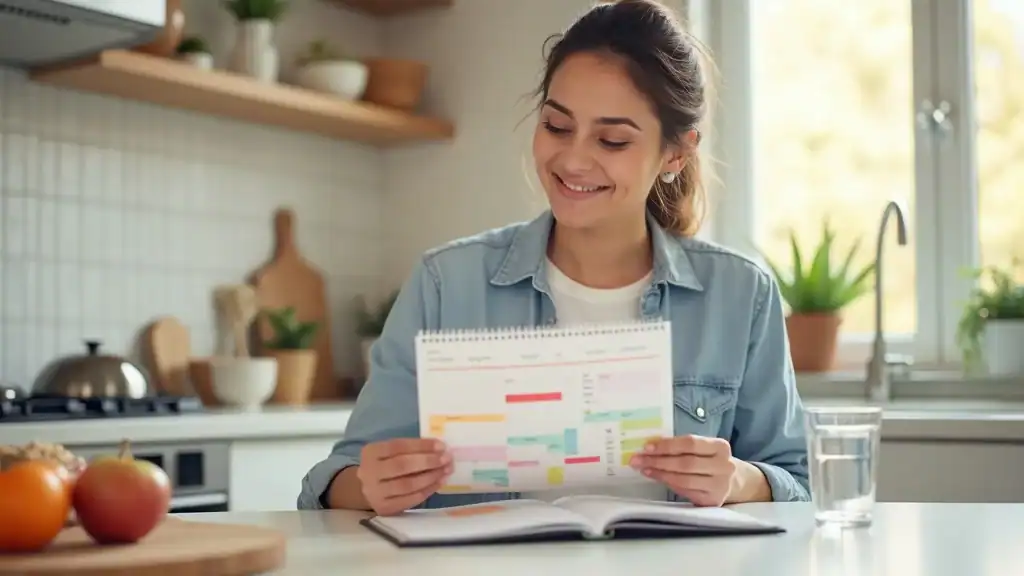
Choosing stress management activities that fit your preferences increases your chance of long-term success.
Personal Preferences and Mental Health Considerations
Every person responds differently to stress, so personalized strategies are key. When picking your ideal stress management activities, start with your unique preferences. If you enjoy physical activity, try yoga or outdoor walks. If you prefer creative expression, art or music therapy might be for you. Consider mental health factors as well—those struggling with anxiety may benefit more from grounding exercises or mindfulness practice, while someone experiencing low mood might be lifted by social connection or a good laugh. Paying attention to your response during these activities can help you discover what truly eases tension and supports your mental wellbeing.
The great news? There’s no wrong answer. Mixing and matching fun activities increases variety and keeps you motivated, reducing the risk of boredom—a major barrier to establishing long-term, healthy habits. Prioritize what feels enjoyable and sustainable in your daily life, and don’t hesitate to experiment. Monitor your heart rate, mood, and energy levels to gauge which activities offer the best relief.
Positive Psychology and Activity Selection
Positive psychology focuses on building strengths and fostering optimism rather than just treating symptoms. Incorporating positive psychology into your stress management activities means gravitating toward activities that encourage joy, gratitude, and social connection. Practices like keeping a gratitude journal, engaging in acts of kindness, or repeating daily affirmations are often overlooked but can have powerful effects on stress levels and overall happiness. Evidence suggests that these activities help you reframe stressful situations, enhance your resilience, and create lasting improvements in your quality of life.
Ultimately, the best stress management activities are those you look forward to, making it easier to integrate them into your daily routine. Remember, “taking control” of stress is a skill honed through regular, enjoyable practice grounded in the principles of positive psychology and self-care.
Top 10 Stress Management Activities to Relieve Stress Today
-
Mindful Meditation (relaxation techniques): Focus on the present moment to find a sense of calm and reduce anxiety.
-
Guided Deep Breathing Exercises: Take slow, deep breaths to lower heart rate and blood pressure, promoting relaxation.
-
Yoga for Body and Mind: Integrates physical activity, mindfulness practice, and breathing for comprehensive stress relief.
-
Expressive Writing & Journaling: Process racing thoughts by putting them on paper, fostering clarity and perspective.
-
Outdoor Walks and Nature Activities: Spending time in green spaces supports mental health and refreshes your senses.
-
Art Therapy: Drawing and Painting: Engage creativity to ease tension and improve mood.
-
Music for Mood Regulation: Listening or playing music is a fun activity with proven stress reduction benefits.
-
Physical Exercise and Movement: Activities like walking, dancing, or swimming promote endorphin release and help relieve stress.
-
Progressive Muscle Relaxation: Systematically tensing and relaxing muscle groups reduces physical tension and mental strain.
-
Digital Detox Moments: Taking screen breaks helps manage stress, combat digital fatigue, and support mental wellbeing.
Try mixing several activities to discover what works best for you. Many relaxation technique apps or a free app for tracking progress can bolster your commitment and monitor improvements in mood or stress response.
Fun Activities to Manage Stress and Improve Mental Health
Creative Outlets: Art, Music, and DIY Projects
Creative endeavors offer a rejuvenating escape from stressful situations, engaging both mind and body in ways that encourage relaxation and personal growth. Art therapy, such as painting, drawing, or even adult coloring books, allows you to focus on the present moment and express emotions in a safe, nonverbal way. Similarly, playing or listening to music provides a powerful release, lifting your spirits and helping you process difficult feelings. DIY projects, from crafting to gardening, combine mindfulness practice with goal setting—supporting a sense of achievement and positive psychology in everyday life.

Engaging in creative activities supports mental health and helps relieve stress.
Studies show that regular participation in creative activities can lead to reductions in anxiety, improvements in mood, and an enhanced sense of calm. The best part? These fun activities require minimal resources to support your journey and are accessible for most individuals regardless of skill level.
Group Activities for Social Support and Reducing Stress
Social connection is a vital, yet often underappreciated, component of stress management. Group yoga sessions, team sports, or simply spending time with supportive friends can significantly lower stress levels and improve mental health. Positive group interactions trigger the release of oxytocin, a hormone that helps ease tension and build trust. Having a support network not only makes it easier to handle stressful situations, but also reinforces healthy daily habits—making it more likely that you’ll stick with your chosen activities over time.

Group activities foster social support, bolster resilience, and make stress management enjoyable.
Don’t underestimate the power of a good laugh, shared experiences, or the accountability that comes from community. Whether it’s an organized class, a hobby group, or informal get-togethers, these social activities help you manage stress, feel connected, and maintain momentum on your mental wellbeing journey.
Relaxation Techniques: Expert-Recommended Approaches
Progressive Muscle Relaxation as a Relaxation Technique
Progressive muscle relaxation (PMR) is a proven relaxation technique that involves systematically tensing and relaxing different muscle groups throughout the body. By paying attention to physical sensations as tension melts away, you not only ease physical discomfort but also signal the brain to enter a more relaxed state. PMR is especially effective at lowering blood pressure, reducing heart rate, and promoting a sense of calm after a stressful day.

Progressive muscle relaxation is a simple way to ease tension and relieve stress at home.
This relaxation technique is easy to learn—simply start at your toes and move up the body, squeezing each muscle group for a few seconds before releasing. Over time, regular practice trains the body to recognize and counteract the early signs of stress. Pair PMR with deep breathing or a brief body scan for enhanced results and a faster return to your baseline sense of calm.
Visualization and Guided Imagery for Stress Management
Visualization, also called guided imagery, is another expert-approved method for rapid stress relief. By imagining yourself in a peaceful place—a quiet beach, tranquil forest, or sun-filled room—you prompt a calming response in your mind and body. Visualization can help reduce anxiety, slow a racing heart rate, and transport you away from stressful situations, even if only for a few moments. This practice is frequently combined with mindfulness meditation or deep breathing for a synergistic effect.
Guided imagery is readily accessible through apps, online platforms, or mental health resources to support your stress management activities, making it an ideal option for busy lifestyles or those new to relaxation techniques. Practicing regularly can help you “reset” your mood and develop new coping skills for daily life.
Deep Breathing: The Foundation of Stress Management Activities
Step-by-Step: Deep Breathing Methods and Tips
Deep breathing is the cornerstone of effective stress management activities. It’s easy to do, requires no equipment, and offers instant results by sending calming signals through the nervous system. Begin by finding a comfortable, quiet place. Sit with your back straight, place one hand on your chest and the other on your abdomen. Inhale slowly through your nose, letting your abdomen expand while counting to four, then hold for a moment and exhale gently through your mouth, counting to six. Repeat this process for several breaths, focusing on the gentle rise and fall of your abdomen and the present moment.
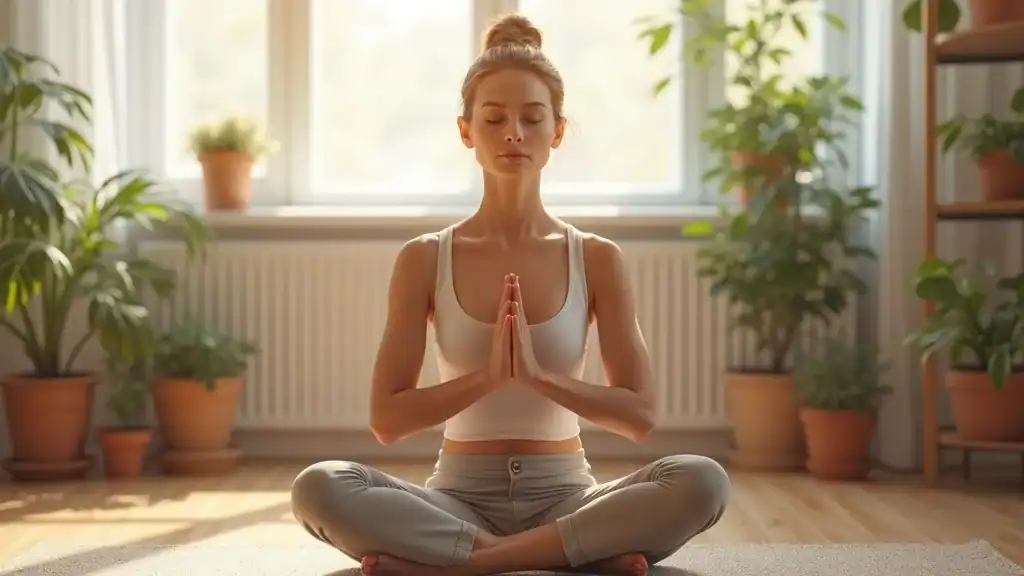
Deep breathing techniques can be practiced anywhere and are proven to reduce stress quickly.
Deep breaths help counteract the “fight-or-flight” stress response, reduce blood pressure, steady the heart rate, and promote a feeling of control. Experts recommend incorporating deep breathing into your daily routine—as a response to stressful situations, before sleep, or as a mindful pause during busy periods. Pairing deep breathing with other relaxation techniques, like progressive muscle relaxation or mindfulness meditation, maximizes benefits and strengthens your resilience to stressors in daily life.
Positive Psychology in Stress Management Activities
Gratitude Journals and Affirmations
Building gratitude and self-affirming habits are hallmarks of positive psychology—and powerful additions to your list of stress management activities. A gratitude journal prompts you to reflect on positive moments, people, or achievements each day, training your brain to notice what’s going well even amidst stressful situations. Similarly, repeating daily affirmations boosts self-esteem and helps you reframe negative thinking patterns that can heighten anxiety and stress.

Gratitude journals encourage reflection and help reinforce a positive mindset—just one of the many stress management activities available.
Over time, these positive psychology strategies improve mood, foster resilience, and support mental health without requiring complicated tools or training. Begin or end each day with a simple gratitude entry or affirmation, and notice how your outlook transforms—even small steps can yield profound results for mental wellbeing and stress relief.
Resources to Support Your Stress Management Activities Journey
-
Mobile Apps for Stress and Anxiety: Use a free app like Calm, Headspace, or Insight Timer for guided relaxation techniques and mindfulness practice.
-
Local Support Groups: Community groups or therapy sessions offer support and ideas for managing stress and improving mental health.
-
Mental Health Helplines: Hotlines provide immediate help and professional advice during overwhelming or stressful situations.
-
Online Relaxation Technique Platforms: Access body scan, visualization, or guided breathing exercises at any time to ease tension and regain control.
These resources to support your journey are invaluable for maintaining motivation, discovering new stress management activities, and connecting with others who understand your experiences.
People Also Ask: Popular Stress Management Activities Questions
What are the activities for stress management?
Common activities for stress management include mindful meditation, deep breathing, physical exercise, artistic pursuits, and spending time in nature. Each helps manage stress by improving relaxation and overall mental health.
What are the five stress management techniques?
The top five stress management techniques are deep breathing, progressive muscle relaxation, physical activity, mindfulness meditation, and social connection. These methods are recognized for effectively reducing stress levels.
What are the 5 C’s of stress management?
The 5 C’s are Communication, Control, Commitment, Challenge, and Connection. These foundational concepts promote a balanced and resilient approach to managing stress.
What are the 5 R’s of stress management?
The 5 R’s are Recognize, Reduce, Relax, Reframe, and Reach Out. These steps guide individuals in understanding, addressing, and overcoming stress.
FAQs on Stress Management Activities
-
Can stress management activities improve physical health?
Yes, regular participation in stress management activities like deep breathing, physical exercise, or mindfulness practice can lower blood pressure, improve heart rate variability, and boost immunity—all critical for physical and mental health. -
How can I make relaxation techniques a daily habit?
Start by scheduling brief sessions for relaxation techniques into your daily routine—right after waking up, during lunch, or before bed. Use reminders or a free app to keep consistent and pair the activity with another daily habit, like brushing your teeth, for easier integration. -
Are there specific activities recommended for teens?
Absolutely. Teens often benefit from social activities (sports, clubs), mindfulness meditation, art therapy, and exercise routines that combine movement with fun. These options support mental health and resilience during adolescent stressors. -
What resources support stress management at work?
Employees can benefit from in-office wellness programs, access to mental health helplines, digital apps for mindfulness or meditation breaks, and group activities designed to foster connection and alleviate workplace stress.
Key Takeaways
-
Effective stress management activities support both mental and physical health
-
Choosing fun activities increases the likelihood you’ll stick with stress management
-
Deep breathing and relaxation techniques form the foundation for stress relief
-
Use available resources and support networks for long-term success
Start Your Path to Effective Stress Management Activities Today
Start small but start now—choose one stress management activity that excites you and make it a part of your daily life.
If you’re ready to take your well-being to the next level, consider broadening your approach by exploring a variety of tips for healthy living that go beyond stress management. From nutrition and fitness to daily routines that foster resilience, these insights can help you build a more balanced, vibrant lifestyle. Embracing a holistic perspective empowers you to not only manage stress but also thrive in every aspect of your life. Dive deeper into these strategies and discover new ways to support your mental and physical health for the long term.