Did you know that over 40 million adults in the U.S. are affected by anxiety disorders? The world is facing a silent epidemic, and many people find it hard to cope with stress and anxiety in their daily life. Fortunately, there are proven anxiety reduction techniques that can help you feel more in control—and in this guide, we’ll break down exactly what works, why, and how to implement these methods starting today.
A Startling Look at Anxiety Today: Why Anxiety Reduction Technique Matter
In our fast-paced, always-connected world, stress and anxiety have reached record-high levels, impacting people of all ages and backgrounds. With constant exposure to stressful situations, information overload, and life’s unpredictable events, many individuals struggle to manage their mental health. This rising tide of anxiety makes it essential to understand effective ways to reduce stress—not just for occasional relief, but as part of a sustainable daily routine. The right anxiety reduction techniques can empower you to lower your heart rate, improve sleep, and tackle the demands of modern life with renewed confidence.
Understanding how to reduce anxiety isn’t only about feeling better in the moment. Long-term stress and anxiety can contribute to serious health conditions such as hypertension, heart problems, or stress disorder. By learning how to implement and personalize relaxation techniques, you can address both immediate symptoms and prevent future health problems. We’ll explore how science-backed and practical approaches can support your journey toward mental wellness.
“Did you know that over 40 million adults in the U.S. are affected by anxiety disorders? Effective anxiety reduction techniques are more critical than ever.”
Understanding the Scope: Stress and Anxiety Statistics
According to recent reports, anxiety disorders affect around 18% of U.S. adults yearly—which translates to more than 40 million people. Stress and anxiety are among the most common mental health challenges today, with numbers increasing due to societal pressures, economic instability, and global uncertainty. Studies from the National Institute of Mental Health reveal that chronic stress can impair decision-making, weaken immune response, and even disrupt family member relationships.
Research suggests a direct connection between unmanaged stress and long-term health problems, including heart disease and digestive issues. Many individuals who feel anxious daily report a decline in work performance, academic success, and overall well-being. The ubiquity of stress and anxiety highlights a universal need for accessible, effective relaxation techniques—techniques that are evidence-based, easy to use, and adaptable to various lifestyles.
What You’ll Learn About Anxiety Reduction Techniques
-
The science behind leading anxiety reduction technique
-
Evidence-based ways to reduce anxiety and stress
-
Practical relaxation techniques for daily use
-
Guidance on choosing the right approach for your mental health
The Science Behind Anxiety Reduction Technique
Understanding the science of how stress affects the body and mind is key to selecting the right anxiety reduction techniques. When faced with a stressful situation, your body’s stress response activates, leading to a surge in hormones like cortisol and adrenaline. This response is helpful for short-term emergencies but can harm your health when triggered repeatedly over time. Effective relaxation techniques work by counteracting this stress response and activating pathways associated with calm, focus, and emotional regulation.
Modern approaches to mental health care now emphasize the importance of integrating science-backed relaxation techniques into daily life. Whether through deep breathing, mindfulness meditation, or guided imagery, research suggests that consistent practice can help reduce stress and lower anxiety levels. These techniques not only help alleviate symptoms in the present moment but also support the brain’s ability to manage future stressors, making them essential tools for anyone who feels anxious regularly.
For those interested in how physical activity can further support mental wellness, exploring the hidden benefits of daily exercise reveals additional strategies that complement anxiety reduction techniques and promote overall well-being.
How Stress and Anxiety Affect Your Mind and Body
Chronic stress and anxiety can have profound effects on your brain, nervous system, and overall health. The stress response—commonly known as “fight or flight”—increases heart rate, muscle tension, and alertness. Over time, if you don’t manage anxiety, this heightened state can decrease your body’s resilience and contribute to physical health conditions like high blood pressure, weakened immune system, or digestive issues.
Scientific research highlights how techniques such as deep breathing and progressive muscle relaxation can help restore balance. These methods reduce the impact of stress hormones, calm your nervous system, and foster a sense of well-being. Understanding the connection between mind and body empowers you to select anxiety reduction techniques that address both mental and physical symptoms, offering holistic and lasting relief.
The Role of Mental Health in Anxiety Reduction
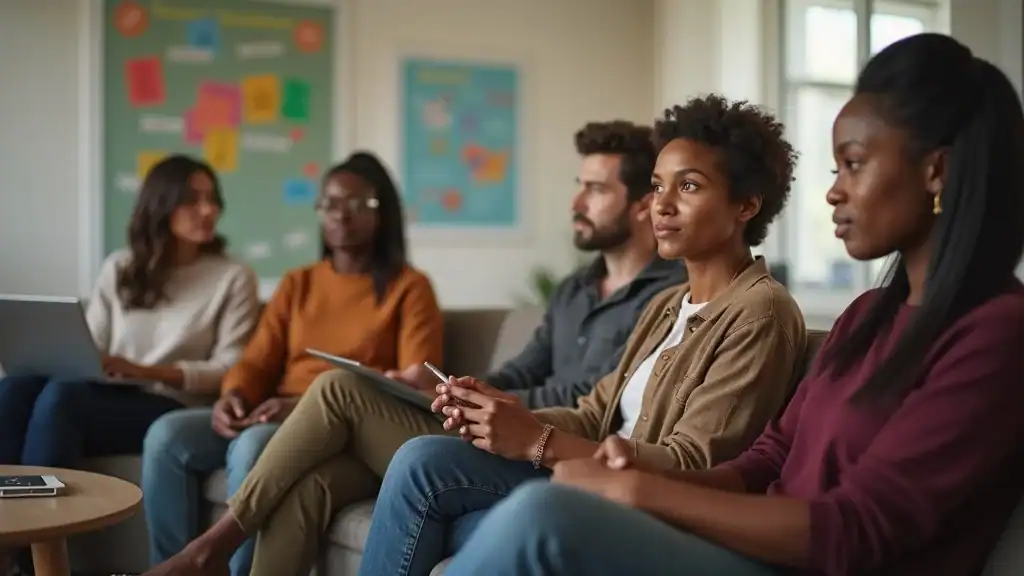
Mental health plays a central role in effective anxiety reduction. People with anxiety may find it hard to focus, feel relaxed, or even go about daily activities without intense worry. The psychological aspect of anxiety affects mood, decision-making, and relationships. Incorporating expert advice and evidence-based practices into your routine—such as mindfulness meditation, guided imagery, or peer support—can lead to meaningful improvements.
It’s essential to recognize that mental health support, whether through professional health care or community-based resources, is not a sign of weakness but a proactive way to build resilience. When you prioritize mental health, you’re more equipped to adopt relaxation techniques that work best for you, making it easier to reduce anxiety and respond constructively to life’s challenges.
Top Proven Anxiety Reduction Techniques for Everyday Life
With so many approaches available, it’s important to focus on anxiety reduction technique that have strong scientific backing and can be easily integrated into daily life. Below, we explore the most effective relaxation techniques, from foundational breathing exercises to movement-based therapies and mindfulness practices. Each technique is designed to help you reduce stress, alleviate anxiety symptoms, and develop lifelong coping skills.
These proven approaches are recommended by mental health professionals and supported by peer-reviewed research. Whether you’re new to relaxation techniques or looking to expand your toolkit, these methods can be tailored to your individual needs and goals, ensuring you feel more in control—even during a panic attack or stressful situation.
Deep Breathing: The Foundational Relaxation Technique
Deep breathing is widely recognized as a foundational relaxation technique for managing stress and anxiety. The act of inhaling deeply and exhaling slowly signals the body to relax, helping lower your heart rate and reduce tension. Breathing exercises can be practiced anywhere, providing rapid relief in moments when you feel anxious or overwhelmed. For example, the popular 4-7-8 technique involves inhaling for four seconds, holding for seven, and exhaling for eight—helping to calm your nervous system and refocus your mind on the present moment.
Scientific studies affirm that structured breathing exercises can improve oxygen flow, enhance mental clarity, and decrease stress hormones in the body. Integrating deep breathing into your daily routine can make it easier to cope during a panic attack or after a stressful event, reinforcing your resilience and supporting overall mental health. Even a few minutes of conscious breathing each day can help prevent the escalation of anxiety symptoms and promote a sustained sense of calm.
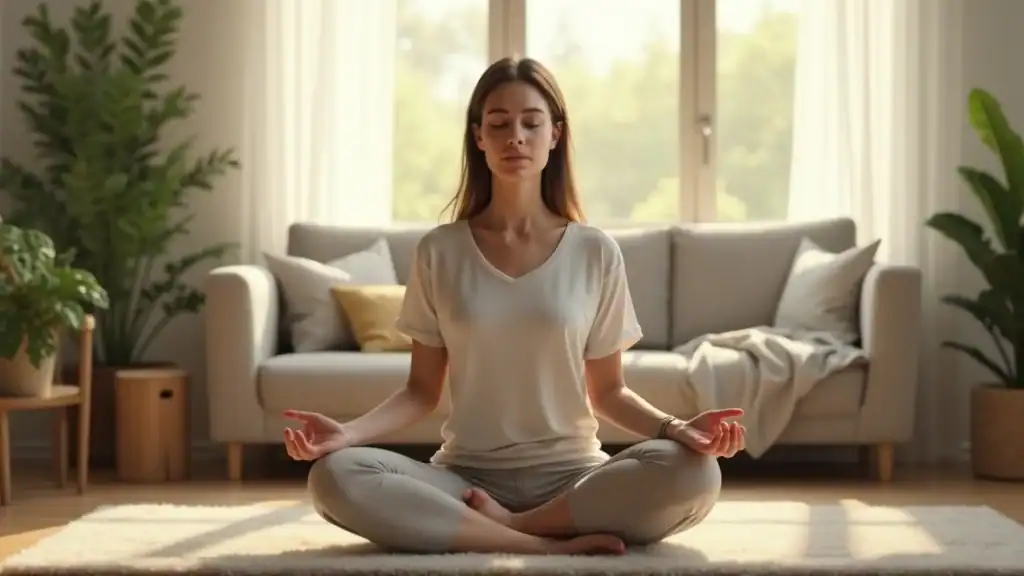
Guided Imagery and Visualization Techniques for Stress Relief
Guided imagery uses mental visualization to transport your mind to peaceful, calming environments, helping to alleviate anxiety symptoms and reduce stress. This technique is often guided by recordings or scripts that invite you to imagine relaxing scenes, sounds, or sensations. As your attention shifts to these positive mental images, your body’s stress response diminishes, offering relief from tension and worry. Guided imagery is particularly helpful for people who find it hard to relax due to racing thoughts or persistent anxiety.
Research suggests that practicing guided imagery can decrease muscle tension, slow heart rate, and foster a greater sense of well-being. Used in therapy and self-help contexts, guided imagery is a powerful complement to other anxiety reduction techniques, such as mindfulness meditation or progressive muscle relaxation. Incorporating visualization techniques into your daily life can help you develop healthier responses to common stressors and empower you to recover more quickly from stressful situations.
Progressive Muscle Relaxation Techniques to Calm Anxiety
Progressive muscle relaxation (PMR) is a systematic relaxation technique that involves tensing and then slowly releasing different muscle groups throughout your body. This practice teaches you to distinguish between tension and relaxation, making it easier to relieve physical symptoms of anxiety. By focusing your attention on bodily sensation, PMR helps break the cycle of stress and anxiety, grounding you in the present moment.
Multiple studies highlight PMR’s effectiveness for reducing the intensity of panic attacks, lowering overall stress levels, and improving sleep quality. This technique can be mastered with guided audio or short instructional videos. For people who experience physical manifestations of anxiety—such as tight shoulders, headaches, or rapid heartbeat—PMR is one of the most accessible and science-backed relaxation techniques available. Regular practice will heighten your awareness of physical stress cues, making it easier to regain calm quickly in everyday life.

Tai Chi and Movement-Based Anxiety Reduction Techniques
Tai chi offers a gentle yet effective way to manage anxiety and reduce stress through slow, deliberate movements combined with deep breathing. Rooted in traditional Chinese medicine, tai chi integrates physical exercise, mindfulness, and breath control to create a moving meditation. Research suggests that regular tai chi practice can lower anxiety levels, improve heart rate variability, and boost mood.
Movement-based relaxation techniques like yoga and tai chi not only enhance flexibility and strength but also provide mental clarity and emotional resilience. These disciplines encourage present-moment awareness and offer structured, rhythmic motion that can be especially helpful for people who feel anxious or restless. Incorporating tai chi into your daily routine—either in a class, with a video, or on your own—can offer lasting benefits for both body and mind, helping to reduce anxiety symptoms and improve overall mental health.
Meditation and Mindfulness as Relaxation Techniques
Meditation and mindfulness teach you to observe thoughts and sensations without judgment, redirecting focus to the present moment. These practices are proven anxiety reduction techniques and are recommended by mental health professionals for their long-term benefits. Mindfulness meditation involves sitting quietly and paying attention to your breath, bodily sensations, or other anchors, helping to silence mental chatter and interrupt cycles of worry.
Evidence shows that regular mindfulness meditation can reduce stress, improve cognitive functioning, and decrease the likelihood of panic attacks or anxiety disorders. Mindfulness techniques can be practiced formally through guided sessions or informally by bringing attentive awareness to everyday activities. Integrating mindfulness into your lifestyle not only helps you feel calmer but also builds emotional resilience, supporting your ability to manage future stressors with greater ease and confidence.
How to Reduce Anxiety Naturally: Lifestyle Adjustments
While structured relaxation techniques offer targeted relief, your long-term success in anxiety reduction often hinges on daily lifestyle habits. Consistent exercise, balanced nutrition, hydration, and quality sleep are foundational to mental health. Studies indicate that people who engage in regular physical activity and maintain healthy routines are less likely to develop severe anxiety or require medical advice for related health problems.
Creating a supportive environment, whether through positive relationships, peer support, or reducing clutter, can lower everyday stress levels. Lifestyle adjustments should supplement, not replace, evidence-based anxiety reduction techniques. The synergy between healthy habits and targeted relaxation techniques will maximize your overall well-being, making it easier to manage stress in both ordinary and challenging situations.
-
Exercise as a daily anxiety reduction technique
-
Nutrition, hydration, and sleep habits for mental health
-
Creating a supportive environment for anxiety reduction
Recognizing and Coping with Panic Attacks
Panic attacks are sudden, intense surges of fear and physical discomfort, often accompanied by rapid heartbeat, shortness of breath, or dizziness. Recognizing the onset of a panic attack is the first step toward effective intervention. Immediate use of relaxation techniques can help shorten the duration and lessen the severity of panic attacks. Simple grounding strategies—such as deep breathing or progressive muscle relaxation—are especially effective, providing a sense of control in the midst of overwhelming emotions.
It can also be helpful to seek peer support or reach out to a trusted family member during a panic attack. This can help you feel less isolated and more able to process your experience. Knowing your triggers, developing an action plan, and familiarizing yourself with anxiety reduction techniques empower you to respond calmly and confidently when panic strikes, reducing the likelihood of long-term health problems or avoidance behaviors.
How to Use Relaxation Techniques to Manage a Panic Attack
When a panic attack occurs, having a toolkit of anxiety reduction technique is crucial. Begin by practicing slow, intentional breathing exercises—inhale through your nose for four seconds, hold for four, and exhale for four. Coupling this with guided imagery or progressive muscle relaxation can shift your focus away from physical symptoms and help ground your attention in the present moment. Many people find it helpful to keep a short list of their most effective relaxation techniques handy for quick reference during stressful situations.
If you often feel anxious or experience frequent panic attacks, consider developing a written plan in collaboration with a mental health professional. This plan might include reminders to practice relaxation techniques, tips for enlisting family member or peer support, and suggestions for removing yourself from overwhelming environments when necessary. Implementing these strategies makes each panic attack less daunting and helps you regain control faster.

Health Care Approaches: When to Seek Professional Help for Anxiety
While many anxiety reduction techniques can be practiced independently, there are times when professional intervention is needed. If anxiety or panic attacks begin to disrupt your ability to function, maintain relationships, or enjoy daily life, consider seeking help from a licensed health professional. Signs that warrant medical advice include persistent worry, avoidance of routine activities, or physical symptoms that could signal an underlying health condition.
Professional mental health care may involve therapy, group support, or, in some cases, medication. These approaches are often most effective when paired with daily relaxation techniques. Don’t hesitate to reach out for guidance, as early intervention can prevent anxiety from escalating into more severe mental health challenges or additional health problems.
The Importance of Regular Practice: Building Your Anxiety Reduction Routine
Consistency is key for success when using anxiety reduction techniques. Scheduling regular time each day to focus on relaxation—just like any other health habit—will reinforce the effectiveness of your chosen methods. Whether it’s a few minutes of deep breathing in the morning, mindfulness meditation during lunch, or tai chi after work, establishing a routine helps build resilience and transform new skills into lifelong habits.
To avoid common pitfalls, set realistic expectations and don’t be discouraged by slow progress. You may find it helpful to track your progress in a journal or planner, celebrating even small improvements. Integrating relaxation techniques into your existing schedule—such as during commutes, before bed, or while waiting in line—makes them more sustainable and impactful. Remember: the more you practice, the easier it becomes for your mind and body to reset during moments of stress or anxiety.
-
Scheduling time for relaxation techniques
-
Avoiding common pitfalls in self-care
-
Integrating relaxation techniques into daily routines
Comparison of Top Anxiety Reduction Techniques: Effectiveness, Ease, and Scientific Support
| Technique | Effectiveness | Ease of Use | Scientific Support |
|---|---|---|---|
| Deep Breathing | High | Very Easy | Strong |
| Progressive Muscle Relaxation | High | Moderate | Strong |
| Guided Imagery | Moderate to High | Easy | Moderate |
| Tai Chi | Moderate | Moderate | Moderate |
| Meditation/Mindfulness | High | Varies | Strong |
People Also Ask: Essential Answers on Anxiety Reduction Techniques
What is the 3 3 3 rule for anxiety?
The 3 3 3 rule for anxiety is a grounding technique that helps manage panic or anxiety by focusing on three things you can see, three things you can hear, and three things you can touch. This method encourages mindful attention to the present moment, interrupting anxiety spirals and providing a practical framework to regain calm during a panic attack or stressful situation.
How can I reduce my anxiety without medication?
You can reduce anxiety without medication by adopting lifestyle changes such as regular physical activity, practicing daily relaxation techniques like deep breathing or guided imagery, building a strong support network, and staying mindful of nutrition and sleep. Many people find it helpful to integrate mindfulness meditation or tai chi as part of their natural wellness routine. If anxiety persists or worsens, seeking professional health care advice is recommended.
What is the 555 rule for anxiety?
The 555 rule for anxiety is another grounding technique: take five deep breaths, identify five things you can see, and name five things you can touch. This structured approach helps you focus on your immediate environment, calming racing thoughts and anchoring you during periods of acute anxiety.
How to calm anxiety naturally?
Natural methods for calming anxiety include deep breathing exercises, progressive muscle relaxation, movement-based practices like tai chi or yoga, mindfulness meditation, and using guided imagery. Creating healthy routines around nutrition, sleep, and social support further supports your mental health, helping you feel more balanced and resilient in the face of stress and anxiety.
Frequently Asked Questions About Anxiety Reduction Techniques
-
Is anxiety reduction technique effective for everyone?
While most relaxation techniques benefit a wide range of people, effectiveness can vary based on individual preferences, underlying health conditions, and consistency of practice. Personalization and regular use are key. -
Which relaxation techniques work fastest for panic attacks?
Deep breathing and grounding exercises (like the 3 3 3 rule) are often the quickest methods to regain composure during a panic attack. Guided imagery and progressive muscle relaxation also provide rapid relief for many individuals. -
How often should I practice these techniques for best results?
Daily practice, even for a few minutes, enhances the effectiveness of anxiety reduction technique and builds emotional resilience over time. Consistency is more important than duration.
Key Takeaways on Anxiety Reduction Techniques
-
Variety of proven anxiety reduction technique are available
-
Consistency and personalization are essential
-
Seek professional health care when needed
Ready to Take Charge of Anxiety? Start Applying These Evidence-Based Techniques Today
Take action on your journey to better mental health: Explore these anxiety reduction techniques, find what works for you, and don’t hesitate to seek professional support if needed. Consistent practice can empower you to live a calmer, more fulfilling life—starting now.
If you’re eager to deepen your understanding of holistic wellness and how daily habits shape your mental health, consider reading about the hidden benefits of daily exercise. This broader perspective can help you unlock new strategies for resilience, energy, and emotional balance. By combining the right anxiety reduction techniques with a proactive approach to physical activity, you’ll be better equipped to thrive in every aspect of life. Continue your journey toward well-being by exploring how small, consistent changes can yield powerful results for both mind and body.