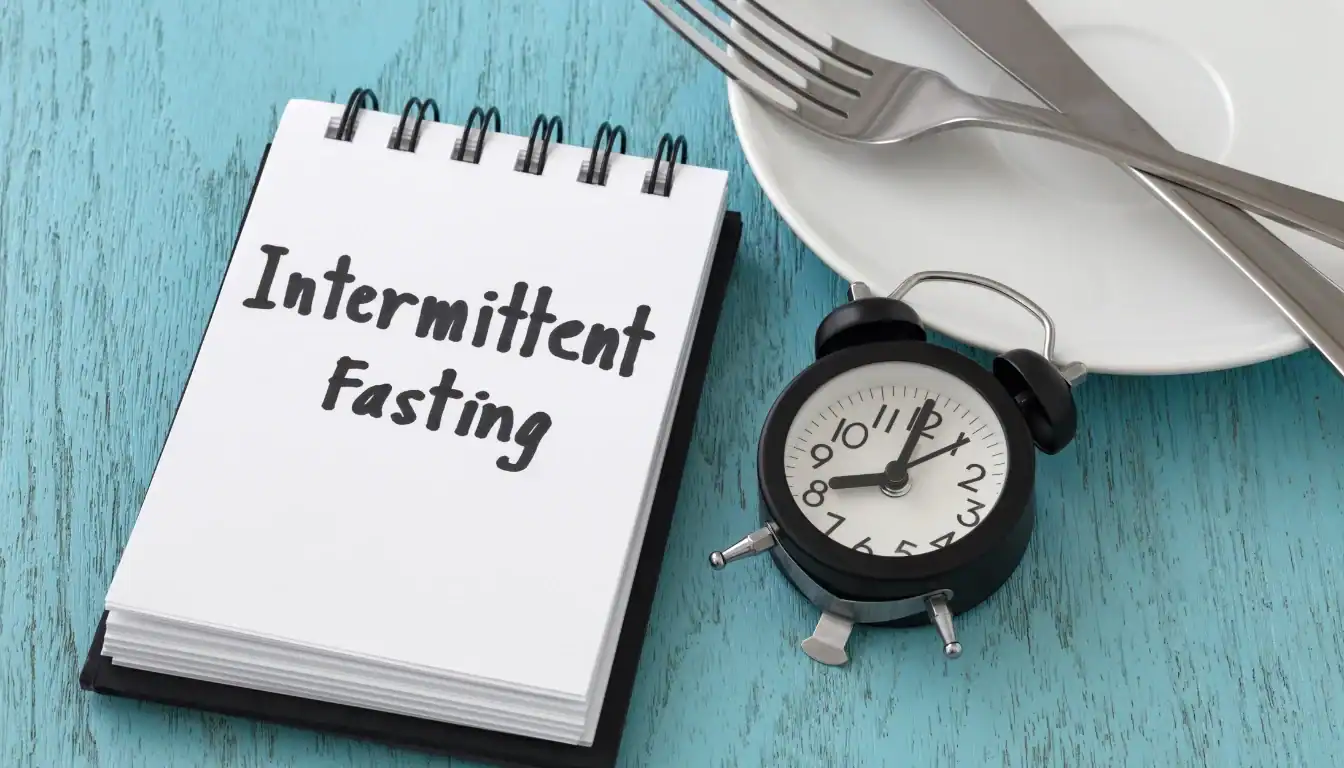

Did you know that over 50% of women over 50 who practice intermittent fasting report improved energy levels and better weight management within three months? If you’re wondering how intermittent fasting for women over 50 could help you unlock more energy and achieve weight management, you’re not alone
“Did you know that over 50% of women over 50 who practice intermittent fasting report improved energy levels and better weight management within three months?”

Startling Facts: The Growing Popularity of Intermittent Fasting for Women Over 50
Intermittent fasting for those women over 50 has rapidly gained traction as more women seek effective long-term strategies for weight management and enhanced vitality. Reports and studies suggest that midlife women are turning to intermittent fasting not just for the promise of weight loss but for the variety of health benefits that support aging well—including better metabolic health, blood sugar control, and cognitive support. Women in their fifties face unique challenges with changing hormones and slower metabolism, and traditional diets often fail to deliver lasting results. This is where an intermittent fasting schedule stands out, offering structure that supports successful weight manage efforts and more sustainable energy levels.
The Rise of Intermittent Fasting for Women in Their 50s
For women hitting their 50s, the journey often involves new milestones—retirement planning, post-menopause, and shifting energy. The rise in popularity of fasting for women in this age group isn’t just a trend; it’s grounded in the desire for wellness strategies that accommodate hormonal changes and evolving lifestyles. Research shows that women over 50 who practice intermittent fasting report greater consistency with weight manage and better emotional well-being. As the number of women embracing this lifestyle grows, so does the body of evidence supporting its unique advantages for this demographic.
Weight Manage and New Energy: Why More Women Over 50 Are Choosing Intermittent Fasting
Intermittent fasting addresses two of the biggest concerns for women over 50: weight gain and waning energy. This method encourages the body to shift into fat-burning mode during fasting windows, supporting more efficient weight loss and energy production. Women frequently experience sluggishness due to hormonal fluctuations; an intermittent fasting schedule can regulate these hormones, resulting in renewed vitality. Many also find that intermittent fast patterns simplify mealtimes, promote blood sugar stability, and create the structure needed for sustainable, healthy living well into the later years of life.
For a deeper look at how intermittent fasting specifically impacts weight loss results and what most people overlook in their approach, you may find it helpful to explore what most don’t know about intermittent fasting weight loss results. This resource breaks down common misconceptions and offers practical insights for optimizing your fasting journey.
What You’ll Learn About Intermittent Fasting for Women Over 50
-
Understand the science behind intermittent fasting for those women over 50
-
Learn how an intermittent fasting schedule supports weight loss, brain health, and blood sugar control
-
Explore the effects of intermittent fasting on weight management post-menopause
-
Discover safe and sustainable fasting for women techniques
The Science Behind Intermittent Fasting for Women Over 50
What Is Intermittent Fasting?
Intermittent fasting is an eating plan that cycles between periods of fasting and eating. Unlike traditional diets, intermittent fasting focuses on when you eat rather than what you eat. Popular patterns include fasting for 16 hours and eating within an 8-hour window, or fasting two days out of the week (the 5:2 schedule). For many women over 50, this approach simplifies mealtimes, removes food anxiety, and helps break through weight loss plateaus. Intermittent fasting for women encourages using stored body fat for energy, helps regulate blood sugar levels, and can provide other important health benefits without the need for extreme calorie restriction.
How Intermittent Fasting Impacts Women’s Health After 50
After age 50, women typically experience hormonal shifts, such as declining estrogen, which can increase the risk of weight gain and reduce bone density. Intermittent fasting assists in balancing hormones related to appetite and metabolism (like insulin and leptin), which is key for weight management and overall health. Studies suggest that postmenopausal women see improved insulin sensitivity, better metabolic health, and reduced inflammation when following a tailored fasting schedule. However, it’s crucial to remain mindful of your body’s response, particularly in managing energy and maintaining muscle mass while fasting. Regular evaluation and personal adjustment are advised to reap the full effects of intermittent fasting.

Hormonal Changes and Their Effect on Weight Management Over 50
Menopause introduces significant hormonal changes, including reduced estrogen and progesterone levels. These shifts influence how the body stores fat, manages appetite, and uses insulin. Many women over 50 notice new weight gain around their abdomen—a frustrating change that doesn’t always respond to traditional diets. By improving insulin sensitivity and supporting metabolism, intermittent fasting often enables more effective weight management after menopause. When paired with intentional meal choices and routine movement, an intermittent fasting schedule can decrease the risk of chronic diseases (like diabetes or heart disease) while empowering you with renewed vitality.
“Postmenopausal women are especially sensitive to the metabolic shifts triggered by intermittent fast patterns.” — Endocrinology Expert
Health Benefits of Intermittent Fasting for Women Over 50
Weight Loss & Weight Management with Intermittent Fasting
Achieving weight loss and managing weight are top goals for women exploring intermittent fasting after 50. Weight management is greatly supported by increased fat oxidation during fasting windows and fewer opportunities to overeat or snack unnecessarily. Unlike extreme diets, intermittent fasting offers a practical and sustainable way to lose weight while maintaining muscle mass. Research shows that intermittent fasting can combat the slow, creeping weight gain common in midlife, as well as helping to maintain a healthy body composition and metabolic health over time.
Blood Sugar Regulation and Diabetes Prevention
Blood sugar stability is essential for overall health and energy. Intermittent fasting for women over 50 can improve blood sugar management by reducing insulin resistance and enhancing the body’s natural ability to regulate glucose levels. Regular fasting intervals create periods where insulin levels drop, allowing fat burning and providing the pancreas with much-needed rest. This can be especially beneficial for women concerned about prediabetes or Type 2 diabetes, helping to prevent harmful spikes and crashes. Plus, women frequently see results like more consistent energy and fewer cravings, making it easier to stick with this eating plan for the long term.

Brain Health, Cognitive Aging, and Intermittent Fasting
Brain health is a growing focus for women as they age. Intermittent fasting promotes the production of brain-derived neurotrophic factor (BDNF), a protein that supports memory and cognitive function. Restricted eating windows may reduce inflammation, support brain plasticity, and protect against cognitive decline. Clinical research indicates that intermittent fasting can slow the progression of neurodegenerative diseases, improve focus, and even support mood stability—key elements in maintaining a sharp, agile mind after 50.
Long-Term Effects of Intermittent Fasting for Women
The long term effects of intermittent fasting for women over 50 extend beyond immediate weight loss. Women report increased energy, improved sleep, and reduced risk of chronic conditions, including heart disease and certain cancers. While these health benefits are promising, success hinges on personalizing your approach, staying attuned to your body, and balancing fasting with wholesome nutrition. With proper guidance, intermittent fasting for women provides a strong foundation for continued vitality and health in later decades.
-
Increased energy, improved sleep, reduced risk of chronic disease
Common Intermittent Fasting Schedules for Women Over 50
Popular Fasting Schedules: 16:8, 5:2, Alternate-Day Fasting
The flexibility of intermittent fasting schedules is a large part of their appeal—especially for women over 50 who want structure without the rigidity of diets. The 16:8 regimen involves fasting for 16 hours (including overnight) and eating all meals within an 8-hour window. The 5:2 fast means eating normally five days of the week and consuming just 500–600 calories on two non-consecutive days. Alternate-day fasting alternates between fasting and regular eating days. Each schedule has unique effects of intermittent fasting and suitability for different lifestyles and health goals. Choosing the right fasting window and schedule is about finding the balance that complements your existing commitments and supports sustainable, long-term health.
Comparison of Intermittent Fasting Schedules for Women Over 50
| Schedule | Fasting Window | Eating Window | Key Effects | Suitability |
|---|---|---|---|---|
| 16:8 | 16 hours | 8 hours | Easy to follow, supports stable weight manage, fits most routines | Most popular for beginners |
| 5:2 | 2 days/week: 24 hours each | 5 days/week normal eating | Improves insulin sensitivity, effective for weight loss | Good for flexibility |
| Alternate-Day | 24 hours every other day | Eating every other day | Intense fat burning, higher challenge | Best for experienced fasters |
How to Choose the Right Intermittent Fasting Schedule
Choosing the right intermittent fasting schedule starts with self-assessment and understanding your body’s cues. Consider your energy levels throughout the day, daily routines, health conditions, and social commitments. Women over 50 often find that a gradual approach—starting with a 12:12 schedule and moving toward 16:8—allows the body to adapt gently without severe hunger or fatigue. Consulting with your healthcare provider before making significant changes is strongly recommended, especially if you have underlying medical concerns. The best schedule is one you can maintain, supports your weight loss or weight manage goals, and provides the space for a balanced lifestyle.

Adapting Your Fasting Window for Women’s Unique Needs
Women’s nutritional and energy needs fluctuate due to hormonal and lifestyle factors. Adapting your fasting window can support better hormone balance and energy management. For example, starting with a shorter fasting window and gradually increasing it as your body adapts can deliver better results for women over 50. Additionally, choosing to fast during the least metabolically demanding part of your day (such as overnight) minimizes negative effects and supports effortless compliance. Individual needs should govern schedule modifications—don’t hesitate to make changes if your energy, mood, or performance seems to suffer. Flexibility is the key to ongoing weight management and well-being.
How to Start Intermittent Fasting for Women Over 50 Safely
Step-by-Step Guide to Initiating an Intermittent Fast
Embarking on intermittent fasting for those women over 50 is empowering when taken step by step. Begin by assessing your health status—consult your doctor, especially if you have a medical condition. Next, set realistic goals for weight loss, energy, or health improvements to keep motivation high and expectations practical. Choose a conservative fasting schedule such as 12:12 or 14:10 in the beginning, allowing your body time to adapt. Prepare for side effects like mild headaches, low energy, or irritability, which are normal as your body adjusts. Track your progress in a journal and adjust your fasting window as needed for comfort and sustainability.
-
Assessing your health status
-
Setting realistic weight loss and weight manage goals
-
Selecting the right fasting schedule
-
Preparing for potential side effects of intermittent fasting
Personalizing Your Approach to Intermittent Fasting for Women
Factors to Consider: Age, Physical Activity, and Medical Conditions
No two women are alike, and the most effective intermittent fasting for women over 50 approach reflects individual needs. Key factors to account for include your age, daily activity level, and any health conditions like diabetes, thyroid disorders, or bone density concerns. If you lead an active lifestyle, adjust your eating windows to fuel prior to or after workouts. Chronic medications and health risks must also be discussed with your provider before starting any new eating plan. Start with gentle fasting windows and personalize from there—put safety first and aim for long-term gains rather than quick fixes.

Modifying Your Fasting Schedule for Postmenopausal Changes
Menopause changes how women respond to food, fasting, and exercise. You may need to adapt your intermittent fasting window as hormone levels stabilize. Some women thrive with extended fasting windows, while others maintain energy and focus with shorter fasts and nutrient-dense meals. Pay attention to sleep, mood, blood sugar dips, and weight gain patterns; use them as feedback to iterate your fasting approach. Balanced nutrition, regular physical activity, and mindfulness around transitions like menopause ensure the best long-term results.
“There is no one-size-fits-all intermittent fasting schedule. Listen to your body.” — Nutritionist
Addressing Potential Challenges with Intermittent Fasting for Women Over 50
Managing Hunger and Energy Levels
Initial hunger and dips in energy can be among the toughest challenges as you adapt to an intermittent fast plan. Managing these effects often involves tweaking your fasting window, staying hydrated, and consuming more protein, fiber, and healthy fats during eat windows. Herbal teas or black coffee can take the edge off hunger during fasting periods. Fatigue may mean your fast is too long—don’t hesitate to start with shorter fasts or eat a small, balanced snack if needed. Over time, most women report improved satiety and energy management as their bodies adjust.
Overcoming Weight Gain Plateaus
Even with a solid intermittent fasting schedule, it’s normal to hit a weight loss plateau. Plateaus occur when your metabolism adapts or when calorie intake quietly increases during eating windows. To push through, pay attention to portion sizes, add extra physical activity, and reduce high-calorie processed snacks. Sometimes, a simple change in your fasting window or the inclusion of more lean protein and fiber-rich foods can help. Recording progress in a journal keeps you accountable and may help you spot trends to celebrate or address.
-
Tips for maintaining motivation and tracking progress

Adjusting Fasting Windows During Social or Travel Events
Flexibility is essential for keeping intermittent fasting for women over 50 realistic and sustainable. Life is full of holidays, travel, and social gatherings—times when sticking rigidly to your fasting window could add stress. Don’t be afraid to adjust your fasting start or end time to accommodate dinner with family or a special event. If you break your fast early, resume your routine the next day without guilt. Consistency over time, rather than daily perfection, delivers the long-term health benefits you’re after.
Intermittent Fasting for Weight Loss After 50: Success Stories
Case Study: Intermittent Fasting for Women Leading to Weight Loss
Real-life success stories paint a powerful picture of what’s possible. Many women over 50 have documented their intermittent fasting journeys showing steady weight loss, increased vitality, and dramatic before-and-after transformations. They credit the simplicity of the schedule and the suppression of cravings for making sustainable, healthy eating enjoyable. Practitioners often highlight increased mental clarity, improved sleep quality, and stronger motivation—even when progress is gradual. Quotes from practitioners: “Fasting helped me finally break the cycle of yo-yo dieting after menopause.” “I lost 20 pounds and have more energy for my grandkids now.” These journeys underscore the potential of intermittent fasting for women to create positive, lasting change.
-
Documented weight loss journeys, before and after transformations, quotes from practitioners
Hear directly from women over 50 about their intermittent fasting experiences—how it boosted energy, supported weight loss, and the strategies that helped them stick with it.
Maintaining Weight Management and Energy with Intermittent Fasting
Tips for Long-Term Weight Manage Success
The best results from intermittent fasting for women over 50 come from ongoing, mindful implementation rather than short-term diets. Maintain your success by tracking your fasting and eating patterns, staying hydrated, and supporting yourself with nutrient-rich foods. Set realistic goals and celebrate milestones to stay motivated, especially when progress feels slow. Consider checking in with others on a similar journey for encouragement and accountability—it’s the little habits that add up for long-term weight management and energy renewal.
Incorporating Exercise, Nutrition, and Lifestyle Changes
While intermittent fasting for women over 50 is a powerful weight manage tool, its benefits are amplified by a holistic approach. Combine fasting with regular exercise (such as strength training, walking, or yoga), balanced meals filled with lean protein, plenty of vegetables, and healthy fats. Focus on restful sleep, stress reduction, and maintaining a positive mindset. Lifestyle changes that support metabolic health, emotional balance, and social connection contribute to success as much as meal timing does. Embrace the process and enjoy the rewards of increased energy and wellness.
Watch a registered dietitian address your top questions about getting started, overcoming obstacles, and maintaining long-term success with intermittent fasting after 50.
Potential Risks and Medical Considerations for Intermittent Fasting for Women Over 50
Who Should Avoid Intermittent Fasting?
Intermittent fasting is generally safe for most healthy women over 50, but it’s not suitable for everyone. Women with a history of eating disorders, chronic diseases needing frequent nourishment, or those on medications affecting blood sugar or blood pressure should avoid fasting or pursue it only with medical supervision. If you are underweight, pregnant, or have complex health needs, a more traditional approach to nutrition may be best. Safety should always come first—when in doubt, discuss your plans with your healthcare provider.
Common Effects of Intermittent Fasting and Possible Side Effects
Most side effects associated with intermittent fasting for women over 50 are mild and temporary. These include hunger, headaches, low energy, or irritability during the adjustment period. Some women may also experience sleep disruptions, changes in menstrual cycles (if premenopausal), or shifts in digestion. Long-term effects are generally positive when the approach is balanced, but persistent fatigue, dizziness, or ongoing health issues warrant a medical review. Listen to your body and make adjustments to your fasting window or meal plan as necessary for your well-being.
Consulting with Healthcare Providers
Your healthcare provider is your best partner when starting or adjusting intermittent fasting after 50. Share your goals, concerns, and any health changes as you move through the process. This ensures your fasting strategy supports your individual health profile and allows early intervention if you encounter challenges or unexpected side effects. Trusted support sets the stage for ongoing wellness and long-term success.
“Not every woman should attempt an intermittent fast. Always check with your doctor.” — Family Physician
Foods to Eat and Avoid During Intermittent Fasting for Women Over 50
Best Foods for Energy and Weight Loss on an Intermittent Fast
The right dietary choices during intermittent fasting make a significant difference in weight loss, energy, and long-term satisfaction. Focus on proteins like fish, chicken, tofu, and beans to protect muscle mass and fuel recovery. Healthy fats from avocado, nuts, and olive oil offer lasting satiation and support hormone health. Fill your plate with fruits and vegetables for fiber, vitamins, and antioxidants as well. Hydration is crucial—drink water, herbal teas, or modest amounts of black coffee to keep energy up and cravings at bay.
-
Proteins, healthy fats, fruits, vegetables
Foods to Avoid: What Might Sabotage Your Weight Manage Goals
Even effective intermittent fasting for women over 50 can be sabotaged by frequent consumption of refined sugars, processed snacks, and excessive caffeine. These foods spike blood sugar, derail hunger cues, and undermine weight management efforts. Avoid high-sugar beverages, pastries, chips, and overly processed foods during eating windows. Focus instead on balanced, whole-food meals and snacks that deliver sustained nutrition and satiety.
-
Refined sugars, processed snacks, excessive caffeine
Sample Day Menu for a Woman Over 50 Practicing Intermittent Fasting
| Time | Menu Example |
|---|---|
| 8:00 AM (breaking fast) | Greek yogurt parfait with berries and walnuts |
| 12:00 PM | Grilled chicken salad, mixed greens, cherry tomatoes, olive oil vinaigrette, whole grain toast |
| 3:00 PM (light snack) | Hummus with sliced cucumber and carrots |
| 6:00 PM | Baked salmon, roasted sweet potatoes, steamed broccoli |
| Anytime | Water, herbal tea, black coffee in moderation |

Common Myths and Misconceptions About Intermittent Fasting for Women Over 50
Debunking Popular Beliefs About Intermittent Fasting
-
Is intermittent fasting dangerous for women?
When approached thoughtfully, intermittent fasting for those women over 50 is generally safe and effective. Most risks can be managed by starting slow and personalizing your approach with medical guidance. -
Does intermittent fasting affect metabolism after 50?
Contrary to popular belief, moderate intermittent fasting may support—rather than slow—metabolic health. It’s extended, extreme fasting or under-eating that risk metabolic damage. -
Myth: Fasting leads directly to weight gain.
Fasting, when done right, actually reduces weight gain by supporting fat-burning and appetite control. Poor results often come from overcompensating with too much food during eating windows or choosing high-calorie, processed options.
Evidence-Based Facts on Intermittent Fasting Effects
Evidence shows intermittent fasting for women over 50 is best viewed as a flexible, long-term lifestyle shift instead of a rapid-fix diet. Research shows sustained health benefits when paired with good nutrition and movement, including improved insulin sensitivity, lower risk of chronic disease, and ongoing weight management. Ongoing clinical research continues to clarify the safest, most effective fasting patterns for healthier aging and disease prevention among women in midlife and beyond.
Frequently Asked Questions About Intermittent Fasting for Women Over 50
How many hours should a woman over 50 intermittent fast?
Most women over 50 start with a fasting window of 12 to 14 hours, working up to 16 hours as comfort and routine allow. Listening to your body’s signals is key, and the best fasting window is one that feels sustainable and energizing without disrupting daily life or causing fatigue.
What is the best intermittent fasting for women over 50 to lose weight?
The 16:8 schedule is popular due to its balance and simplicity—16 hours of fasting followed by an 8-hour eating window. It allows flexibility in meal planning and helps most women achieve ongoing weight loss and management, especially when combined with nutritious, balanced meals.
What is the fastest way for a 50 year old woman to lose weight?
Combining moderate intermittent fasting, regular physical activity, stress management, and a diet rich in whole, nutrient-dense foods is the most effective, safe, and lasting approach for healthy weight management after 50. Quick-fix diets are less sustainable and may hurt long-term metabolic health.
Why don’t doctors recommend intermittent fasting?
Some doctors hesitate due to limited long-term research specific to older women or concerns about certain medical conditions. However, more healthcare professionals are recognizing its value and recommending fasting for women over 50 when tailored to individual needs and with appropriate monitoring.
Key Takeaways for Intermittent Fasting for Women Over 50
-
Intermittent fasting for those women over 50 can boost energy, weight management, and overall wellness when personalized
-
Choosing the right intermittent fasting schedule and consulting with your healthcare provider is essential
-
Focus on balanced nutrition, keeping active, and listening to your body for long-term success
Take the Next Step Toward Healthier Aging

Ready to begin your journey? If you’re considering intermittent fasting for those women over 50, start small, stay flexible, and always consult your health care provider
If you’re inspired to continue your wellness journey, consider exploring a broader range of weight loss strategies and resources tailored for different lifestyles and goals. Whether you’re seeking new meal ideas, motivation, or advanced tips for overcoming plateaus, there’s a wealth of expert guidance available. Expanding your knowledge can help you personalize your approach and stay motivated for the long haul. Take the next step and discover how a holistic perspective on weight management can empower you to thrive at every stage of life.