

Hook: Have you ever wondered if anxiety can truly make you physically ill, or is it just all in your head? Let’s uncover the reality behind this common concern and understand how anxiety can influence not just your mind, but your body too

Can Anxiety Makes You Feel Sick? Exploring the Connection Between Anxiety and Physical Symptoms
Often, people ask: Can anxiety make you feeling sick? The answer is a resounding yes
Understanding the link between anxiety and feeling sick
Recognizing symptoms of anxiety in daily life
Exploring treatment options for anxiety-induced physical symptoms
Expert insights on anxiety-induced health conditions
What You’ll Learn About Anxiety and Physical Symptoms
Understanding the link between anxiety and feeling sick: Grasp how anxiety can directly cause real, measurable symptoms in your body.
Recognizing symptoms of anxiety in daily life: Identify both common and surprising ways anxiety appears outside of the mind.
Exploring treatment options for anxiety-induced physical symptoms: Learn about proven methods for managing anxiety’s physical toll.
Expert insights on anxiety-induced health conditions: Discover what mental health professionals say about anxiety’s bodily effects.
Understanding Anxiety: Definition and Its Effects on Mental Health
What is Anxiety and How Does It Affect Daily Life?
Anxiety is a natural human response to stress, danger, or unfamiliar situations. While an occasional bout of nerves is normal, chronic or excessive anxiety can significantly disrupt daily life and overall well-being. People experiencing anxiety often report constant worry, restlessness, and tension that persists even in safe or ordinary situations. This mental pressure can escalate physical symptoms, making you feel persistently unwell.
Everyone’s experience of anxiety is different. For some, it’s a fleeting sensation before a major event, while others live with anxiety disorders like generalized anxiety or panic disorder, affecting almost every day. These conditions go beyond everyday stress, interfering with work, school, relationships, and personal goals. Crucially, the emotional impact of anxiety overlaps with tangible bodily reactions, highlighting the importance of acknowledging anxiety as a legitimate mental health condition.
Symptoms of Anxiety: Mental Health and Physical Responses
When discussing symptoms of anxiety, most people think of excessive worrying, difficulty concentrating, or feeling overwhelmed. However, anxiety’s reach goes further. The body reacts through physical symptoms such as increased heart rate, rapid breathing, trembling, sweating, and digestive problems. These changes are part of the body’s fight-or-flight response—geared towards helping us escape danger but problematic when triggered without a real threat.
These physical symptoms might include headaches, chest pain, fatigue, upset stomach, and even dizziness. Notably, anxiety nausea is one of the most commonly reported symptoms. Because these sensations mimic those caused by other health conditions, they can make you feel physically sick and intensify the cycle of worry. Understanding this interplay between your mental health and body is crucial for holistic well-being.
“Anxiety is not just in your mind; its effects can ripple through your entire body, impacting daily life in unexpected ways.” – Leading Mental Health Expert
It’s important to remember that anxiety’s physical symptoms can sometimes overlap with those of other mental health challenges. For a deeper look at how different aspects of mental well-being can influence your daily experience, you might find it helpful to explore these hidden tips for mental well-being, which offer practical strategies for managing both mind and body.
Can Anxiety Makes You Feel Sick? The Science Behind It
Physical Symptoms of Anxiety: What Happens in the Body
The answer to “can anxiety make you feeling sick” lies in understanding how anxiety interacts with the body’s systems. The brain, through the autonomic nervous system, prepares the body to face threats by releasing stress hormones like adrenaline and cortisol. These hormones set in motion rapid heartbeat, muscle tension, rapid breathing, sweating, and shifts in the digestive system. When these changes happen regularly or continuously, they become a real source of physical distress.
Common physical symptoms caused by anxiety include nausea, upset stomach, dizziness, headaches, and even an increased frequency of infections due to a weakened immune response. Such symptoms can be so severe you may mistake them for unrelated illnesses. Understanding anxiety’s role in these bodily sensations is key to addressing the underlying cause, rather than just treating physical complaints in isolation.
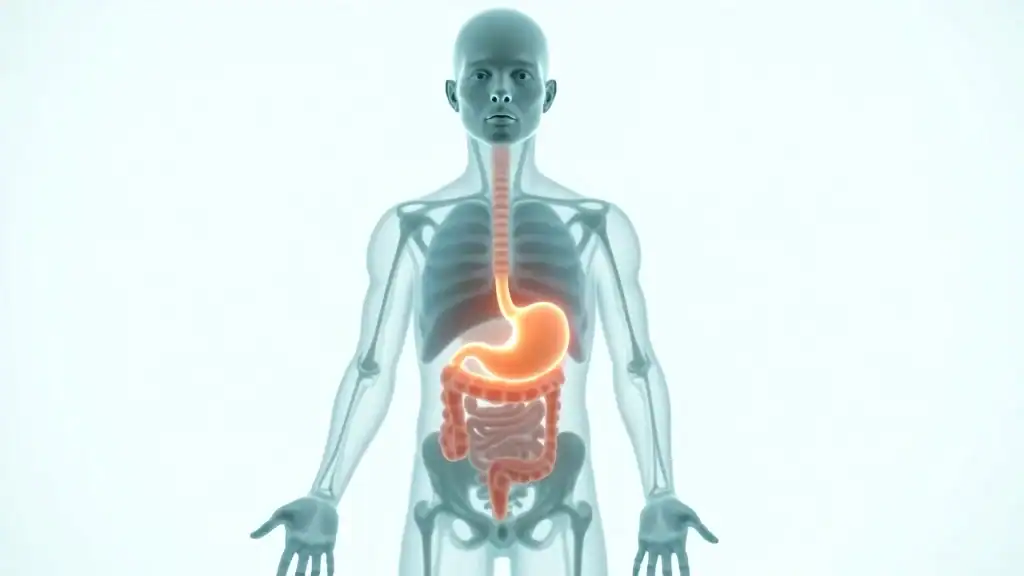
Flight Response and Other Common Symptom Pathways
One reason anxiety can make you feel sick is the “flight response.” This ancient survival mechanism floods the body with energy to confront or escape danger. However, in modern life—where threats are more psychological than physical—this response triggers unnecessary, and at times, overwhelming physical symptoms. For example, adrenaline diverts blood from the digestive tract, often leading to anxiety nausea or upset stomach.
Repeated activation of this flight response may result in lasting disturbances like muscle aches, changes in appetite, trouble sleeping, and chronic headaches. Even after the immediate threat has passed, the nervous system may stay “on edge,” making people more susceptible to future attacks and ongoing discomfort. Recognizing this cycle can help you break free and pursue the right treatment options.
Comparison of Physical Symptoms Caused by Anxiety vs. Other Health Conditions
| Symptom | Anxiety-Induced | Other Health Conditions |
|---|---|---|
| Nausea & Upset Stomach | Frequent, often after stressful events or worrying | Viral infections, food poisoning, IBS |
| Increased Heart Rate | Rapid during anxiety or panic attacks | Heart disease, arrhythmia, intense physical activity |
| Headaches | Tension headaches, related to stress or worry | Migraines, sinus infections, dehydration |
| Dizziness | Triggered by anxiety or hyperventilation | Inner ear issues, dehydration, anemia |
| Muscle Tension | Common with ongoing stress or worry | Infections, autoimmune disorders, injuries |
Anxiety Nausea and Upset Stomach: A Common Complaint
What is Anxiety Nausea and How Common Is It?
A frequently reported physical symptom is “anxiety nausea.” This is a feeling of queasiness, stomach upset, or urge to vomit, often arising with intense stress, worry, or particular triggers. In fact, anxiety-related digestive issues impact a notable percentage of people who struggle with anxiety disorders. Studies suggest that nearly half of those with chronic anxiety experience stomach problems, ranging from mild discomfort to more serious health conditions.
Because these sensations can be alarming, it’s easy for individuals to misinterpret anxiety nausea as evidence of foodborne illness, flu, or more serious diseases. However, if these symptoms correlate with stress or feeling anxious, they might point to anxiety rather than a medical emergency. Recognizing this pattern can help direct you towards the right support and treatment options.

Upset Stomach and Gastrointestinal Issues as Symptoms of Anxiety
The digestive system is closely linked to the brain through what’s known as the “gut-brain axis.” This means psychological stress can quickly translate to physical gut symptoms, making an upset stomach one of the most common symptoms of anxiety. These may include cramps, bloating, diarrhea, constipation, or a persistent sense of unease after eating.
Left unchecked, these symptoms may lead to maladaptive behaviors like skipping meals or avoiding social events involving food, disrupting day-to-day life. Recognizing anxiety and nausea as partners in crime can help break the cycle, especially with guidance from a mental health professional who understands the mind-body connection.
Case Study: When Physical Symptoms of Anxiety Impact Daily Life
Experiencing Anxiety-Induced Sickness in Real Scenarios
Let’s look at a real-life example: Jane, a marketing manager, found herself experiencing sudden nausea, headaches, and dizziness before important presentations. Initially, she believed she had the flu, but multiple doctor visits revealed nothing physically wrong. After discussing her symptoms with a health professional, Jane realized her sickness was connected to underlying anxiety about work.
For people like Jane, anxiety-induced symptoms can disrupt their entire daily life. Whether it’s missing days at work or worrying about constant upset stomach, anxiety transforms manageable stress into distressing physical symptoms. This case echoes what many face: real, often misunderstood sickness that traces back to mental health.
“The first time anxiety made me physically sick, I thought I had the flu. It was only later I realized my nerves were the real culprit.” – Anonymous Case Study

The Biological Connection: How Can Anxiety Makes You Feel Sick?
Nervous System Responses and Physical Symptoms
The key biological answer to “can anxiety make you feeling sick” is found in the nervous system. When stressed, the autonomic nervous system launches the fight-or-flight response, causing shifts in heart rate, blood flow, and hormone production. These changes can trigger palpitations, sweaty palms, trembling, and especially physical symptoms affecting the digestive system.
The surge of stress hormones disrupts regular body processes, focusing resources on short-term survival rather than digestion or immune defense. That’s why anxiety can cause chills, trouble sleeping, and a lingering sense of being unwell. If these sensations persist, it might signal a deeper anxiety disorder needing professional support.

Anxiety Disorder as a Health Condition: When to Seek Help
Everyone feels anxious from time to time, but chronic, severe anxiety can signal an anxiety disorder. This is a recognized mental health condition where anxiety starts to dominate daily life, making it difficult to function at work, at home, or in relationships. If you experience ongoing nausea, constant tension, chest pain, or any physical symptom you cannot otherwise explain, reaching out to a health professional is essential.
Ignoring or minimizing these symptoms can worsen both mental and physical health. Early intervention—through talking to your doctor or therapist—can pave the way for effective treatment options and put you back in control of your health journey.
Can Anxiety Makes You Feel Sick Over Time? Effects on Long-Term Health
Chronic Physical Symptoms and Ongoing Mental Health Impacts
While occasional anxiety-induced physical symptoms usually resolve once stress passes, chronic anxiety can lead to persistent health problems. This long-term exposure to stress hormones may worsen or contribute to health conditions like irritable bowel syndrome (IBS), migraines, sleep disturbances, heart palpitations, and even compromise immune function.
The mental toll is equally significant. People with chronic anxiety are at greater risk for depression, panic disorder, and substance use, further complicating their physical health. Committing to treatment and regular check-ins with a mental health professional helps minimize these complications, restoring better quality of life and preventing the escalation of anxiety disorders.
Treatment Options for Anxiety-Induced Physical Symptoms
Evidence-Based Mental Health Approaches
Effective management of anxiety’s physical effects often begins with proven therapies. Cognitive Behavioral Therapy (CBT) is widely recognized for helping individuals recognize anxiety triggers, reframe negative thoughts, and control reactions. Medication—such as selective serotonin reuptake inhibitors (SSRIs) or anti-anxiety medications—may also be prescribed for moderate to severe anxiety disorders.
Other approaches include mindfulness training, deep breathing, progressive muscle relaxation, and guided imagery. These techniques reduce stress hormones, helping soothe both mind and body. A mental health professional can help you find the best approach tailored to your needs, particularly if anxiety symptoms feel overwhelming.
Lifestyle Changes and Home Remedies
While professional help is crucial for some, many find relief from simple lifestyle adjustments. These include regular aerobic exercise, a balanced nutrient-rich diet, good sleep hygiene, and hydration. Reducing caffeine, nicotine, and alcohol intake can also dramatically improve both anxiety levels and digestive health.
Mindfulness activities like yoga, tai chi, or even gentle stretching, along with hobbies that relax your mind, may halt the stress cycle. Sometimes, changing your routine—scheduling regular meals, making time for rest, and keeping a symptom journal—can offer powerful insight into what triggers your symptoms and how best to manage them.
When to See a Mental Health Professional
If anxiety-induced physical symptoms are disrupting your day life or if you’re worried about the severity or duration of these sensations, seeking help from a mental health professional is crucial. Unexplained nausea, chronic upset stomach, headaches, or overwhelming fear can all benefit from thorough evaluation. Early intervention may prevent the onset of more serious health conditions and support your journey to recovery.
Therapy (CBT, behavioral therapy)
Mindfulness and stress-reduction techniques
Medication (as prescribed by your doctor)
Balanced nutrition and regular meals
Aerobic exercise or physical activity
Watch as a professional health expert breaks down the physiological effects of anxiety on your body, guiding you step-by-step through the science behind these symptoms.
People Also Ask: Can Anxiety Makes You Feel Sick and More
Can anxiety make you feel physically sick?
Yes, anxiety can manifest through physical symptoms such as nausea, headaches, muscle tension, and upset stomach due to the body’s stress response.
What is an anxiety flare-up?
An anxiety flare-up is a sudden increase in symptoms of anxiety, often resulting in heightened mental and physical distress such as palpitations, sweating, and gastrointestinal discomfort.
How long does it take to recover from anxiety?
Recovery time varies based on the individual and the chosen treatment options. While some may feel better within weeks, others may require ongoing care for months or longer to manage symptoms of anxiety.
How to stop feeling anxious?
Managing anxiety involves evidence-based approaches such as cognitive behavioral therapy, relaxation techniques, regular physical activity, and in some cases, medication after professional consultation.
Discover practical, real-world tips from experts for handling anxiety’s physical symptoms. This video covers actionable tools—from breathing techniques to dietary tweaks—to help you feel your best.
FAQs About Can Anxiety Makes You Feel Sick and Physical Symptoms
Is it normal to feel sick all the time from anxiety?
It’s not uncommon to feel frequently unwell if you struggle with anxiety, but ongoing symptoms should be discussed with a health professional to rule out other causes and develop a treatment plan.Can anxiety worsen existing health conditions?
Yes, chronic anxiety can exacerbate underlying health conditions, especially those related to digestion, the heart, or immune system.Which physical symptom of anxiety is most common?
Nausea and upset stomach are among the most frequent symptoms, followed closely by headaches, rapid heart rate, and muscle tension.What are the immediate steps to reduce anxiety-related nausea?
Practice slow, deep breathing, find a quiet place to rest, sip water or herbal tea, and distract your mind with calming activities until symptoms subside.
Key Takeaways: Can Anxiety Makes You Feel Sick?
Anxiety can cause real physical symptoms such as nausea and upset stomach
Understanding the link between mental health and physical symptoms is vital
Treatment options are available and effective for many people
Don’t ignore persistent symptoms – seek guidance from a healthcare provider
Get Support for Anxiety and Begin Your Wellness Journey Today
If you suspect anxiety is impacting your physical health, don’t wait—reach out to a mental health professional or your healthcare provider. Your well-being matters, and help is available.
Conclusion: Anxiety’s physical symptoms are real, but so is the hope for recovery. Take small steps toward understanding and support, and remember—you’re not alone on your journey.
If you’re ready to take your understanding of mind-body health even further, consider broadening your perspective with resources that address overall well-being. Exploring topics like recognizing depression symptoms can help you spot early warning signs and support yourself or loved ones more effectively. By deepening your knowledge of mental health as a whole, you empower yourself to make informed choices and foster resilience. Every step you take toward awareness and self-care is a powerful investment in your long-term wellness journey.