

Ever heard that nearly 40% of people give up on intermittent fasting because they’re too hungry to continue? Imagine unlocking the health benefits of fasting without ever feeling deprived—a sustainable approach is within reach
Unveiling the Truth: Surprising Facts About How to Do Intermittent Fasting
“Did you know that nearly 40% of intermittent fasting attempts fail due to extreme hunger? Discover how to intermittent fasting successfully and sustainably.” – Nutrition Scientist Dr. Patel
The truth? With a strategic fasting schedule, balanced nutrition, and practical support, fasting can become a manageable, even enjoyable, part of your routine—all without starving yourself or sacrificing energy and productivity
What You’ll Learn About How to Do Intermittent Fasting
The science behind intermittent fasting
Practical intermittent fasting schedules
How to intermittent fasting without extreme hunger or deprivation
Dietary tips for restricted eating
Key health benefits of intermittent fasting
Answers to commonly asked questions
Understanding How to Do Intermittent Fasting
What Is Intermittent Fasting?
Intermittent fasting is an eating pattern that cycles between periods of eating and fasting. Unlike traditional diets that focus on what you eat, intermittent fasting is defined by when you eat. Most methods split the day or week into eating periods and fasting periods, with the goal of giving your body a break from constant digestion and allowing it to switch to burning stored fat—a process known as the metabolic switch. Think of it as training your body to fuel itself more efficiently.
Common intermittent fasting schedules, like the popular 16:8 method, restrict eating to an eight-hour window and fast for the remaining 16 hours. Others, such as the 5:2 diet or alternate day fasting, vary the fasting period based on days of the week. When structured according to your needs and paired with a nutritious eating plan, fasting doesn’t have to be a struggle or leave you feeling deprived. It transforms into a sustainable lifestyle rather than a rigid diet.

Why Intermittent Fasting Works for Weight Loss and Heart Health
Intermittent fasting helps lose weight by reducing the overall number of hours a day you are eating, controlling calorie intake, and encouraging the body to use stored fat for energy during the fasting period. This metabolic switch not only supports weight loss but may also enhance insulin sensitivity—helpful for stabilizing blood sugar over time. Research suggests fasting can lower inflammation and benefit markers related to heart health, such as blood pressure and cholesterol.
For many, another appeal is its flexibility—unlike strict calorie-counting, intermittent fasting can be adapted to fit any eating plan, including vegetarian, low-carb, or Mediterranean diets. By controlling both the quantity and timing of food intake, many find it easier to maintain a calorie deficit and develop healthier eating habits. When done correctly, the benefits of intermittent fasting go well beyond simple weight loss and can support better long-term health.
If you’re interested in exploring more practical tips and real-world strategies for making intermittent fasting work in your daily routine, you might find the resources in our intermittent fasting collection especially helpful. These articles offer additional guidance on schedules, meal planning, and overcoming common challenges.
Exploring the Health Benefits of Intermittent Fasting
The Science: Benefits of Intermittent Fasting for Heart Health and Beyond
“Intermittent fasting can lower cardiovascular risk markers and promote longevity.” – Dr. Angela Reiman
The health benefits of intermittent fasting extend beyond shedding pounds. Scientific studies have shown that fasting can support heart health by reducing blood pressure, cholesterol, and inflammation. Switching between fasting periods and eating windows allows the body to initiate cellular repair, improve metabolism, and optimize hormone function. This translates into a lowered risk for chronic diseases and improved overall wellness.
Weight loss and metabolism
Reduced inflammation
Improved cognitive function
Enhanced heart health
Additional benefits of intermittent fasting include a potential boost in cognitive performance, reduced risk for certain metabolic and neurological diseases, and improved longevity thanks to the body’s ability to rest, repair, and switch energy sources while in a fasted state. These effects can sometimes be seen after just a few weeks of consistent, well-planned fasting.
How to Do Intermittent Fasting: Essential First Steps

Setting Realistic Goals for Day Fasting
Success with day fasting starts with realistic expectations. Consider your daily routine, work schedule, and level of physical activity. Setting measurable goals—like aiming for 12 hours of fasting initially—helps you ease into the lifestyle and monitor progress without feeling overwhelmed. Remember, it’s more sustainable to start slow and gradually increase your fasting window over several days or weeks. Track energy, mood, and hunger cues during the early stages to refine your strategy.
Consulting a healthcare provider before beginning is particularly important if you have pre-existing health problems or take prescription medication. Their guidance ensures intermittent fasting is a good option for your unique needs and can help you track progress in a way that’s safe and effective.
Choosing the Right Intermittent Fasting Schedule for Beginners
Selecting an intermittent fasting schedule as a beginner means balancing ambition with practicality. The 16:8 schedule (16 hours fasting, 8 hours eating) is widely recommended for its simplicity and adaptability. Other options, such as the 5:2 approach (restricting calorie intake to 500–600 calories on two non-consecutive days a week) or alternate day fasting (fasting every other day), may suit those seeking a less daily—but more intense—structure. Pay attention to your energy levels, social commitments, and preferences when choosing your fasting plan.
Remember: fasting is not about extreme deprivation but about bringing structure and intention to your eating and fasting cycles. Over time, you’ll find an eating window that you can maintain consistently—a crucial aspect of long-term success.
Popular Intermittent Fasting Schedules Explained
The 16:8 Method: Eat within an eight-hour window, fast for the remaining 16 hours each day.
The 5:2 Diet: Eat normally five days a week, restrict calories to 500-600 for two non-consecutive days.
Alternate Day Fasting: Fast every other day, either with complete fasting or very low-calorie intake.
Warrior Diet: Eat small amounts of raw fruits and vegetables during the day and one large meal at night (20-hour fasting, 4-hour eating period).
Eat-Stop-Eat: 24-hour fast once or twice a week with normal eating on non-fasting days.
Comparing Intermittent Fasting Schedules: Duration, Ease, and Common Challenges
| Method | Fasting Duration | Ease of Adoption | Common Challenges |
|---|---|---|---|
| 16:8 Method | 16 hours daily | Easy for most people | Adjusting to late breakfast or early dinner |
| 5:2 Diet | 2 days/week, low-calorie (<600 kcal) | Moderate | Low energy on fasting days |
| Alternate Day Fasting | 24 hours every other day | Challenging | Difficulty with hunger and social events |
| Warrior Diet | 20 hours daily | Advanced | Long fasting window, potential nutrient gaps |
| Eat-Stop-Eat | 24 hours, 1-2 days/week | Moderate to difficult | Disrupted routines, risk of overeating after fast |
Restricted Eating: What Can Be Eaten During Intermittent Fasting
Nutrient-Dense Foods for Intermittent Fasting Success
During your eating period, focus on nutrient-dense foods that deliver sustained energy and satiety. Build meals around vegetables, whole grains, lean protein (chicken, fish, tofu), and healthy fats like avocado, nuts, or olive oil. These foods provide fiber, protein, and key micronutrients for optimal performance, helping you feel full and energized throughout the fasting window. Avoiding processed foods and sugary snacks keeps blood sugar stable and limits cravings.
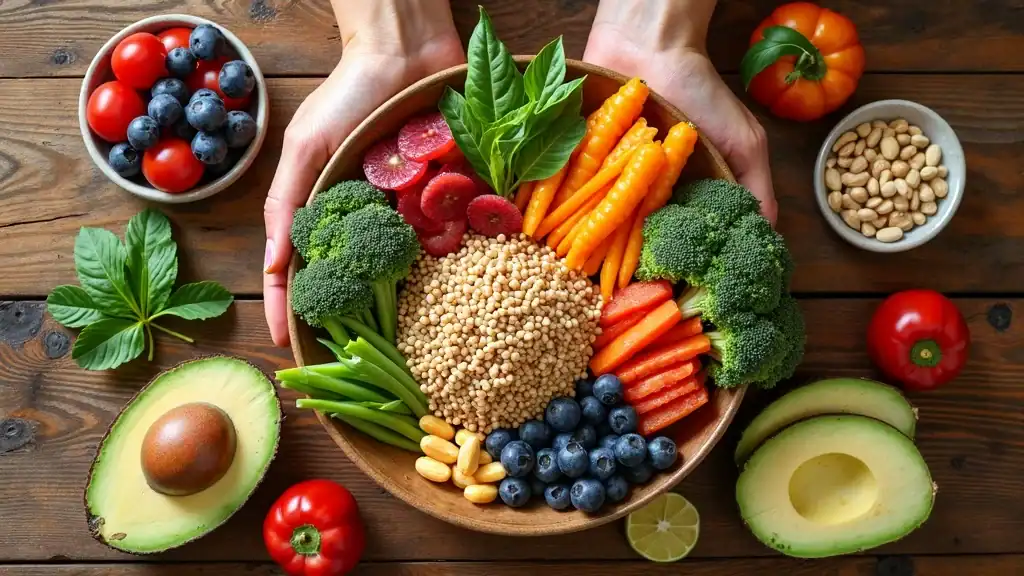
To maximize the benefits of intermittent fasting, plan meals that are satisfying but not excessive in calories. Pairing lean protein with complex carbohydrates and plenty of fiber can help prevent post-meal hunger spikes and support metabolism during fasting periods. Think of your eating window as an opportunity to fuel your body—not an excuse to overindulge.
Hydration and Beverage Choices
Stay hydrated during fasting periods by drinking plenty of water, herbal teas, or black coffee (in moderation). Hydration supports metabolism, curbs unnecessary hunger cues, and promotes mental clarity. Avoid sweetened drinks and high-calorie beverages outside your eating window to prevent breaking your fast unintentionally. If you’re physically active, ensure you replace lost fluids and electrolytes, especially during longer hours of fasting.
Many beginners underestimate the impact of beverages—choosing the right drinks can make a significant difference in how you feel during your fasting period. Experiment with sparkling water or adding a slice of lemon or cucumber for natural flavor if plain water gets monotonous. The key is consistency and making hydration an effortless part of your daily routine.
How to Do Intermittent Fasting Without Feeling Starved
Tips to Curb Hunger During Restricted Eating Windows
The most common challenge in how to intermittent fasting is managing hunger, especially the first week. Start by keeping busy during fasting hours, as boredom can magnify cravings. Choosing high-fiber, high-protein meals during your eating window creates lasting fullness and stabilizes blood sugar. Incorporate healthy fats for satiety, and avoid simple carbs that can trigger spikes followed by crashes.
Stay hydrated with water and herbal teas
Choose high-fiber, high-protein meals
Incorporate healthy fats
Avoid simple carbohydrates
Hunger may arise due to habit as much as true need, so retraining your body’s signals can take several days. Track your hunger and energy each day, and adjust your fasting schedule as needed to avoid feeling faint or deprived. Remember: a successful fasting routine is about finding what works for your lifestyle—not forcing a “one-size-fits-all” protocol.
Balancing Meal Timing and Portion Sizes
It’s tempting to overeat during your eating period, but portion control remains critical for weight loss and overall health. Begin with a modest meal to break your fast, then space additional meals or snacks evenly throughout your eating window. Eating nutrient-rich foods at regular intervals helps your body stay fueled and avoids energy crashes, which are especially important if you exercise while fasting.
Consider prepping meals in advance for your eating periods to avoid impulsive choices. Eating mindfully and pacing yourself promotes satisfaction and reduces the risk of digestive discomfort or nutrient imbalances. Use your intermittent fasting schedule as a tool to create structure—not restriction—in your diet.
Intermittent Fasting and Weight Loss: Setting Realistic Expectations
Why Intermittent Fasting Isn’t a ‘Quick Fix’ for Weight Loss
Intermittent fasting can produce impressive weight loss results, but it’s not magic. Consistent, sustainable progress hinges on caloric intake, food quality, and overall activity. The body adjusts to new eating patterns gradually; expecting instant results only leads to disappointment. For most, it takes several weeks to notice a visible difference, though increased energy and mental clarity may occur sooner.

Avoid comparing yourself to others—everyone’s metabolism and response to intermittent fasting differs. Focus on setting achievable goals, celebrating small milestones and, above all, building habits that are sustainable long-term. Remember: fasting is about more than weight loss. The health benefits, such as supporting heart health and reducing inflammation, take time to manifest.
Tracking Progress: What to Watch For
Track your journey using a fasting app, journal, or wearable device to monitor fasting and eating periods, energy levels, sleep, and physical changes. Indicators of successful intermittent fasting go beyond the scale—watch for improved focus, more steady energy, and better digestion. Document both physical and mental benefits of your fasting schedule over several days or weeks.
If progress plateaus, don’t panic. Plateaus are normal as the body adjusts. Review your meal composition, fasting schedule, and consider non-scale victories like clearer skin or reduced bloating. Remember, how to do intermittent fasting well is about finding what works for your evolving needs.
Day Fasting Variations: Alternate Day Fasting and Modified Approaches
Benefits and Drawbacks of Alternate Day Fasting
Alternate day fasting involves switching between fasting and non-fasting days within the week. It’s highly effective for some, triggering a rapid metabolic switch and supporting weight loss, but it’s also more challenging than daily time-restricted fasting. The fasting days are either complete fasts or allow minimal calories (~500 kcal), which could be tough to maintain long term. People with busy lifestyles or high physical demands may struggle, whereas others find extended breaks from caloric intake helpful for both mental and physical reset.
The biggest challenge is hunger and low energy on fasting days. However, the potential for accelerated weight loss and metabolic benefits is significant for those who can stick with it. Always listen to your body and consider modified approaches if full alternate day fasting feels too restrictive.
Is Day Fasting Right for You?
Consider day fasting only if a traditional daily window doesn’t fit your lifestyle or you crave variety. It may be a good option for those who don’t like daily restriction but can handle challenging days in trade for more flexible non-fasting days. Individuals with certain health conditions or medication requirements should avoid this method unless supervised by a healthcare professional.
Experiment safely, adjust as needed, and never ignore warning signs like dizziness or severe fatigue. Day fasting is just one tool in the broader intermittent fasting arsenal—choose what aligns best with your needs, preferences, and long-term goals.
Day Fasting vs. Time-Restricted Eating: Key Differences and Considerations
| Approach | Fasting Period | Eating Window | Best For | Considerations |
|---|---|---|---|---|
| Alternate Day Fasting | 24 hours every other day | Unrestricted non-fasting days | Those seeking fast results | Increased hunger, social/lifestyle impact |
| Time-Restricted Eating (e.g., 16:8) | 12–20 hours daily | Consistent daily window | Individuals who prefer routine | Requires daily adherence, easier to maintain |
Addressing Common Concerns in How to Do Intermittent Fasting
What to do if you feel faint or lightheaded: Break your fast with a balanced snack and hydrate; don’t ignore persistent symptoms—consult a doctor.
Managing symptoms of low energy: Ensure you’re eating nutritious food during your window and sleeping enough; if lethargy persists, quit fasting and assess with a health pro.
Adjusting for social and work schedules: Plan meal times in advance, communicate your eating plan with friends, and allow occasional flexibility for events.
Sample Intermittent Fasting Schedules for Beginners
| Day | Fasting Window (hrs) | Eating Window (hrs) | Meal Timing | Notes |
|---|---|---|---|---|
| Monday | 12 (8pm-8am) | 12 (8am-8pm) | Breakfast 8am, Lunch 1pm, Dinner 7pm | Easy start, no skipped meals |
| Tuesday | 14 (7pm-9am) | 10 (9am-7pm) | Breakfast 9am, Lunch 1pm, Dinner 6:30pm | Gradually increasing fasting |
| Wednesday | 16 (8pm-12pm) | 8 (12pm-8pm) | Lunch 12:15pm, Snack 4pm, Dinner 7:30pm | Standard 16:8 schedule |
| Thursday | 16 (8pm-12pm) | 8 (12pm-8pm) | Lunch 12pm, Snack 3:30pm, Dinner 7pm | Consistent practice |
| Friday | 14 (9pm-11am) | 10 (11am-9pm) | Brunch 11am, Dinner 7:45pm | Slightly more relaxed for social time |
| Saturday | 12 (8pm-8am) | 12 (8am-8pm) | Breakfast 8:30am, Lunch 1pm, Dinner 6:30pm | More flexibility for weekends |
| Sunday | 14 (7pm-9am) | 10 (9am-7pm) | Breakfast 9:30am, Lunch 2pm, Dinner 6pm | Evaluate progress, prep for next week |
Expert Advice: Quotes on How to Do Intermittent Fasting Successfully
“Listen to your body and adjust your fasting window if needed. Success comes from consistency, not rigidity.” – Registered Dietician Michael Yeo
Common Mistakes to Avoid in Intermittent Fasting

Skipping meals without proper planning: Unintentionally missing meals can lead to overeating and low energy.
Not drinking enough fluids: Dehydration amplifies hunger and can cause headaches.
Breaking the fast with high-sugar foods: Spikes blood sugar and leads to energy crashes.
Ignoring underlying health issues: Always check with a healthcare provider before significant diet changes.
Key Takeaways for How to Do Intermittent Fasting
Start slow and adjust your fasting schedule gradually
Choose nutrient-rich foods and maintain hydration
Anticipate the learning curve and track your progress
Consult a healthcare professional before making major dietary changes
People Also Ask: Guidance on How to Do Intermittent Fasting
How to intermittent fasting correctly?
To do intermittent fasting correctly, choose a schedule that matches your lifestyle, start with manageable fasting windows, and prioritize nutritious food during your eating periods. Hydrate well, avoid processed foods, and listen to your body’s hunger and energy signals. Always consult a healthcare provider if you have health problems or questions.
Does fasting from 7pm to 7am work?
Fasting from 7pm to 7am creates a 12-hour fasting window, which is a good option for beginners. This approach gives your body time to rest, supports digestion, and may help with modest weight loss or heart health. Consistency and healthy food choices during your eating window enhance the results.
How do beginners start intermittent fasting?
Beginners should start intermittent fasting by choosing a short fasting window (10–12 hours), then gradually increasing it as their comfort grows. Focus on balanced meals, especially during the eating period, and ensure adequate sleep and hydration. Monitor your energy and adjust the fasting schedule as needed for sustainability.
What can be eaten in intermittent fasting?
In intermittent fasting, fill your eating window with lean protein (chicken, tofu, fish), whole grains, fruit, vegetables, and healthy fats (avocado, nuts, olive oil). Avoid simple sugars and heavily processed foods. Drinking water, tea, or black coffee during fasts is best; avoid caloric drinks.
FAQs: How to Do Intermittent Fasting
Is intermittent fasting safe for everyone? Intermittent fasting is not suitable for children, pregnant women, or those with certain medical conditions like diabetes unless supervised by a healthcare provider.
Can you exercise while intermittent fasting? Yes, many people find light-to-moderate exercise is safe and beneficial, but listen to your body and refuel appropriately during your eating window.
What if you feel unwell while fasting? Break your fast with a small, balanced meal, hydrate, and consult a health professional if symptoms persist or worsen.
How soon will you see results? Some see changes in energy or appetite in days, but weight loss and other benefits may take several weeks of consistent practice.
Conclusion: Your Pathway to Sustainable Intermittent Fasting Success

With the right plan, support, and patience, how to do intermittent fasting can become a sustainable and energizing part of your life.
Start Your Intermittent Fasting Journey Today
Explore a fasting schedule that works for you, nourish your body thoughtfully, and embrace the science-backed benefits of this powerful approach. You’re now equipped to start—and succeed—without feeling deprived.
As you continue refining your intermittent fasting routine, remember that integrating healthy movement can further amplify your results and overall well-being. If you’re looking for beginner-friendly ways to add exercise to your lifestyle, discover practical routines and motivational tips in our guide on simple workout routines for beginners. Combining mindful eating windows with effective physical activity can help you build a foundation for lasting health, energy, and confidence. Take the next step and unlock even greater benefits on your wellness journey.