You've probably started a "new healthy me" plan on a Monday, felt great for four days, and quietly slid back into your old routine by the following weekend. That's not a willpower problem. It's a design problem. Most healthy lifestyle habits fail because they're built around motivation, and motivation is the least reliable resource you have. This guide skips the 30-day-challenge fantasy and walks through what actually gets a habit to stick, backed by real research instead of Instagram wellness quotes.
Why "Just Try Harder" Advice Keeps Failing Your Healthy Lifestyle Habits

Here's the thing nobody tells you when you download another habit tracker app: the app isn't the problem, and neither are you. The problem is that most habit advice treats every behavior as equally easy to build, when the research says otherwise. A systematic review and meta-analysis of health behavior habit formation found that the median time for a new habit to become automatic ranges from 59 to 66 days, with individual variation stretching from just 4 days to as long as 335. Flossing formed fastest. Diet and physical activity habits took noticeably longer and required more consistent repetition.
That single fact changes how you should plan. If you're judging your progress against the popular "21 days to a new habit" myth, you're quitting right around the point where the habit was starting to get easier, not harder. The people who successfully build healthy lifestyle habits aren't more disciplined. They just picked a smaller starting behavior and gave it enough runway to become boring instead of effortful.
Most of the readers in this situation aren't failing at healthy lifestyle habits because they don't know what's good for them. They know. What trips people up is stacking five new behaviors at once, then abandoning all five the first time one of them slips.
The Four Habit Pillars That Actually Change How You Feel Day to Day
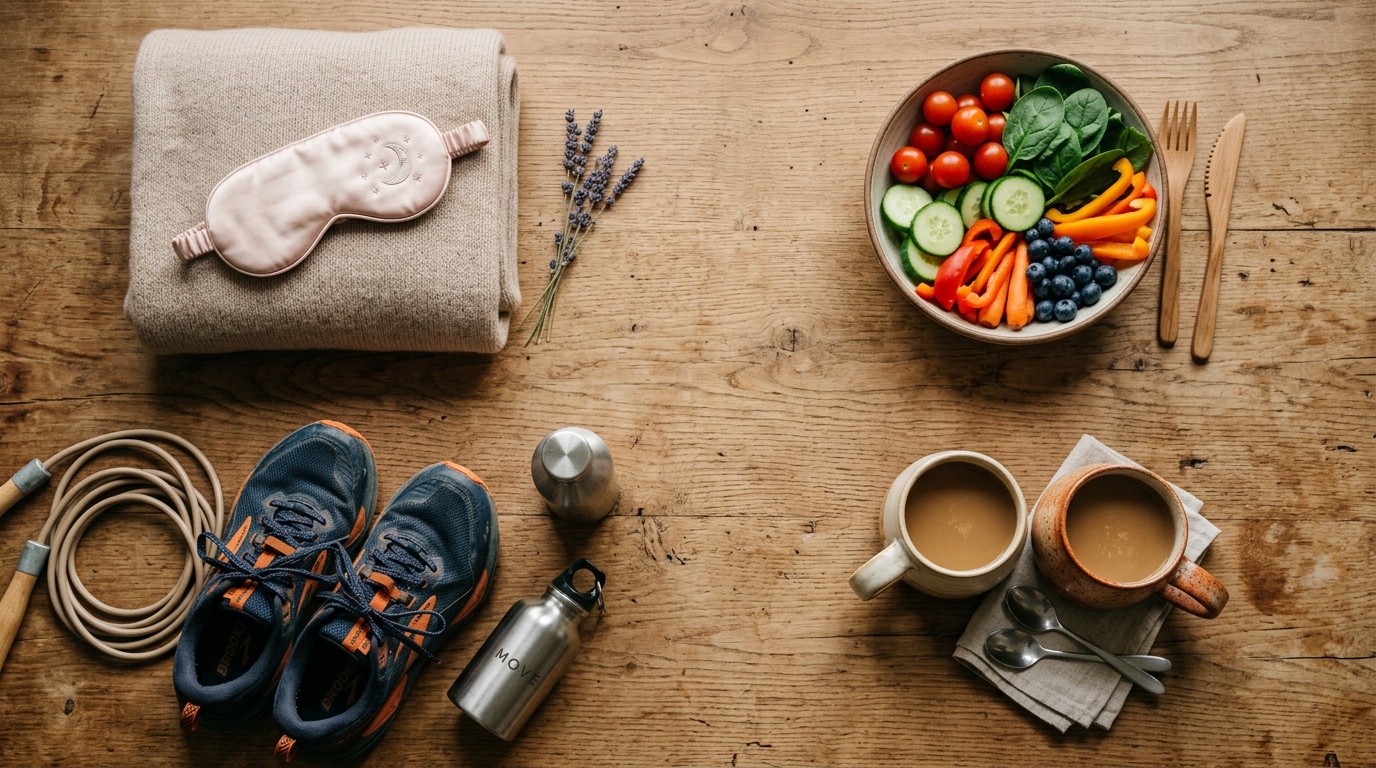
Strip away the supplements, the fads, and the 45-minute morning routines, and healthy lifestyle habits collapse into four categories: what you eat, how you sleep, how you move, and how you manage stress and connection. Each one reinforces the others. Poor sleep drives cravings for high-sugar food. Skipped movement worsens sleep quality. Chronic stress undermines both. You don't need to master all four simultaneously, but ignoring any one of them puts a ceiling on how much the other three can help.
Think of these four pillars less like a checklist and more like four legs of a table. A table missing one leg can sometimes stand if you're careful. It's still one bump away from collapsing. That's the practical reason a "just eat better" or "just work out more" approach so often stalls out around week three: the other legs weren't holding anything up.
Build Healthy Dietary Habits Without Rebuilding Your Whole Kitchen

You do not need to throw out every packaged food in your pantry to build healthy dietary habits. The Dietary Guidelines for Americans frame healthy eating around overall pattern, not individual "good" or "bad" foods, and that framing matters. One skipped vegetable serving on a Tuesday doesn't undo your habit. A pattern of skipping them most days does.
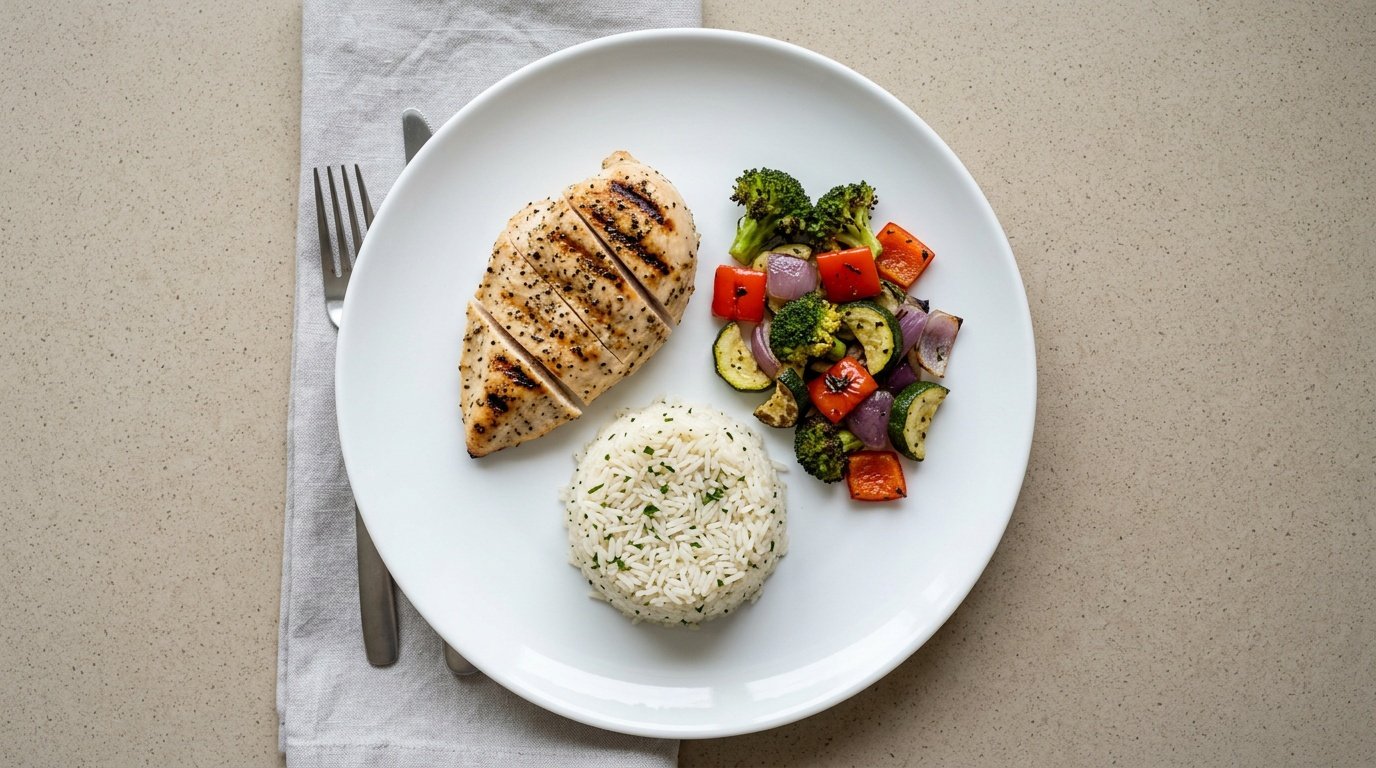
Start with the plate-composition approach instead of a calorie spreadsheet: roughly half your plate as fruits and vegetables, a quarter as lean protein, a quarter as whole grains or starchy vegetables. It's not glamorous, and that's exactly why it works. Registered dietitians at the Academy of Nutrition and Dietetics point to small, repeatable dietary swaps, like keeping cut vegetables at eye level in the fridge, as more durable than a full diet overhaul.
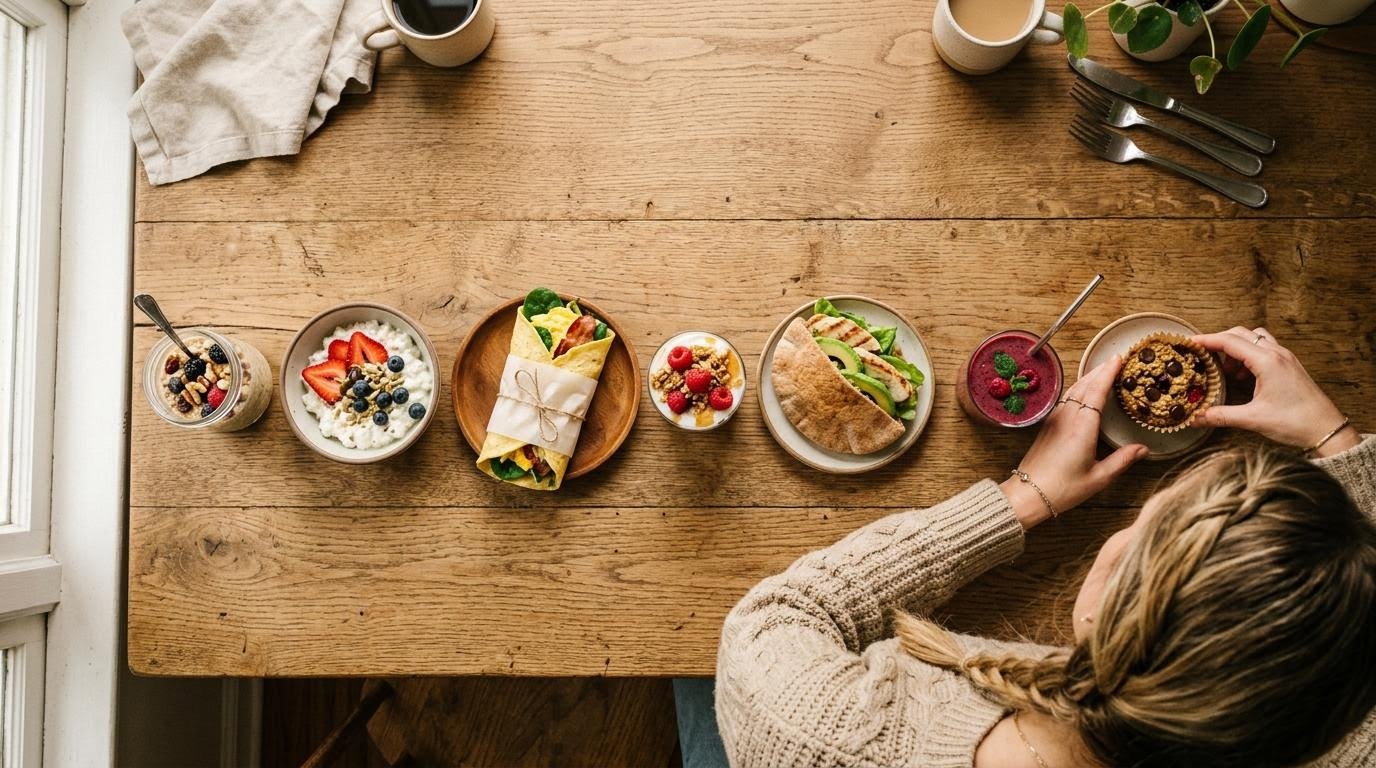
A specific example: one client-facing pattern nutrition coaches see constantly is someone who eats a solid breakfast and lunch, then makes every poor food decision of the day between 4pm and 7pm, when blood sugar and willpower are both lowest. If that's you, the fix isn't more discipline at 5pm. It's a protein-forward afternoon snack around 2:30 or 3pm that keeps you from arriving at dinner already running on empty.
Health disclaimer: This article offers general wellness guidance, not personalized medical or nutrition advice. If you have a diagnosed condition, are pregnant or breastfeeding, or take medication that interacts with diet or exercise, talk with a doctor or registered dietitian before changing your routine.
Sleep Is the Habit Most People Cut First, and It Undercuts Everything Else

When life gets busy, sleep is usually the first healthy lifestyle habit to get sacrificed, which is backwards, because it's the one that makes every other habit easier to keep. The National Heart, Lung, and Blood Institute recommends adults get between 7 and 9 hours a night, and notes that adults who regularly sleep less than 7 hours face measurably higher rates of health issues than those who hit that range.
I know what you're thinking: you've heard the "sleep more" advice a hundred times and it hasn't changed anything, because knowing you should sleep more doesn't make the extra hour appear. What actually moves the needle is a fixed wake time, not a fixed bedtime. Your body's sleep drive builds most reliably off a consistent wake-up, even on weekends, which is the opposite of what most people do (sleeping in on Saturday, then struggling to fall asleep Sunday night).
A non-obvious insight worth sitting with: caffeine's half-life is roughly 5 to 6 hours, so a 3pm coffee is still roughly half-active in your system at 9pm. If you're building better sleep habits and haven't touched your afternoon caffeine cutoff, that's often the highest-leverage single change available.
Movement Habits That Survive a Packed Real Schedule
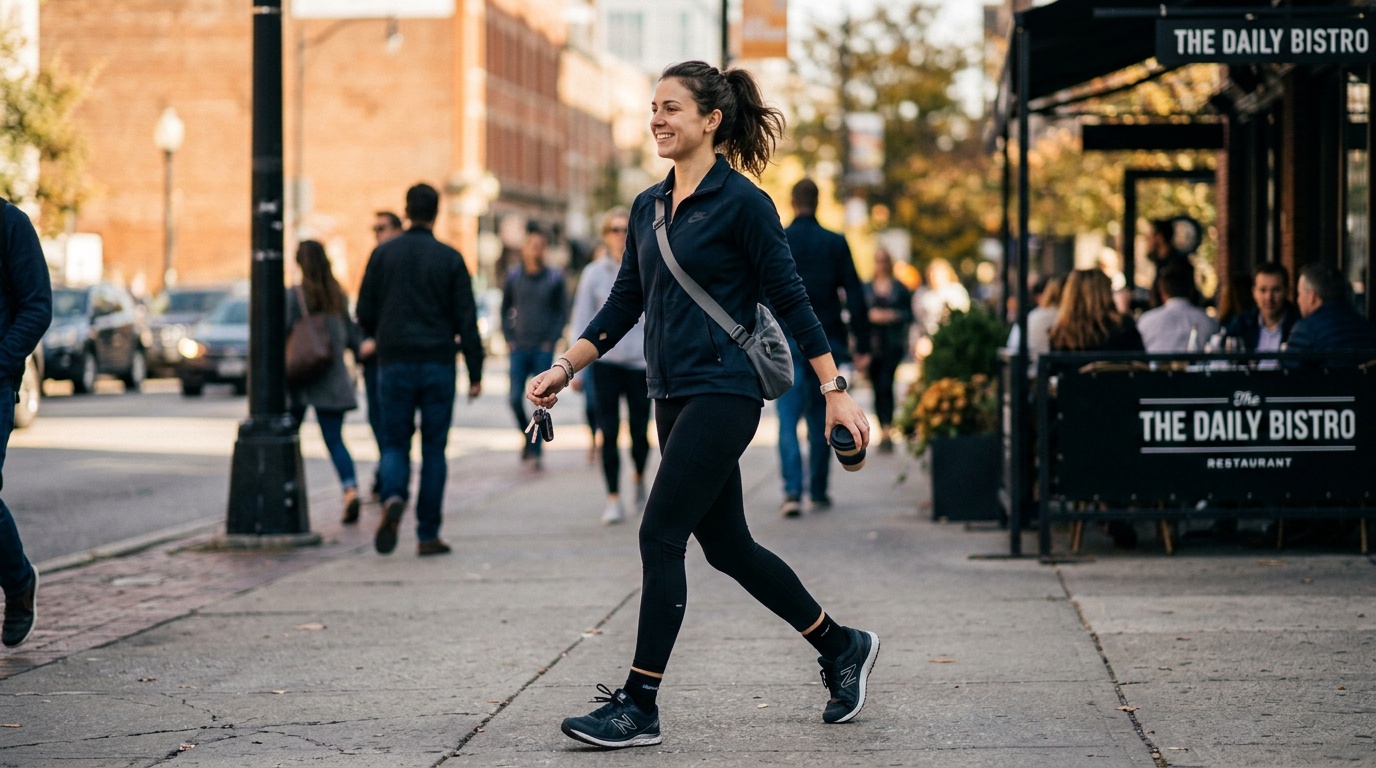
The CDC's physical activity guidelines for adults call for at least 150 minutes of moderate-intensity activity a week, which breaks down to roughly 30 minutes, 5 days a week. That number sounds achievable on paper and somehow still feels impossible on a Tuesday with back-to-back meetings.
Here's what actually helps: stop treating movement as a single 30-minute block you have to protect on your calendar, and start treating it as something you accumulate. Two brisk 15-minute walks hit the same target as one 30-minute session, and they're far easier to slot around a real workday. Anticipating the objection you're probably forming right now, "but I don't have time for two walks either," the CDC's own guidance is explicit that any amount of moderate activity beats none, and benefits accumulate even below the full weekly target while you build toward it.
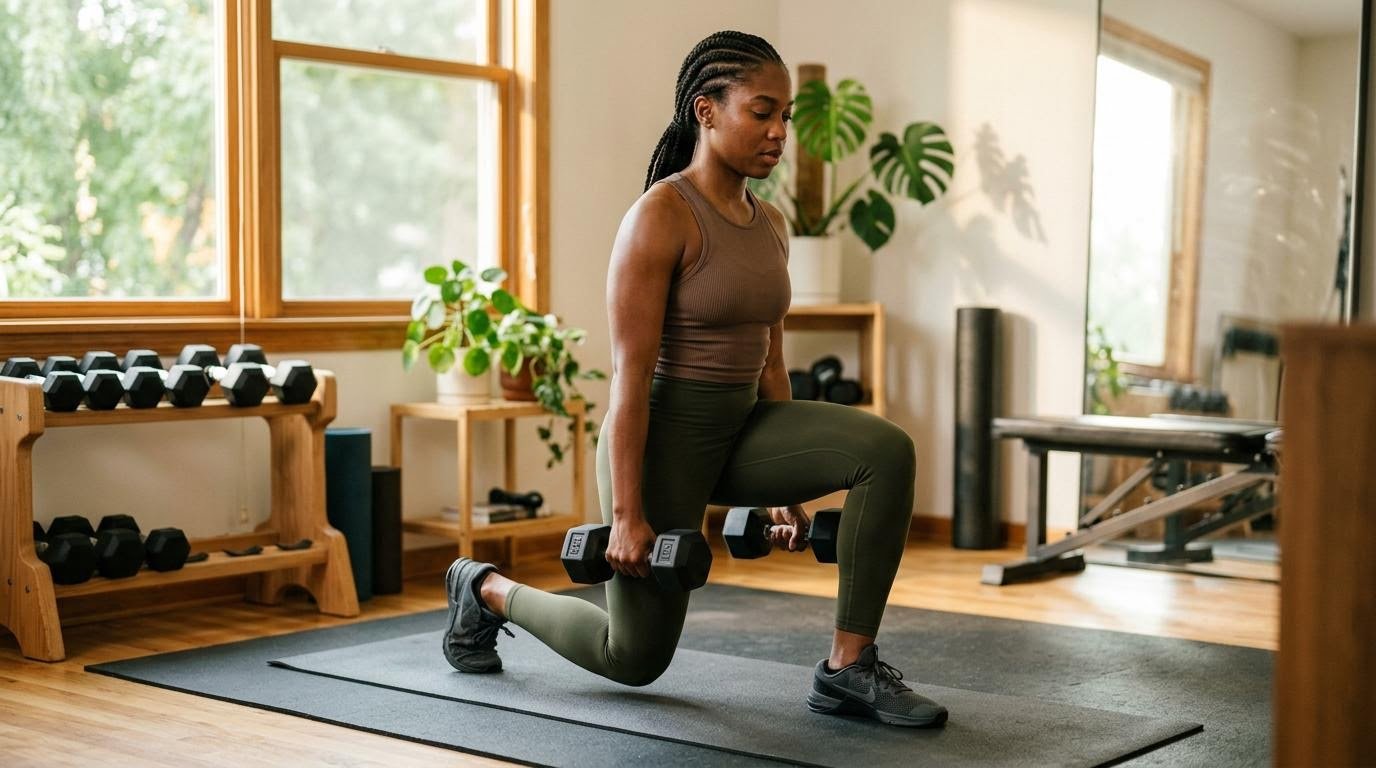
Strength training gets left out of most "healthy lifestyle habits" conversations, but it belongs in the same weekly rhythm as cardio, not as an optional extra. Two non-consecutive sessions a week targeting the major muscle groups is enough to matter, and you don't need a gym membership to get there. Bodyweight squats, push-ups against a counter, and resistance bands at home clear that bar.
Healthy Habits for Mental Health You Can Start This Week

Physical health habits get most of the attention in this space, but healthy habits for mental health are just as trainable, and they don't require an hour of meditation you'll abandon by Thursday. A short daily walk without your phone, five minutes of unstructured quiet before checking email, and one real conversation a day (not a group chat scroll) are all habits with genuine evidence behind them, and none require special equipment or an app subscription.
What surprises a lot of people is that the connection habit matters as much as the exercise one. Isolation compounds quietly. You don't notice it building the way you'd notice skipping the gym, which is exactly why it's easy to let slide during a stressful stretch. If your current routine has you going full days without a real conversation, that's worth treating as seriously as a missed workout.
How Long Healthy Lifestyle Habits Actually Take to Stick
Setting the right baseline targets helps you know what you're actually aiming for instead of guessing. The table below pulls directly from federal health guidance across sleep, movement, and nutrition.
| Habit | Recommended baseline target | Source |
|---|---|---|
| Physical activity | 150 min/week moderate-intensity, plus 2 strength sessions | CDC |
| Sleep (adults) | 7 to 9 hours nightly | NIH / NHLBI |
| Fruits and vegetables | Roughly half your plate at meals | Dietary Guidelines for Americans |
| New habit to become automatic | Median 59 to 66 days (varies by habit and person) | Health behavior habit formation meta-analysis |
Source: CDC, National Institutes of Health (NHLBI), Dietary Guidelines for Americans, 2020-2025.
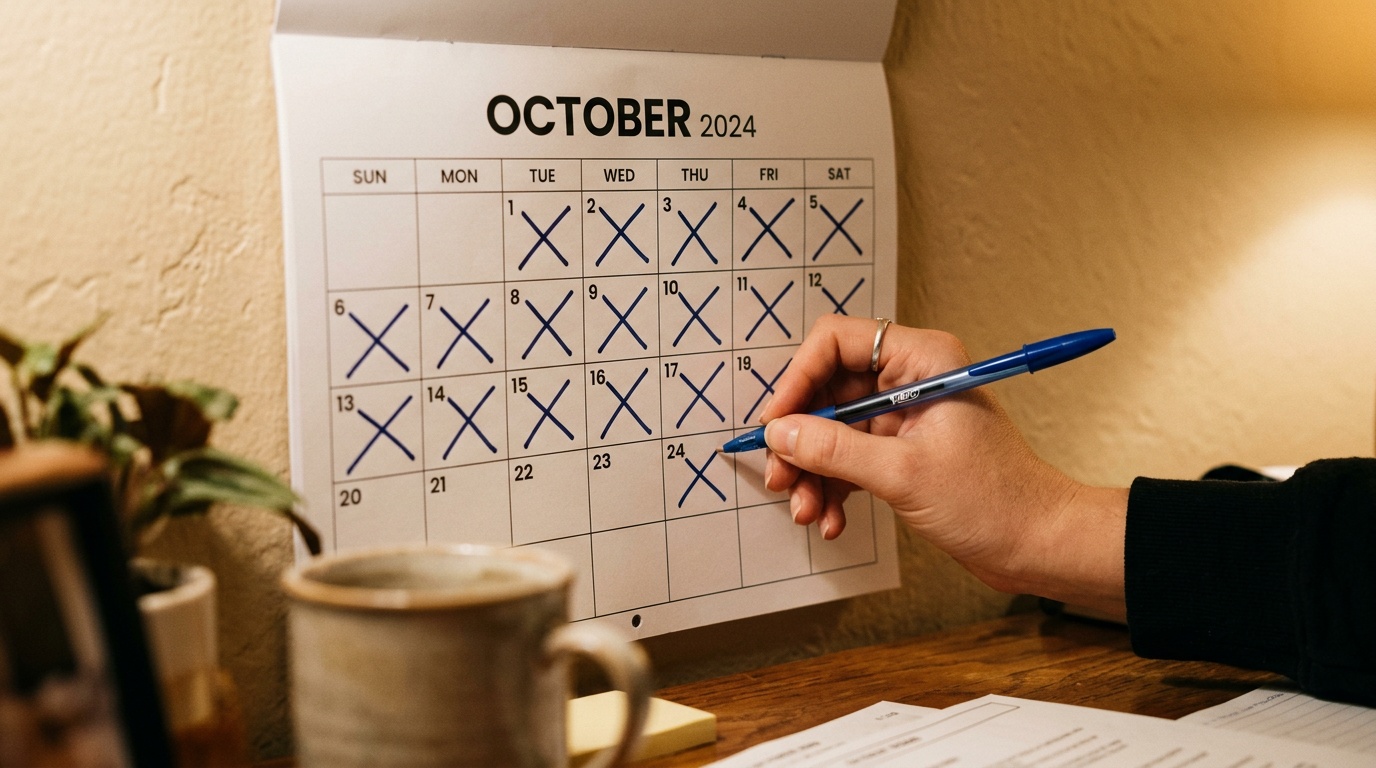
That last row is the one most people skip past, and it's the most important. If you give a new habit two weeks and judge it a failure, you're quitting before the data says it was ever likely to feel automatic. Give it two months before you decide whether it's working.
Watch this short breakdown from a Mayo Clinic dietitian on what actually makes healthy habits stick versus fade.
Healthy Lifestyle Habits FAQ
What are healthy lifestyle habits?
Healthy lifestyle habits are the repeated daily behaviors around eating, sleep, movement, and stress management that, over months and years, shape your overall health more than any single choice. They matter more than occasional "perfect" days because consistency, not intensity, is what compounds.
How long does it take to build a new healthy habit?
Research puts the median around 59 to 66 days for a habit to feel automatic, though it varies by behavior and person, with a documented range from as little as 4 days to over 300. Simple habits like drinking water tend to form faster than complex ones like a full exercise routine.
What are the easiest healthy lifestyle habits to start with?
Start with the one that requires the least friction to repeat daily, since ease of repetition matters more than theoretical impact. A consistent wake-up time, a protein-forward breakfast, and a 10-minute walk after lunch are three of the lowest-friction entry points.
Can you build healthy habits without a gym or special equipment?
Yes. Bodyweight strength exercises, walking, home-cooked plate-composition meals, and a fixed sleep schedule cover the core habit pillars without any equipment or membership cost.
What healthy habits help mental health specifically?
A daily phone-free walk, five minutes of quiet before checking email, and at least one real conversation a day are simple habits with evidence behind them for supporting mental health, and none require special training or an app.
References
- Centers for Disease Control and Prevention — Adult Activity: An Overview, 2023
- National Heart, Lung, and Blood Institute (NIH) — How Sleep Works — How Much Sleep Is Enough?
- U.S. Department of Agriculture / Department of Health and Human Services — Dietary Guidelines for Americans, 2020-2025, 2020
- Academy of Nutrition and Dietetics — Eat Better, Feel Better: 5 Tips for Healthier Habits, 2025
- National Center for Biotechnology Information (NCBI/PMC) — Time to Form a Habit: A Systematic Review and Meta-Analysis of Health Behaviour Habit Formation and Its Determinants