
Did you know that over 60% of adults are concerned about excess abdominal fat, but fewer than 20% ever consider surgery to address it? As non-surgical options become safer and more effective, doctors are weighing in on what really works
Startling Truths About How to Lose Belly Fat Without Surgery
“Studies show that more than 60% of adults express concern about excess abdominal fat, yet less than 20% consider surgical fat removal.” – American Society for Metabolic and Bariatric Surgery
For tens of millions worldwide, belly fat isn’t just about vanity—it’s linked to health risks like heart disease, diabetes, and metabolic syndrome. Yet, the majority of people hesitate to undergo surgical fat removal. Instead, they seek accessible, safer pathways for fat reduction. As medical technology advances, non-surgical fat reduction methods are stepping into the spotlight, targeting not only the fat cells under the skin, but also addressing underlying lifestyle factors that cause weight gain.
But how effective are they compared to classic methods? Read on to discover what leading doctors and researchers have to say
What You’ll Learn in This Guide to Lose Belly Fat Without Surgery
-
Key methods to lose belly without surgery, as recommended by medical professionals
-
Scientific background on belly fat and fat cells
-
Review of non-surgical fat reduction techniques, including laser fat, red light therapy, and more
-
Safety considerations, potential side effects, and effectiveness data
-
Expert opinions on long-term fat reduction and realistic results
Understanding Belly Fat: The Role of Fat Cells and Fat Pockets
The Science of Belly Fat: Fat Cells and Body Contouring
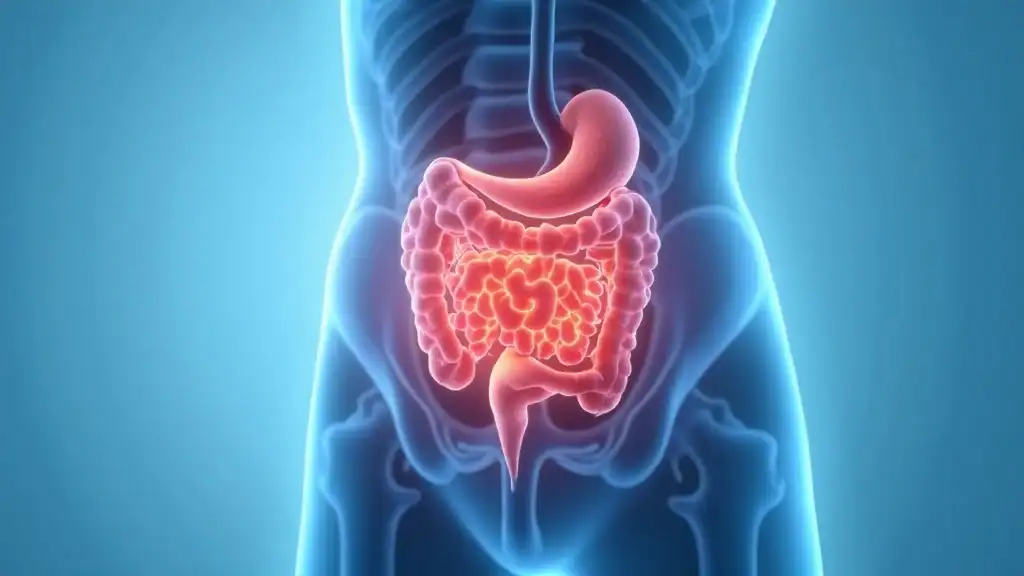
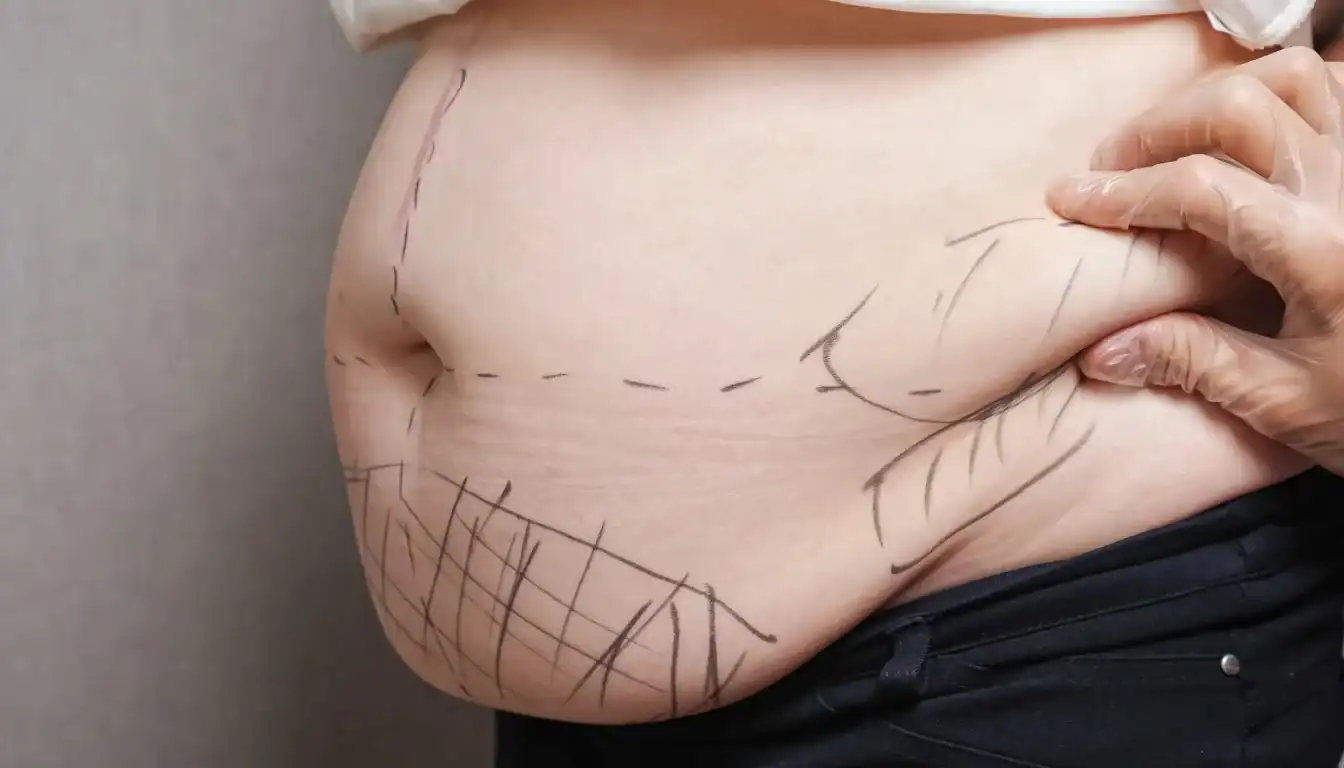
Excess belly fat can appear as persistent bulges or pockets of adipose tissue around the midsection. These fat pockets are made up of fat cells (adipocytes) that store excess calories. When you gain fat, existing fat cells expand; your body adds more cells only if you gain significant weight. Unfortunately, while you can shrink fat cells through weight loss, you don’t truly “remove” them without intervention such as fat removal procedures.
This means spot reduction—trying to lose fat in one specific area, such as your belly—is extremely challenging through diet and exercise alone. Modern non-surgical body contouring technologies, like laser lipo and red light therapy, work by disrupting fat cell structure in the treatment area. These approaches aim to shrink or destroy certain fat cells, allowing your body to process and eliminate them naturally, resulting in more targeted changes than diet and weight loss alone.
Why Belly Fat Accumulates: Diet, Lifestyle, and Genetic Factors
Belly fat doesn’t accumulate overnight. Genetics, hormonal imbalance, and metabolic changes play a major role, especially as we age. Factors like a diet high in processed foods, sugary drinks, and excess alcohol contribute to the growth of fat pockets around the abdomen. Stress and poor sleep can further disrupt hormones that regulate appetite and fat storage.
Addressing these root causes is essential to achieving and maintaining fat loss. Physicians recommend a multi-pronged strategy: sustained changes to diet and exercise habits, alongside modern fat reduction therapies, can support both immediate and long-term goals. Understanding your unique risk factors and lifestyle triggers can unlock safer, more predictable paths to belly reduction, often with medical supervision for the best outcomes.
For those looking to enhance their results, integrating proven effective weight loss tips into your daily routine can further support non-surgical fat reduction methods. Combining these strategies with medical guidance often leads to more sustainable and noticeable changes.
Traditional vs. Non-Surgical Fat Removal: Comparing Key Approaches
Comparison of Surgical Fat Removal vs. Methods to Lose Belly Without Surgery
| Approach | Cost (Range) | Invasiveness | Risks & Side Effects | Recovery Time |
|---|---|---|---|---|
| Surgical Fat Removal (Liposuction) | $3,000 – $7,000 | Highly invasive | Infection, scarring, anesthetic risk, bruising, pain, swelling | 2–6 weeks, often with downtime |
| Non-Surgical Fat Reduction (Laser Lipo, CoolSculpting, Red Light Therapy, etc.) | $1,500 – $4,500 (depends on treatment/session number) | Non-invasive/minimally invasive | Temporary redness, swelling, bruising, rare numbness | Immediate to 1–2 days; usually no downtime |
What Is Surgical Fat Removal? Procedures and Fat Reduction Outcomes
Surgical fat removal usually refers to liposuction or abdominoplasty (tummy tuck), performed by a cosmetic surgeon under anesthesia. These procedures physically “remove” large amounts of subcutaneous fat from the treatment area, creating dramatic and immediate results. However, the invasiveness carries well-documented risks—bleeding, infection, scarring, and a longer, painful recovery period.
While some patients see permanent changes after just one session, surgical fat reduction does not protect against future weight gain if lifestyle habits don’t change. As a result, doctors increasingly emphasize that surgery should be reserved for severe cases or when non-surgical options have not worked. The advantages—significant immediate belly reduction—need to be balanced against high cost, downtime, and potential complications.

Non-Surgical Fat Reduction: Overview of Today’s Leading Options
The boom in non-surgical belly removal technologies means you now have access to a broad range of choices. Popular methods include laser lipo, red light therapy, cryolipolysis (CoolSculpting), and injectable agents like deoxycholic acid. Unlike surgery, these options work by triggering the body to break down belly cells in a specific area, without incisions or anesthesia.
Most non-surgical approaches work best when sessions are spaced over several weeks, producing gradual but noticeable contour changes. Though not a substitute for traditional weight loss, these treatments shine as tools for fine-tuning those stubborn fat pockets that resist diet and exercise. For best results, physicians often recommend integrating these therapies into a holistic treatment plan that includes healthy habits and ongoing medical oversight.
Top Non-Surgical Techniques to Lose Belly Fat Without Surgery
Laser Fat Reduction and Laser Lipo: Mechanism and Effectiveness
Laser fat reduction and laser lipo utilize targeted energy to disrupt the membrane of fat cells beneath the skin. The most advanced systems emit a specific wavelength of light that heats—not destroys—the fat cell structure. This process liquefies stored fat, which is then naturally processed by your body’s lymphatic system. Results typically manifest after several treatment sessions.
Clinical research suggests laser lipo is a safe choice for patients looking to reduce belly in the abdomen, flanks, or thighs. Recovery is quick—most experience only mild swelling or redness in the treated area. Unlike surgical fat removal, laser lipo is non-invasive, with risk of complications significantly lower. Doctors point out, though, that the amount of fat reduction is moderate and may require repeat treatments for optimal results.
Red Light Therapy and Light-Based Fat Loss: Medical Evidence
Red light therapy—sometimes known as low-level laser therapy—has gained notoriety as a non-invasive fat reduction technique. In this method, specific light wavelengths (commonly in the red and near-infrared spectrum) penetrate skin to temporarily disrupt fat cells, leading to the release of lipids. Multiple studies point to measurable reductions in circumference in the treatment area after a series of treatment sessions.
Doctors appreciate red light therapy’s low risk of side effects, which generally include mild warmth or short-lived redness. While the belly reduction isn’t as dramatic as surgery, many patients find red light therapy suits their comfort level and lifestyle. Physicians stress, however, that consistency—regular sessions over several weeks or months—makes a significant difference in visible results.
Minimally Invasive Approaches: Deoxycholic Acid, CoolSculpting, and More
Today, minimally invasive belly reduction technologies fill the gap between surgical fat removal and gentle, non-invasive therapies. Injectable agents like deoxycholic acid (often branded as Kybella) chemically break down fat cell membranes in targeted areas—ideal for small pockets such as double chin or lower belly. CoolSculpting, or cryolipolysis, uses controlled cooling to freeze and induce death in subcutaneous fat cells, which your body naturally removes over time.
Both methods are performed in an outpatient setting and require little to no downtime. While side effects are usually mild—temporary swelling, bruising, or numbness—they do exist, and not every patient is a candidate. Physicians emphasize the importance of consultation to tailor a treatment plan that includes the appropriate number of sessions spaced for safety and best results. For many, these options offer a practical alternative to traditional plastic surgery.
-
Diet and exercise routines that target belly fat
-
Body contouring devices and technologies
-
Home remedies vs. clinical treatments
Doctor-Recommended Lifestyle Strategies for Belly Fat Reduction
Dietary Changes for Effective Fat Reduction
Physicians agree that non-surgical methods are most effective when combined with a tailored nutritional approach. A diet rich in whole grains, lean proteins, healthy fats, and abundant fruits and vegetables helps to regulate hormones and reduce caloric intake—addressing the underlying drivers of fat accumulation. Avoiding processed foods, sugary beverages, and excessive alcohol is key to preventing further weight gain.
Portion control and mindful eating further support fat reduction. Diet plans like the Mediterranean or DASH diets are often recommended by doctors for their evidence-based benefits in weight loss and heart health. Ultimately, sustainable change beats short-term fads: regular, balanced meals set the stage for lasting belly loss, especially when combined with physical activity and, where appropriate, non-surgical fat reduction treatment.

Exercise: Types, Frequency, and Impact on Belly Fat
Exercise remains a cornerstone in the quest to lose belly fat without surgery. Cardiovascular activities—brisk walking, running, swimming, or cycling—elevate heart rate and burn calories, prompting overall weight loss. In tandem, resistance training (such as weightlifting or bodyweight workouts) stimulates muscle growth, increasing metabolic rate and helping your body burn fat even at rest.
For best results, medical experts suggest at least 150 minutes of moderate aerobic activity per week, combined with strength sessions twice weekly. Integrated core exercises—planks, sit-ups, and dynamic movements—strengthen and tone abdominal muscles without directly “melting” the overlying fat. Consistency is crucial: regular, enjoyable routines build the habits needed to sustain fat loss and prevent the return of unwanted fat pockets.

Managing Weight Loss and Preventing Fat Regain
Even after successful fat reduction—whether via medical treatments or lifestyle change—sustaining results is a lifelong process. Doctors highlight the importance of ongoing healthy behaviors to keep belly fat at bay. That means consistent exercise, mindful eating, stress management, and quality sleep. Monitoring your weight and body composition periodically, especially after significant changes, helps you make timely adjustments before weight gain returns.
Many physicians advocate regular follow-ups and coaching. Participation in support groups or working with nutritionists ensures you have guidance throughout your journey, reinforcing your ability to maintain the benefits of non-surgical fat removal for the long haul. Ultimately, it’s the synergy of medical innovation and sustainable, daily practices that delivers the best long-term outcomes.
Side Effects and Safety Concerns: What to Know When Trying to Lose Belly Fat Without Surgery
“Non-surgical treatments for belly fat tend to carry fewer side effects and risk of complications compared to surgical fat reduction procedures.” – Dr. Emily Lee, Endocrinologist
The appeal of non-surgical belly fat reduction lies in its safety profile. Most non-surgical options produce only mild, temporary side effects—such as redness, slight swelling, tingling, or numbness at the treatment site—but rarely result in serious complications. Unlike surgical fat removal, there’s essentially no need for anesthesia and no risk of scarring or lengthy downtime.
Nevertheless, not everyone is a candidate for every procedure. Underlying health conditions, skin sensitivity, and unrealistic expectations can affect suitability and satisfaction. Physicians recommend an individualized assessment before starting any non-surgical fat reduction program, ensuring a transparent discussion about the number of treatment sessions needed, costs, and what the “best” possible outcome looks like for your body type and goals.
Expert Opinions: What Doctors Say About Non-Surgical Fat Reduction
How Physicians Measure Success and Set Realistic Expectations
Success in losing belly fat without surgery is not measured solely by inches lost or the immediate look in the mirror. Doctors use a range of metrics—such as reductions in abdominal circumference, improvements in body fat percentage, and positive shifts in blood pressure or cholesterol profile. Patient satisfaction also hinges on realistic goals: non-surgical treatments are designed for body contouring and subtle sculpting, not dramatic transformations in one sitting.
Physicians counsel patients to expect gradual, natural-looking results, often noticing the biggest changes several weeks after the final treatment session as the body processes eliminated fat. Honest conversation about your starting point, genetics, and lifestyle is crucial to maximize both the safety and impact of your chosen approach.
Fat Cells After Treatment: Can Belly Fat Return?
A common question: do fat cells come back after treatment? Science shows that while non-surgical methods can shrink and sometimes destroy fat cells in the treated area, adjacent or untreated areas can still grow with future weight gain
Can You Lose Belly Fat Without Surgery? (People Also Ask)
Answer: Yes, you can lose belly without surgery through changes in diet, exercise, and approved non-surgical treatments such as laser fat reduction and red light therapy that target fat cells.
How to Burn Alcohol Belly Fat? (People Also Ask)
Answer: Alcohol belly fat can be reduced by eliminating or reducing alcohol intake, following a nutritious diet, participating in regular aerobic and resistance training, and supporting metabolism with healthy habits.
Is It Possible to Get Rid of Belly Overhang Without Surgery? (People Also Ask)
Answer: Yes, a combination of healthy eating, targeted abdominal exercises, and non-surgical fat removal treatments such as laser lipo or body contouring devices can help reduce belly overhang.
What Burns the Most Belly Fat? (People Also Ask)
Answer: Cardiovascular exercise, strength training, and medically supervised non-surgical fat reduction treatments are currently considered the most effective ways to burn belly fat without surgery.
FAQs About How to Lose Belly Fat Without Surgery
-
How long does it take to lose belly fat with non-surgical methods?
Most non-surgical treatments require a series of sessions spaced over several weeks, with noticeable results typically appearing four to eight weeks after the last procedure. Consistency is key, as ongoing sessions and lifestyle modifications maximize long-term fat reduction. -
Are the results permanent or will fat cells return?
Non-surgical treatments can permanently destroy some fat cells in the treated area, but remaining fat cells can expand if weight is regained. To keep results, ongoing diet and exercise are essential. -
Who is a good candidate for non-surgical fat reduction?
Adults close to their ideal weight, with localized fat pockets resistant to diet and exercise, are ideal candidates. Medical screening is recommended to rule out conditions that might increase risk. -
What are the risks of laser lipo or red light treatments?
Most risks are mild and temporary—such as minor redness, swelling, or tingling at the treatment site. Severe complications are rare, making these options much safer than surgery. -
Can light therapy replace traditional weight loss strategies?
No. Light therapy can help refine and sculpt specific areas but should complement, not replace, a foundation of healthy eating and regular physical activity.
Key Takeaways from Medical Experts on How to Lose Belly Fat Without Surgery
-
Multiple effective non-surgical fat reduction options available
-
Consistent lifestyle changes remain essential for sustained fat loss
-
Medical supervision advised for safety and optimal results
Further Resources: Videos on Non-Surgical Belly Fat Reduction
Conclusion: Your Next Steps to Lose Belly Fat Without Surgery
Ready to start your journey? Contact a board-certified physician today for a personalized, non-surgical fat reduction plan.
Every step you take brings you closer to a healthier, more confident you—so why not make your next move your most empowered one yet?
Sources
-
Cleveland Clinic: Weight Loss and Belly Fat