
Introduction: Is Basmati Rice Fattening? Challenging the Myths
Opening Hook: Is basmati rice fattening or is it the secret ingredient to a healthier lifestyle?
Is basmati rice truly fattening, or does it deserve a place in your balanced diet? This guide explores the facts, backed by nutritional science, to help you make an informed decision about your favorite grain
-
Core nutritional properties of basmati rice and its popular varieties
-
The effects of basmati rice on weight loss and weight management
-
Scientific insights into blood sugar and glycemic index impacts
-
Expert opinions and evidence-based recommendations
Basmati Rice Overview: Types and Key Nutritional Facts
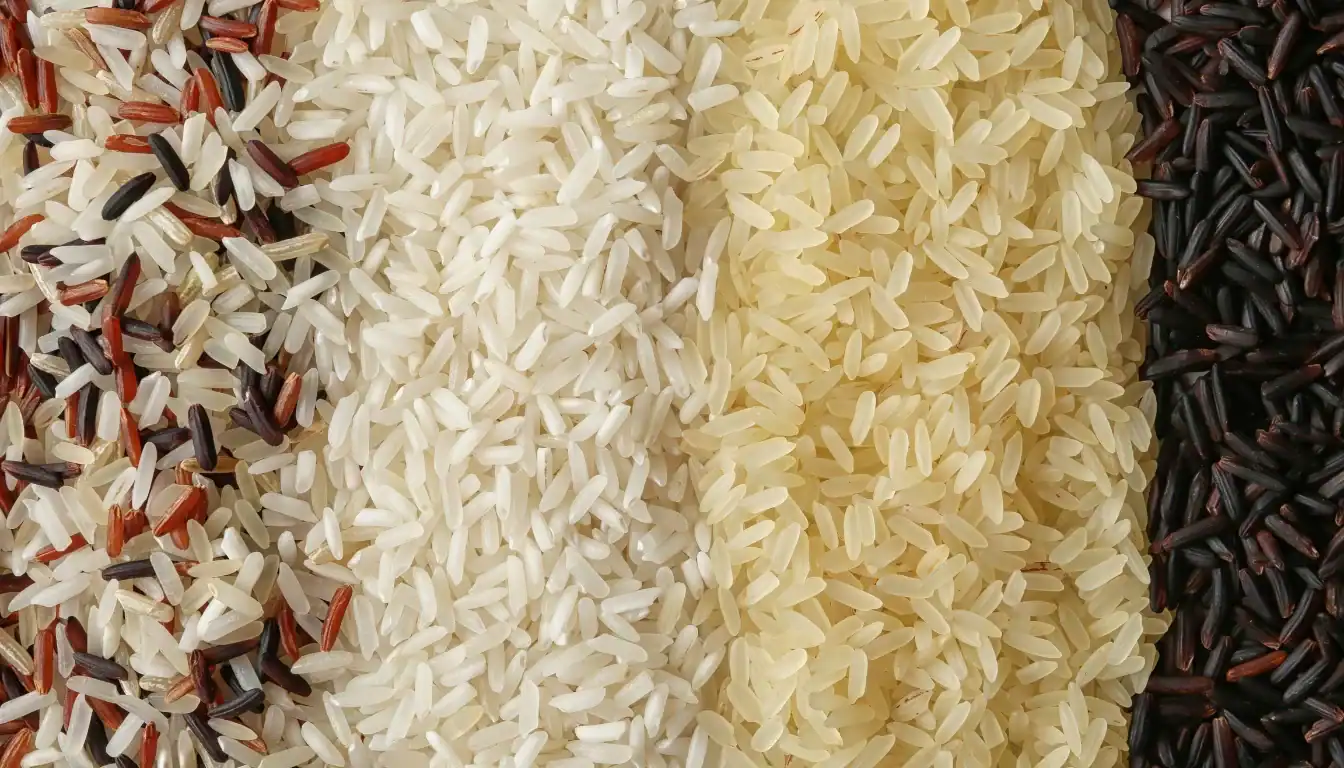
Understanding Rice Varieties: White Rice, White Basmati, and Brown Basmati
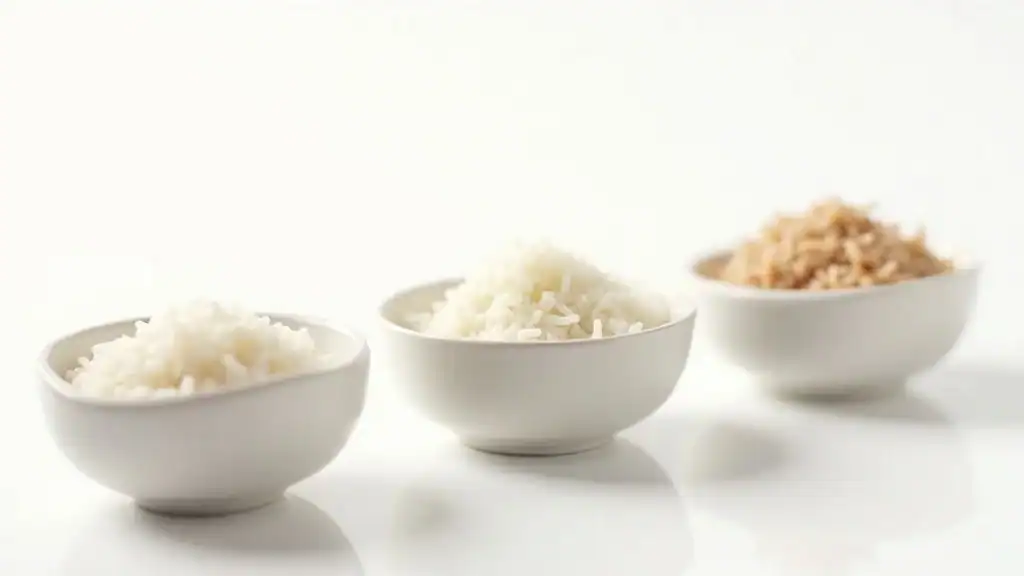
Rice, a staple in millions of diets worldwide, comes in many forms—each with unique nutrition. Basmati rice, prized for its aroma and fluffy texture, is available as white basmati rice and brown basmati rice. White rice, including both regular white and white basmati, is milled to remove husk, bran, and germ, resulting in a softer, quicker-cooking grain but with less fiber and micronutrients. In contrast, brown basmati rice is a whole grain, retaining bran layers for richer micronutrient content and higher fiber, offering greater health benefits and improved satiety—key for weight management and a healthy diet.
Understanding the nutritional differences between these rice types helps clarify whether incorporating basmati rice into your meals might impact your weight loss journey. While white basmati rice has a reputation similar to regular white rice in some circles, it offers a lower glycemic index and distinctive characteristics. Conversely, brown basmati rice offers greater fiber and micronutrients, making it the preferred choice for those prioritizing heart health or digestive regularity. Being aware of these differences gives you control over your portion choices and helps fit rice into your balanced diet more mindfully.
Types of Rice: How Does Basmati Compare?
-
White basmati rice and its macronutrient profile: Offers fewer calories per serving compared to some starchy counterparts, a moderate amount of fiber, and a lower glycemic index than typical white rice. It is often favored for its delicate, fluffy texture and versatility.
-
Brown basmati rice: the whole-grain advantage: This type retains the outer bran, providing more vitamins, minerals, and fiber. It promotes digestive health and satiation, reducing the tendency for overeating and aligning with weight loss or maintenance goals.
-
Other rice varieties: Jasmine, arborio, and their caloric content: Jasmine rice tends to be higher in glycemic index, while arborio (often used for risotto) is more calorically dense due to its starch content. Compared side-by-side, basmati (especially brown) is often a superior choice for weight management.
Nutritional Breakdown: Basmati vs White Rice vs Brown Rice
|
Rice Variety |
Calories (per 100g cooked) |
Carbs (g) |
Protein (g) |
Fiber (g) |
Glycemic Index |
|---|---|---|---|---|---|
|
White Basmati Rice |
121 |
25.2 |
3.5 |
0.6 |
50–58 |
|
Brown Basmati Rice |
111 |
23.0 |
4.0 |
1.8 |
45–52 |
|
Regular White Rice |
130 |
28.0 |
2.7 |
0.4 |
73–89 |
Is Basmati Rice Fattening? Decoding Its Caloric Density
Calorie Content and Serving Size: What Does Science Say?
The question—is basmati rice fattening?—hinges on caloric density and portion size
Beyond sheer numbers, the form of rice you consume also affects fullness and digestion. The fiber in brown basmati rice promotes satiety, meaning you feel fuller longer and are less tempted to overeat. Meanwhile, the aromatic and nutty flavor of basmati can help you enjoy smaller, more mindful servings. If you integrate basmati rice into a healthy diet—balancing your plate with ample vegetables and lean protein—calories from rice are unlikely to push you beyond your daily requirements.
For those looking to optimize their approach to weight management, incorporating basmati rice is just one piece of the puzzle. You can further enhance your results by exploring practical weight loss tips that actually work, which offer actionable strategies to complement your dietary choices.
Carbohydrate Profile: Immediate Energy or Fat-Storing Culprit?
Rice is a carbohydrate-rich food, and some worry that carbs lead to weight gain. However, the carbohydrate profile of basmati rice offers immediate, usable energy, supporting an active lifestyle. White basmati rice is mostly starch with a moderate protein content, whereas brown basmati adds complex carbs and fiber. These differences explain why brown basmati may help with weight management, as fiber-rich foods slow digestion and reduce sugar spikes. In contrast, high-GI rices (like regular white rice) rapidly increase blood sugar, triggering insulin release and, over time, potentially contributing to fat storage if eaten in excess.
Dietitians stress that carbohydrates themselves are not inherently fattening. Problems arise when they’re consumed beyond the body’s needs or as part of a sedentary lifestyle. For many, substituting regular white rice with basmati—especially brown basmati—makes it easier to adhere to weight loss goals or a healthy, balanced diet. The choice of rice, combined with attention to portion size and preparation, can make a meaningful difference in your overall calorie and carb intake.
“Basmati rice, when consumed in moderation, fits well in a balanced diet due to its unique nutritional profile.” – Registered Dietitian
Basmati Rice and Weight Loss: The Evidence
Is Basmati Rice OK for Weight Loss?
For those designing a weight loss plan, the inclusion of basmati rice often evokes debate. The lower calorie and lower glycemic index characteristics of basmati, compared to regular white rice, favor incorporating it into a weight loss diet. Major studies reveal that diets built around whole grains and low-GI carbs—like brown basmati rice—positively influence weight management, by preventing blood sugar spikes and keeping you feeling full. Unlike more refined starchy foods, basmati rice delivers steady, sustainable energy instead of sugar crashes or excessive caloric intake.
With portion control and proper pairings (like lean protein or high-fiber vegetables), even white basmati rice can be part of a healthy, calorie-controlled meal. The lush, fluffy texture and subtle nutty flavor can make modest servings more enjoyable and satisfying, helping you stick to your weight loss goals without feeling deprived or missing out on comfort foods.
White Basmati Rice in Weight Management Diets
When compared to regular white rice, white basmati rice provides fewer calories and a lower glycemic index, making it a somewhat better choice for those seeking weight loss or maintenance. For many, switching from regular white rice to white basmati is a practical compromise—offering the light, fluffy mouthfeel preferred in many cuisines, with a modestly reduced impact on blood sugar and overall calorie intake.
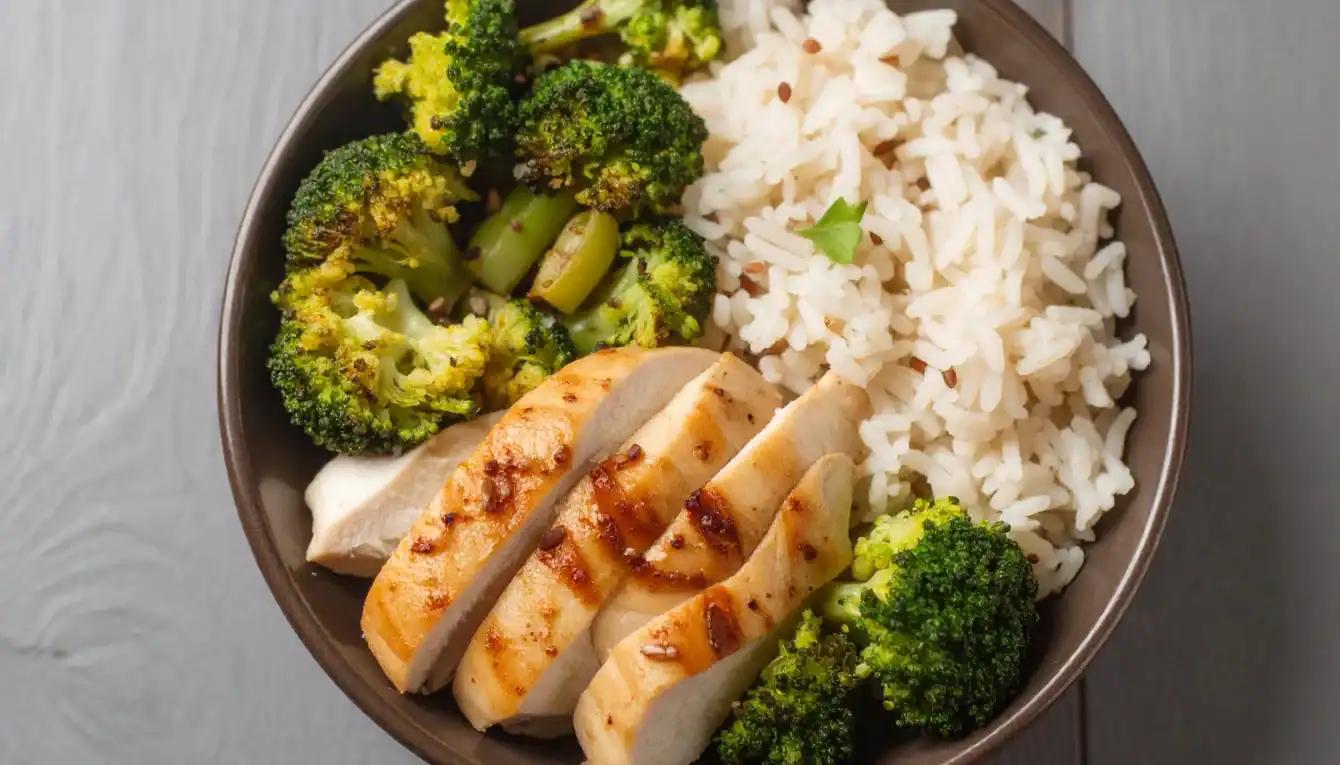
The strategy for effective weight loss with white basmati rice centers on mindful portion sizes and clever pairings. Start with ½ cup cooked basmati rice as a serving, and surround it with sautéed greens, roasted veggies, and a portion of grilled chicken, tofu, or fish. This approach aligns with leading weight loss experts and brings you closer to your health goals without sacrificing flavor, enjoyment, or dietary balance.
Which Rice Is Best for Losing Weight?
Multiple studies and dietitians agree: brown basmati rice comes out on top for weight loss due to its higher fiber, lower glycemic index, and better micronutrient profile. Compared to both white basmati and regular white rice, brown basmati slows digestion, encourages satiety, and sustains energy. Still, if you don’t love the chewier texture of brown basmati, even white basmati, cooked and served in measured portions, supports a weight management approach better than more processed or stickier white rices.
If your loss plan emphasizes variety, combining a modest serving of rice with ample vegetables and lean protein creates a nutrient-dense, satisfying meal. Partnering rice with nutritious add-ins like beans, chickpeas, or greens can further amplify its role in your overall weight loss goals. Be mindful: the best choice for weight loss is the rice you enjoy, prepared healthfully and eaten in moderation.
-
Basmati vs other varieties for weight loss: Brown basmati is superior for fiber and lower calorie density; however, white basmati is still a healthier option compared to regular white rice.
-
Portion control strategies: Use a measuring cup, aim for ½ to 1 cup cooked rice per meal, and balance with high-fiber vegetables and lean protein to keep calories in check.
-
Expert opinions on integrating rice into weight loss diets: Registered dietitians consistently recommend whole-grain options and moderate portions as part of an effective and sustainable diet.
Basmati Rice, Glycemic Index, and Blood Sugar Levels
How Basmati Rice Affects Blood Sugar and Glycemic Index
The glycemic index (GI) measures how quickly a carbohydrate-rich food raises blood sugar levels. Here, basmati rice shines: both white and brown basmati typically have a lower glycemic index than regular white rice, with brown basmati at the lowest end. This means basmati rice digests more slowly, causing a gentler increase in blood sugar and, by extension, less insulin response—crucial for weight management and diabetes prevention. If you’re monitoring blood sugar or aiming for a lower glycemic diet, switching to basmati is a sensible step.
For people concerned about blood sugar levels, integrating basmati rice over higher-GI options helps stabilize energy throughout the day. This is especially important for those managing diabetes, prediabetes, or metabolic syndrome. Medical professionals often suggest pairing basmati rice with high-fiber, low-GI foods to slow absorption even more and support a healthy diet.
Comparing Sugar Levels: Basmati Rice Versus White Rice
Though rice itself is low in direct “sugar,” the body breaks down its starches into glucose, raising blood sugar. Basmati’s structure results in slower conversion, meaning that even a moderate serving won’t spike sugar levels the way more processed or sticky white rices do. Regular white rice leads to higher blood sugar spikes and faster energy crashes—which, over time, may contribute to increased hunger and fat storage. Basmati, especially brown basmati, therefore supports steadier metabolism, healthier weight, and improved energy levels.
For individuals with diabetes or blood sugar concerns, this lower-GI and steady-glucose profile is a game changer. Opting for basmati rice over traditional white rice or jasmine rice can be a small but powerful shift supporting metabolic health and making weight loss goals more achievable.
Glycemic Index Chart: Popular Rice Varieties
|
Rice Type |
Glycemic Index |
Blood Sugar Impact |
|---|---|---|
|
Brown Basmati |
45–52 |
Low |
|
White Basmati |
50–58 |
Medium-Low |
|
Regular White (Short Grain) |
73–89 |
High |
|
Jasmine Rice |
68–80 |
High |
Health Benefits and Downsides: A Nuanced Look at Basmati Rice
Health Benefits of Basmati Rice You Should Know
-
Nutritional value and micronutrients: Basmati, particularly brown, is rich in B vitamins, magnesium, and small amounts of potassium. These nutrients support heart health, metabolic function, and energy production.
-
Digestive benefits: The fiber in brown basmati enhances gut health, reduces constipation, and helps regulate appetite by promoting prolonged satiety and balanced blood sugar.
-
Lower calorie and sugar impact compared to high-GI rice: Both white and brown basmati rice are less likely to cause sharp blood sugar spikes and contribute fewer calories compared to other refined rice varieties.
Research consistently demonstrates the health benefits of switching to whole grains like brown basmati rice for individuals at risk of diabetes, heart disease, or simply aiming for a healthy diet. The unique combination of moderate calories, complex carbohydrates, and dietary fiber means basmati rice can absolutely be part of a weight management or weight loss plan when enjoyed in context with a varied, nutrient-dense plate.
What Is the Downside of Basmati Rice?
-
Potential overreliance for carbohydrates: Relying too heavily on any single carbohydrate source can crowd out a more varied diet. Be sure to diversify starches—think sweet potatoes or quinoa—to gain a broad range of nutrients.
-
Possible arsenic content in rice: Like all rices, basmati may contain trace levels of arsenic (a naturally occurring mineral). Brown rice, since it retains more outer layers, may have higher concentrations than white, but globally-sourced basmati is often lower in arsenic than many U.S. grown brands. Always rinse rice thoroughly and vary your grains to minimize risk.
-
Comparison of white basmati rice and brown rice health effects: White basmati, though lower in fiber than brown, is still nutritionally superior to many white rices. However, brown basmati remains the gold standard for maximizing health benefits and digestive regularity.
Despite some minor concerns, most evidence underscores that basmati rice—especially brown—is one of the healthier rice varieties available, provided it is consumed as part of a balanced diet.

Is It OK to Eat Basmati Rice Every Day?
Dietary Recommendations and Moderation Principles
Eating basmati rice daily is appropriate for most healthy adults when portion sizes are monitored and meals are balanced with vegetables, lean protein, and healthy fats. Dietitians recommend keeping portions sensible—generally about ½ to 1 cup cooked rice per meal—and ensuring most meals are varied in their grain choices across the week for optimal micronutrient intake and reduced exposure to any agricultural contaminants. Whole grains, like brown basmati, can safely anchor your carb intake, while even white basmati is fine in moderation for those without blood sugar management issues.
Striking a balance is essential: diversify your grains, pair with high-fiber vegetables and lean proteins, and keep active. Basmati rice, enjoyed within recommended serving sizes, remains a healthy and satisfying staple, suitable even for those focused on weight loss or sustained weight management.
“Whole foods like basmati rice, when eaten in informed quantities, can sustain a healthy weight and metabolism.” – Nutrition Scientist
Expert Opinions: Dietitians and Nutritionists on Basmati Rice
Current Scientific Consensus
Leading nutritionists agree that basmati rice, especially when compared to other rice varieties, can be a strategic part of a healthy diet. Brown basmati rice is particularly valued for its lower glycemic load, high fiber content, and complex carbohydrates—all supporting steady blood sugar, heart health, and weight management. Most dietitians position basmati rice as a healthy alternative to higher-GI or more calorie-dense rices and emphasize the importance of portion size and varied pairings.
The current scientific consensus is that rice is not inherently fattening; it is the frequency, quantity, and preparation methods that determine its impact on your dietary and weight outcomes.
Common Misconceptions About Basmati Rice
Despite its favorable nutrition statistics, some persistent myths about basmati rice remain. A common belief is that “all rice leads to weight gain,” or that “white basmati is just as bad as regular white rice”—neither is true. The reality is that different types of rice have distinct effects on blood sugar and satiation, and basmati rice consistently performs better than most when it comes to supporting healthy eating and weight loss. Understanding these nuances allows you to enjoy rice thoughtfully, free from unnecessary dietary restrictions.
Dietitians advise reading food labels, choosing whole-grain options where possible, and maintaining awareness of overall meal composition rather than demonizing individual foods.
Practical Tips: Cooking Methods and Serving Suggestions for Weight Control
Best Ways to Prepare Basmati Rice for a Balanced Diet
Optimal preparation amplifies the health benefits of basmati rice, supporting both weight loss and balanced eating. Rinsing rice thoroughly removes excess starch, lowering potential arsenic content and improving texture. Use measured water for fluffy grains, and avoid added fats or oils in the cooking process. Experiment with steaming or boiling, and serve alongside vibrant sauces, herbs, or spice blends. If targeting dietary fiber and a lower calorie load, brown basmati is your best pick—just increase the cooking time as needed.
For portion control, cook a set amount in advance and use a digital scale or measuring cup to apportion servings accurately. Combine rice with ample non-starchy vegetables and a serving of lean protein to build satisfying meals that fit seamlessly into a healthy diet and weight management plan.
Smart Pairings: Dishes to Maximize Health Benefits
The nutritional impact of basmati rice is magnified when it becomes part of a complete, nutrient-dense plate. Include plenty of fiber-rich, colorful vegetables—like spinach, broccoli, or peppers—for added vitamins and minerals. Always include a source of lean protein (grilled tofu, chicken, fish, or beans) to slow digestion, balance blood sugar, and increase satiety. Spices like turmeric, ginger, or paprika not only enhance flavor but add antioxidant power to your meals.
-
Combine with high-fiber vegetables
-
Choose lean protein pairings
-
Spice up with antioxidants
Smart meal construction with basmati rice allows for greater enjoyment, better fullness, and meaningful progress toward your health and weight loss goals.

Popular Misconceptions About Is Basmati Rice Fattening
-
Misconception: All white rice causes weight gain
-
Reality: Not all rice types behave the same in the body
It’s essential to distinguish between rice varieties and their impacts. Basmati rice, due to its unique characteristics, is not as “fattening” as many believe. Understanding this empowers you to make choices based on facts, not myths.
Watch a registered dietitian explain whether basmati rice is fattening, demonstrating with real rice samples and easy-to-follow charts. The video highlights portions, sugar levels, and practical strategies in a modern, well-lit setting.
People Also Ask: Essential Questions About Is Basmati Rice Fattening
Is basmati rice ok for weight loss?
Yes, basmati rice—especially brown basmati—is a good fit for most weight loss diets due to its lower calorie count, higher fiber, and moderate glycemic index compared to regular white rice. Successful weight loss relies on portion control and balanced meals.
What is the downside of basmati rice?
Potential downsides include its carbohydrate density—if overeaten—or trace arsenic amounts, common in all rice. Switching between rice varieties and washing basmati rice thoroughly can help minimize possible risks.
Which rice is best for losing weight?
Brown basmati rice is widely regarded as the best choice for weight loss, offering higher fiber and lower glycemic index properties. If you prefer white rice, white basmati is better than regular white rice for weight control.
Is it OK to eat basmati rice every day?
You can eat basmati rice daily if you keep to healthy serving sizes and balance it with vegetables, proteins, and other grains over the week. Moderation and meal variety remain crucial for overall wellness.
FAQs on Is Basmati Rice Fattening
-
How much basmati rice can I eat without gaining weight?
A common recommendation is ½ to 1 cup of cooked basmati rice per meal, paired with high-fiber vegetables and protein. This ensures satisfaction and fits within calorie-controlled eating plans. -
What are the differences in calorie content among rice varieties?
Basmati rice (white or brown) provides slightly fewer calories per serving than regular white rice. Brown basmati is lowest, followed by white basmati, with regular white rice slightly higher in caloric value. -
Is basmati rice suitable for diabetic diets?
Yes, brown basmati is especially recommended due to its lower glycemic index, making it suitable for blood sugar management. Moderation and meal composition still apply. -
Are there better alternatives to basmati rice for weight loss?
Brown basmati is one of the best rice options for weight loss. Other whole grains like quinoa, bulgur, or farro may offer higher protein and fiber and are also worth considering.
Key Takeaways: Is Basmati Rice Fattening?
-
Basmati rice can be part of a healthy diet when consumed mindfully
-
Understanding types of rice and their impacts aids in better dietary choices
-
Portion control, preparation methods, and combinations matter
Conclusion: So, Is Basmati Rice Fattening?
Final Thoughts and Summary for Health-Conscious Readers
Basmati rice is not inherently fattening. With portion control, balanced pairings, and mindful preparation, it’s a wholesome addition to a health-driven lifestyle—especially when opting for brown basmati and a diverse, nutrient-rich plate.
Start Making Healthier Choices: Try Balanced Basmati Rice Recipes for Optimal Wellness
Ready to make a healthy change? Experiment with brown basmati rice in nourishing meals—combine with vegetables, lean proteins, and vibrant spices to fuel your wellness journey with delicious satisfaction
If you’re inspired to take your healthy habits even further, consider broadening your approach beyond just dietary tweaks. Discover how integrating daily movement and a holistic mindset can accelerate your progress by exploring the hidden benefits of daily exercise. By pairing smart nutrition with consistent activity, you’ll unlock a more sustainable, energized, and rewarding path to wellness—empowering you to achieve your goals with confidence and vitality.
Sources: