
Did you know that trillions of microbes in your gut may influence whether you lose—or gain—weight, regardless of calories consumed? It’s a startling fact emerging from groundbreaking studies on the gut microbiome and weight loss
A Startling Connection: Gut Microbiome Weight Loss in Focus
For decades, losing weight seemed to hinge on calories in versus calories out. But recent research suggests that the gut microbiome—an ecosystem of bacteria, yeasts, and viruses in your digestive tract—may be just as crucial for weight loss as diet and exercise. Evidence now links the balance and diversity of gut bacteria to body fat, insulin resistance, and even persistent weight gain or loss. A healthy, varied microbiome can promote better nutrient absorption, reduce inflammation, and support metabolic health, all of which play direct roles in achieving or maintaining your desired weight.
Understanding these complex mechanisms is allowing scientists and clinicians to develop more effective, personalized interventions targeting gut health. With clinical trials and systematic reviews underscoring the connection between gut bacteria and weight management, it’s clear that “going with your gut” has scientific merit. Let’s look closer at what you can actually do—and what the latest evidence really says—about boosting your weight loss journey through gut health.

What You’ll Learn About Gut Microbiome Weight Loss
-
Understand the science linking gut microbiome and weight loss
-
Explore gut health trends and their implications for weight management
-
Review current research, clinical trials, and systematic reviews
-
Learn expert opinions and actionable tips for optimizing your gut bacteria
Understanding Gut Microbiome Weight Loss: Definitions and Foundations
What Is the Gut Microbiome and Gut Microbiota?
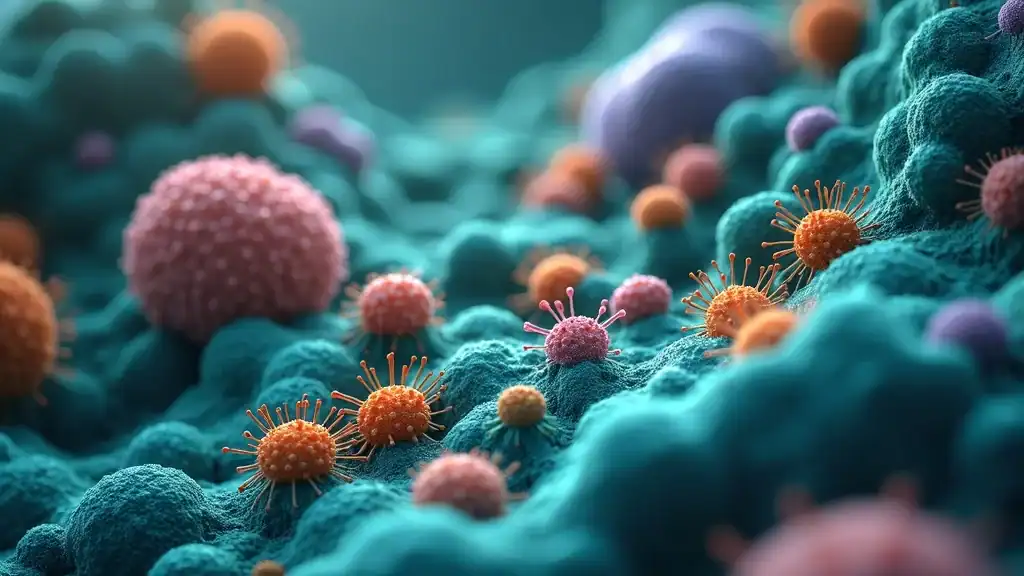
The gut microbiome refers to the community of trillions of microscopic organisms—mainly bacteria, but also viruses, fungi, and archaea—that reside in your gastrointestinal tract. Often used interchangeably, “gut microbiome” typically describes these microorganisms’ collective genetic material, while “gut microbiota” refers to the organisms themselves. Scientists have discovered that the diversity, richness, and balance of your gut bacteria impacts everything from immune health to mood, and notably, your ability to lose or gain weight. In fact, variations in gut bacteria have been linked to changes in body mass index (BMI), obesity, and how your body stores fat.
These gut microbes help digest fibers, produce vital nutrients, and interact with hormones that regulate appetite and metabolism. Disruptions in this ecological balance—caused by a poor diet, antibiotics, stress, or disease—may contribute to increased body fat, insulin resistance, and unwanted weight gain. Increasingly, researchers are uncovering the ways that supporting a thriving gut community can help manage, or even lower, body weight and fat levels.
How Gut Microbiome Influences Body Weight
So, how exactly does your gut microbiome shape your journey to lose weight? It starts with how gut bacteria break down food and generate metabolites known as short-chain fatty acids
Gut bacteria may also influence insulin resistance, which is tied to how efficiently your body uses sugar. An imbalance, or lack of diversity, in gut microbiota has been associated with inflammation and metabolic dysfunction, both risk factors for increased body weight and obesity. The interplay between diet, gut microbes, and your metabolic system often determines whether calories are stored as fat or used as fuel—making it clear that for many, meaningful weight loss begins in the gut, not just the gym.
While gut health is a powerful factor in weight management, it’s important to remember that effective fat loss often involves a combination of strategies. For those interested in optimizing their approach, exploring the science behind effective fat-burning exercises can provide additional tools to complement your gut-focused efforts.
Gut Microbiome Weight Loss: The Latest Research
Key Findings From Systematic Reviews and Clinical Trials
Recent systematic reviews and clinical trials firmly establish a two-way relationship between the gut microbiome and weight loss outcomes. These studies confirm that people with a more diverse and balanced gut microbiome tend to have lower body mass, healthier metabolic markers, and greater success maintaining weight loss long-term. Specific microbial signatures—such as increased Akkermansia muciniphila or higher Firmicutes/Bacteroidetes ratios—have been linked to favorable shifts in body fat and metabolism. Research involving dietary interventions, such as increased fiber intake or probiotic supplementation, regularly reports a significant reduction in weight, especially when participants combine these changes with lifestyle modifications.
Notably, the human gut microbiome adapts quickly to dietary changes, but consistency is key. While single-food or “gut reset” fads may promise dramatic results, clinical trials show that lasting impact comes from gradual, sustained improvements in diet quality—namely, eating more prebiotic-rich plant foods and fermented foods. The science is promising but still evolving: larger-scale trials are underway to pinpoint which bacteria matter most and how they interact with environmental and genetic factors to drive weight management success.

“A balanced gut microbiome may be just as influential in weight loss as diet or exercise.” — Leading nutrition researcher
Bariatric Surgery and Changes in Gut Microbiome
Bariatric surgery, such as gastric bypass, is a powerful medical intervention for severe obesity. What’s surprising, however, is how dramatically it shifts the gut microbiome within weeks or months after surgery. Research now shows that patients who undergo bariatric surgery experience a significant change not only in their body weight, but in the composition and function of their gut bacteria. These shifts support improved metabolism, reduced inflammation, and a better response to weight-loss-friendly diets post-surgery.
Some studies even suggest that “transplanting” the microbiota from surgical patients to mice can replicate weight loss and reduced fat accumulation in the animals. This has led scientists to speculate that microbiome changes may partially explain why bariatric procedures succeed where diet and exercise alone sometimes fail. Understanding these mechanisms could help develop new non-surgical therapies that harness the power of healthy gut bacteria for those struggling to lose weight.

Gut Health and Weight Management: Beyond Calories
Insulin Resistance, Fatty Acids, and the Role of Gut Bacteria
A thriving gut microbiome doesn’t just support digestion—it actively regulates glucose metabolism and the production of fatty acids (like short-chain fatty acids) that help manage insulin resistance. When beneficial gut bacteria break down complex carbohydrates, they release short-chain fatty acids such as butyrate, which may reduce inflammation and help your cells respond to insulin more effectively. This is a crucial factor because improved insulin sensitivity makes it easier for your body to access fat stores and lose weight, rather than hold onto unwanted pounds.
Imbalances in the gut microbiota are known to disrupt fatty acid production, increase systemic inflammation, and directly contribute to the development of obesity and type 2 diabetes. New studies also connect healthy gut bacteria to lower levels of triglycerides and body fat, reinforcing the idea that weight loss is influenced not just by calorie intake, but also by how well your microbiome supports metabolic health from the inside out.
Can Improving Gut Microbiome Prevent Weight Gain?
Emerging research indicates that yes, optimizing your gut microbiome can be a powerful tool in stopping weight gain before it starts. Regular intake of high-fiber foods, fermented products, and prebiotics helps maintain the microbial diversity needed to ward off unwanted changes in body weight and composition. For example, people with a robust community of “good” bacteria like Bifidobacterium and Lactobacillus are better equipped to maintain a healthy body mass index, especially during periods of dietary excess or reduced physical activity.
Some dietary supplements and probiotic interventions show promise in supporting weight management, but no magic bullet exists. The real key is cultivating resilience and richness in your gut microbiome through sustainable eating and lifestyle habits. This lays the foundation for not only losing weight but also preventing weight regain—the bane of so many “yo-yo” dieters.
Gut Microbiome Weight Loss Strategies: Diet, Prebiotics, and Probiotics
Best Foods for Gut Health to Support Weight Management
Scientific consensus is clear: a diverse, plant-forward diet is the best starting point for building a resilient gut microbiome. High-fiber foods—like leafy greens, legumes, berries, and whole grains—feed beneficial gut bacteria and promote short-chain fatty acid production. Fermented foods like yogurt, kefir, sauerkraut, and kimchi are rich in probiotics, helping introduce and maintain “good” bacteria populations. In contrast, diets high in processed foods and sugars are linked to diminished microbial health—and greater weight gain.
-
High-fiber foods
-
Fermented foods (yogurt, kefir, sauerkraut)
-
Rich sources of prebiotics and probiotics
By making these foods a core part of your daily routine, you lay a powerful foundation for gut-driven weight management. It’s also vital to rotate your choices—variety matters, as different good bacteria thrive on different food substrates, supporting a richer, more robust microbiome for lasting weight loss and metabolic health.

Probiotics and Prebiotics: Impact on Weight Loss
Probiotics and prebiotics are two of the most popular dietary supplements aimed at improving gut health—and there is growing evidence that they may assist with weight loss. Probiotics are live beneficial bacteria (often found in fermented foods and supplements), while prebiotics are types of fiber that feed these bacteria and promote their growth. Clinical studies suggest that certain strains of probiotics (such as Lactobacillus gasseri or Bifidobacterium breve) can result in modest reductions in body fat and body mass, especially when combined with a diet rich in prebiotic fiber.
However, not all probiotics are equally effective, and individual results can vary based on genetic, lifestyle, and environmental factors. Systematic reviews highlight that maintenance of a balanced microbial ecosystem, rather than single-strain supplementation, is more likely to support sustainable weight management and metabolic health.
Comparison of Probiotics and Their Effects on Weight Management
| Probiotic Strain | Main Food Sources | Reported Effects |
|---|---|---|
| Lactobacillus gasseri | Yogurt, fermented milk | Reduces body fat and waist circumference in some studies |
| Bifidobacterium breve | Kefir, fermented dairy | May lower body mass index (BMI) and support fat loss |
| Lactobacillus rhamnosus | Supplements, kefir | Results in modest weight reduction, especially in women |
| Multiple-strain probiotics | High-quality supplements, mixed fermented foods | Linked to improved gut diversity and metabolic markers |

Gut Microbiome Weight Loss: Popular Myths vs. Reality
Debunking Common Gut Health Weight Loss Claims
With gut health now a wellness buzzword, it can be hard to separate fact from fiction. Here are a few of the most persistent myths:
-
Myth: All probiotics work equally well for weight loss
-
Myth: Gut reset diets produce instant results
-
Fact: Dietary changes have lasting impact on gut microbiome
In reality, there’s no one-size-fits-all solution. Some probiotic strains are beneficial for weight management, but others have little or no effect. “Gut reset” cleanses and ultra-restrictive fad diets are rarely supported by science and can even harm your microbial diversity if misused. What’s proven is that sustained improvements—like eating more prebiotic fiber and cutting back on processed foods—offer significant and lasting change to the gut microbiota, ultimately supporting easier, more natural weight loss.

“Don’t fall for the hype—real gut health takes time and science-based strategies.” — Clinical nutritionist
Expert Opinions: The Future of Gut Microbiome Weight Loss
Perspectives From Nutritionists and Researchers
Many nutritionists and researchers agree: the next frontier in weight management is personalized, science-based gut health optimization. They emphasize the use of microbiome assessments and targeted dietary counseling to support those struggling with stubborn weight issues. As more data accumulate from ongoing clinical trials, experts predict an era where it’s possible to recommend tailor-made probiotic formulations, precision fiber blends, and even next-generation “synbiotics”—combinations of probiotics and prebiotics selected just for you.
Instead of focusing solely on “what” or “how much” you eat, the question becomes “how does your microbiome respond?” The future of gut microbiome and weight loss will likely be highly individualized, data-driven, and profoundly transformative in helping people of all backgrounds reach their goals in a healthy, sustainable way

Emerging Trends in Gut Microbiome Weight Loss Interventions
From advanced probiotics to personalized dietary interventions, the weight loss landscape is rapidly embracing microbiome science. New developments include wearable biosensors that monitor metabolic responses to food, smartphone apps that analyze your microbial DNA, and clinical trials with next-gen dietary supplements targeting specific gut pathways. There’s also rising interest in “postbiotics”—molecules produced by gut bacteria—which may offer metabolic benefits without live bacteria supplementation.
Researchers are optimistic about future therapies, especially those integrating artificial intelligence and real-time gut monitoring. These innovations could make it possible to prevent weight gain, reverse insulin resistance, and support long-term weight management not by fighting biology, but by working with it. While many therapies are still experimental, the potential for safe, effective, and highly personalized solutions is just beginning to unfold.

People Also Ask: Gut Microbiome Weight Loss FAQ
How to fix gut microbiome to lose weight?
To improve your gut microbiome for weight loss, start by eating a wide variety of fiber-rich fruits and vegetables every day, and regularly include fermented foods like yogurt, kefir, and sauerkraut. Cut down on ultra-processed foods, added sugars, and artificial sweeteners, which can disrupt your microbial balance. Staying physically active, managing stress, and getting enough sleep also foster a robust, diverse community of beneficial bacteria. Making these habits a permanent part of your lifestyle creates conditions where healthy bacteria thrive—supporting a natural reduction in body weight and improved metabolic health.

How to restart your gut biome for fat loss?
Forget overnight cleanses or extreme diets—true gut biome “restart” for fat loss involves gradually restoring balance with consistent, healthy habits. Focus on high-fiber foods such as beans, oats, apples, and leafy greens, which feed your good bacteria. Add in probiotic-rich options like yogurt, kimchi, and miso several times a week. Hydrate well, avoid unnecessary antibiotics, and consider a quality multi-strain probiotic if your doctor recommends it. Over several weeks, you’ll help repopulate your microbiota to support easier fat loss and weight management.
What is the 7 day gut reset?
The “7 day gut reset” is a popular concept promoted online, typically involving a week-long plan of clean eating, increased fiber, fermented foods, and restricted processed products. While the idea has gained traction, scientific evidence supports gradual, long-term dietary changes over quick resets. Short-term drastic shifts may offer a temporary boost to gut bacteria, but real, stable changes to your gut microbiome—and weight—take weeks or months of consistent healthy habits.
Can bad bacteria in the gut cause weight loss?
In some cases, an excessive presence of “bad” bacteria or pathogenic microbes can trigger weight loss, but often for the wrong reasons—such as chronic digestive upset, infections, or malabsorption. More commonly, an imbalanced microbiome increases the risk of weight gain, insulin resistance, and excess fat storage. The healthiest approach is to promote a balanced, diverse gut ecosystem that discourages both harmful bacteria and unexplained changes to body weight.
Practical Tips for Supporting Gut Microbiome Weight Loss
-
Eat more fibrous vegetables and fruits daily
-
Include probiotic-rich foods regularly
-
Stay physically active to support microbial diversity
-
Limit ultra-processed foods and added sugars
-
Manage stress for balanced gut bacteria
Key Takeaways: Gut Microbiome and Weight Loss Insights
-
A balanced gut microbiome supports weight loss and prevents weight gain
-
Fermented and fibrous foods can improve gut bacteria
-
Clinical trials suggest promise but more research is needed
FAQs About Gut Microbiome Weight Loss
-
How fast can gut health changes influence weight loss? — Some people notice digestive improvements in a few days, but sustainable weight loss linked to gut changes usually takes 3–8 weeks of consistent, healthy habits.
-
Are probiotics or prebiotics better for weight management? — Both can play a role. Prebiotics feed your existing good bacteria, while probiotics introduce new beneficial strains. Combined, they often offer the greatest support for gut-driven weight loss.
-
Is there a risk to changing your gut bacteria too quickly? — Rapid, drastic changes (especially via extreme diets or supplements) can lead to digestive upset. Gradual improvements are safer and more effective.
Where Do We Go From Here?
With emerging research backing the gut microbiome’s role in weight loss, the future is bright for science-driven, sustainable approaches that go beyond calorie counting.
If you’re inspired to take a holistic approach to your well-being, remember that gut health is just one piece of the puzzle. True transformation often involves nurturing both body and mind. For deeper insight into building resilience and supporting your overall wellness, discover hidden strategies for mental well-being that can complement your physical health journey. By integrating mindful practices with your gut-friendly habits, you’ll be better equipped to achieve lasting results and a more balanced, vibrant life.
Start Your Gut Microbiome Weight Loss Journey: Download Our Evidence-Based Action Plan
Ready to take charge of your gut health and weight? Download our expert-approved action plan for practical steps, recipes, and the latest evidence-based tips to start building a healthier, lighter, and happier you