
Ready to finally find the best probiotic for weight loss? Research shows the right probiotic supplement could be your secret weapon – in fact, those with a balanced gut microbiome are 37% more likely to reach their weight loss goals. Let’s dig into the science and reveal which probiotics can truly make a difference!
A Surprising Statistic: The Link Between Probiotics and Weight Loss
The relationship between probiotics and weight loss has moved far beyond theory: recent studies have shown that individuals nourishing their gut microbiome with carefully chosen probiotic supplements are 37% more likely to achieve their target weight than those who don’t. This isn’t just about losing a few extra pounds—it’s about harnessing the power of good bacteria to shift the balance in your favor. The gut microbiome, a complex community of trillions of bacteria, not only influences your digestive system but also how your body manages calories, fat storage, and cravings. Scientists believe optimizing gut health by adding the best probiotic for weight loss to your daily routine may lead to more sustainable results—especially for those struggling with stubborn weight.
More than just a number on the scale, achieving weight loss with probiotics is about overall gut health and well-being. Whether your health goals include losing weight, improving energy, or managing other digestive issues, the evidence points to the synergistic relationship between a healthy gut and a healthy weight. Clinical research highlights three strains in particular—Bifidobacterium lactis, Lactobacillus rhamnosus, and Lactobacillus acidophilus—as top performers in the world of probiotic supplements for weight loss. Ready to learn how taking control of your gut bacteria can help you lose weight and boost your immune system? Keep reading to find out how to incorporate these key probiotic strains for better results.

“Did you know individuals with a balanced gut microbiome, often supported by the best probiotic for losing weight, have a 37% higher likelihood of achieving their target weight compared to those who do not supplement?” – Dr. Angela Romero, Gut Health Specialist
What You’ll Learn About the Best Probiotic for Weight Loss
-
Top science-backed probiotics for weight loss
-
How probiotics influence gut health and weight management
-
Understanding potential side effects and health conditions
-
Expert tips for choosing the right probiotic supplement
-
Answers to consumer top questions about probiotic supplements
Understanding the Science: How the Best Probiotic for Weight Loss Supports Gut Health and Weight Loss
The secret to the best probiotic for losing weight lies in the science of your gut health. The digestive tract is home to trillions of microorganisms—many of which are beneficial bacteria that play vital roles in energy extraction, fat metabolism, and inflammation control. Recent findings have revealed that imbalances in the gut microbiome can make it more difficult to lose weight or may even increase your risk for chronic conditions like irritable bowel syndrome or metabolic syndrome. Supplementing your diet with the right probiotic strains helps replenish your good bacteria, boosts digestive efficiency, and can even help regulate appetite signals.
Probiotic supplements work by toppling the scale in favor of beneficial microbes, which supports a robust immune system and reduces inflammation—both crucial for healthy weight management. Research suggests that certain strains of bacteria, such as Bifidobacterium lactis and Lactobacillus rhamnosus, have shown measurable improvements in fat metabolism and reduction of belly fat in clinical trials. These effects may be magnified in individuals who also consume fermented foods, fiber-rich diets, and maintain an active lifestyle. The best results often come from combining supplement use with changes in daily routine, ultimately transforming your gut bacteria for long-lasting benefits.
Gut Microbiome and Weight Loss: The Critical Connection
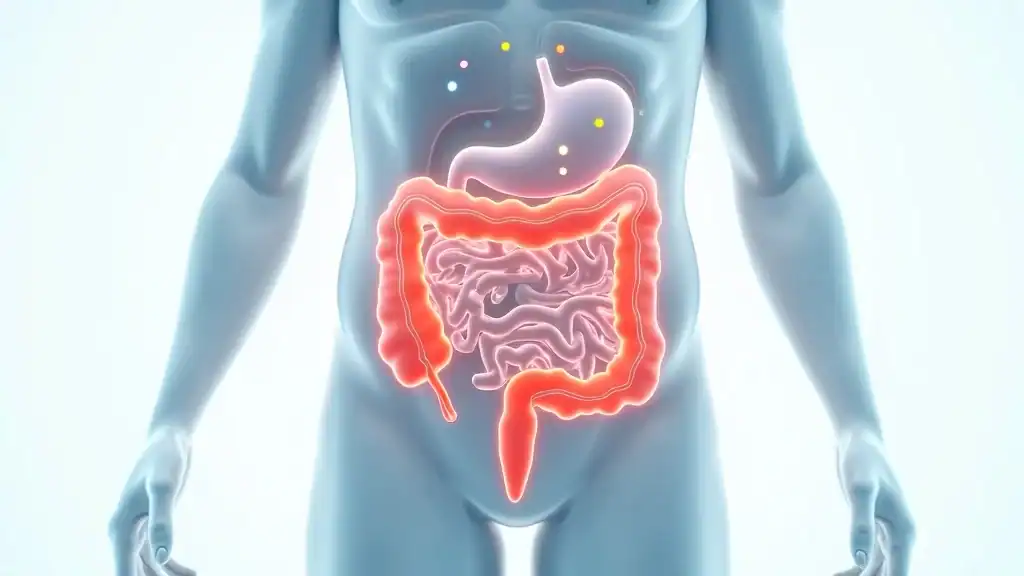
Your gut microbiome is the centerpiece of the weight loss puzzle. An ideal, balanced gut contains a high diversity of good bacteria that help break down food, produce key vitamins, and influence fat storage. Studies have linked a healthy gut with lower body mass index and improved metabolic health. On the flip side, an imbalanced microbiome—often due to poor diet or overuse of antibiotics—can trigger cravings, slow metabolism, and actually hinder weight loss efforts. By restoring the diversity of live microorganisms with the best probiotic for weight loss, you can start reshaping your health from the inside out.
Clinical research shows that supplementing with targeted probiotic strains not only improves digestion and reduces inflammation but also supports more efficient calorie burn. Recognizing the critical connection between gut bacteria and body composition is essential if you’re serious about sustainable results. In summary, fostering a healthy gut isn’t just good for digestion; it may be your most important tool for losing weight and keeping it off long-term.
Fermented Foods vs. Probiotic Supplements: What’s More Effective for Losing Weight?
Both fermented foods and probiotic supplements offer benefits, but which is more effective for weight loss? Foods such as yogurt, kefir, kimchi, and sauerkraut deliver a diverse array of natural probiotic strains and offer additional nutrients, like prebiotic fiber and vitamins, that bolster gut health. However, the types and amounts of live microorganisms in fermented foods can vary widely, and it’s often hard to know if you’re getting enough of the right bacteria to spark meaningful fat loss.
Probiotic supplements, on the other hand, provide a measured dose of specific bacterial strains that have been clinically studied for their ability to help you lose weight and improve your gut microbiome. They allow for more precise targeting—think billion CFU (colony-forming units) and specialized blends customized for weight management. Many experts recommend combining fermented foods with supplements for the best outcome: foods for a daily foundation, and supplements for reliable potency and consistency.

Ranking the Best Probiotic for Weight Loss: 2025 Edition
With so many probiotic supplements on the market, choosing the best probiotic for losing weight can feel overwhelming. Here’s our evidence-based, up-to-date ranking for 2025, highlighting the strains and blends that stand out in clinical research for burning fat, regulating appetite, and promoting a healthy gut.
1. Bifidobacterium Lactis: The Metabolism Booster
Renowned for its impact on metabolism and gut health, Bifidobacterium lactis is a star ingredient in top-rated probiotic supplements for weight loss. Studies have found that this strain helps reduce body fat, waist circumference, and inflammation markers. What sets it apart is its ability to support both the immune system and a healthy gut—two essential elements for those aiming to lose weight and keep it off. Look for products offering at least 10-20 billion CFU per serving; remember that quality and refrigeration can impact the potency of live microorganisms.

2. Lactobacillus Rhamnosus: Supporting Sustainable Weight Loss
Lactobacillus rhamnosus is one of the best-documented strains for supporting long-term weight management. Clinical trials have shown that women taking this probiotic lost significantly more weight and maintained their results compared to those who didn’t supplement. It works by helping to reduce fat absorption, modulate appetite hormones, and balance gut bacteria diversity. This strain is often paired with Lactobacillus plantarum and other supportive cultures for an even stronger effect. If you’re seeking the best probiotic for weight loss that delivers real, sustainable change, rhamnosus should be high on your list of must-have probiotic strains.

3. Lactobacillus Acidophilus: Promoting Gut Health and Fat Reduction
A staple of many gut health regimens, Lactobacillus acidophilus is known for restoring healthy gut flora and aiding in the breakdown of dietary fats. Evidence supports its role in reducing belly fat, improving digestion, and enhancing immune function. It’s often recommended for those struggling with irritable bowel syndrome or other digestive issues, making it a well-rounded choice for anyone looking to lose weight, boost gut health, and even improve vaginal health due to its influence on vaginal flora.
Look for supplements that combine acidophilus with other probiotics, especially if your goal is comprehensive digestive and metabolic support. Integrating acidophilus into your daily routine can be as simple as finding a high-potency probiotic supplement with at least 5-10 billion CFU per dose.
4. Multi-Strain Probiotic Supplements: Are Blends Best for Weight Loss?
While individual strains offer targeted benefits, multi-strain probiotic supplements combine diverse good bacteria for a broader impact on weight loss and overall health. Many products on the market now offer blends of Bifidobacterium and Lactobacillus species, designed to boost both metabolic and digestive health. Research suggests these blends can more effectively reduce inflammation and improve fat metabolism than single-strain products, as they address multiple aspects of gut health simultaneously.
When selecting a blend, look for labels that list multiple strains and contain a total daily dose of at least 20-30 billion CFU. Carefully crafted probiotic blends may also help with immune support, reducing the side effects of antibiotics, and improving energy and mood. Multi-strain formulas may be ideal for those with multiple health conditions or those who want an easy, all-in-one solution.

5. Specialty Probiotic Supplement Formulas for Weight and Vaginal Health
For individuals seeking targeted support, specialty probiotic formulas addressing both weight loss and vaginal health have gained traction. These blends typically feature a combination of Bifidobacterium lactis, Lactobacillus rhamnosus, and acidophilus but may also include strains like Lactobacillus reuteri or plantarum known for supporting vaginal flora and urinary tract health. This dual focus suits women who want to optimize digestive, immune, and reproductive health—especially those prone to issues like yeast infections or urinary discomfort caused by imbalanced bacteria.
As these niche formulas often provide unique health benefits, it’s important to choose those backed by reputable brands, stringent quality standards, and clear evidence of effectiveness. Specialty supplements might also include added prebiotics, cranberry, or D-mannose for even broader benefits.
Comparison Table: Best Probiotic for Weight Loss Strains, Benefits, Dosage, and Side Effects
| Strain/Formula | Main Benefits | Recommended Dosage (Daily) | Known Side Effects |
|---|---|---|---|
| Bifidobacterium Lactis | Boosts metabolism, reduces body fat, supports immune system | 10–20 billion CFU | Mild digestive issues (gas, bloating) |
| Lactobacillus Rhamnosus | Regulates appetite, supports sustainable weight loss, balances gut flora | 10–15 billion CFU | Initial bloating, rare allergic reactions |
| Lactobacillus Acidophilus | Enhances gut and vaginal health, reduces belly fat | 5–10 billion CFU | Mild digestive discomfort |
| Multi-Strain Blends | Comprehensive gut support, reduces inflammation, improves energy | 20–30 billion CFU | As above, depending on included strains |
| Specialty Formulas | Addresses weight and vaginal health, supports urinary tract | Varies by formula | Consult label; typically minimal |
Probiotic Supplement Safety: Common Side Effects and Considerations
While the best probiotic for weight loss carries many potential benefits, it’s essential to consider safety. For most individuals, using a high-quality probiotic supplement is safe when following the recommended dosage. However, as with many health products, side effects or allergic reactions are possible—especially during the first days of use as your gut bacteria adjust. Common side effects include mild bloating, gas, or changes in bowel movements (digestive issues).

Recognizing the Side Effects of Probiotic Supplements
Understanding side effects is key to using supplements safely. Most side effects are mild—gas, bloating, or irregular stool—and typically resolve within a week or two. In rare instances, those with severe immune system compromise or acute illness should avoid certain live microorganisms found in probiotics until cleared by a healthcare professional. Symptoms such as persistent stomach cramps, rash, or shortness of breath may signal an allergic response; discontinue use and seek medical attention if these arise. Remember, not all probiotic strains are suitable for all health conditions, so always assess your personal health status before starting a new supplement.
The right probiotic supplement should list strains and CFU count clearly; “more” doesn’t always mean “better.” Start with a lower dose and gradually increase to the full dosage—this can help your gut microbiome adapt while minimizing discomfort.
Addressing Health Conditions: Who Should Avoid Certain Probiotics?
Not everyone is a candidate for the same probiotics. Those with existing health conditions—such as compromised immune system, recent surgery, or severe allergies—should be especially careful when considering new live microorganisms in supplement form. Pregnant women, older adults, and those with chronic gastrointestinal diseases like irritable bowel syndrome should consult a healthcare professional before taking any new supplement. Certain strains, while beneficial for most, may exacerbate symptoms in sensitive individuals or interact with medications designed to modulate the immune system.
Discuss your full medical history with your doctor and bring supplement labels to your visit for a thorough review. This ensures that your choice for the best probiotic for weight loss aligns safely with any other medications or therapies you use.

What Cardiologists and Experts Say About Probiotics and Heart Health
Some experts caution that while probiotics can work wonders for many—including for weight and vaginal health—not all supplements are equally safe for those with underlying heart or autoimmune issues. Cardiologists point out that, though very rare, introducing new bacterial strains into the bloodstream can cause inflammation or infection in immunocompromised patients. That’s why a doctor’s oversight is critical if you have a pre-existing heart or vascular condition.
“While the best probiotic for weight loss can offer many benefits, it’s critical to consult your healthcare provider, especially if you have existing health conditions.” – Dr. Lee, Cardiologist
Choosing the Right Probiotic Supplement for Weight Loss
With so many probiotic supplements to choose from, it’s essential to focus on evidence, quality, and transparency. The best probiotic for weight loss will clearly list the strains, dosage (CFU count), manufacturing controls, and intended health benefits. Choose reputable brands that third-party test for purity and potency, and avoid vague or proprietary blends without detailed labeling. Expiration dates matter, too—live microorganisms are most effective when viable at the time of consumption.
Key Ingredients: What to Look for in the Best Probiotic for Weight Loss
Look for specific probiotic strains such as Bifidobacterium lactis, Lactobacillus rhamnosus, and Lactobacillus acidophilus—these have the best research supporting their weight loss and gut health benefits. Ideally, supplements will indicate strains verified by clinical testing, paired with prebiotics like inulin or FOS (fructooligosaccharides) for even better efficacy. The ingredient list should also be free of excessive fillers or allergens, particularly if you have dietary sensitivities.

Dosage and Administration: Maximizing Effectiveness
The right dose for the best probiotic for weight loss typically ranges from 10–30 billion CFU per day, depending on the strains and individual tolerance. Always follow the product’s label or your doctor’s guidance. Probiotic supplements are often best taken before or with a meal for maximum survival through stomach acid and into the gut. Consistency is key—take your supplement daily for at least three to six months to see measurable results, and record changes in energy, digestion, and weight in a journal to monitor progress.
If you’re new to probiotics, start with a lower dose and slowly increase to avoid digestive discomfort. If you miss a dose, resume your schedule the next day—it’s ongoing use that really supports gut health and lasting weight loss.
Quality Standards in Probiotic Supplements
Trustworthy probiotic supplement brands are transparent in their sourcing, manufacturing, and quality control. Look for products made in GMP-certified facilities, independent third-party lab testing, and clear expiration dates. Refrigeration isn’t always necessary, but it can help maintain potency for some strains. Never buy supplements from unverified sources, as poor-quality or expired products may be ineffective—or worse, may contain unsafe contaminants. Finally, read reviews and watch for consumer, clinical, or healthcare professional endorsements to back any manufacturer’s claims.
Expert Tips to Enhance Weight Loss with Probiotics
Taking a probiotic supplement is only one part of a healthy weight loss strategy. Combine daily supplementation with lifestyle changes to maximize your results and promote a truly healthy gut. Here’s what leading nutritionists and gut health researchers recommend:

-
Incorporating probiotic-rich fermented foods like kefir, sauerkraut, and kimchi
-
Combining probiotic supplements with healthy eating and physical activity
-
Tracking your gut health and weight loss progress
Making small changes—swapping sugary snacks for fermented foods, increasing daily movement, and journaling symptoms—can help you lose weight more effectively and create new, lasting routines. Listen to your body, and consult your healthcare professional regularly.
For those looking to complement their probiotic regimen with additional strategies, exploring practical weight loss tips you can implement at home can further enhance your results and support a holistic approach to wellness.
People Also Ask: Best Probiotic for Weight Loss
What is the number one probiotic for weight loss?
Answer
Bifidobacterium lactis is widely regarded as the number one probiotic for weight loss. Multiple studies demonstrate its ability to support metabolism, reduce body fat, and improve gut health overall. It’s included in many top probiotic supplement brands for its science-backed effectiveness in helping people lose weight.
What is the best probiotic in 2025?
Answer
In 2025, the best probiotic is likely a multi-strain supplement that combines Bifidobacterium lactis, Lactobacillus rhamnosus, and Lactobacillus acidophilus. This combination covers the most important aspects of gut health, weight management, and immune function, with the right balance of strains and a high CFU count.
What is the best probiotic to take to help lose weight?
Answer
The best probiotic to help lose weight contains clinically studied strains—especially Bifidobacterium lactis and Lactobacillus rhamnosus, either in single or multi-strain formulas. Look for at least 10–20 billion CFU per dose and be sure to use consistently as part of a healthy lifestyle for maximum benefits.
Why do cardiologists warn against probiotics?
Answer
Cardiologists may warn against probiotics mainly for individuals with compromised immune systems, existing heart conditions, or those taking immunosuppressive medications. For these populations, there is a very rare risk of probiotic bacteria entering the bloodstream and causing infection. Most people, however, can safely use probiotics with their doctor’s guidance.
FAQs: Everything You Need to Know About the Best Probiotic for Weight Loss
-
How fast do probiotic supplements influence weight loss?
Probiotic supplements can take anywhere from a few weeks to three months to show noticeable weight loss. Consistent daily use, combined with healthy eating and exercise, is essential for results. Individual response varies based on starting gut health, diet, and chosen strains. -
Can probiotic supplements cause side effects?
Yes, mild side effects like bloating, gas, or changes in stool are common when first starting probiotics. These usually resolve in a week or two. Rare allergic reactions or more severe symptoms should prompt discontinuation and a visit to your healthcare provider. -
Are probiotic supplements safe for pregnancy?
Most probiotic supplements are considered safe for pregnant women, though it’s always best to consult with your OBGYN before beginning any new regimen. Some strains may even support immune function and reduce pregnancy-related digestive discomfort. -
Can probiotics improve vaginal health as well as overall health?
Yes, certain strains like Lactobacillus acidophilus also support vaginal flora and overall vaginal health, reducing the risk of yeast infections and supporting urinary tract health in addition to gut-related benefits. -
Is it necessary to take probiotic supplements daily for weight loss benefits?
For best results, take your probiotic supplement daily. Skipping doses may slow progress, as a consistent supply of live microorganisms is needed to establish and maintain a healthy gut microbiome.
Key Takeaways: Best Probiotic for Weight Loss
-
Top-rated strains for weight loss are Bifidobacterium Lactis, Lactobacillus Rhamnosus, and Lactobacillus Acidophilus
-
Probiotic supplements can support weight loss and gut health, but quality and strain selection matter
-
Always consider health conditions and potential side effects before starting any supplement
Final Thoughts on Choosing the Best Probiotic for Weight Loss
Before starting any probiotic supplement, consult a healthcare professional to ensure it meets your health needs and goals.
Prioritizing gut health with the right probiotic supplement can transform your weight loss journey and overall wellbeing.
As you continue your journey toward better gut health and sustainable weight management, remember that true vitality comes from a balanced lifestyle. If you’re ready to take your results to the next level, consider integrating your probiotic routine with a comprehensive approach to daily wellness. Discover how small, consistent habits can amplify your energy, resilience, and overall wellbeing by exploring the secrets of a healthy lifestyle routine for lasting vitality. Your path to a healthier, more vibrant you starts with the choices you make today.