
Did you know that social anxiety disorder affects roughly 12% of people—but the majority never get the help they need? If you often find yourself dreading social events, battling negative thoughts before interactions, or feeling your heart race at the thought of group situations, you’re far from alone
Shocking Facts: The Hidden Reach of Social Anxiety & The Urgency of Stress Reduction Skills
A Surprising Statistic: How Prevalent is Social Anxiety Disorder?
“Roughly 12% of people will experience social anxiety disorder during their lifetime—yet most never receive adequate help.” — National Institute of Mental Health

Social anxiety is not just feeling shy or nervous occasionally. It’s a persistent, sometimes overwhelming anxiety triggered by social situations and fears of negative judgment. For some, it can lead to panic attacks, avoidance of social events, or even impact career and relationships. According to mental health research, many people with social phobia never receive effective coping skills or treatment, which increases their risk for health issues and decreases their overall quality of life. This underscores the importance of learning and mastering stress reduction skill for social anxiety with urgency and compassion.
What You’ll Learn About Stress Reduction Skills for Social Anxiety
-
Understand effective coping skills for managing social anxiety
-
Identify key symptoms of social anxiety disorder
-
Explore cognitive behavioral techniques for anxiety disorder
-
Learn relaxation techniques and gradual exposure strategies
-
Develop practical habits to improve mental health in social situations
Understanding Social Anxiety: Symptoms, Causes, and Diagnosis
Symptoms of Social Anxiety Disorder: What to Look For

Recognizing the symptoms of social anxiety is the first step toward effective management. Social anxiety disorder typically manifests as intense fear in social settings or interactions, persistent worry about embarrassment or scrutiny, and physical symptoms such as sweating, trembling, blushing, or a rapid heartbeat. People with social anxiety may dwell on negative thoughts like “I’ll embarrass myself,” or “People will think I’m awkward,” often before and during social events. In some cases, these symptoms can trigger a panic attack or lead to the avoidance of any challenging situation that might involve social interactions. Early recognition is critical for seeking the right intervention or therapy, including cognitive behavioral approaches and coping strategies.
Common Triggers in Social Situations and Social Interactions
Triggers for social anxiety can vary widely, but common situations include speaking in public, meeting new people, attending social events, or even everyday moments like making phone calls and eating in front of others. These triggers are often linked to underlying negative thought patterns that associate social interactions with danger, embarrassment, or rejection. Understanding your unique triggers helps you identify which stress reduction skill to use, whether that’s practicing relaxation, reframing negative thoughts, or using gradual exposure. Recognizing these patterns also empowers you to proactively manage social situations, improving your overall mental health and reducing anxiety before it can become overwhelming.
As you work to identify your personal triggers and develop coping strategies, it can be helpful to explore additional mental health tips that support emotional resilience and stress management in everyday life. Integrating these insights can further strengthen your approach to overcoming social anxiety.
How Anxiety Disorder Impacts Daily Life
Without intervention, social anxiety disorder can severely impact daily life. Work performance may decline if meetings or presentations are avoided, and meaningful relationships may be challenging to maintain. Many people with social anxiety avoid social gatherings entirely, compounding their isolation and decreasing their self-esteem. The constant stress can disrupt the nervous system, contribute to mental health issues like depression, and affect both physical health and quality of life. Mastering coping skills and integrating stress reduction techniques on a daily basis are vital steps toward regaining control over one’s life and breaking free from the constraints of anxiety disorder.
The Critical Role of Stress Reduction Skills for Social Anxiety
Why Coping Skills Matter for Managing Social Anxiety

Coping skills are essential for reducing the immediate distress triggered by social anxiety and for fostering long-term resilience. These strategies—ranging from deep breathing techniques and relaxation to cognitive behavioral therapy (CBT)—help regulate the nervous system, diminish automatic negative thoughts, and provide a toolkit for facing social situations without panic. Regularly practicing these stress reduction skills doesn’t just ease symptoms during challenging situations; it also empowers you to participate more fully in daily life. In essence, cultivating these skills can dramatically enhance mental health, well-being, and your quality of life, especially for people with social anxiety disorder who have long relied on avoidance as their primary coping mechanism.
Link between Mental Health and Social Anxiety
Social anxiety disorder is intimately linked with broader mental health concerns. Individuals struggling with persistent anxiety often experience depression, low self-esteem, and, in some cases, substance use as a form of self-medication. Poor social skills and avoidance of social situations can further erode support networks and opportunities. Addressing the root causes and symptoms of social anxiety through scientifically proven coping strategies—like CBT, gradual exposure, and relaxation techniques—not only resolves social anxiety symptoms but also supports overall mental health and resilience in the face of life’s stressors.
Fast-Acting Techniques to Soothe Social Anxiety Symptoms
When social situations trigger anxiety, fast-acting strategies are vital. Techniques such as controlled breathing, the 3-3-3 rule, grounding exercises, and positive self-talk can quickly reduce the physical symptoms of anxiety disorder and help recalibrate the nervous system. These coping skills work by shifting your attention away from anxious thoughts and back to the present moment, reducing anxiety in the heat of the moment and making social interactions feel less overwhelming. By practicing these strategies, you’ll be able to manage your response before, during, or after stressful social settings, ultimately improving both immediate confidence and long-term mental health.
Top Stress Reduction Skills for Social Anxiety—Backed by Science
-
Cognitive Behavioral Therapy (CBT): Learn to challenge negative thoughts and beliefs about social situations through structured guidance. CBT has strong evidence supporting its effectiveness for social anxiety disorder.
-
Mindfulness and Relaxation Techniques: Mindfulness practices, such as deep breathing or progressive muscle relaxation, calm the mind and nervous system, making social events less triggering.
-
Gradual Exposure Approaches: By stepwise confronting feared social settings, confidence builds while anxiety decreases.
-
Breathing Exercises for Anxiety Disorder: Controlled breathing techniques—like the 3-3-3 and 5-5-5 rules—offer rapid relief in stressful situations and are easy to implement.
-
Reframing Negative Thoughts in Social Situations: Learning to question and replace anxious self-talk improves both mental health and your ability to handle new social interactions.
Cognitive Behavioral Therapy for Social Anxiety: Building Powerful Coping Skills
How CBT Addresses Social Situations and Negative Thoughts

Cognitive behavioral therapy is considered the gold standard treatment for social anxiety disorder. Its core principle is that unhelpful or distorted thoughts fuel anxiety and avoidance in social situations. CBT teaches people with social anxiety to identify, challenge, and reframe negative thoughts—such as “Everyone is judging me”—and to experiment with new, more adaptive behaviors. By systematically confronting social fears in a supportive, structured way, individuals gradually realize that their worst-case scenarios are unlikely to happen, and even if minor embarrassment occurs, they can handle it. CBT empowers you to manage your mental health proactively, making social situations less daunting and improving overall quality of life.
Applying Cognitive Behavioral Strategies to Daily Social Interactions
The result? You’re less likely to avoid social situations, and the stress of daily life begins to subside
| Approach | CBT Skill | Purpose | Application in Social Situations | Effectiveness |
|---|---|---|---|---|
| 1 | Thought Challenging | Reduce negative thoughts | Pause, notice anxious thoughts, replace with balanced perspectives before/during social situations | High |
| 2 | Behavioral Experiments | Build confidence in social interactions | Test out new behaviors (e.g., start small talk) and record the outcome to challenge negative beliefs | Proven |
Relaxation Techniques for Social Anxiety: Practical Skills that Work
Deep Breathing, the 3-3-3 Rule, and the 5-5-5 Rule for Anxiety
Rapidly reducing anxiety in social situations often starts with the breath. Deep, controlled breathing helps calm the nervous system and provides immediate relief during stressful moments. The 3-3-3 rule asks you to: name three things you see, name three things you hear, and move three parts of your body. The 5-5-5 rule for anxiety is a breathing exercise: inhale for five seconds, hold for five seconds, and exhale for five seconds. These simple coping skills anchor you in the present moment, slow racing thoughts, and make it easier to engage in social interactions without being overwhelmed by negative thoughts or fear of a panic attack.
Progressive Muscle Relaxation and Mindfulness for Anxiety Disorder
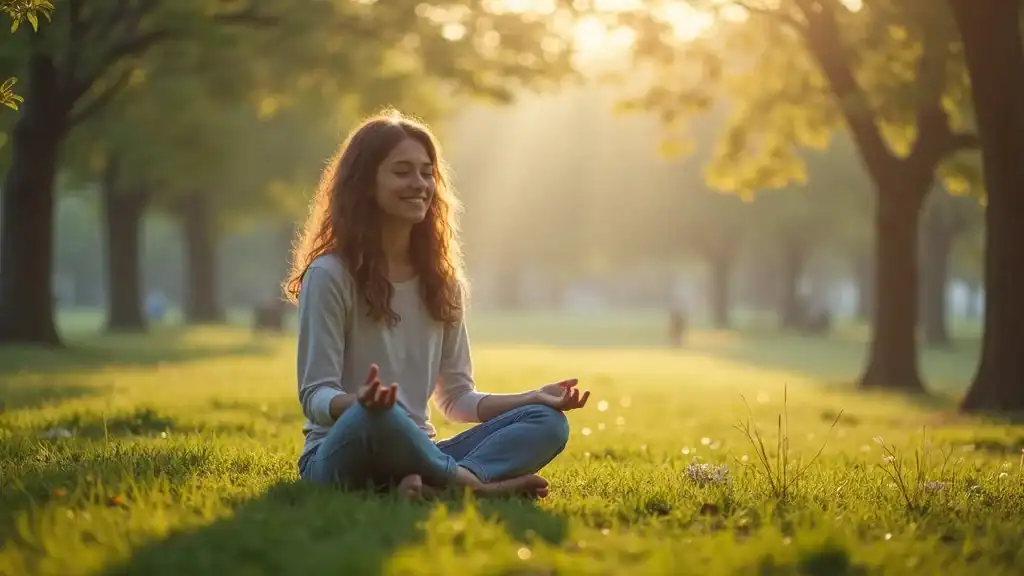
Progressive muscle relaxation is a technique where you systematically tense and relax each muscle group, releasing physical tension that often accompanies social anxiety. Mindfulness, on the other hand, encourages you to observe your thoughts and feelings without judgment. Practicing these techniques reduces the physiological symptoms of anxiety disorder—such as a racing heart or sweaty palms—and increases your ability to remain present in social situations. By regularly engaging in mindfulness or muscle relaxation exercises, people with social anxiety build resilience and lower their baseline stress, leading to improved mental health and confidence over time.
“One of the fastest ways to regain control during an anxiety spike is controlled breathing—and it’s clinically validated.” — Leading Clinical Psychologist
Gradual Exposure: The Safest Way to Overcome Stress in Social Situations
Step-by-Step Guide to Gradual Exposure
Gradual exposure involves carefully and repeatedly facing feared social situations starting from the least anxiety-provoking to the most distressing. Begin by listing social settings that trigger anxiety, ranking them from easiest to most difficult. Next, plan small, manageable steps to expose yourself to each situation—perhaps making eye contact with a stranger, saying hello, or attending a casual group. After each exposure, reflect on your feelings and the outcome, and repeat the step until anxiety lessens. This process, rooted in behavioral therapy, helps retrain your brain’s fear response and reduces avoidance, making everyday social interactions much more manageable over time.
Real Examples: Social Anxiety Improvement through Gradual Exposure
For instance, someone anxious about attending social events could start by briefly visiting a small gathering, then gradually increase attendance duration or group size. Another person might practice speaking up in class or meetings, starting with one question and building up confidence. Over weeks, this method shows profound improvement: physical symptoms like heart palpitations decrease, avoidance behaviors lessen, and new coping skills become automatic. These small, repeated victories help reframe social situations as safe and manageable, fundamentally shifting your relationship with anxiety disorder and improving your quality of life.
Video Demonstration: How Gradual Exposure Reduces Social Anxiety Symptoms Quickly.
Mastering the Management of Social Anxiety: Daily Habits and Long-Term Coping Skills
-
Journaling after social interactions: Helps identify negative thought patterns, track progress, and reinforce new coping skills.
-
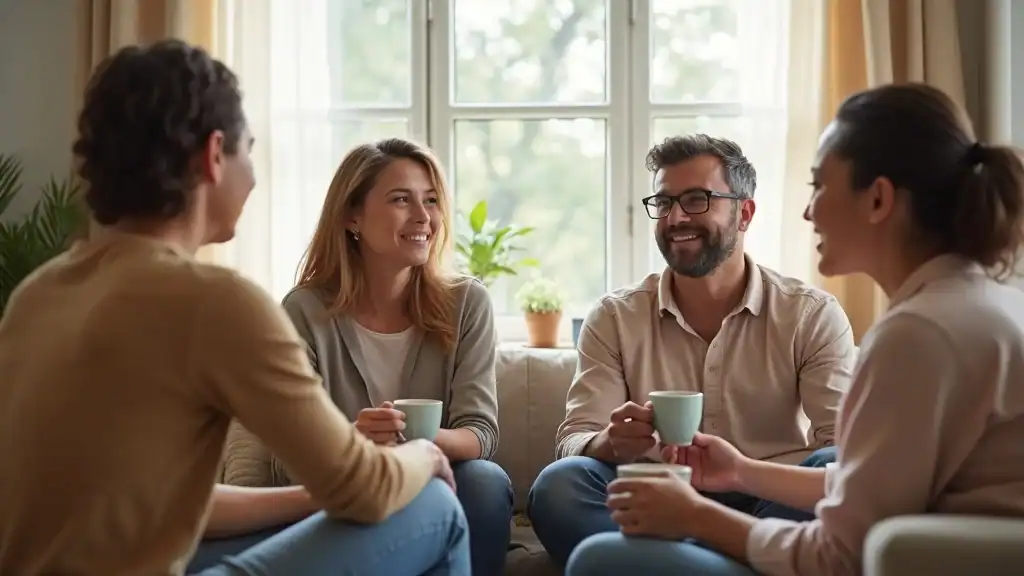
Building a supportive social network: Connecting with empathetic friends or groups improves motivation and accountability for practicing stress reduction skills for social anxiety.
-
Self-compassion and positive reinforcement: Celebrate small victories, treat setbacks with kindness, and repeat helpful affirmations to boost resilience and mental health.
-
Regular mental health check-ins: Schedule time to assess stress levels, social accomplishments, and reflect on personal growth or the need for professional support—all central to long-term success.
People Also Ask: Stress Reduction Skills for Social Anxiety
How to easily overcome social anxiety?
Answer
Overcoming social anxiety begins with recognizing your triggers and using effective coping skills like deep breathing, progressive muscle relaxation, and cognitive behavioral therapy techniques. Practice gradual exposure to social situations by facing small fears first, celebrate progress, and seek support from trusted individuals or mental health professionals when needed. Combining these habits helps retrain your brain’s response and empowers you to confidently handle future social interactions.
What is the 3 3 3 rule for anxiety?
Answer
The 3-3-3 rule is a grounding exercise recommended by mental health experts to quickly manage anxiety. It involves observing three things you see, listening for three things you hear, and moving three different parts of your body. This technique distracts your mind from anxious thoughts and brings focus to the present moment, reducing anxiety symptoms quickly during stressful social situations.
What is the 5 5 5 rule for anxiety?
Answer
The 5-5-5 rule is a simple breathing exercise for reducing anxiety. You inhale deeply for five seconds, hold the breath for five seconds, and exhale slowly for five seconds. Repeating this cycle helps calm the nervous system, relieves physical symptoms like rapid heartbeat, and fosters a sense of control during challenging social interactions. It’s especially useful for managing anxiety disorder on the spot.
What are relaxation techniques for social anxiety?
Answer
Relaxation techniques for social anxiety include deep breathing, progressive muscle relaxation, guided imagery, and mindfulness meditation. Using these practices regularly can lower baseline anxiety, alleviate physical symptoms, and equip you to face social events with greater ease. Building these habits into your daily routine supports overall mental health and helps prevent anxiety from spiraling out of control during social situations.
FAQs: Mastering Stress Reduction Skills for Social Anxiety
-
Can stress reduction skill for social anxiety work for everyone?
While individual responses vary, most people with social anxiety benefit from scientifically proven stress reduction skills. Combining these with professional therapy maximizes success. -
How quickly can coping skills improve social situations?
Many people notice improvement within weeks of practicing coping skills daily. Consistency, gradual exposure, and supportive feedback accelerate results in managing social anxiety. -
Are there medication alternatives to anxiety disorder treatment?
Yes. Techniques such as cognitive behavioral therapy, mindfulness practices, and structured coping skills can be effective alternatives or complements to medication for many people. -
What should I avoid when managing social anxiety?
Avoid rigid avoidance of social situations, negative self-talk, and relying solely on safety behaviors. These can reinforce anxiety and undermine the effectiveness of stress reduction strategies and coping skills.
Key Takeaways: Success Strategies for Managing Social Anxiety
-
Recognize the key symptoms of social anxiety disorder
-
Prioritize daily use of stress reduction skill for social anxiety
-
Combine coping skills with evidence-based therapy like CBT
-
Regularly assess your progress for continuous improvement
Next Steps: Start Building Your Stress Reduction Skills for Social Anxiety Today
Download our comprehensive guide to mastering coping skills and reduce social anxiety fast!
The journey to confidence in social situations begins with your commitment to practice and grow. Start today and watch as each small step brings lasting change.
If you’re ready to take your well-being even further, consider exploring a broader range of healthy lifestyle habits that complement your stress reduction journey. Adopting positive routines in areas like nutrition, sleep, and physical activity can amplify the benefits of your social anxiety coping skills and foster a more balanced, resilient mindset. By integrating these holistic strategies, you’ll not only manage anxiety more effectively but also unlock new levels of energy and confidence in every aspect of your life. Let your next step be a commitment to overall wellness—your future self will thank you.