
Did you know? Recent research reveals that committing just 20 minutes per day to simple cardio for beginners at home can lower your risk of heart disease by up to 30%—all from your living room floor. If you’re ready to ramp up your energy, shed stress, and unlock real health results without a gym membership, you’ve landed in the right place. This comprehensive guide is packed with beginner-friendly cardio workouts, practical tips, and motivational advice to help you confidently start your fitness journey right at home.
Unlocking Fitness: Surprising Facts About Cardio for Beginners at Home
Embarking on cardio for beginners at your home isn’t just about getting your heart pumping—it’s about discovering the hidden power of short, structured routines that fit every lifestyle and space. Many people mistakenly believe you can’t get a good cardio workout without expensive equipment or gym access. However, numerous studies show at-home cardio not only increases your heart rate and burns calories efficiently but also fosters consistency, leading to real physical and mental health improvements.
Integrating a beginner cardio routine into your day can increase your energy, enhance cardiovascular endurance, and support sustainable weight loss when coupled with healthy habits. The many forms of bodyweight exercises—from marching in place to squat jumps—activate both your core muscles and lower body for a full-body boost. What’s more, all these benefits are accessible without stepping outside your home, making fitness more inclusive, affordable, and possible for everyone.

Why Most Beginners Underestimate the Power of Home Cardio Workout
Far too often, newcomers to fitness dismiss cardio exercises at home as ineffective or too challenging. In fact, home-based routines are among the most adaptable and impactful—especially for those new to exercise. Many underestimate their ability to increase their heart rate or break a sweat indoors, yet routines like marching in place, jumping jacks, and light body weight movements can quickly become heart-pumping and transformative. Home workouts can be discreet, can fit into busy schedules, and deliver the critical health benefits of cardiovascular activity—including reducing risk for conditions such as heart disease and diabetes.
“Recent studies show that just 20 minutes a day of cardio exercise at home can reduce your risk of heart disease by 30%.”
By underestimating these routines, beginners often miss out on the consistent progress and confidence that simple at-home exercises can bring. Embracing this approach means you control the pace, intensity, and environment—making it easier to stick with your fitness goals long term.
What You’ll Learn About Cardio for Beginners at Home
-
The best beginner cardio exercises for any home setup
-
How to structure a beginner cardio workout for maximum results
-
Tips for staying motivated during your home workouts
-
Expert advice on safety and injury prevention for cardio at home
Understanding Cardio for Beginners at Our Home: Fundamentals and Benefits
Before diving in, it’s crucial to understand the basics of cardio exercise and how it uniquely benefits those starting their fitness journey at home. Cardiovascular exercise—often referred to as “cardio”—is any rhythmic activity that elevates your heart rate and strengthens your heart. It includes a spectrum of movements from brisk walk routines to energetic squat jumps, all designed to boost heart health and burn calories efficiently.
One of the greatest perks of home-based cardio is its adaptability; these workouts can be tailored to every age, ability, and available space. Whether you’re working out after work, in between chores, or with your family, you can choose the routines and intensity levels that feel right for your current fitness level, making consistent progress entirely achievable.

What is Cardio Exercise?
Cardio exercise is any activity that increases your heart rate, challenges your core muscles, and uses large muscle groups in continuous motion. Think of activities like a brisk walk, jogging in place, high knees, or squat jumps—each steadily raises your heart rate, keeping your cardiovascular system robust. Importantly, beginner-friendly cardio requires no special equipment. Instead, your own body weight and enthusiasm are enough to fire up both the upper and lower body, improve stamina, and build a foundation for further athletic progress.
Whether your aim is to beat stress, support weight loss, or just build an active habit, starting with these accessible exercises prepares your body for more advanced fitness goals down the road.
Key Health Benefits of Cardio for Beginners at Home
Starting a routine of cardio for beginners at your home pays off far beyond the visible changes you see in the mirror. These workouts help improve cardiovascular endurance, strengthen core muscles, and enhance flexibility and balance—all while reducing long-term health risks. Regular home workouts also support weight loss by burning calories and boosting metabolic rate, making it easier to achieve a healthy body composition over time.
Beyond physical results, cardio exercise also benefits mental health. Consistent movement decreases stress, elevates mood, and even improves sleep quality, setting the stage for a balanced and resilient lifestyle. You don’t need a gym; you only need a willingness to start.
Cardio for Weight Loss and Improved Heart Health
For beginners, the link between cardio exercise, weight loss, and heart health is both direct and motivating. Simple routines like high knees or squat jumps elevate your heart rate quickly, encouraging your body to burn calories and tap into fat stores for energy. When performed regularly as part of a healthy lifestyle, these workouts significantly reduce risks for heart disease, hypertension, and related chronic conditions.
Over time, your cardiovascular system becomes more efficient, leading to better stamina, improved mood, and sustainable fat loss. This combination of calorie-burning movement and increased heart health makes at-home beginner routines some of the most powerful tools for transforming your overall well-being.
Comparison of Cardio Exercises for Beginners at Home: Calories Burned, Equipment Needed, Difficulty
| Exercise | Estimated Calories Burned (20 min) | Equipment Needed | Difficulty Level |
|---|---|---|---|
| Marching in Place | 80–100 | None | Easy |
| Jumping Jacks | 120–160 | None | Easy to Moderate |
| Squat Jump | 150–200 | None | Moderate |
| Mountain Climbers | 180–220 | None | Moderate |
| Burpees | 220–250 | None | Challenging |
| Brisk Walk | 60–100 | None | Easy |
Preparing for Your First Cardio Workout at Home
Starting your first home workout can be exciting but a little overwhelming. Preparation helps you set realistic expectations and reduces the risk of injury or burnout. Before jumping into any cardio exercises, focus on goal setting and building basic habits: prepare a dedicated space, gather your favorite workout clothes, and mentally plan for your session as you would any important appointment.
Consider tracking your starting points, like current energy levels, basic measurements, or overall motivation. This reflective beginning will keep you accountable and enthusiastic as you progress through beginner cardio routines.
Setting Realistic Fitness Goals for Home Workouts
Set yourself up for success with clear, achievable goals—whether it’s mastering a squat jump, sustaining a brisk walk for 20 minutes, or simply moving each day. Aim for process-based objectives (e.g., “complete 3 beginner cardio sessions this week”) over outcome-based ones. This builds confidence and lays the groundwork for lasting habits.

Revisiting your plan and celebrating small wins keeps you motivated. As your fitness level improves, gradually increase the intensity, duration, or variety of your home workouts for continued progress.
Essential Warm-up and Stretching Routines for Cardio Exercises
Incorporating a proper warm-up is non-negotiable before you start any beginner cardio workout. Spend at least five minutes on gentle movements—like arm circles, torso twists, or slow high knees—to elevate your heart rate, prepare your joints, and activate your core muscles. Follow with dynamic stretching, targeting key areas such as your lower body, hips, and shoulders.
A thoughtful warm-up minimizes the risk of strains and ensures your body is primed for movement. After your session, cool down with relaxed stretching to aid flexibility and speed recovery.
Creating a Safe and Motivating Space for Beginner Cardio Workout
Safety and comfort are foundational to a successful cardio for beginners at home routine. Arrange your workout space to be clutter-free, well ventilated, and equipped with a mat or cushioned flooring to support your joints during impact cardio. Keep a bottle of water, towel, and your favorite playlist nearby to inspire consistent movement and make your sessions enjoyable.
Personalize your space with motivational quotes or progress trackers, and don’t hesitate to involve family or friends to keep each other accountable. The right environment transforms home workouts from a chore into an anticipated, daily highlight.
The Ultimate List: Top Cardio Exercises for Beginners at Home
Ready to move? Begin with these top beginner cardio exercises—all designed for minimal equipment and maximum fitness value at home. Pick a few and gradually combine them as your confidence grows.
-
Marching in Place
-
High Knees
-
Jumping Jacks
-
Squat Jump
-
Mountain Climbers
-
Burpees
-
Core Muscle Activation with Planks
-
Low-Impact Cardio Modifications
Don’t be afraid to modify as needed—every body is different! Focus on maintaining good form and proper breathing, especially while performing higher-intensity moves to effectively increase your heart rate and maximize calorie burning.
Spotlight: Squat Jump—Technique, Benefits & Modifications
The squat jump is a staple in many beginner cardio routines because it builds power in your lower body and fires up your core muscle groups. Start by lowering into a comfortable squat position with your back straight, then leap upwards while extending your arms overhead. Land softly to protect your joints, resetting to repeat the move.
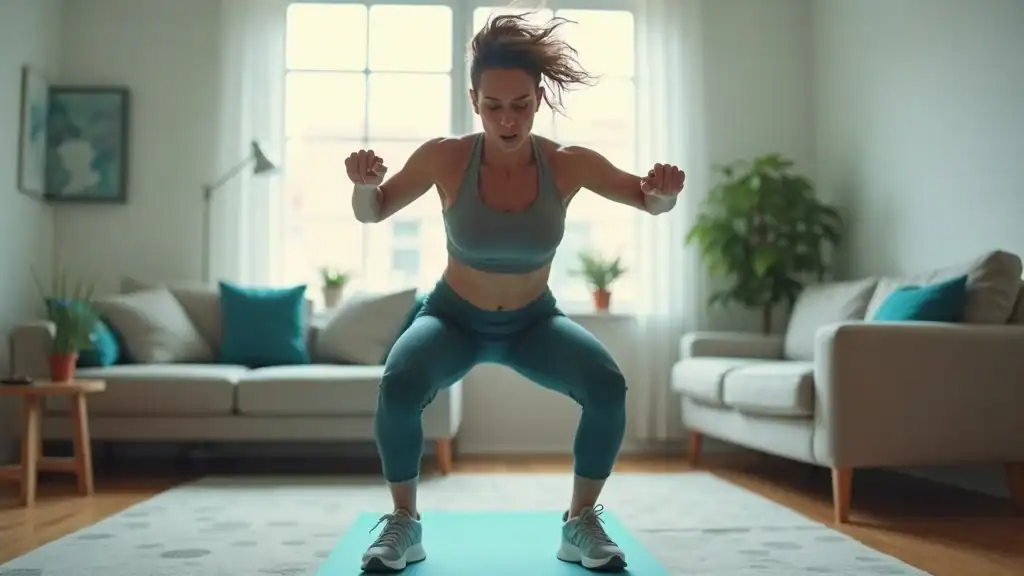
Modifications help tailor the challenge: swap the jump for a calf raise if you need less impact, or increase the depth and explosiveness for a greater burn. Incorporating this exercise encourages calorie expenditure, heart rate elevation, and core activation—all essential for beginner cardio gains.
“Squat jumps are an excellent beginner cardio exercise; they powerfully work your core muscle and lower body for effective calorie burn.” – Certified Fitness Trainer
Remember: prioritize quality over quantity, ensuring good form with every rep for the safest and most beneficial home workout experience.
Beginner Cardio Workout Routines at Home: How to Structure Your Sessions
Structure is the secret to progress. As a beginner, it’s tempting to do too much or not enough. The ideal cardio for beginners at home session balances steady movements, active rest, and gradual intensity increases. Start with 3–4 basic exercises, each lasting about 40–60 seconds, followed by brief rest. Aim for two to three rounds total, adjusting based on your energy and time.
Listen to your body, and don’t hesitate to modify movements or take additional breaks as needed. Consistency matters more than perfection, so focus on building a habit you’ll sustain.
Sample 20-Minute Cardio for Beginners at Home Routine
Here’s a practical structure for your first beginner cardio workout at home—a proven template recommended by certified personal trainers for building endurance, burning calories, and training the core muscle group.
Beginner Cardio Workout Plan: Exercise, Duration, Sets, Rest
| Exercise | Duration | Sets | Rest |
|---|---|---|---|
| Marching in Place | 1 min | 3 | 20 sec |
| Jumping Jacks | 1 min | 3 | 20 sec |
| Squat Jumps (or Calf Raises for Low Impact) | 45 sec | 3 | 30 sec |
| Mountain Climbers | 45 sec | 2 | 30 sec |
| Core Muscle Plank | 30 sec | 2 | 30 sec |
Always start and end your session with a thorough warm-up and cool-down, focusing on gentle movement and flexibility to protect your joints and maximize recovery.
Adjusting Intensity: Making Home Workouts Easier or More Challenging
The best part of home workouts is adaptability. To increase the intensity, speed up your reps, add more sets, or reduce rest intervals. Conversely, lower impact options or longer rest help you build endurance safely. Use a timer for intervals and listen to your body’s signals—slow down if your form falters or breathing becomes too labored.
Those seeking new challenges can incorporate light weights, resistance bands, or higher-paced movements while maintaining the core focus on safety, form, and gradual progression.
Incorporating Cardio Exercises for Weight Loss Goals at Home
Weight loss is a top motivator for those starting cardio for beginners at home. Cardio increases your calorie burn, tapping into fat stores for energy—especially effective when paired with nutritious eating and consistency. Structured routines that include high knees, burpees, and other multi-muscle exercises double as both calorie-torchers and body-shapers.
Keep in mind that progress comes through daily choices and a long-term vision. Tracking your routines, nutrition, and progress photos can foster belief in your fitness journey—ultimately leading to lasting transformation.

How Cardio for Beginners at Home Supports Weight Loss
Regular cardio at home accelerates fat burning by consistently elevating your heart rate. The more you move, the more energy you expend—creating a calorie deficit that promotes gradual, sustainable weight loss. Combined with mindful eating, this approach shrinks waistlines and boosts self-esteem.
Cardio also helps with muscle tone by engaging core muscles and major lower body groups, giving your body a tighter, stronger appearance and improving overall function for daily activities.
Success Stories: Cardio Exercise at Home for Effective Fat Burning
Many individuals have achieved their fitness goals by starting with daily 20-minute routines at home. Real-life success stories highlight that consistency with cardio exercises can lead to noticeable weight loss, stronger core muscle groups, improved mood, and greater resilience. By sharing stories within online communities or social circles, beginners can find encouragement and keep their momentum strong.
These stories inspire others to begin their own journey, fostering a culture of support and accountability that extends far beyond physical changes.
If your primary goal is shedding pounds, you might also be interested in exploring additional weight loss strategies and resources that complement your at-home cardio routine. These insights can help you create a more holistic approach to achieving your fitness and wellness objectives.
Motivational Tips to Stick with Cardio for Beginners at Home
-
Setting up a progress journal
-
Using music to enhance your cardio workout
-
Joining online communities for accountability
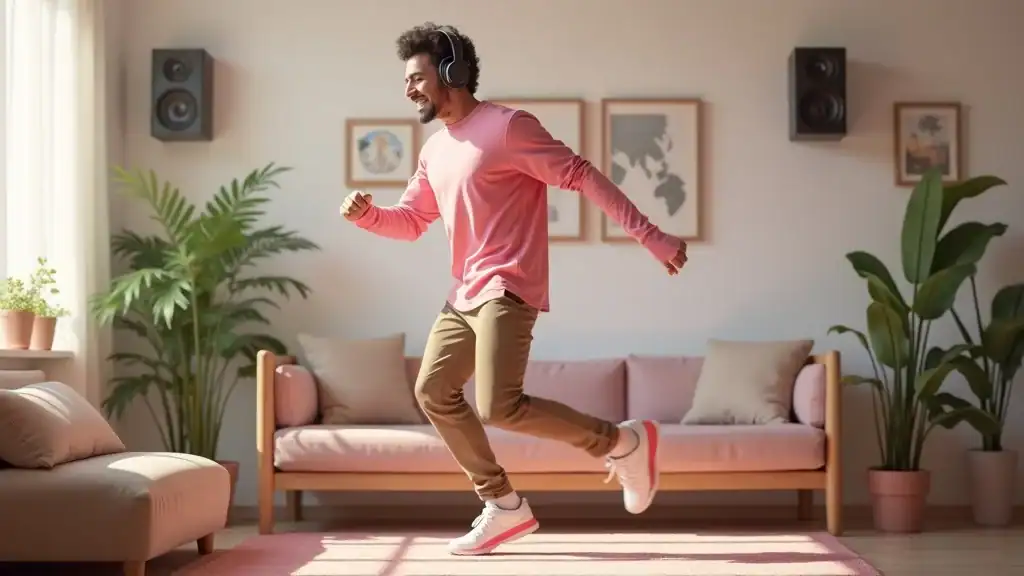
Motivation is key, especially for those new to home workouts. Tracking your sessions, celebrating milestones, and building connections with like-minded individuals can significantly impact your commitment and results. Consider rewarding yourself for consistency or joining virtual challenges to keep your routine fresh.
Remember: variety, fun, and personalization are the long-term secrets to an enjoyable fitness journey.
Protecting Your Body: Safety Tips for Cardio Workout at Home
As you become more active, safety should always come first. Beginners often skip warm-ups or push themselves too hard at first, leading to preventable injuries. Focus on learning and maintaining correct form for each movement—this is particularly critical in exercises like plank holds or squat jumps, where core and lower body stability matter most.
Don’t hesitate to adjust exercises or stop a session if you feel excessive discomfort or strain. Your home environment should empower you, not create risks.
Common Mistakes Beginners Make During Home Cardio Exercises
Common mistakes include neglecting warm-ups, holding your breath during movement, practicing poor posture, and increasing workout intensity too quickly. These errors can lead to muscle soreness, joint pain, or plateaus. Always start slow, breathe rhythmically, and progress only when your body feels ready.
Another pitfall is focusing solely on quantity over quality. Performing fewer reps with perfect form is far more beneficial—and safer—than rushing through more sets incorrectly.
Expert Advice: Preventing Injuries in Beginner Cardio Workouts
“Proper form is essential during all home workouts – quality matters more than quantity for beginners.” – Physical Therapist
Experts suggest setting up your workout space with non-slip mats, wearing supportive footwear, and listening to your body’s early warning signs to prevent injury. If you’re unsure about technique, follow instructional videos from certified personal trainers or ask for virtual guidance.
Lastly, don’t skip recovery; schedule rest days and stretch regularly to maintain joint health and muscle flexibility.
Home Cardio for Different Fitness Levels

Adaptive Cardio Exercise for Seniors At Home
Cardio for beginners at home is adaptable for all ages. Seniors can benefit from gentle movements such as marching, seated taps, or slow side steps. These routines support balance, coordination, cardiovascular health, and independence. Add light hand weights, gentle resistance, or increase duration gradually for ongoing progression.
Always check with a healthcare provider before starting a new exercise routine, and consider exercising with a family member for added encouragement and safety.
Cardio Workouts for Beginners with Limited Mobility
Physical limitations do not preclude cardiovascular exercise. Seated routines—like arm raises, toe taps, or controlled upper body rotations—increase your heart rate and activate core muscles without placing stress on lower joints. Many certified trainers recommend interval training: brief periods of activity followed by rest for optimal safety and benefit.
Focus on what you can do consistently, and measure progress by improvements in endurance or ease of movement. Remember, every movement counts towards a healthier heart.
Cardio for Beginners at Home: Tracking Your Progress
Monitoring your journey turns effort into accomplishment. Use fitness trackers, smart scales, or a simple notebook to record completed sessions, energy levels, and any measurable gains like endurance, speed, or repetitions.
Reviewing your progress weekly builds confidence and helps you make informed adjustments as your fitness level improves.
Measuring Results: From Weight Loss to Endurance Gains
Track various metrics—body weight, rest heart rate, ease of movement, and mood changes. Even if the scale stalls, improved cardiovascular endurance or a lower heart rate during movement signals health gains.
Take progress photos, write down non-scale victories (like climbing stairs effortlessly), and celebrate every milestone. These tangible results fuel further motivation.
Staying Motivated: Celebrating Milestones with Home Workouts
Create a rewards system or involve friends and family to mark achievements, however small. Reflect on your initial goals regularly, and adjust them to keep up with your growing abilities and confidence levels.
Surround yourself with encouragement—join online fitness communities, share your journey, and support others for mutual accountability and inspiration.
People Also Ask: Cardio for Beginners at Home
What is the best cardio for beginners?
Answer: The best cardio for beginners at your home includes low-impact options such as marching in place, high knees, and squat jump routines that require minimal equipment but deliver effective results.
What is the 3 3 3 rule cardio?
Answer: The 3 3 3 rule for cardio involves performing three sets of three exercises for three minutes each, making it an ideal beginner cardio workout for those exercising at home.
Is 20 minutes of cardio enough for beginners?
Answer: Yes, 20 minutes of cardio for beginners at home can be sufficient to yield substantial fitness and cardiovascular health benefits when performed consistently.
Does a 30 minute walk count as cardio?
Answer: Absolutely – a brisk 30 minute walk is a simple yet effective form of cardio for beginners at our home, especially for those new to home workouts.
FAQs: Getting Started with Cardio for Beginners at Home
-
How often should I do cardio workouts as a beginner? Most experts recommend starting with 3–4 sessions per week, gradually increasing frequency as your stamina grows.
-
Do I need equipment for cardio exercises at home? No equipment is necessary for beginner routines—all you need is comfortable attire and enough space to move safely.
-
What’s the risk of injury, and how can I reduce it? Injury risk is low if you prioritize proper form, warm up, progress slowly, and listen to your body’s signals.
-
How do I stay on track with my fitness goals at home? Consistency, progress tracking, and support from online fitness groups or family help maintain momentum.
Key Takeaways for Cardio for Beginners at Home
-
Starting small builds lasting habits
-
Cardio for beginners at your home is effective with consistency
-
Variety in cardio exercises keeps motivation high
-
Tracking progress is crucial for motivation and improvement
Start Your Cardio for Beginners at Our Home Journey Today
Boost your fitness and well-being from the comfort of your home – take the first step towards a healthier you with our easy beginner cardio workout guide.
Conclusion: Your Roadmap to Successful Cardio for Beginners at Home
Every journey begins with a single step—make today the day you start your at-home cardio routine and unlock a stronger, healthier future.
As you continue building your at-home cardio routine, remember that true well-being extends beyond physical fitness. For a more holistic approach to health, consider exploring practical tips for mental well-being that can complement your exercise journey. By nurturing both your body and mind, you’ll set the stage for lasting motivation, resilience, and a more balanced lifestyle. Take the next step and discover how small changes in your daily habits can lead to profound improvements in your overall quality of life.
Sources
-
Healthline – https://www.healthline.com/health/fitness-exercise/cardio-exercises-at-home
-
CDC – https://www.cdc.gov/physicalactivity/basics/adults/index.htm
-
American Heart Association – https://www.heart.org/en/healthy-living/fitness/fitness-basics
-
Mayo Clinic – https://www.mayoclinic.org/healthy-lifestyle/fitness/in-depth/fitness/art-20048269