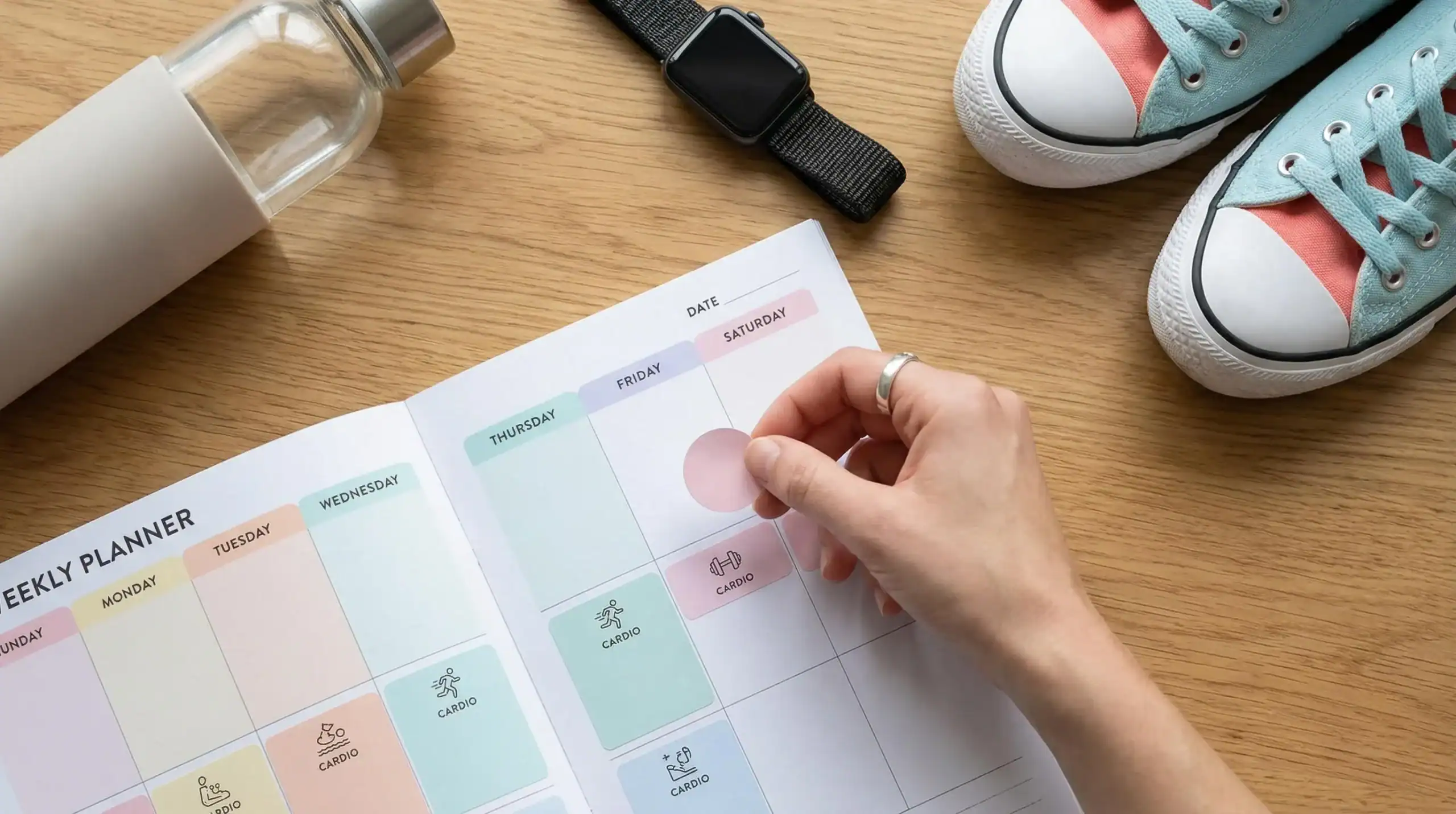

Is staying on track with your fitness targets harder than you thought? You’re not alone—many people set ambitious fitness goals but quickly find motivation waning or progress stalling. The secret to fast results comes from understanding the science of goal-setting, tailoring your physical activity, and tracking what truly moves the needle. In this definitive guide, we empower you with the most actionable strategies to supercharge your journey and make your fitness target not just attainable, but sustainable.
Are Your Fitness Targets Slipping Out of Reach? Find the Proven Path Forward
If you’re frustrated by stalled progress or feel that your fitness goals are slipping further away, you’re not alone. Even with the best intentions, real-life challenges like competing priorities, lack of time, or unclear direction can sabotage your fitness routine. Research shows that people set fitness goals more often than they achieve them—not due to a lack of drive, but because their targets aren’t structured for lasting success. By learning how to set precise fitness targets, combining the right types of physical activity, and measuring the fitness indicators that matter most, you can find the proven path to your desired results. This article will not only give you the knowledge but the exact steps to quickly reclaim momentum and become the healthiest version of yourself, regardless of your starting point.
What You’ll Learn: Unlocking Your Fitness Targets
- The definition and importance of fitness target
- Effective goal-setting techniques for fitness goals
- Types of physical activity and their roles in fitness
- How to build muscle and strength train for fast results
- Optimal times a week to train for your fitness goal
- How to measure and track your fitness indicators

Staying focused and energetic with fitness targets—teamwork and motivation matter.
What Are Fitness Targets? Understanding the Foundation
Fitness target is the specific, measurable objectives that guide your progress in achieving broader fitness goals. Unlike vague ambitions, such as “get in shape” or “work out more,” fitness target demands clarity—they define exactly what you aim to accomplish, how you’ll get there, and when you’ll know you’ve succeeded. Many people set fitness goals without this focus, leading to frustration and stagnation. Clarity in your targets not only bolsters commitment but activates positive behaviors that foster real transformation.
Understanding your fitness targets offers a clear starting point for any health and fitness journey. Whether you’re a beginner hoping to increase daily physical activity, a healthy adult looking to build muscle, or someone aiming to lower the risk of heart disease, knowing your destination empowers every workout. With a defined approach, it’s easier to stick to a systematic fitness routine, monitor milestones, and adjust strategies if progress stalls. Setting the right fitness target gives your training workouts direction and staying power, while transforming abstract fitness ambitions into actionable steps.
Defining Fitness Targets and Fitness Goals
Let’s clarify: fitness target represents the tangible objectives you choose—such as running a 5K in under 30 minutes, performing ten pull-ups, or achieving a certain body composition. Fitness goals, on the other hand, may be broader and relate to overall health improvement, athletic performance, or weight management. The most effective health and fitness strategies combine both: targets serve as stepping stones that lead to fulfilling larger goals. For example, your fitness goal might be “improve cardiovascular endurance,” with a fitness target of “complete 30 minutes of aerobic activity, five times a week.”
This distinction is critical. By segmenting big fitness goals into smaller fitness targets, you increase your sense of achievement and gain valuable feedback with each milestone. It also makes tracking progress far more manageable, allowing you to see tangible results over a defined period of time. Whether you’re new to exercise, returning after a break, or adjusting for a medical condition, aligning with meaningful targets helps you adjust intensity and duration to your unique fitness level and needs.
Why Setting Clear Fitness Targets Matters For Progress
Setting clear, measurable fitness target creates the framework for sustainable progress. When people set vague intentions, such as “I want to get fit,” it’s hard to stay motivated because the path forward seems endless. In contrast, precise targets act as milestones, breaking your fitness journey into achievable victories that reinforce positive habits. For instance, aiming to strength train three times a week or to build muscle through regular resistance workouts provides a sense of direction and accomplishment.
Additionally, research shows that individuals who establish well-defined fitness targets experience greater accountability and are more likely to achieve their health and fitness goals. Each accomplished target boosts self-confidence, reinforces your commitment to physical fitness, and provides valuable data for tweaking your fitness routine. The power of specificity—knowing exactly what success looks like—transforms your relationship with exercise and increases the odds that you’ll stay consistent over months and years, not just weeks.
“Fitness targets are the roadmap to your best self.” — Leading Sports Science Expert
How to Set SMART Fitness Goals for Maximum Success
Random ambitions rarely lead to lasting fitness change. That’s why the SMART framework (Specific, Measurable, Achievable, Relevant, Timely) is essential for anyone dedicated to hitting their fitness targets. This method ensures your fitness goals are not just dreams, but well-structured action plans you can realistically accomplish. SMART targets boost engagement, drive progress, and minimize the risk of abandoning your routine due to confusion or lack of visible success. By applying these five principles, you’ll develop a custom-tailored strategy that fits your unique fitness goals, increasing your chances of positive change regardless of your fitness level or starting point.
For example, rather than saying, “I want to get stronger,” a SMART version is: “I’ll strength train with full-body workouts three times a week for the next two months, aiming to increase my squat weight by 10%.” This specificity brings clarity and makes it much easier to track your progress. Creating SMART fitness targets allows for continual reassessment—so you can celebrate wins, confront challenges, and recalibrate without losing momentum. Ultimately, these practices result in more efficient use of your weekly physical activity and a greater sense of accomplishment.
Specific, Measurable, Achievable, Relevant, Timely: Applying the SMART Framework to Fitness Targets
Let’s break down the SMART approach as it applies to fitness target:
- Specific: Define exactly what you want to achieve—“Run a 5K” instead of “run more.”
- Measurable: Choose indicators you can track—such as distance, weight lifted, or times per week.
- Achievable: Set realistic goals that reflect your current fitness level, health, and resources.
- Relevant: Ensure your targets align with your larger health and fitness aspirations, like reducing heart disease risk or improving energy levels.
- Timely: Attach a deadline or period of time for accountability—“within 12 weeks” or “by June 1st.”
By applying the SMART framework, you move away from generic resolutions and toward structured, trackable targets that foster confidence and sustainable change. This is especially important when you’re balancing work, family, and social commitments—SMART fitness goals keep your routine adaptable, realistic, and always progress-oriented.
Comparison of SMART Fitness Goals vs. Generic Goals
| Fitness Goal | Fitness Target | Outcome |
|---|---|---|
| “Get fit” | Walk 30 minutes, five times a week for eight weeks | Improved endurance, sustained motivation, measurable results |
| “Build muscle” | Strength train using progressive overload three times a week | Increased muscle mass and strength, visible progress over time |
| “Lose weight” | Reduce body fat by 5% in 12 weeks with combined aerobic and resistance training | Better body composition and cardiovascular health |

Tracking your fitness target turns goals into actionable steps.
Aligning Your Fitness Targets With Long-Term Physical Activity
Longevity in success comes not from quick bursts of effort, but consistently aligning your fitness target with regular physical activity that fits your life. To achieve true transformation—whether building muscle, increasing aerobic activity, or boosting flexibility—your targets must sync with your daily and weekly routines. For example, if your goal is to build muscle, committing to three strength training workouts at specific times a week creates much stronger results than erratic gym sessions. Similarly, meaningful progress for any age or fitness level often involves carving out non-negotiable slots for exercise, even during busy periods.
Healthy adults and those new to fitness alike can benefit from “habit stacking,” a technique where fitness activities are attached to established daily routines (such as walking after lunch or stretching before bed). Over a period of time, aligning your small daily targets with your larger goals keeps motivation high, prevents burnout, and makes it easier to stay consistent—even if your schedule changes. This connection between clear targets and regular physical activity sets the foundation for habits that last a lifetime, regardless of the range of fitness or health and fitness ambitions you’re pursuing.
Types of Physical Activity to Achieve Your Fitness Targets
The most effective strategy for achieving your fitness target is a balanced approach that incorporates different types of physical activity: aerobic activity for heart health, strength training for muscle and bone strength, and flexibility work for injury prevention and mobility. Each form of exercise offers unique health benefits and addresses different fitness indicators. Combining these elements creates a comprehensive routine that addresses a full range of fitness goals, whether you’re hoping to build muscle, enhance endurance, or simply feel better day to day.
This blend not only maximizes results for diverse fitness levels but also keeps your routine interesting, preventing boredom and plateaus. For example, research shows combining aerobic activity (like brisk walking or cycling) with regular strength training delivers greater body composition improvements and heart disease risk reduction than focusing on one alone. Integrating flexibility and mobility training—such as yoga or dynamic stretching—further reduces risk of injury and boosts overall physical fitness. The magic lies in variety, structure, and consistent progression across times a week, tailored to your target outcomes.
Aerobic Activity, Strength Training, and Flexibility Work
Each primary type of physical activity supports fitness target in a specific way. Aerobic activity (such as running, swimming, or brisk walking) is key for cardiovascular endurance and burning calories, helping reduce the risk of heart disease and improve overall energy levels. Strength training builds muscle, strengthens bones, and shapes your physique, making it crucial for those whose fitness goals include improving body composition or functional performance. Flexibility training (yoga, stretching) supports range of motion, mobility, and reduces injury risk—essential for any age or athletic background.
To combine these for optimal progress: alternate between aerobic days and strength workouts, and finish each session with a focus on flexibility. This rotation supports consistent gains, ensures various fitness indicators improve together, and gives you purposeful variety. For example, aim to perform moderate aerobic activity three times a week, strength train two to three times a week, and include short daily stretching routines. Adjust based on your unique fitness level, available time, and target milestones for physical activity—striving for holistic, sustainable results.
- How to combine aerobic activity with strength training
- Role of flexibility and mobility for holistic fitness goals
- Sample weekly routine (times a week for each type of physical activity)

Mix aerobic activity with strength training to hit your fitness targets fast.
Build Muscle Fast: Essential Techniques for Fitness Goal Achievement
If building muscle is one of your primary fitness target, you need more than occasional resistance exercises—you need a structured plan rooted in the principles that drive sustained muscle growth. The core secrets: training with intention, applying progressive overload, and prioritizing both recovery and nutrition. People often plateau because they repeat the same exercises with the same weights without challenging their muscles to adapt. Progress, particularly in the first few months, is fastest when workouts are both challenging and systematically varied, encouraging continual muscle and strength gains without undue risk of injury or overtraining.
Strength training is not just for bodybuilders; it’s a foundational strategy for anyone seeking to enhance body composition, boost metabolism, and experience broad health benefits—from improved bone density to better posture. Even for those new to fitness routines, muscle can be built safely and efficiently with the right sequence of full-body movements, scheduled rest, and strategic nutrition that supports muscle repair and growth. Aiming for strength workouts two to three times a week, with consistent increases in load or repetitions, ensures that your fitness goals translate to visible and measurable improvements.
How to Strength Train Effectively to Meet Your Fitness Targets
- Choosing the right exercises for your fitness target:
Select compound movements like squats, deadlifts, push-ups, and rows—these exercises engage multiple muscle groups and provide greater returns for the time you invest. Tailor your workout plan based on your target outcome: emphasize upper body pulls/pushes if you want better back/arm strength, or emphasize leg exercises for running and endurance improvements. - Progressive overload and muscle adaptation:
Increase the weight, resistance, or number of repetitions over time to continually challenge your muscles. This ensures ongoing muscle adaptation. Track your progress each week, and don’t hesitate to modify your sets/reps or switch up exercises to keep stimuli fresh. Progressive overload is the engine of muscle-building success. - Importance of rest and nutrition:
Muscle grows during rest, not during training. Schedule at least one rest day between sessions for the same muscle group, and prioritize deep sleep and recovery techniques. Nutrition is equally vital: focus on adequate protein (as recommended for your fitness level), nutrient-rich foods, and proper hydration. Supplements, such as creatine or whey protein, may help, but whole foods should always be the foundation.

Deadlifts and compound lifts accelerate your progress towards ambitious fitness targets.
Tracking Progress: Top Fitness Indicators to Monitor
Systematic tracking transforms fitness target from hopeful ambition to data-driven reality. By regularly measuring your fitness indicators, you gain vital feedback—ensuring your physical activity is producing measurable results. The five core indicators give a comprehensive overview of your progress: cardiorespiratory endurance, muscular strength, muscular endurance, flexibility, and body composition. Monitoring these areas enables you to spot strengths, adjust routines, and maintain motivation as your numbers improve over time. For every fitness goal, knowing your starting point and retesting every four to six weeks makes your results tangible and motivates you to stay consistent.
For example: If your goal is to enhance cardiovascular fitness, track your maximum running or cycling distance in a set time. For muscle-building, note your one-rep max or the number of repetitions for key lifts. Flexibility might be assessed through sit-and-reach tests, while body composition can be tracked with body fat percentage or waist circumference. Consistent data tells you when to progress, when to rest, and when to celebrate hard-earned victories—no small feat in any fitness journey!
What Are the 5 Fitness Indicators? Measuring Your Fitness Goal Success
Five primary fitness indicators can help you measure success for any fitness target:
5 Key Fitness Indicators
| Indicator | Definition | How to Measure |
|---|---|---|
| Cardiorespiratory Endurance | Ability of heart and lungs to supply oxygen during sustained activity | Timed runs, cycling, step tests |
| Muscular Strength | Maximum force a muscle or group can exert | One-rep max lifts, grip strength |
| Muscular Endurance | Ability of muscles to perform repeated contractions | Push-up test, sit-up test |
| Flexibility | Range of motion around a joint | Sit-and-reach, dynamic mobility drills |
| Body Composition | Ratio of fat mass to lean mass in the body | Body fat percentage, waist-to-hip ratio |
How Many Times a Week Should You Workout To Hit Your Fitness Targets?
Optimal workout frequency depends on your fitness goal, current physical activity level, and available time. For most healthy adults, research shows that fitness gains—whether it’s to build muscle, enhance cardiorespiratory endurance, or improve flexibility—are achieved most efficiently through a mix of 3-5 structured workouts per week. This balance allows muscles to recover while progressing steadily. However, times a week should always be tailored to experience, goals, and life’s realities: beginners might start with fewer sessions and gradually increase as fitness levels improve, while experienced athletes might fine-tune volume and intensity.
For aerobic activity, aim for at least 150 minutes of moderate or 75 minutes of vigorous physical activity split across 3-5 days. To strength train and effectively stimulate muscle growth, 2-3 sessions targeting all major muscle groups (non-consecutive days) are recommended. Flexibility and mobility sessions can be included most days, even alongside other exercise. Remember, consistency outweighs perfection—choose a frequency that aligns with your schedule and sparks motivation, rather than exhaustion or guilt. Most importantly, listen to your body and respect periods of recovery. Ultimately, your best times a week are those you can sustain over the long term with joy and commitment.
Adjusting Frequency Based on Your Fitness Goals and Physical Activity Level
Adapt your times a week to suit your evolving capabilities and changing targets. If you find yourself progressing rapidly and enjoying your sessions, cautiously increase training volume or experiment with additional modalities. If life gets hectic or if signs of overtraining occur, it’s better to reduce volume temporarily and prioritize quality workouts and recovery. Advanced exercisers aiming for specific competition or higher-level performance may increase weekly sessions but should do so with clear planning and professional guidance.
The critical element is matching your training frequency to your goal. For example, those with a fitness goal to build muscle may need to strength train three or more times a week, while those focusing on endurance might prioritize more frequent, shorter aerobic activity. Your fitness routine should adapt to you—not the other way around—so regularly reassess and recalibrate based on both objective indicators and how you feel. This approach fosters progress, prevents injury, and ensures physical activity remains a lifelong habit.
Watch a Certified Trainer Explain the Fastest Route to Achieving Your Fitness Target
See practical demonstrations of aerobic routines, muscle-building strength exercises, and effective stretching methods—all with instantly actionable tips from a certified fitness professional.
People Also Ask: Fitness Targets Uncovered
What is a fitness target?
Fitness target is specific, measurable goals related to physical activity and health outcomes, such as running a 5K, building muscle, or losing a set amount of weight. They help guide your training, keep you motivated, and are the milestones for overall fitness goals.
What are good fitness goals?
Good fitness goals are those that are tailored to your level and needs, such as improving cardiovascular endurance, building muscle strength, or maintaining flexibility. Effective fitness goals are achievable, measurable, and aligned with long-term wellness.
What are the 10 areas of fitness?
The 10 areas of fitness typically include: cardiovascular endurance, muscular strength, muscular endurance, flexibility, body composition, power, balance, speed, agility, and coordination—all crucial for achieving comprehensive fitness targets.
What are the 5 fitness indicators?
The 5 primary fitness indicators are cardiorespiratory endurance, muscular strength, muscular endurance, flexibility, and body composition—each playing a key role in evaluating progress towards your fitness goals.
The Role of Nutrition in Achieving Your Fitness Targets
Nutrition strategy is the unsung hero of any successful approach to hitting your fitness target. Even the best training workouts can falter without supporting your body with the right fuel. Consuming the proper mix of macronutrients supports muscle building, fuels aerobic activity, and enhances recovery, while proper hydration and strategic supplementation address both performance and health needs. For any fitness goal—muscle growth, weight loss, better endurance—consider nutrition as powerful as your physical activity for driving progress and maintaining motivation.
Whether you’re a healthy adult or a seasoned athlete, prioritize a balanced intake of carbohydrates, proteins, and healthy fats, adjusting quantities based on the intensity and volume of exercise. Hydration can’t be overstated: water is vital for performance, recovery, and even hunger regulation. Supplements can help fill nutritional gaps for increased demands, but it’s best to consult a fitness professional or registered dietitian to determine their true necessity for your fitness goals. A nutrition plan tailored to your target makes every workout work harder for you.
- Macronutrient balance for physical activity
- Hydration and recovery
- Supplements: when they’re needed

Eating balanced meals with the right macronutrients powers your fitness target.
Overcoming Obstacles: Staying Consistent With Your Fitness Targets
The difference between short-term effort and lasting success is consistency, not perfection. Even the best-set fitness target face real-world obstacles: busy schedules, plateaus, dips in motivation, or unexpected setbacks such as illness or travel. Overcoming these requires a combination of motivation, accountability, and a proactive approach to recovery and injury prevention. By developing personal cues and external supports, such as workout partners, fitness tracking apps, and goal reminders, you turn willpower into sustainable routine.
Equally, allowing for rest, managing stress, and proactively scheduling recovery into your plan stops minor setbacks from derailing your overall progress. Adapting your fitness routine based on feedback, and making room for life’s unpredictability, ensures you stay consistent even if every workout isn’t perfect. Remember, it’s not a lack of discipline but sometimes an overload of ambition that derails most fitness journeys—a balanced, flexible approach wins in the end.
“The most successful fitness transformations begin with consistency, not perfection.”
See How Others Unlocked Their Fitness Targets Through Smart Strategies

Real people. Real strategies. Real transformation. Let inspiring stories fuel your journey to hit fitness target.
Experience motivating success stories showing how regular people achieved their fitness target with practical strategies, overcoming challenges along the way.
FAQs About Fitness Targets
- How do I know if my fitness goals are realistic?
Ensure your fitness goals are realistic by comparing them to your current fitness level and daily commitments. SMART targets—those that are specific, measurable, achievable, relevant, and timely—are more likely to be accomplished. If unsure, consult a fitness professional to tailor targets to your unique needs and adjust as you progress. - What’s the fastest way to build muscle for a fitness target?
The fastest way to build muscle is through consistent strength training focusing on compound movements, progressive overload, sufficient protein intake, and ample rest. Aim for at least two to three strength sessions per week, and monitor progress with tangible fitness indicators like strength gains or changes in body composition. - How can physical activity be maintained long-term?
Sustainability is achieved by making physical activity a regular part of your lifestyle—set realistic fitness target, vary your workouts to maintain interest, track your progress, build accountability (with friends or trainers), and reframe setbacks as learning opportunities rather than failures. Consistency is the foundation of long-term change.
Key Takeaways: Mastering Your Fitness Targets
- Define clear, measurable fitness target
- Use a balanced approach combining aerobic activity and strength training
- Track progress with fitness indicators and adjust as needed
- Stay motivated and adapt your strategy for lasting fitness goals success
Ready to Hit Your Fitness Target? Start Your Transformation Today
Take the first step—define your fitness targets, create a flexible routine, and let small wins build unstoppable momentum. Your healthiest self is closer than you think—begin now!
Sources
- CDC Physical Activity Basics – https://www.cdc.gov/physicalactivity/basics/index.htm
- ACE: How to Set SMART Goals – https://www.acefitness.org/education-and-resources/lifestyle/blog/6652/how-to-set-smart-goals/
- NHS: Exercise for Health – https://www.nhs.uk/live-well/exercise/
- Healthline: Fitness and Exercise – https://www.healthline.com/health/fitness-exercise