

A glass of salty lemon water sounds like a wellness-influencer stunt until you see what the World Health Organization recommends for replacing lost fluids: a simple home mixture of clean water, salt, and sugar. That is the whole idea behind an electrolyte drink homemade in your own kitchen, and it takes about two minutes.
Store-bought powders and sports drinks have their place. They also come with flavor systems, sweeteners, and price tags you do not control. Making your own lets you set the salt, the sugar, and the taste, and it shows you something most labels hide: you need far less of the active ingredients than the packaging suggests.
You might be thinking a kitchen mix cannot match a product built by food scientists. For a sweaty afternoon or a long hot day, it comes closer than you would expect. This guide gives you the base recipe with exact measurements, three variations, the one electrolyte most people actually need more of, and a clear line for when a kitchen mix stops being enough and a pharmacist or doctor takes over.

Why an Electrolyte Drink Homemade Needs Only Water, Salt, and Sugar
Electrolytes are minerals such as sodium, potassium, calcium, and magnesium that carry an electric charge once they dissolve in your body's fluids. They help your cells balance water, and they help your muscles and nerves send signals. You lose some every time you sweat, and a lot more when diarrhoea or vomiting hits.
The World Health Organization's guidance on oral rehydration salts, part of its diarrhoeal disease fact sheet from 2024, describes the standard fix as a simple home mixture of clean water, salt, and sugar. Your small intestine absorbs it and replaces the water and electrolytes your body lost. WHO lists sodium, chloride, potassium, and bicarbonate as the electrolytes drained by diarrhoea, and it points out that the treatment costs only a few cents. Notice the sugar. It sits in WHO's formula on purpose, so a salt-only glass is a different thing.
That formula is the engine inside most electrolyte products. The rest, meaning the bright colors, the flavor systems, and the packaging, is branding. A homemade version swaps all of that for a lemon and a measuring spoon.
If you do buy a ready-made product, read the label the way you would read a recipe. Look for the sodium amount per serving, the grams of sugar, and any sweeteners or colors you would never add in your own kitchen. A product that hides its sodium number or leads with flavor claims is selling taste first and hydration second. Knowing the base formula makes those labels easy to judge, because you can see at a glance whether a scoop is doing anything your kitchen mix would not.
A reality check comes first. Plain water covers most days. If you are sitting at a desk, walking to class, or finishing a light 30-minute workout, you do not need an electrolyte drink at all. The kitchen mix earns its place after an hour or more of hard sweating, on a long hot day outdoors, or while you bounce back from a mild stomach bug.
Picture a 22-year-old who plays an hour of pickup basketball in a humid gym. They finish with soaked clothes, a dry mouth, and a dull headache. Water helps, but it replaces only the fluid. A glass of salted, lightly sweetened citrus water replaces some of the sodium too, which is the entire point of the exercise.

The 2-Minute Base Recipe, Measured Instead of Eyeballed
This easy homemade electrolyte drink makes about two cups, enough for one big glass or two small ones. Every ingredient is a pantry staple.
Ingredients
- 2 cups (500 ml) cold water
- 1/8 teaspoon fine table or sea salt, leveled off in a real measuring spoon
- 1 tablespoon (15 ml) fresh lemon or lime juice
- 1 teaspoon honey or plain sugar
- Optional: 1/4 cup coconut water, replacing 1/4 cup of the water
Steps
- Warm 2 tablespoons of water until it is hot to the touch but not boiling.
- Stir in the salt and honey until both dissolve completely.
- Add the lemon or lime juice.
- Pour in the cold water, stir again, and taste.
The taste test matters. The mix should read as lightly salty lemonade. If it tastes like seawater, you overshot the salt, and the fix is simple: pour half out and top it up with plain water.
Here is the kitchen math. One-eighth teaspoon of fine table salt carries roughly 290 mg of sodium, using the common conversion of about 2,300 mg per teaspoon. That is about an eighth of the daily sodium limit for adults, a number you will meet again in a moment. The honey and lemon add under 30 calories to the whole batch.
To fill a 1-liter bottle, double everything. Keep the ratio rather than raising the salt because you sweated a lot. More salt does not mean better rehydration, and it makes the drink hard to finish.
Make it fresh. Salt dissolves better in a splash of warm water than in a glass of cold, and honey settles to the bottom, so give the jar a shake before each pour. Keep it refrigerated and finish it within 24 hours.
What each ingredient is doing
Nothing in the glass is decoration. The salt supplies the sodium you lose in sweat, and sodium is the electrolyte that leaves your body in the largest amounts when you sweat hard. The small spoonful of honey or sugar follows the logic of WHO's formula, which pairs sugar with salt instead of relying on salt alone. The citrus juice adds flavor, which matters more than it sounds, because a drink you enjoy is a drink you actually finish. Coconut water, when you use it, brings extra potassium. Plain cold water does the rest of the work as the base.
Once you see the job each ingredient has, tinkering gets easier. Want less sweetness? Cut the honey in half, not the salt. Want more flavor? Add citrus, cucumber, mint, or ginger, which cost you almost nothing in calories or sodium.
Three Variations for Three Kinds of Days
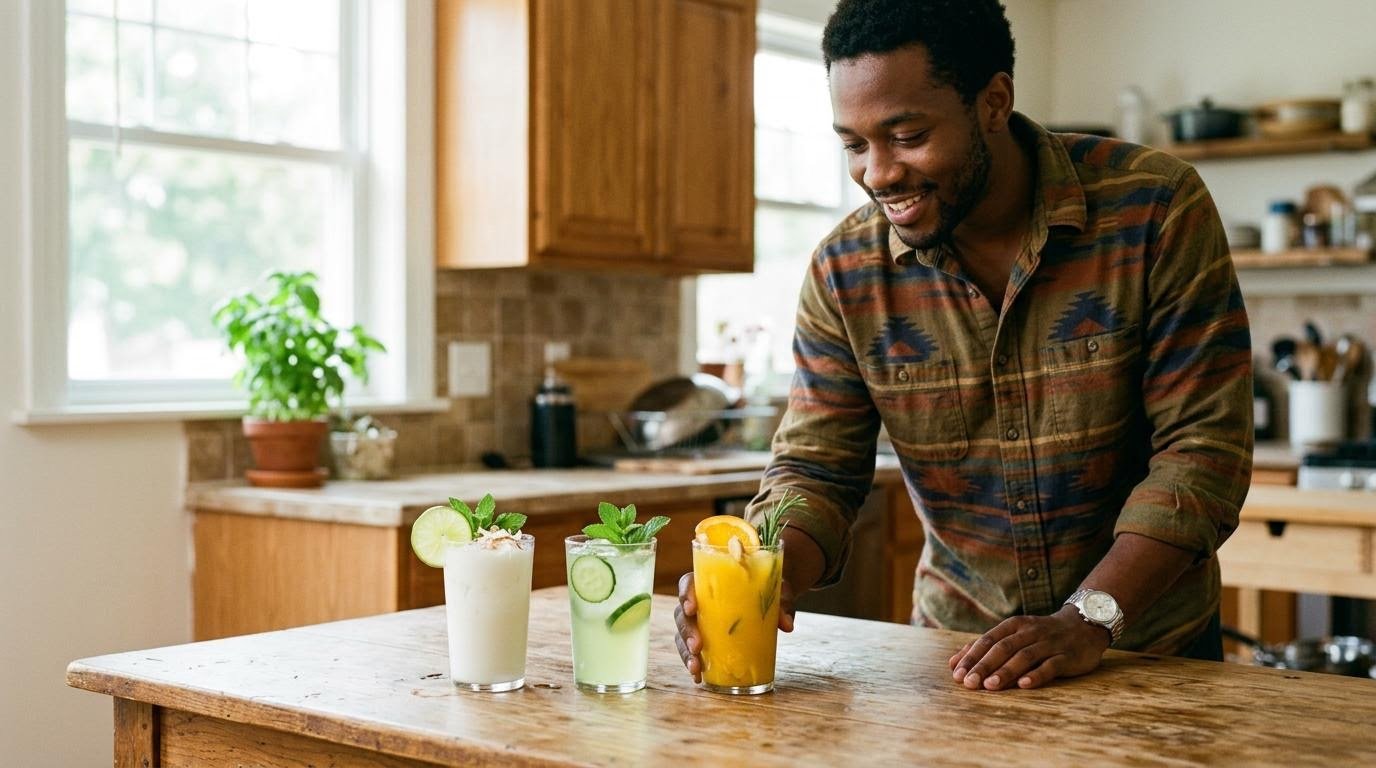
One base, three flavor routes. Each one shifts the balance of salt, sugar, and potassium to match what your day actually looks like.
Coconut-lime for hot-day recovery
Mix 1 cup coconut water, 1 cup cold water, 1 tablespoon lime juice, and a generous pinch of salt, about 1/16 teaspoon. Coconut water brings its own natural sugar and potassium, so skip the honey. Choose plain, unsweetened coconut water and scan the ingredient list for added sugar.
Cucumber-mint for desk days
Stir 1/16 teaspoon salt and 1 tablespoon lemon juice into 2 cups cold water, add four cucumber slices and a few mint leaves, and chill for 30 minutes. There is no sweetener, almost no calories, and only a small dose of sodium. Reach for this one when you are mostly sitting and want something more interesting than tap water.
Orange-ginger for after a hard workout
Combine 1/2 cup of 100 percent orange juice, 1 1/2 cups cold water, 1/8 teaspoon salt, and two thin slices of fresh ginger. The juice supplies sugar and potassium, so there is no honey in this one. Expect roughly 60 calories. If you are fueling a session rather than recovering from one, when you eat carbs before a workout matters more than any drink you pour afterward.
Easy swaps that keep the balance intact
Lemon and lime are interchangeable. Plain sugar or maple syrup can stand in for honey, one for one. Fine sea salt and table salt measure the same by the teaspoon, but coarse flaky salt does not, so skip it unless you grind it fine first. One safety note: honey is not safe for babies under 12 months, which is another reason infants should never get a homemade mix.

You Probably Need More Potassium and Less Salt Than You Think
Here is the non-obvious part. The CDC reports that Americans average more than 3,300 mg of sodium a day, while federal dietary guidance suggests keeping sodium below about 2,300 mg for teens and adults (CDC, 2026). Most people are not short on salt. They are swimming in it.
Potassium runs the other way. The NIH Office of Dietary Supplements sets an adequate intake of 3,400 mg a day for adult men and 2,600 mg for adult women. Its survey figures, drawn from NHANES 2013 to 2014, put average intake at about 3,016 mg for men and 2,320 mg for women. That means the average woman falls short of the target, and the average man lands below it too.
So on a desk day, extra sodium is not what you are missing. Potassium is far more likely to be the gap. That is why the cucumber-mint and coconut-lime versions run light on salt and lean on whole ingredients. Save the full 1/8 teaspoon for days when you sweat heavily.
One firm caution. NIH notes that the potassium targets do not apply to people with kidney disease or to people taking medications that change how the body clears potassium. If that describes you, ask your doctor before leaning on potassium-rich drinks.
Food does the heavy lifting here. A banana, a baked potato, a cup of beans, or a bowl of yogurt contributes far more potassium than a glass of lemon water ever will. Think of the drink as a top-up on sweaty days, not as your main source. If your plate is built around whole foods, the drink only has to replace what sweat took out.
A practical rhythm looks like this. After a hard hour of sweating, have one glass of the base recipe or the orange-ginger version alongside a meal, then switch back to water. If you are still sweating heavily an hour later, a second glass is reasonable. On every other day, plain water and the cucumber-mint cooler are plenty.
For a registered dietitian's take on when electrolyte drinks make sense, Cleveland Clinic's own channel has an explainer on sports drinks.

When an Electrolyte Drink Homemade Is Not Enough
A kitchen recipe maintains hydration. It does not treat illness. Mayo Clinic lists the common causes of dehydration as sweating in heat or during hard activity, diarrhea and vomiting, fever, medicines that increase urination such as diuretics, and poorly controlled diabetes.
In adults, it shows up as extreme thirst, urinating less, dark urine, tiredness, dizziness, and confusion. Thirst is not always a reliable alarm, especially for older adults, so check the color of your urine too. NHS guidance says to drink enough that your urine stays pale and treats dark yellow, strong-smelling urine as a sign of dehydration.
Mayo Clinic says to call a healthcare professional if you or someone you care for:
- Has had diarrhea for 24 hours or more
- Is confused or unusually cranky
- Is sleepier or less active than usual
- Cannot keep fluids down
- Has bloody or black stool
- Has a fever of 102°F or higher
When you are properly sick, an oral rehydration powder from a pharmacy is built to measured, tested ratios. The NHS says a pharmacist can recommend which one suits you or your child. That is the right route for babies and young children, where small errors in a home recipe matter more. The same caution applies during pregnancy, with kidney or heart conditions, and for anyone taking diuretics or blood pressure medication. Ask first.
A quick self-check after a workout keeps you honest. Pale urine and steady energy mean water and a normal meal are doing the job. Dark urine, dizziness, or a pounding headache mean you should keep sipping, rest somewhere cool, and stop pushing through the session. If those signs do not ease, or they come with any of the warning signs above, treat it as a medical question rather than a recipe question.
Five Mistakes That Turn a Good Mix Into a Sugar Bomb or a Salt Trap
Homemade does not automatically mean healthier. A drink built on guesswork can end up with more sugar than a soda or more sodium than you needed. These five slip-ups cause most of the trouble, and each one takes seconds to fix.
Eyeballing the salt
A pinch from your fingers can be double or triple what a measuring spoon delivers. Use a real 1/8-teaspoon spoon and level it off. Salt is the one ingredient where precision protects you. Keep the measuring spoon in the salt jar so you never reach for a different one by habit.
Treating juice as a free ingredient
Juice adds sugar fast. Half a cup per two cups of water keeps the drink from tasting like soda, and it keeps the calories honest. If you are already adding honey, skip the juice. Choose one sweet ingredient per glass and let citrus and herbs handle the rest of the flavor.
Sipping it all day instead of water
These are situational drinks. Make water your default and keep the mix for sweaty, hot, or recovering days. Because many Americans already take in more sodium than the CDC limit, a salted drink in your hand all day compounds the problem.
Expecting it to burn fat
Electrolytes do not melt belly fat, and no drink does. Our review of drinks marketed for belly fat found no drink that targets belly fat, with water before meals inside a calorie deficit as the best-supported option. Use the recipe for hydration, not for weight loss.
Skipping the fridge
Fresh juice, honey, and cut cucumber in water spoil faster than plain water. Keep the batch cold, shake it before you pour, and pour out whatever is left after 24 hours.
The short version
An electrolyte drink homemade comes down to three decisions: how much salt, how much sugar, and how often. Start with 1/8 teaspoon of salt, a teaspoon of honey or a splash of juice, and a tablespoon of citrus per two cups of water. Use it on sweaty days, drop the salt on desk days, and let a pharmacist or doctor take over the moment symptoms go beyond a rough workout.
Health disclaimer: This article is general education, not medical advice. Check with a doctor or pharmacist before using homemade electrolyte drinks if you are pregnant or breastfeeding, under 18, managing kidney disease, heart disease, high blood pressure, or diabetes, or taking diuretics or blood pressure medication. Do not use a homemade recipe to treat vomiting, diarrhea, or fever, and never give one to a baby or young child without professional advice.
Frequently Asked Questions
How do you make a homemade electrolyte drink?
Stir 1/8 teaspoon of fine salt and 1 teaspoon of honey into a splash of warm water, add 1 tablespoon of lemon or lime juice, then top up with cold water to 2 cups (500 ml). Taste it. It should be lightly salty, not salty like soup.
What is the best homemade electrolyte drink for dehydration?
For mild dehydration after sweating, the base recipe works alongside plain water. For dehydration from vomiting or diarrhea, ask a pharmacist for an oral rehydration powder, and call a healthcare professional if diarrhea lasts 24 hours or more or you cannot keep fluids down.
Is there a homemade electrolyte drink for muscle cramps?
Nothing in this recipe is a guaranteed cramp fix. Cramps have several triggers, and sweat losses are only one of them. Staying hydrated and replacing sodium after heavy sweating is reasonable, but cramps that keep coming back deserve a doctor's visit.
Can you drink a homemade electrolyte drink every day?
Plain water should be your daily default. Americans already average more than 3,300 mg of sodium a day against a 2,300 mg limit, so a salty drink every day adds to a surplus. The cucumber-mint version is the sensible everyday option, and anyone with kidney disease, heart conditions, or high blood pressure should ask a doctor first.
Does a homemade electrolyte drink break a fast?
Any version with honey, sugar, or juice contains calories, so it belongs inside your eating window, the same rule our 16/8 fasting guide applies to sweetened drinks. A plain salt-and-water mix has almost no calories, but talk to a clinician before fasting with added sodium if you have blood pressure or kidney concerns.
How long does a homemade electrolyte drink last?
Refrigerate it and finish it within 24 hours. Honey settles, so shake it before you pour. Throw it out if it smells off or looks cloudy in a way the ingredients cannot explain.
References
- World Health Organization: Diarrhoeal disease, 2024
- CDC: About Sodium and Health, 2026
- NIH Office of Dietary Supplements: Potassium: Fact Sheet for Health Professionals, 2022
- Mayo Clinic: Dehydration: Symptoms and causes, 2025
- NHS: Dehydration, 2026
- Cleveland Clinic (YouTube): Electrolyte 101: What You Need to Know About Sports Drinks