
You've got a to-do list that doesn't quit, a phone that buzzes every four minutes, and a body that's been running on some version of "fine" for weeks. Stress management activities for adults exist for exactly this stretch, the version of life where "take a vacation" isn't an available option and "just relax" doesn't come with instructions. This guide skips the wellness-ad version of stress relief and goes straight to what actually shifts your nervous system when you've got a real week to get through, not a spa day to look forward to.
Why Adult Stress Doesn't Wait for a Convenient Moment to Show Up
Most stress advice assumes you have a quiet room, twenty free minutes, and a stressor that's already over. Real adult stress rarely arrives that way. It shows up mid-meeting, in the school pickup line, or at 11pm when the inbox is finally quiet enough for your brain to start replaying the day. The techniques that actually help are the ones that work inside those constraints, not the ones that require you to leave the situation first.
According to the Centers for Disease Control and Prevention, healthy coping strategies work best as small, repeatable actions built into daily life rather than a single dramatic reset. That framing matters because it removes the pressure to find the perfect technique. You're not looking for the one activity that erases stress. You're looking for a handful of small, boring, repeatable moves that keep a bad day from turning into a bad month.
Here's the part most lists of stress management activities for adults skip entirely: the goal isn't eliminating your stressors. Your deadline is still due, your kid still needs picking up, your inbox is still full. What changes is how fast your body comes back down after each spike, and how much of your day gets swallowed by the aftermath of tension that's already technically over.
A specific example makes this concrete. A project manager gets a Slack message at 4pm flagging a mistake in a deliverable that already went to the client. Her heart rate spikes, her jaw tightens, and for a second the whole afternoon feels derailed. If she has a rehearsed ninety-second technique ready, box breathing, a walk to refill her water bottle, she's usually back to composing a fix within a few minutes. Without one, the same spike can bleed into the rest of her evening: short with her kids at pickup, distracted through dinner, still replaying the message at 10pm even though the actual problem got resolved by 4:15. The trigger was identical either way. What differed was whether anything interrupted the loop it started.

Breathing and Grounding Stress Management Activities for Adults You Can Do in Under Five Minutes
Breathing techniques work faster than almost anything else on this list because they act directly on your nervous system instead of routing through willpower first. You don't have to believe a breathing pattern will help for it to work, which is part of why it's such a reliable starting point on a day when you don't trust your own coping skills at all.
Box Breathing for a Fast Physical Reset
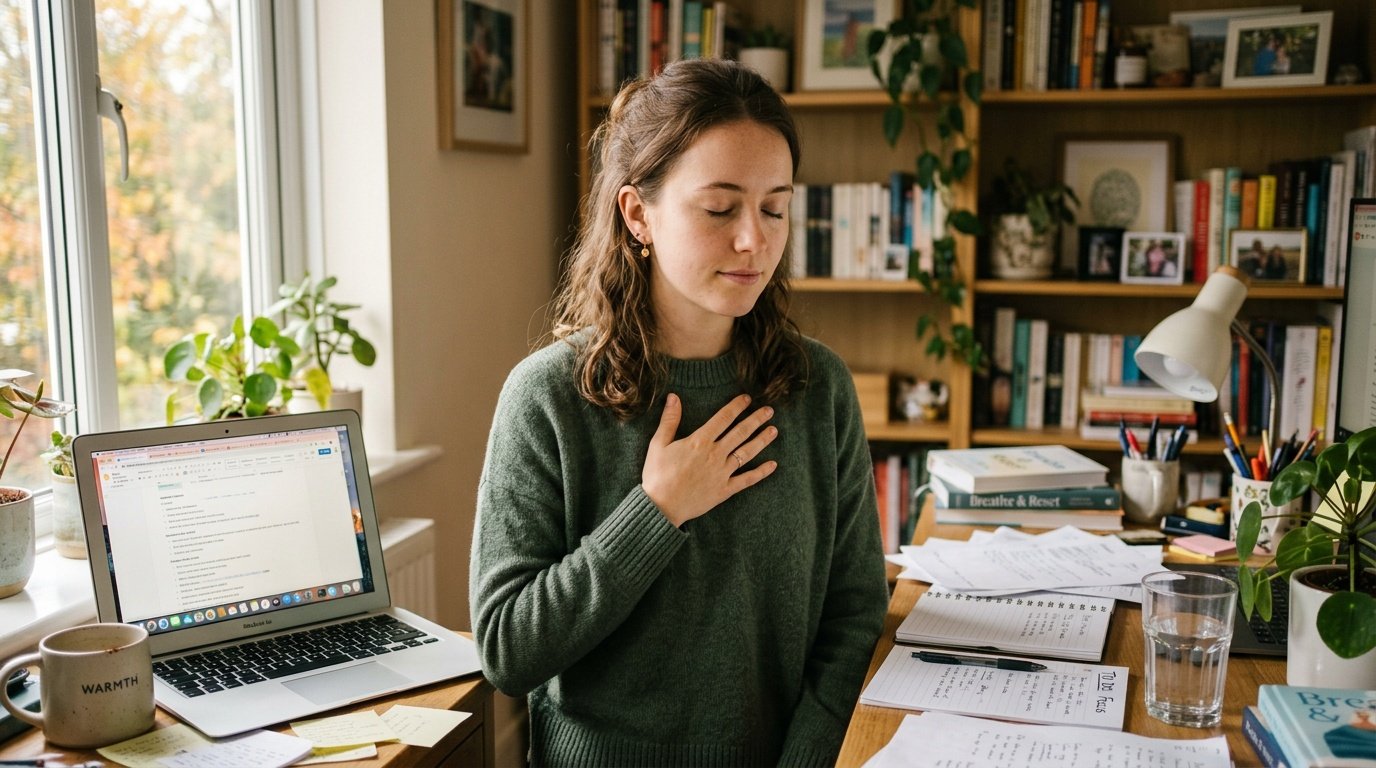
Inhale through your nose for a count of four, hold for four, exhale for four, hold again for four, then repeat for six to eight rounds. It's the pattern used by military and emergency personnel to stay functional under real pressure, not a wellness invention. If four feels like too much on your first try, drop to a count of three and build from there. The equal counts matter more than hitting exactly four seconds on each side.
The Five-Point Grounding Scan
Pick one physical sensation, your feet against the floor, your hands wrapped around a mug, and hold your attention there for thirty seconds. You're not trying to think your way out of the stress. You're interrupting the spiral long enough for your body to catch up with the fact that the immediate threat, whatever it was, has already passed. This one feels almost too small to matter the first few times you try it, which is usually the moment people give up on it before it's had a chance to work.
A specific comparison makes the value of these two techniques concrete: picture two coworkers receiving the same curt email from a manager. One runs a ninety-second box-breathing cycle before responding. The other reads it, feels the spike, and just sits with it. Both had the identical trigger. The first person is usually back to focused work within minutes. The second can spend the rest of the morning distracted, re-reading the email, and short with the next small annoyance that comes along, not because the email was worse, but because nothing interrupted the loop it started.
DIY Stress Relief Activities That Need No Equipment and No Budget
Diy stress relief activities matter specifically because they remove the excuse that stress relief requires money, privacy, or a special app. The best ones use things you already have within arm's reach on an ordinary Tuesday.
A Two-Minute Journaling Prompt
Skip the blank page. A blank page is intimidating precisely when you're already stressed, which is the worst time to hand yourself an open-ended task. Instead, answer one specific prompt: what's the one thing making today harder than it needs to be, and what's one thing, however small, that's actually going fine? Writing both down, not just the problem, keeps your brain from defaulting to a single-track worry loop. This takes under two minutes and needs nothing but a phone notes app or the back of a receipt.
Cold Water as an Instant Circuit Breaker
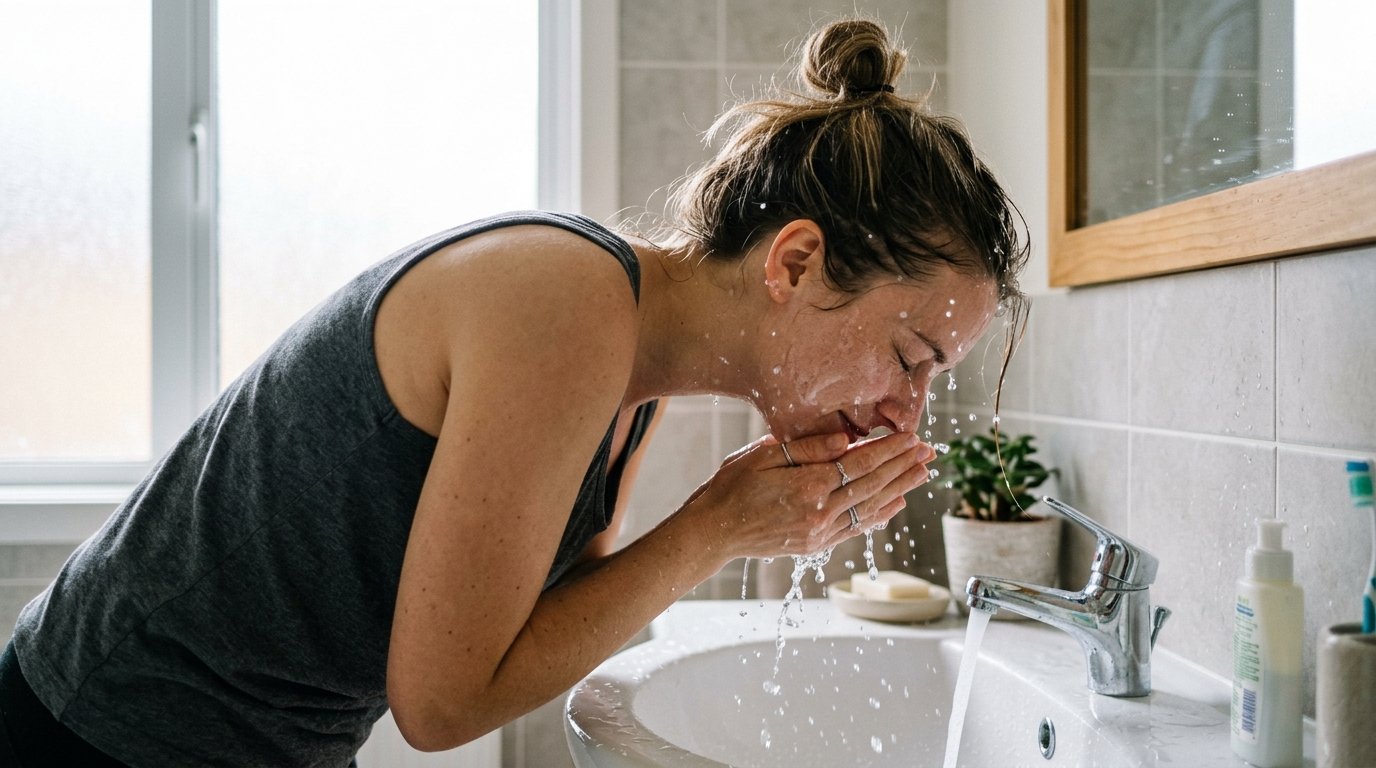
Splashing cold water on your face, or holding a cold glass against your wrists for thirty seconds, triggers what's known as the mammalian dive reflex, an involuntary response that slows your heart rate. It sounds almost too simple to be a real technique, but it works through your body's wiring rather than your willpower, which is exactly why it's useful on the days your willpower has nothing left to give. Nothing about this requires a subscription, a quiet room, or ten minutes you don't have.
The non-obvious insight worth sitting with here: the DIY techniques on this list often work faster than the ones that sound more legitimate, precisely because they don't ask anything of your already-taxed decision-making capacity. A cold-water splash doesn't require you to remember a four-count pattern or commit to a routine. It just requires a sink.
Movement-Based Stress Management Activities Adults Consistently Underuse
Exercise rarely gets filed under "stress relief" in most people's heads, which is exactly why it's underused for that purpose. Harvard Health Publishing notes that exercise reduces stress hormones and stimulates endorphin production, and that using large muscle groups in a rhythmic way, walking being the clearest example, produces a calming effect some researchers describe as muscular meditation. You don't need a structured workout plan for this to count.
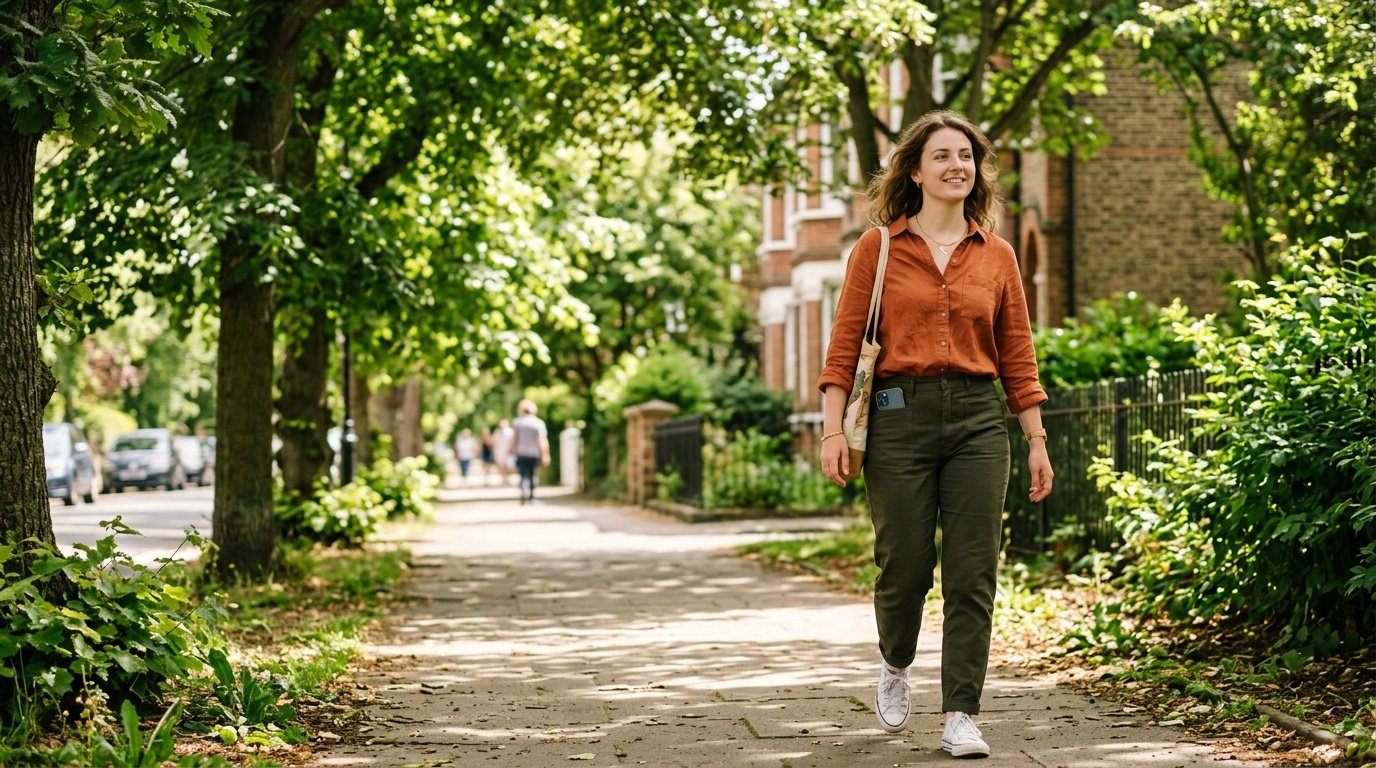
The Walking Reset
A fifteen to twenty-minute walk, ideally started at the first sign of building tension rather than saved for the end of a bad day, does real physiological work. Waiting until you're already overwhelmed still helps, but it's working against a bigger hill than a walk taken earlier would have been.
Desk-Adjacent Stretching
If a full walk isn't available between back-to-back meetings, even ninety seconds of shoulder rolls and a standing forward fold gives your body somewhere physical to put the tension it's been carrying since your first call of the day. The goal isn't burning calories. It's discharging the physical charge a stress response generates before it settles permanently into your neck and jaw.

Stress Relief Activities for Couples and Shared Downtime
Not every stressful stretch needs a solo technique. Stress relief activities for couples work through a different mechanism entirely, adding a social-connection benefit that solo tools can't provide on their own. The American Heart Association points to regular physical activity as one of the more reliable ways to relieve tension and low mood, and doing that activity alongside a partner adds accountability that makes the habit easier to keep.
A shared twenty-minute walk after dinner does double duty: it's movement, and it's also a low-pressure window to actually talk about the day instead of decompressing separately in front of two different screens. Cooking something together, with no phones on the counter, works the same way, occupying your hands enough to lower the pressure of eye-contact conversation while still creating room for one. Neither of these requires scheduling a date night or spending money. They just require picking a moment you're both already home and choosing to spend it differently.
A quieter option: a five-minute check-in ritual before bed, where each person names one thing that was hard that day and one thing that helped, works surprisingly well precisely because it's short enough that neither partner dreads it. Longer isn't always better here. A technique you'll actually keep doing beats an elaborate one you abandon after the first week.
The mistake most couples make is waiting until one partner is visibly overwhelmed before trying any of this, which puts pressure on the technique to fix a problem that's already peaked. Building the habit during an ordinary week, not a crisis one, is what makes it available on the nights you actually need it. If one partner's stress is more social in nature, tied to gatherings or unfamiliar groups rather than workload, it can help to name that difference out loud rather than assuming the same activity will land the same way for both people.

Building a Stress Management Activities Routine That Survives a Full Calendar
Most people don't fail at managing stress because the techniques don't work. They fail because they only reach for a technique mid-spiral, decide one round of breathing didn't erase the entire problem, and quietly stop trying. These tools work best as a rehearsed habit built during calm stretches, so your body already recognizes the pattern by the time you actually need it under real pressure.
Pick one technique and attach it to something already automatic in your day: box breathing while your coffee brews, a two-minute journaling prompt while your laptop boots, a walk right after you close it for the evening. A single technique practiced consistently beats four tried once and abandoned the first time they didn't erase the stress completely. Give a new habit two to three weeks before deciding whether it's working, since the early sessions are mostly your nervous system learning the pattern, not the technique failing.
| Stress Management Activity | What It Primarily Targets | Typical Time to Notice a Difference |
|---|---|---|
| Box breathing | Heart rate and nervous system activation | 30 to 90 seconds |
| Cold water on face or wrists | Acute nervous system spikes | Under 30 seconds |
| Brisk walking | Stress hormone levels (cortisol, adrenaline) | 15 to 20 minutes |
| Two-minute journaling | Repetitive or looping worry thoughts | A few minutes acutely |
| Shared activity with a partner | Emotional load and isolation | Immediate, with lasting benefit |
Source: Centers for Disease Control and Prevention, Managing Stress
For a broader set of techniques beyond the ones covered here, including sensory grounding sequences and a fuller breathing toolkit, our guide on stress management activities that actually work walks through additional options side by side.
Health disclaimer: The activities in this article are general stress-management tools and are not a substitute for diagnosis or treatment. If stress is interfering with your sleep, relationships, or work on a regular basis, or if you experience panic attacks, chest pain, or thoughts of self-harm, talk to a doctor or licensed mental health professional. If you are having thoughts of harming yourself, seek immediate help from a crisis line or emergency services.
When Stress Management Activities for Adults Aren't Enough on Their Own
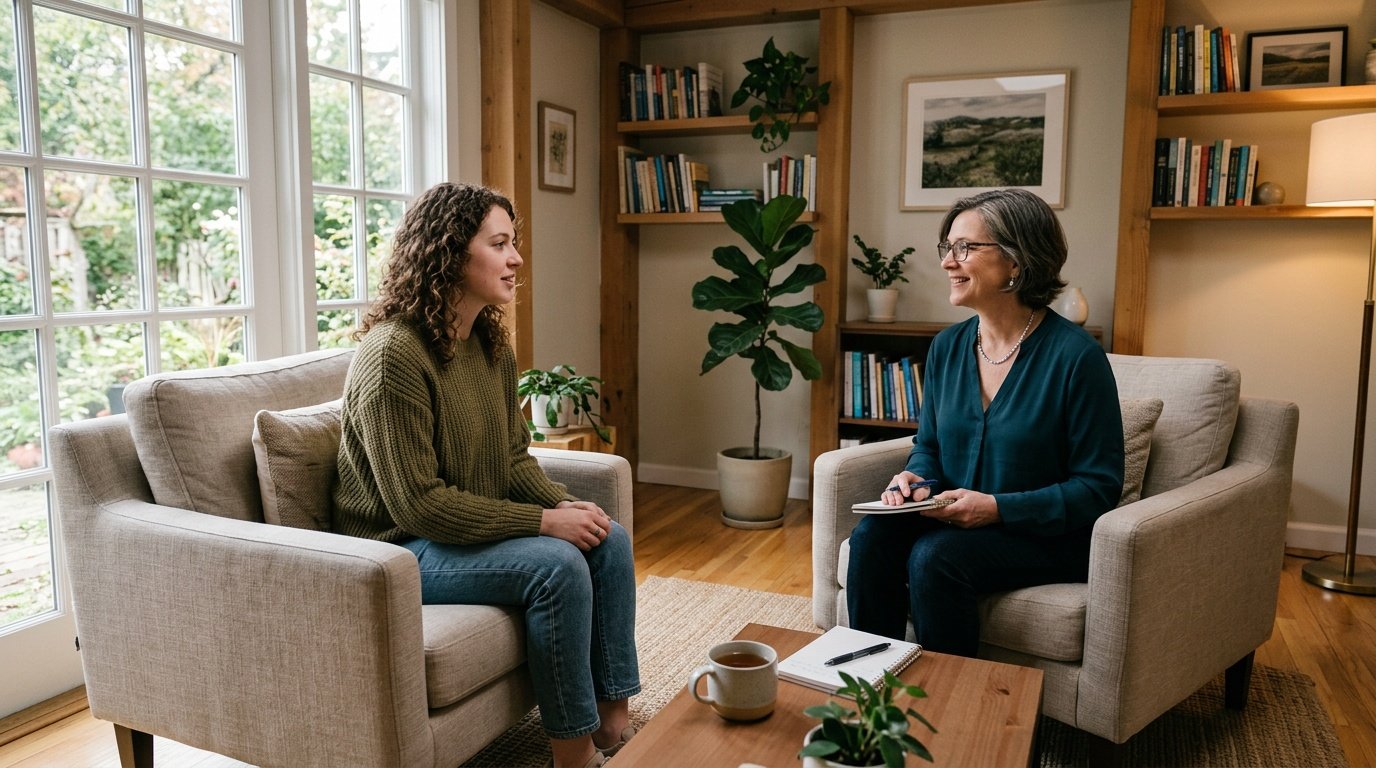
None of the techniques above are meant to replace professional support when stress has moved past what self-directed tools can handle. Cleveland Clinic notes that effective stress management typically combines several approaches, mindfulness, movement, and relaxation, alongside professional support when needed, specifically because chronic stress affects the body as much as the mind. Two people can try the exact same breathing pattern and get different results, and the gap often comes down to whether the rest of their daily structure, sleep, connection, workload, is supporting the work or actively working against it.
There's a fairly clear signal for when it's time to bring in more support than a breathing technique can offer: if stress is interrupting sleep most nights, showing up as physical symptoms like chest tightness or stomach issues, or pushing you toward drinking, scrolling, or eating as your primary coping method, that's past the point where self-management alone is likely to carry the full weight. If stress specifically tied to social settings is part of the picture, our piece on stress reduction skills for social anxiety covers tools built for that exact trigger. And if what you're managing feels more physical than mental, a tight chest, a locked jaw, a stomach that won't settle, our guide on somatic coping skills for anxiety goes deeper into body-first techniques that work alongside the ones covered here.
A 2021 overview from the National Center for Complementary and Integrative Health found that relaxation techniques including breathing exercises and progressive muscle relaxation can modestly lower blood pressure and reduce circulating cortisol, the hormone most directly tied to the stress response, when practiced consistently rather than tried once. That's a meaningful data point, because it means the small, repeatable techniques in this article are backed by more than anecdote.
Watch this short Mayo Clinic explainer on how stress physically affects your body, useful context for why the activities above target the body first rather than trying to think your way to calm.
No single item on this list of stress management activities for adults will shrink your workload or clear your inbox. What changes is how much of your day gets hijacked by the aftermath of a spike that's already passed. Start with one technique that fits a moment you already have, box breathing before a meeting, a cold-water splash between calls, a walk with your partner after dinner, and give it a real few weeks before deciding whether it earns a permanent place in your routine.
Frequently Asked Questions
What are the fastest stress management activities for adults with only a few minutes to spare?
Box breathing and cold water on your face or wrists both work within thirty to ninety seconds, since they act on your nervous system directly rather than requiring you to think your way calm first. Both fit into a bathroom break or a pause between meetings.
How often should adults do stress management activities to see real results?
Daily practice in short bursts produces more reliable results than occasional longer sessions. Most people notice their nervous system responding faster to a familiar technique within two to three weeks of consistent use, though the physical relief from a single session can be immediate.
What are good diy stress relief activities that don't cost anything?
A two-minute journaling prompt, cold water on your wrists, and a short walk around the block all work through your body's own physiology and need nothing beyond what's already in your home or office. None require a subscription, equipment, or a quiet room.
Do stress relief activities for couples actually help, or is that just marketing?
They add a genuine social-connection benefit that solo techniques can't replicate on their own. A shared walk or a five-minute nightly check-in gives you both movement and a low-pressure window to talk, which research consistently links to lower reported stress levels than tackling it separately.
Can stress management activities replace therapy for adults?
For everyday, situational stress, self-directed activities are often genuinely sufficient on their own. For stress that's disrupting sleep, relationships, or daily functioning on a regular basis, these techniques work best as a supporting layer alongside professional care rather than a full replacement for it.
What's the difference between stress management activities and general self-care?
Stress management activities are targeted tools aimed at interrupting an active stress response in the moment, like breathing patterns or cold water. Self-care is a broader category that includes long-term habits like sleep, nutrition, and boundaries. The two work best together, with self-care lowering your baseline and stress management activities handling the acute spikes.
References
- Centers for Disease Control and Prevention — Managing Stress
- National Center for Complementary and Integrative Health, NIH — Relaxation Techniques: What You Need To Know, 2021
- Mayo Clinic — Mindfulness Exercises
- Harvard Health Publishing — Exercising to Relax
- Cleveland Clinic — Stress Management: Meditation, Relaxation, Health Benefits
- American Heart Association — Working Out to Relieve Stress