


Think childhood obesity is an inevitable outcome of modern life? In the last forty years, the childhood obesity rate in America has more than tripled—an alarming reality that shakes the foundation of family health across the nation. This surge is more than a statistic; it is a wake-up call for parents, guardians, and policy makers. As numbers continue to climb, many experts are pointing to an uncomfortable but crucial truth: parents play a pivotal role in the rising obesity rates among children in the United States.
A Startling Look at the Childhood Obesity Rate in America
“In the past four decades, the children obesity rate in America has more than tripled—an alarming reality that few parents can afford to ignore.”
In 2017-2020, 19.7% of U.S. children and adolescents ages 2–19 were classified as obese—an all-time high. (Source: CDC)
The prevalence of childhood obesity in America is higher than that of most developed nations, surpassing many European and Asian countries.
Severe obesity is increasing fastest among children ages 6–11, pointing to particular lifestyle patterns and parental influence during key development years.
Historical vs. Recent Childhood Obesity Rates in the United States by Age Group
| Age Group | 1980 | 2000 | 2020 |
|---|---|---|---|
| 2-5 Years | 5.0% | 10.4% | 12.7% |
| 6-11 Years | 6.5% | 15.1% | 20.7% |
| 12-19 Years | 5.0% | 15.5% | 22.2% |

Photorealistic silhouettes showing the progression of childhood obesity rates in the United States.
What You’ll Learn About the Childhood Obesity Rate in America
How childhood obesity rates have changed in the United States
The complex role parents play in these trends
Why public health and health care systems are struggling to reverse these figures
Expert opinions on effective interventions
Understanding the Alarming Obesity Rate Among American Children
Defining childhood obesity: According to the Centers for Disease Control and Prevention (CDC), children are considered obese when their body mass index (BMI) is at or above the 95th percentile for children of the same age and sex. This measure uses weight and height to offer a reliable indicator for health risks.
Diverse impacts: Childhood obesity rates differ substantially across U.S. states and are influenced by factors such as family income, geography, and racial/ethnic backgrounds. For example, some states in the South and Midwest see higher rates in comparison to the Northeast and West.
Major health risks: Kids facing obesity now stand at increased risk for type 2 diabetes, cardiovascular disease, sleep apnea, and low self-esteem. These problems threaten not just physical health but academic and social outcomes, creating an urgent concern for public health and for families.
Obesity Rates: Where Does the United States Stand?
Top 10 Countries by Childhood Obesity Rate (Ages 5–19)
| Rank | Country | Estimated Childhood Obesity Rate |
|---|---|---|
| 1 | United States | 20.4% |
| 2 | Saudi Arabia | 19.8% |
| 3 | Greece | 18.6% |
| 4 | Kuwait | 17.9% |
| 5 | Mexico | 17.5% |
| 6 | Chile | 16.3% |
| 7 | United Kingdom | 14.6% |
| 8 | Canada | 13.9% |
| 9 | Australia | 12.6% |
| 10 | Italy | 12.3% |
“America stands out for its high childhood obesity rate, posing unique challenges to the public health system.”
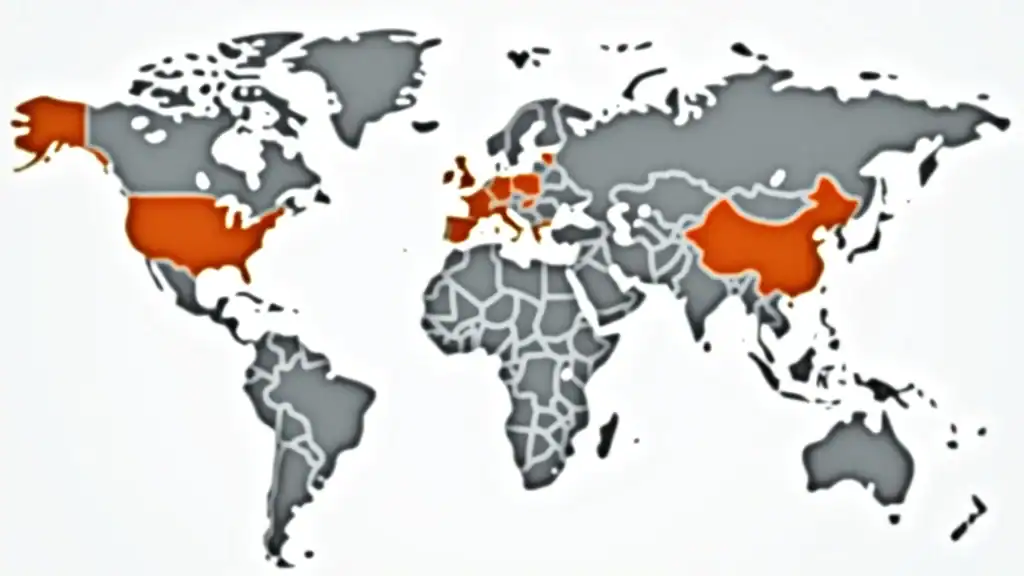
Infographic world map showcasing countries with leading childhood obesity rates.
Why the Childhood Obesity Rate in America Keeps Rising
Parental Influence: Are Parents Unknowingly Driving Childhood Obesity?
Dietary patterns shaped at home: What parents buy, cook, and serve is a major determinant of children’s diets. Frequent consumption of processed or fast foods and sugary beverages is heavily influenced by adult habits, with many families defaulting to convenience over nutrition due to time pressures or lack of food education.
Screen time versus physical activity habits: Children today spend unprecedented hours on screens. Parents set the tone—either by modeling sedentary behavior or by encouraging sports and outdoor play. When parents default to devices as childcare or entertainment, it comes at the expense of physical movement and healthy habits.
Cultural and socioeconomic factors: Family income, cultural attitudes toward weight, and socioeconomic status impact food access and priorities. In lower-income homes, energy-dense, low-nutrient foods are cheaper and widely available. Cultural perceptions, too—such as viewing a “chubby child” as healthy—further complicate parental decision-making and reinforce these patterns.
The invisible hand of parenting shapes every meal and minute—directly impacting a child’s physical health and long-term obesity risk. Even with the best intentions, parents facing resource constraints or misinformation may unknowingly perpetuate unhealthy cycles.
While parental influence is a central factor, it’s important to recognize that building healthy habits is a multifaceted process. For families seeking practical ways to encourage movement and reduce sedentary time, exploring the hidden benefits of daily exercise can offer actionable strategies to support children’s well-being.
The Role of Public Health Policies and Health Care Access
Public health initiatives: Efforts like the Let’s Move! campaign and state-led changes to school lunches have had mixed success. While awareness has grown, funding and enforcement vary greatly, limiting true reach and measurable progress at the national level.
Limits of health care response: U.S. health care services often focus on treatment rather than prevention, especially for children with obesity. Pediatric visits might cover BMI tracking, but time and resource constraints rarely allow for comprehensive nutrition and lifestyle counseling. This leaves a gap—especially apparent for families in under-resourced communities—where early intervention is most needed.
The result: Although policies and health care frameworks exist, without robust parental engagement and equitable resource allocation, the childhood obesity rate in America continues its upward trajectory—outstripping the pace of change in adult obesity and challenging the future of public health.
States With the Highest Childhood Obesity Rates in America
Top U.S. States by Childhood Obesity Rate with Socioeconomic Correlates
| Rank | State | Childhood Obesity Rate | Median Household Income | Free/Reduced Lunch % |
|---|---|---|---|---|
| 1 | Mississippi | 26.2% | $48,716 | 74% |
| 2 | West Virginia | 25.1% | $50,884 | 72% |
| 3 | Louisiana | 24.7% | $49,469 | 69% |
| 4 | Alabama | 23.9% | $56,929 | 66% |
| 5 | Arkansas | 23.2% | $53,882 | 64% |
Economic disparities and childhood obesity: The data crystalizes a harsh fact: states with the highest childhood obesity rates tend to have lower median household incomes and more children enrolled in free or reduced lunch programs—illustrating the link between poverty, nutrition options, and obesity rates.
School lunch programs and activity policies: Schools can be lifelines, but their effectiveness varies. Some states have robust school meal guidelines and require physical education, while others lag due to funding shortages or local attitudes toward government involvement.

Diverse American children at lunch—school food choices are pivotal in the fight against childhood obesity.
Expert Perspectives on Combating the Childhood Obesity Rate in America
“If parents are the problem, they must also be part of the solution to America’s childhood obesity epidemic.” – Dr. Linda Chavez, Public Health Researcher
Clinical recommendations for parents: Experts stress early intervention—infusing family routines with fruits and vegetables, water instead of soda, and regular physical activity. Self-monitoring tools, nutrition counseling, and modeling healthy choices make a measurable difference.
Emerging healthcare interventions: Telehealth and school-based health programs now offer broader access to ongoing support for weight management, nutrition, and physical activity tracking. Multi-sector partnerships—combining clinics, schools, and local governments—show significant promise in reversing these trends.
Community-based strategies: Cities seeing declining childhood obesity rates often have active community gardens, “walk to school” initiatives, and local policies supporting parks, recreation, and nutritious meals for families in poverty.
Are American Parents to Blame for the High Childhood Obesity Rate?
Cultural Pressures and Parental Decision-Making

Family conversations and choices around food shape lifelong health outcomes.
The guilt game stalls progress: it’s rarely about direct blame, but about acknowledging that cultural, economic, and social forces influence every parental choice. When advertising makes “kids’ meals” cartoonish and irresistible, and social norms emphasize convenience over homemade meals, parents face a complex gauntlet. The pressure to save time, soothe picky eaters, or “treat” children with sugary foods can override the best dietary plans, especially in high-stress, low-support environments.
Common Misconceptions About Childhood Obesity and Family Roles
Myth: “Obesity just runs in families, and there’s nothing parents can do. ” Reality: Genes play a role, but lifestyle is crucial. While body mass and metabolism are influenced by heredity, it’s the day-to-day food choices and activity levels shaped at home that drive actual weight gain. Myth: “My child will outgrow it. ” Fact: Studies show children with obesity are far more likely to stay obese into adulthood, increasing their risk for life-threatening illnesses, lower academic performance, and social difficulties.
What Is the Rate of Childhood Obesity in the US?
Defining and Measuring Childhood Obesity Rate in America
The CDC and World Health Organization (WHO) define childhood obesity using the body mass index (BMI)-for-age percentile: children and adolescents at or above the 95th percentile for their age and sex are classified as obese.
According to the Centers for Disease Control and Prevention, the most recent statistics (2017-2020) show nearly 20%—about 14.7 million—children and adolescents in the United States are obese. This is the highest prevalence ever recorded and represents a significant public health concern.
How the Childhood Obesity Rate Differs Across Age and Ethnicity
By age: Among children ages 2–5, the obesity rate is about 12.7%, but it jumps to 20.7% in ages 6–11 and 22.2% among ages 12–19, highlighting the risks as children grow older and make more independent food choices.
By ethnicity: Rates are higher among Hispanic children (26%) and non-Hispanic Black children (24%), compared with non-Hispanic White (16%) and non-Hispanic Asian (9%) children, reflecting disparities in access, cultural norms, and economic hardship.

Childhood obesity rates in America vary by age and ethnicity—impacting communities differently.
What Country Is Number One in Childhood Obesity?
America’s Place in Global Childhood Obesity Rankings
The United States currently leads the world in childhood obesity rates among developed countries. Factors such as greater availability of calorie-dense processed foods, limited physical activity in schools, and high rates of poverty contribute to this ranking. In contrast, some similarly wealthy nations have implemented comprehensive prevention strategies to reverse or stabilize their rates.
International Lessons: How Other Countries Combat Childhood Obesity
Japan: Focuses on rigorous school-based health checks and mandatory physical education, paired with traditional dietary patterns that favor vegetables and fish over processed snacks.
Netherlands: Invests heavily in cycling infrastructure, making daily physical activity an easy default for children and families, alongside restricting junk food advertising.
Chile: Introduced warning labels on sugary drinks and banned unhealthy snacks in schools, resulting in measurable declines in obesity rates among children.
What State Is #1 in Obesity?
Factors Behind America’s Highest State Obesity Rate
Mississippi holds the top spot with over 26% of children and teens classified as obese. Driving factors include high poverty rates, food deserts with limited fresh produce, less access to safe recreational spaces, and historical trends in high-calorie traditional southern cuisine.
Lessons for Policy Makers and Parents Across the United States
Data shows states that invest in school-based nutrition programs, physical education, and community health outreach have lower increases in childhood obesity rates. Parental support and education amplify these benefits—demonstrating that coordinated policy AND family action are the most powerful pathway to healthier children.
Lists: Key Drivers Behind the Surging Children Obesity Rate in America
Overconsumption of processed foods
Decline in physical activity
Socioeconomic barriers to healthy living
Lack of consistent health care guidance
Influence of social media and advertising
FAQ: Childhood Obesity Rate in America and Parental Responsibility
How can parents effectively prevent childhood obesity?
Prioritize home-cooked meals featuring whole foods and model active lifestyles. Encourage daily physical activity, limit sugary drinks, and set screen time boundaries. Open conversations about nutrition and body image—without shaming—build lifelong healthy habits.Are schools doing enough to address childhood obesity?
Many schools have improved food options and increased requirements for physical education. However, disparities remain due to uneven funding and state policies. Collaboration between schools and families enhances the impact of these efforts.Is childhood obesity reversible with early intervention?
Yes—studies show that targeted changes in diet, activity, and social support can help children return to healthier weights, preventing future health risks. The earlier interventions start, the greater the impact.What are the long-term implications for the health care system?
Rising childhood obesity rates place mounting pressure on the American health care system—driving higher rates of diabetes, heart disease, and related costs into adulthood. Prevention and coordinated care are critical to averting a future public health crisis.

Healthcare providers play an essential role in supporting families to manage and prevent childhood obesity.
Key Takeaways: Childhood Obesity Rate in America
Children obesity rate in America remains at an all-time high, with parents playing a pivotal role
Socioeconomic and cultural factors compound the issue
Efforts from parents, health care, and public health sectors must align for effective change
Ongoing vigilance in public health policy and parental engagement is essential
Final Thoughts: Confronting America’s Childhood Obesity Rate Moving Forward
“Acknowledging the uncomfortable truth about parental influence may be the first step in reversing the childhood obesity rate in America.”
Reflect on the collective responsibility for change
Highlight emerging success stories in communities
Encourage open dialogue and proactive choices
Watch: Data Visualizations on Childhood Obesity Rates in the United States
See: Parental Perspectives Video – Voices From Across America
Explore Initiatives: How You Can Join the Fight Against Childhood Obesity
Get involved with local public health campaigns
Stay informed on health care guidelines for children
Connect with supportive communities
Together, real change starts at home—spark the conversation, champion the solution, and be part of America’s healthier future.
If you’re inspired to take a broader approach to family wellness, consider exploring how adopting healthy lifestyle habits can transform not only children’s health but the well-being of the entire household. By integrating small, sustainable changes, families can build resilience, foster positive routines, and set the stage for lifelong vitality. Dive deeper into these strategies to empower your next steps toward a healthier future.
Sources
https://www.cdc.gov/obesity/data/childhood.html – CDC Childhood Obesity Facts
https://www.who.int/news-room/fact-sheets/detail/obesity-and-overweight – World Health Organization
https://stateofchildhoodobesity.org/ – The State of Childhood Obesity
https://jamanetwork.com/journals/jama/fullarticle/2771353 – JAMA Network