

This comprehensive guide cuts through the myths, investigates the science, and helps you decide: is rice bad or good for weight loss or can it support your healthy weight journey?
Is Rice Bad for Weight Loss? Unpacking the Question
When people ask, “is rice good or bad for weight loss?”, it often stems from concerns about carbs, blood sugar spikes, and weight gain
Recent studies suggest that rice itself is not inherently fattening. Rather, it’s the way rice is prepared, the portion sizes consumed, and the accompaniments—think nutrient-dense vegetables or healthy fats versus sugary sauces or fried additions—that matter most. The glycemic index plays a significant role; how quickly rice raises blood sugar levels affects satiety and subsequent calorie intake. Incorporating the right types of rice in controlled portions, paired with lean protein and fiber-rich veggies, may not just be neutral—it might even be good for weight when compared to processed alternatives. Let’s separate what’s fact and what’s fiction.
What You’ll Learn About Is Rice Bad for Weight Loss
The relationship between rice and weight loss efforts
Differences among white rice, brown rice, and other varieties
Effects of rice on blood sugar and sugar spikes
Strategies to include rice in a healthy meal plan
Expert opinions and recent study insights
Rice in Global Diets: Good for Weight or Weight Gain?
This raises a crucial question about weight gain: is rice an issue, or do other lifestyle factors play a bigger role?
Studies show a direct connection between refined grains and body weight, but they also reveal that populations consuming primarily whole grain rice—like brown rice or wild rice—tend to fare better in terms of healthy weight. It’s important to note that preparation methods, what rice is paired with, and total calorie intake are essential aspects of weight management. Many healthy traditional diets feature modest rice portions served with fiber, protein, and minimal added fats, which together help regulate appetite and blood sugar responses.
For those looking to optimize their approach, exploring a variety of weight loss tips can provide practical strategies that complement the insights shared here about rice and healthy eating. Integrating these tips with mindful rice consumption may further enhance your results.
“Rice has been a dietary staple for centuries, but its role in weight management continues to spark debate among health experts.”
Types of Rice: Are Some Better for Weight Loss?
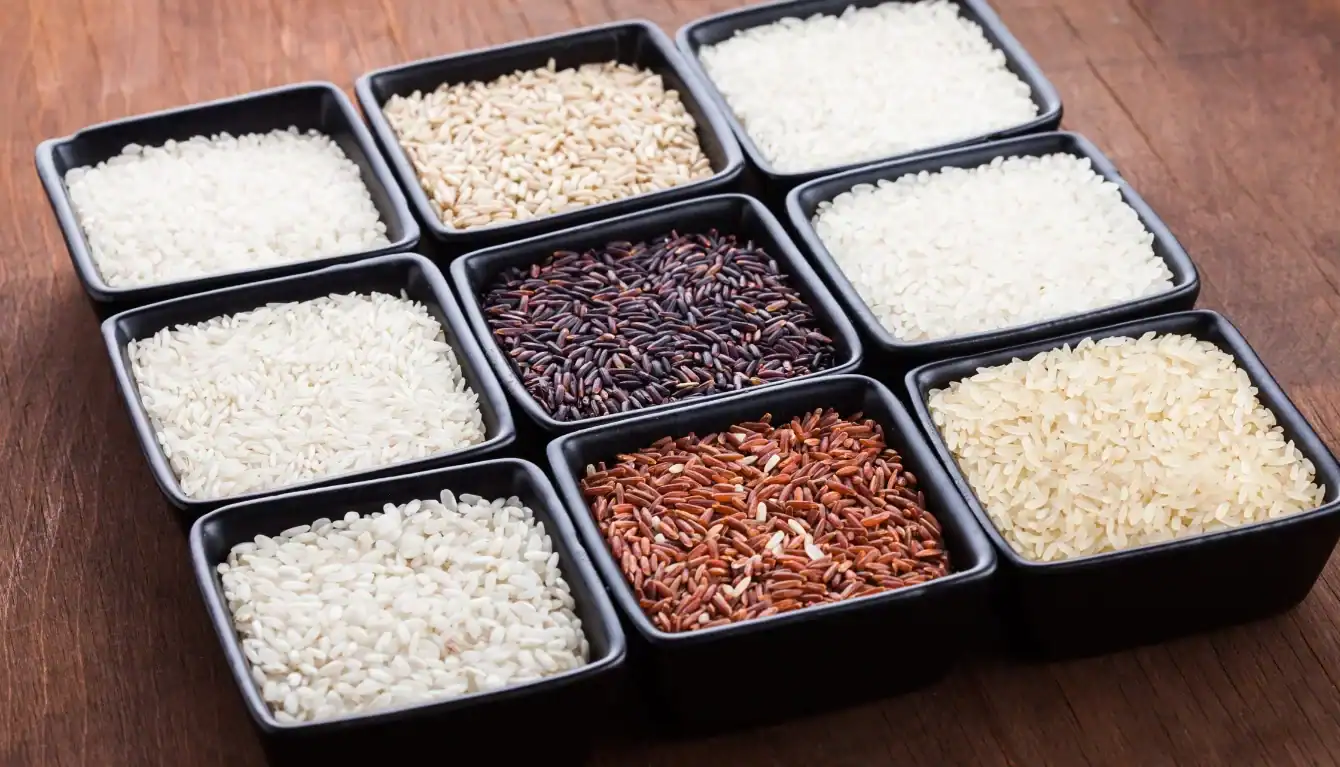
Not all rice is created equal when it comes to weight loss. The various types of rice—from white to brown, black, red, and wild—differ in fiber content, nutrients, and their effect on blood sugar. Understanding these differences can help you include rice in your diet without sabotaging your loss goals.
Whole grain varieties like brown rice, red rice, black rice, and wild rice retain more bran and germ, offering higher fiber, more protein, and more micronutrients than white rice. These qualities not only help promote fullness but also slow the rise in blood sugar, resulting in fewer sugar spikes and better weight management outcomes. Let’s explore how each rice variety stacks up for weight loss.
White Rice: Is It Bad for Weight Loss?
White rice is often labeled the “villain” in weight loss circles due to its high glycemic index and low fiber content. During processing, white rice loses the bran and germ, which are rich in fiber, vitamins, and minerals. This results in a grain that digests quickly and can cause sharp blood sugar spikes, potentially leading to increased hunger and overeating. For someone with a sedentary lifestyle or those struggling to lose weight, large servings of white rice may work against weight loss goals.
However, the demonization of white rice can be shortsighted. It can still be part of a balanced meal plan if portion control is practiced, and it is paired with lean protein and high-fiber vegetables. Mindful preparation and moderation are key. In many Asian populations, white rice is a staple, yet healthy weight is maintained through lifestyle and diet composition, not elimination of rice itself.
Brown Rice: A Healthier Grain for Weight Management?
Brown rice is widely viewed as a superior choice for those aiming for weight management. Unlike white rice, brown rice is a whole grain that contains the outer bran and germ layers, offering more fiber and nutrients. This extra fiber helps promote satiety, stabilize blood sugar levels, and can support weight loss efforts by preventing the rapid blood sugar spikes commonly associated with white rice. The slower digestion process means you’re likely to feel full for longer, reducing overall calorie intake and making it easier to stick to your meal plan.
Studies show that swapping out refined grains for whole grain rice varieties may improve cholesterol, blood sugar control, and weight outcomes. While brown rice has a slightly higher calorie count than white rice, its benefits far outweigh any minor differences, especially when consumed as part of a balanced, whole-food diet.
Red, Black, and Wild Rice: Alternatives for Weight Loss
Exploring lesser-known rice varieties can add both flavor and health benefits to your weight loss journey. Red rice is rich in antioxidants and offers a high fiber content, crucial for enhancing satiety and fostering good digestive health. The antioxidants in red rice may contribute to lower inflammation and improved metabolic outcomes.
Similarly, black rice stands out for its high concentration of phytonutrients and a lower glycemic index compared to white rice, resulting in gentler blood sugar spikes. Wild rice is technically a seed but often grouped with rice. It boasts an impressive protein and fiber profile, making it uniquely filling and well-suited to a weight loss meal plan. These varieties not only diversify your plate but can also have a positive impact on your ability to lose weight.
Red rice: Antioxidant and fiber content support metabolic health.
Black rice: High in phytonutrients and features a lower glycemic index.
Wild rice: Notable protein content, adds satiety and supports varied meal plans.
Grain Rice vs. Other Types: What’s Good for Weight Loss?
Comparing grain rice like long-grain brown or red rice to other varieties such as jasmine, basmati, or sushi rice reveals both nutritional and functional differences for weight loss. Long-grain brown rice and wild rice are particularly good for weight, thanks to their higher fiber and protein content. Rice with a lower glycemic index causes smaller increases in blood sugar, helping prevent hunger-driven overeating.
Short-grain and sticky rice varieties, like sushi rice, are digested more quickly and can spike blood sugar faster, which might hinder sustained weight loss. When in doubt, opt for whole grain or wild rice for better results—especially when eaten alongside vegetables, lean protein, and healthy fats.
Glycemic Index, Blood Sugar, and Their Role in Weight Loss
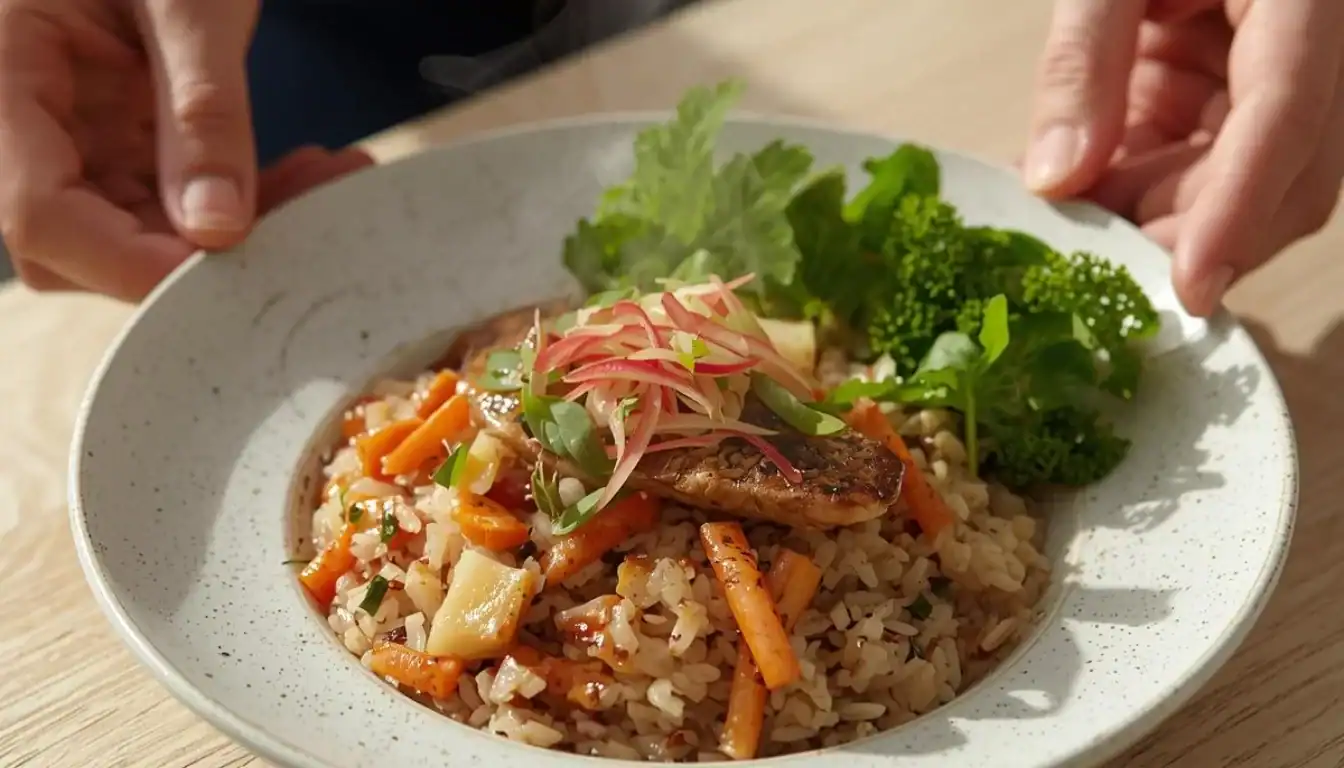
The glycemic index (GI) measures how quickly foods raise blood sugar levels—a key concern for weight loss. Foods with a high GI are rapidly digested, causing sugar spikes and crashes that may promote overeating and, eventually, weight gain. Knowing the GI of different rice varieties can help you make choices that align with your weight loss goals.
Whole grain rices like brown, red, black, and wild rice generally have lower glycemic indices than white rice, which means they release glucose more slowly into the bloodstream. This can translate to fewer blood sugar spikes, improved satiety, and lower risk of insulin resistance, ultimately supporting weight management.
Comparison of Glycemic Index Values: Rice Varieties
Rice Type | Approximate Glycemic Index |
|---|---|
| White Rice | 70–90 |
| Brown Rice | 50–68 |
| Red Rice | 55–65 |
| Black Rice | 42–45 |
| Wild Rice | 35–45 |

How Eating Rice Impacts Weight Loss and Weight Gain
The connection between eating rice and weight gain or loss goes beyond the grain itself; lifestyle, meal composition, and, crucially, portion control are central. Consuming rice as part of a calorie-controlled, balanced diet—rich in protein and fiber and low in processed foods—has not been shown to inherently trigger weight gain. Instead, excess portions, unhealthy cooking methods (like frying), and lack of nutritional balance can tip the scale.
On the other hand, mindful inclusion of rice—especially whole grain varieties—in the right portions can help you lose weight. Combining rice with lean protein and lots of fiber-rich vegetables slows digestion, controls blood sugar spikes, and keeps hunger at bay. Ultimately, it’s about integrating rice wisely rather than removing it altogether.
“Portion control is as crucial as the type of rice you eat,” says leading nutritionist Dr. Carter.

Portion Control and Resistant Starch: Optimizing Rice for Weight Loss
To include rice in your diet without undermining your weight loss efforts, focus on two strategies: portion control and increasing resistant starch. Proper portion control means keeping a serving to roughly ½ to 1 cup of cooked rice, ideally balanced with a source of protein and plenty of vegetables. Using smaller plates and mindful meal prep can help maintain these portions.
Resistant starch is a form of carbohydrate that resists digestion in the small intestine, acting more like fiber. Cold or reheated rice—cooked, then cooled for several hours—develops higher levels of resistant starch, which helps with satiety and blood sugar control. Simple tweaks in prep and serving can make rice a more weight loss–friendly choice.
Best methods to prepare rice for higher resistant starch: Cook, cool in the refrigerator for several hours, and optionally reheat for meals.
Serving size recommendations for effective weight management: Stick to ½–1 cup per meal as part of a balanced plate.
Rice in Meal Plans: Incorporating Rice in Weight Loss Diets
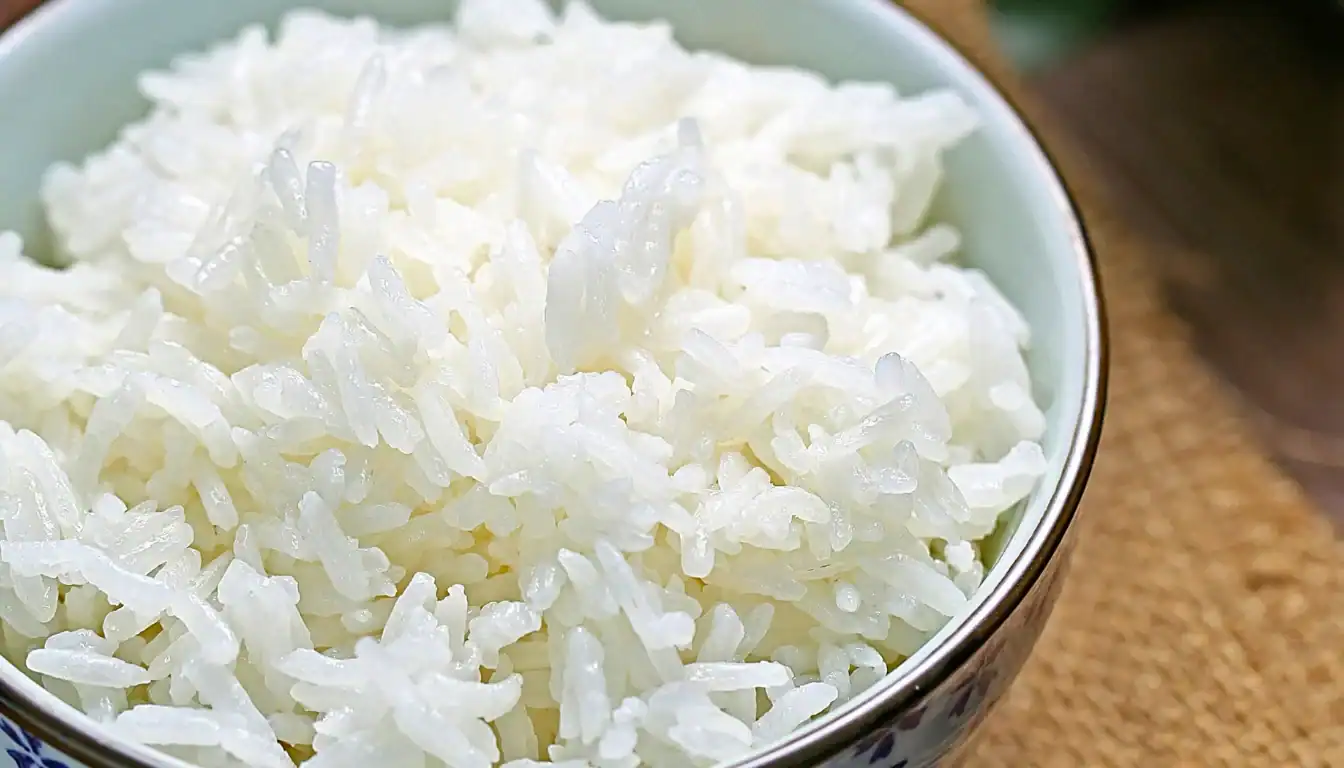
Smart meal planning allows you to enjoy rice without derailing your weight loss progress. The secret is to build balanced dishes where rice serves as the base for lean protein, colorful vegetables, and healthy fats. Meal prep makes it easy to control portions and pair rice with filling, nutrient-dense foods.
Here’s how rice can fit into calorie-controlled meal plans:
Sample Meal Plans Featuring Rice
| Calorie Level | Breakfast | Lunch | Dinner |
|---|---|---|---|
| 1200 Calories | Omelet, ½ cup brown rice | Grilled chicken, ½ cup wild rice, steamed broccoli | Tofu stir-fry, ½ cup black rice, mixed veggies |
| 1500 Calories | Yogurt, sliced fruit, ½ cup red rice | Baked salmon, 1 cup brown rice, asparagus | Turkey chili, ½ cup wild rice, side salad |
| 1800 Calories | Scrambled eggs, 1 cup black rice, spinach | Shrimp stir-fry, 1 cup white or brown rice, peppers | Chicken breast, 1 cup red rice, roasted veggies |
Expert Opinions: Is Rice Good for Weight Loss or Not?
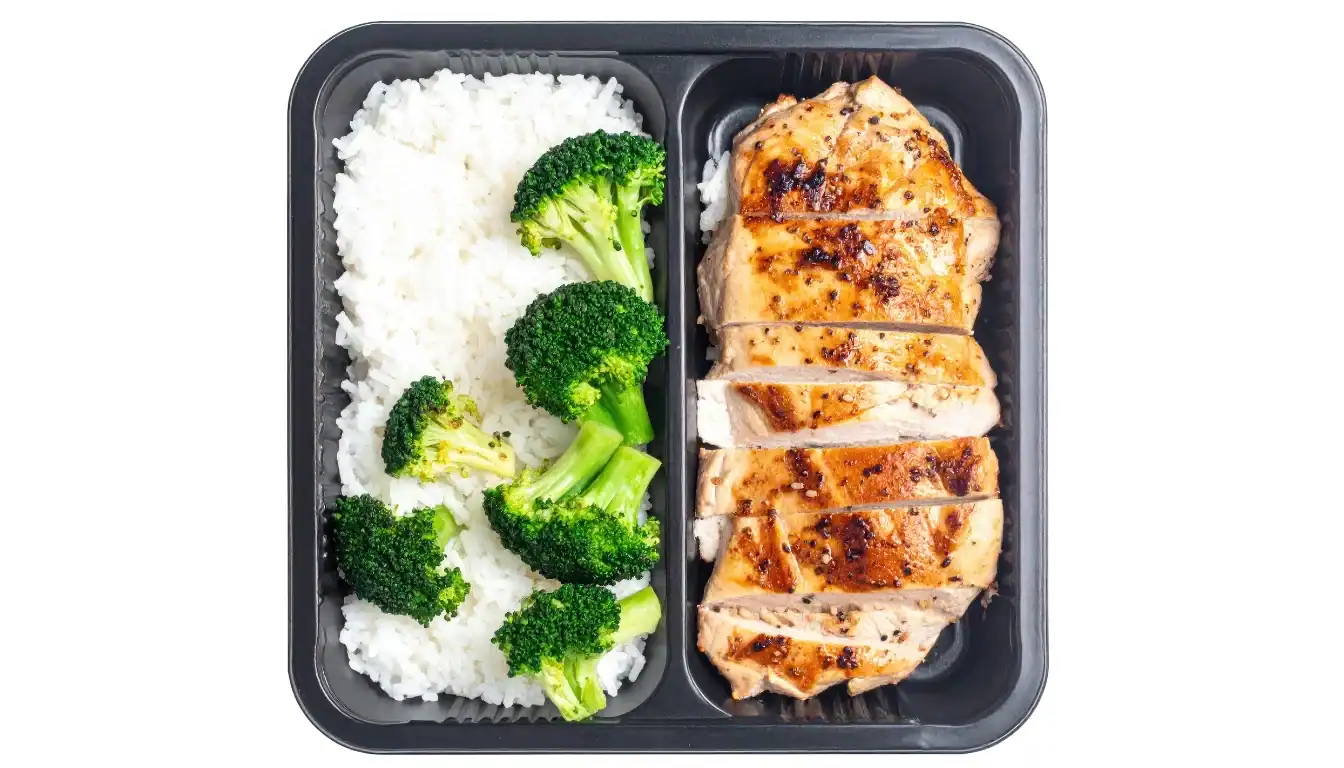
The consensus among nutritionists is shifting. Rice, when consumed thoughtfully, can be good for weight—especially when opted in whole grain forms, paired with protein, and portioned carefully. Leading experts stress that the type of rice, how it’s prepared, and the makeup of the whole meal have greater impact on weight loss than simply “cutting out carbs”.
Some clinical nutritionists favor brown rice, wild rice, and black rice for their fiber and nutrient profiles. While white rice is less optimal alone, it’s not inherently off-limits—and can be acceptable if served in small quantities within an otherwise balanced diet. The foundation of sustainable weight management is variety, moderation, and enjoying food within your calorie needs.
“Rice can be part of a healthy diet if balanced with whole foods and appropriate portion sizes.” – Registered Dietitian, Emily Temple
Pros: Whole grain rice supports satiety, blood sugar control, and meal variety.
Cons: White rice may contribute to faster sugar spikes; large portions may hinder weight loss.
Expert recommendation: Favor whole grains, moderate servings, and build meals with protein and vegetables for best results.

Addressing Myths: Is Avoiding Rice Necessary for Weight Loss?
It’s a persistent myth that cutting rice completely is crucial for losing weight. The truth is, no single food causes automatic weight gain or inhibits weight loss when consumed in moderation. Rice’s role in a meal plan for weight loss depends on its type, portion, and what it’s paired with. Focus on nutrient density, plate balance, and mindful eating rather than outright restriction.
Banning rice can actually backfire, leading to cravings and unsustainable eating habits. Instead, embrace small servings of whole grain rice as part of a varied diet. With smart strategy, rice can be compatible with even the strictest weight loss goals.
People Also Ask: Is Rice Bad for Weight Loss?
Can I eat rice and still lose weight?
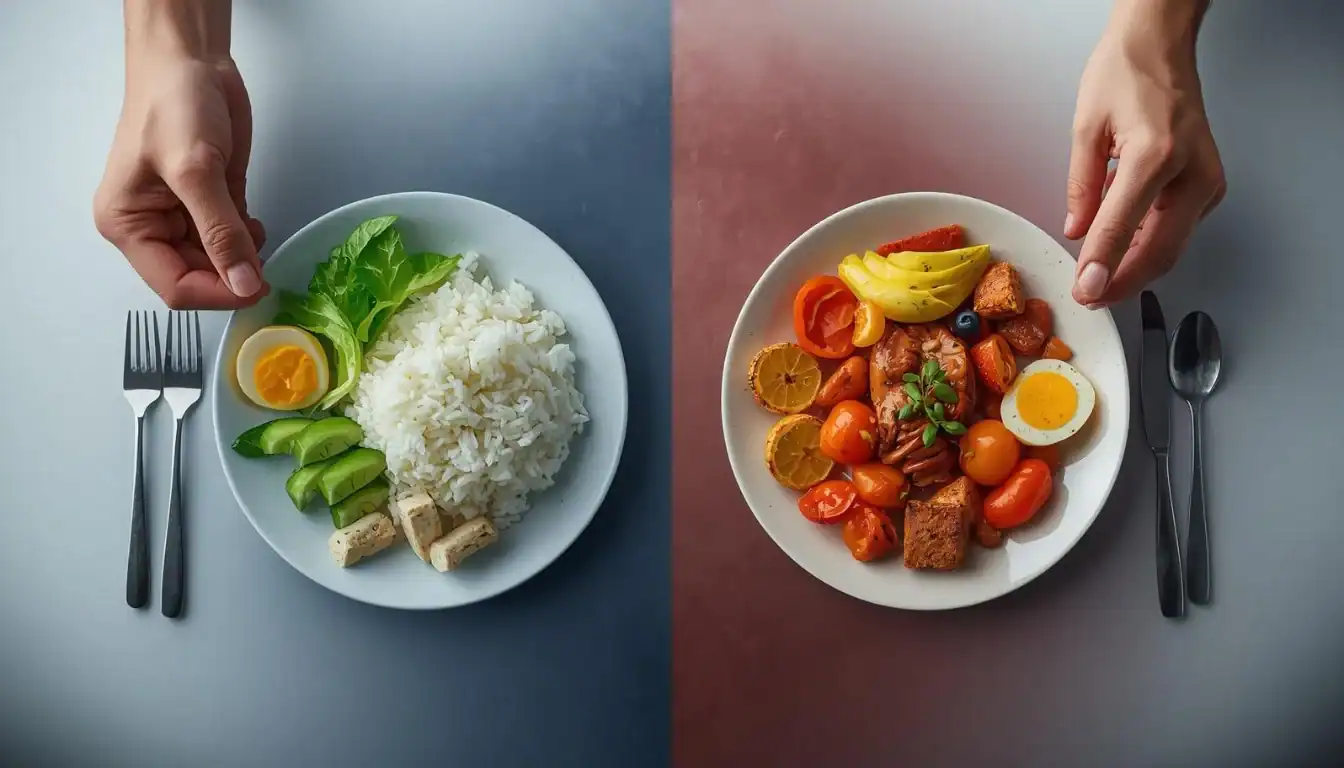
Yes, you can eat rice and still lose weight. Emphasize whole grain varieties like brown, red, black, or wild rice. Keep portions modest (around ½ cup cooked per meal), and pair with lean protein and fiber-rich vegetables to help stay full and maintain blood sugar levels. The key is to include rice as part of a balanced, calorie-appropriate meal plan.
Should I avoid rice to lose belly fat?
You don’t have to completely avoid rice to lose belly fat. More important is the total calories you consume, your overall diet composition, and your physical activity. Selecting whole grain rice and controlling portion sizes can actually support sustainable weight loss and reduce abdominal fat when incorporated into a well-rounded diet with plenty of veggies and lean protein.
How do Chinese eat rice and stay thin?
In many Asian cultures, rice is a staple, but it’s usually consumed in small portions and combined with vegetables, fish, or meat—rarely as the main focus of a meal. Meals are cooked from scratch, portions are modest, and activity levels tend to be higher. The overall diet is balanced and includes lots of whole foods, which helps maintain a healthy weight despite frequent eating rice.
Which rice burns belly fat?
No rice type directly burns belly fat, but whole grain options like brown rice, black rice, red rice, and wild rice have higher fiber and tend to result in lower sugar spikes compared to white rice. This helps with appetite control and supports weight loss efforts.
Key Takeaways: Is Rice Bad for Weight Loss?
Type and portion of rice make a significant difference
Whole grains generally support better weight outcomes
Balanced meals and calorie awareness are crucial
Frequently Asked Questions about Is Rice Good or Bad for Weight Loss
Is white rice worse than brown rice for losing weight?
Brown rice is more supportive for weight loss than white rice, due to higher fiber and a lower glycemic index, which help control hunger and blood sugar spikes.Can eating rice raise my blood sugar significantly?
White rice can cause rapid increases in blood sugar, especially if eaten in large quantities. Whole grain rice varieties like brown or black rice result in gentler rises.Are there rice recipes ideal for weight loss?
Recipes that pair rice with lean protein, lots of vegetables, and healthy fats (like stir-fries, grain bowls, or pilafs) are ideal for weight control.Does cooled rice really contain more resistant starch?
Yes! Cooking and cooling rice increases resistant starch, which is less digestible and helps you feel fuller while reducing blood sugar spikes.Is it safe to eat rice every day during a weight loss diet?
Eating moderate portions of whole grain rice daily is safe for most people, but variety and balance with other whole foods remain important.
Resources and Further Reading on Rice and Weight Loss
Recent scientific studies
Nutritional databases
Recommended dietary guidelines
Final Thoughts: Navigating Rice in a Weight Loss Journey
Rice isn’t the enemy—knowledge, balance, and portion control are your allies in using rice as part of a successful weight loss journey.
If you’re inspired to take your healthy habits even further, consider exploring the broader landscape of weight loss strategies that go beyond just food choices. By understanding the bigger picture—incorporating movement, mindset, and sustainable routines—you can create a holistic approach to wellness. Every small step, from choosing the right rice to building a balanced lifestyle, adds up to meaningful progress. Dive deeper into proven methods and discover new ways to support your journey toward lasting results.
Ready to Take Control of Your Weight Loss Journey?
Empower your choices with science-backed insights. Start building delicious, balanced meals—including the right rice—for your healthiest self today!