

Startling fact: Over 11% of adults experience panic attacks each year, yet less than half seek out effective coping methods like breathing exercise for panic attack. If you’ve felt overwhelmed by rapid heart rate, chest pain, or sudden anxiety, exploring how intentional breathing can instantly calm your mind and body might be the breakthrough you need. In this guide, you’ll uncover science-backed techniques and practical strategies for reclaiming peace—fast.
A Startling Look: Why Breathing Exercises for Panic Attacks Matter
Did you know that over 11% of adults experience panic attacks each year, but less than half seek effective coping strategies like breathing exercise for panic attacks? Discover why understanding your breath could be the quickest, science-backed solution for instant calm
Breathing isn’t just automatic—it’s a powerful tool for changing bodily responses. People facing panic attacks often hyperventilate, which can unintentionally raise stress levels and reinforce the “fight or flight” cycle. But with targeted deep breathing, box breathing, or alternate nostril breathing exercises, the body’s nervous system shifts toward calm and balance. Understanding the impact of your breath is an essential first step to reducing anxiety and leading a life unhindered by panic disorder. Let’s explore what this vital skill can do for you.

What You’ll Learn About Breathing Exercises for Panic Attacks
The science behind breathing exercise for panic attacks and their effect on anxiety and panic
Simple, actionable breathing techniques to try right now
How deep breathing helps regulate heart rate and feelings of panic
Expert insights and practical tools for reducing anxiety
Answers to common questions about panic attacks and breathing techniques
Understanding Panic Attacks: The Link with Breathing Exercises
Panic attacks are sudden, intense surges of fear or discomfort that can leave you feeling powerless as your heart pounds, breath quickens, and dread takes over. While symptoms—such as chest pain, rapid heart rate, and shallow breathing—can be alarming, they are driven by your body’s automatic “fight or flight” response. When this system is triggered, you experience both physical discomfort and mental distress—feeding anxiety and panic.
Breathing exercises for panic attacks serve as an interrupting force. By gently slowing each breath, you counter the cycle of hyperventilation and reduce symptoms almost instantly. Research shows that techniques like deep breathing and belly breathing stimulate the parasympathetic nervous system, which helps lower blood pressure, reduce anxiety, and promote feelings of calm. In moments where panic seems to take over, these breathing exercise for panic attacks provide a pathway back to stability.
“Breathing exercises for panic attacks aren’t just calming—they’re essential for regaining control in the moment.” — Anxiety Specialist
For those seeking additional strategies to manage anxious thoughts and feelings, exploring resources focused on anxiety and fear management can offer further practical tips and support alongside breathing exercises.
Why Use Breathing Exercises for Panic Attacks?
Immediate impact on heart rate
Reduces anxiety and manages panic disorder symptoms
Natural, drug-free support for panic attacks
Wide applicability—from everyday stress to severe panic attacks
| Breathing Exercise | Panic Situation | Effect on Heart Rate |
|---|---|---|
| Deep Breathing | Panic Attack | Lowers Heart Rate |
| Box Breathing | High Anxiety | Regulates Heartbeat |
| Diaphragmatic | Ongoing Stress | Promotes Calm |
The Science Behind Breathing Exercises for Panic Attacks
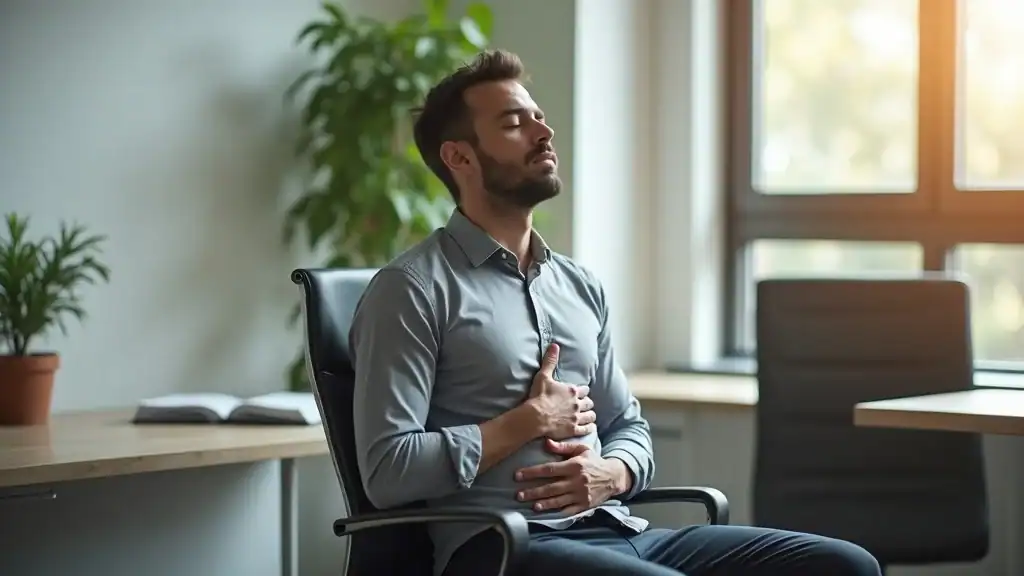
When a panic attack hits, your nervous system springs into action: heart pounds, breath shortens, and adrenaline surges. This “fight or flight” mode rapidly increases heart rate and stress hormones, sometimes even causing dizziness or chest pain. Here’s the good news: deep breathing exercises signal your parasympathetic nervous system to “stand down.” With each calm, intentional breath, oxygen delivery improves and panic symptoms fade as your body exits crisis mode.
Research shows that specific breathing techniques—like box breathing, alternate nostril breathing, and diaphragmatic breathing—directly reduce anxiety and panic by retraining the nervous system. By slowing your breath, you lower your heart rate, stabilize blood pressure, and ease sensations of chest pain and tightness. Over time, these breathing exercise for panic attacks can even help prevent future episodes, giving you lasting tools for managing anxiety disorders or panic disorder.
How to Do Effective Breathing Exercises for Panic Attacks
Technique 1: Deep Breathing Exercise
Step-by-step deep breathing instructions
Tips for maximizing calm and lowering heart rate through proper breathing technique
Begin by sitting comfortably with your feet flat on the floor and your hands gently resting on your lap. Close your eyes if you feel safe to. Inhale slowly through your nose, aiming for your abdomen to expand—this is called “belly breathing.” Hold your breath for a moment, then exhale gently through your mouth. Aim for an inhale count of four seconds, hold for two, and exhale for six. Repeat this cycle for at least five breaths, focusing on the gentle rise and fall of your belly rather than your chest. This deep breathing technique not only reduces anxiety but also helps slow a rapid heart rate and provides quick relief during a panic attack.
Tip: Practice daily, not just during a crisis. Over time, deep breathing exercises for panic attacks strengthen your body’s ability to respond calmly—no matter what triggers arise.
Technique 2: Box Breathing for Panic Attacks
Box breathing steps for panic situations
Box breathing benefits for heart rate and reducing anxiety in panic attacks
Box breathing, also known as four-square breathing, is a structured breathing technique especially helpful in moments of panic. To start, sit comfortably and exhale fully. Inhale through your nose for a count of four; hold your breath for four; exhale through your mouth for four; hold again for four. Visualize drawing a “box” with each step. Box breathing gently slows your breathing rate, regulates heartbeat, and provides an immediate pathway from chaos to calm. Repeating this cycle three to five times will not only reduce anxiety but also lessen the severity and duration of a panic attack. Use this method whenever you feel stress or panic escalating—it’s discreet, quick, and evidence-based.
Tip: Box breathing works well as part of a broader mental health routine for panic disorder, high anxiety, and even daily stress levels.
Technique 3: Diaphragmatic Breathing
How diaphragmatic breathing helps with panic disorder and anxiety and panic
Beginner diaphragmatic tips
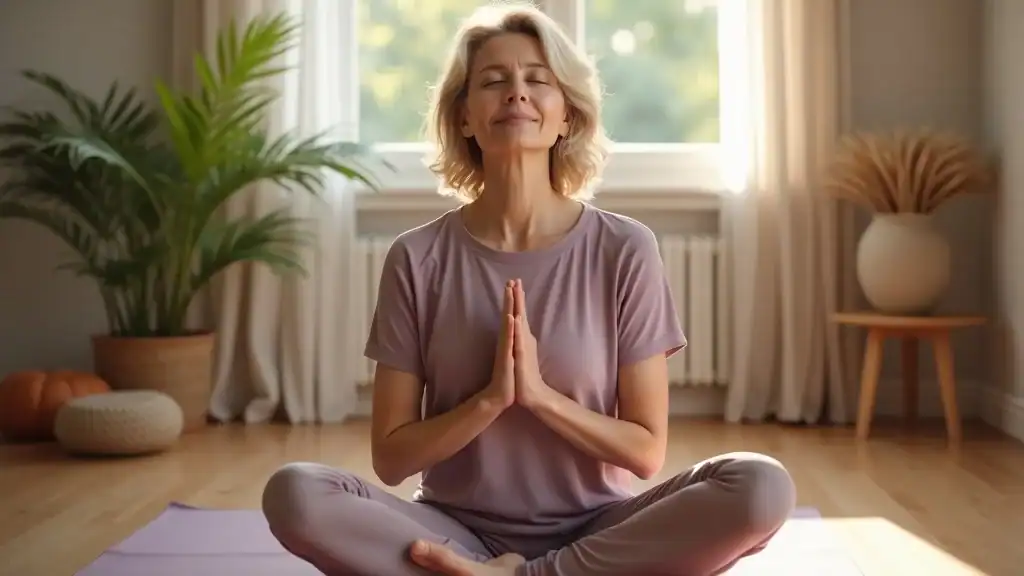
Diaphragmatic breathing—sometimes called “belly breathing”—focuses on filling your lower lungs by allowing your diaphragm (not your chest) to expand. This method is particularly helpful for those facing panic disorder and frequent anxiety attacks. To practice, lie comfortably on your back or sit up straight. Place one hand on your chest and the other on your abdomen. Inhale deeply through your nose, allowing your stomach to push out (your chest should remain mostly still). Exhale slowly through pursed lips, feeling your belly fall gently. This breathing exercise for panic attacks counteracts hyperventilation and calms your nervous system.
Beginner tip: Practice diaphragmatic breathing for five minutes each morning and evening—or whenever anxiety strikes. Over time, your body will more quickly engage this “rest and digest” response, reducing the frequency or intensity of panic symptoms.
Technique 4: Alternate Nostril Breathing
Alternate nostril breathing for calm
Steps to practice nostril breathing during a panic attack
Alternate nostril breathing, or Nadi Shodhana, is a yogic breathing technique that balances both body and mind. Begin by sitting comfortably and using your right thumb to gently close your right nostril. Inhale slowly through your left nostril, then close the left nostril with your ring finger and release the right nostril. Exhale through the right, then inhale through the right. Close the right nostril again, exhale through the left. Alternate nostril breathing calms anxiety, lowers stress, and creates an overall sense of groundedness during a panic attack.
This breathing exercise is particularly effective in moments of high stress, offering a unique blend of mindfulness and physical relaxation. Repeat this cycle for two to three minutes, focusing on the sensation of air moving in and out. It can be practiced anywhere—at home, at work, or on the go—making it a versatile tool for anyone dealing with anxiety and panic.
Technique 5: Simple Breathing Exercises for Panic Attacks
Simple breathing techniques for quick stress relief
Sometimes, all you need is a quick, straightforward method in moments of rising panic. Simple breathing exercises include inhaling through your nose for four seconds, holding your breath briefly, and exhaling for six through your mouth. Another method is the “sigh of relief”: Inhale deeply through your nose, then exhale audibly through your mouth, imagining tension leaving the body. These techniques rapidly bring awareness back to the present and prevent hyperventilation from worsening the panic attack.
Integrate these easy breathing exercise for panic attacks into daily routines—they can offer quick relief whether you’re at your desk, on public transportation, or just waking up. Practicing regularly ensures you’re well-equipped when anxiety strikes unexpectedly.
Watch a guided session on breathing exercises for panic attacks, featuring real-time instruction on deep breathing, box breathing, and more.
Lifestyle Integration: Making Breathing Exercises Part of Daily Life
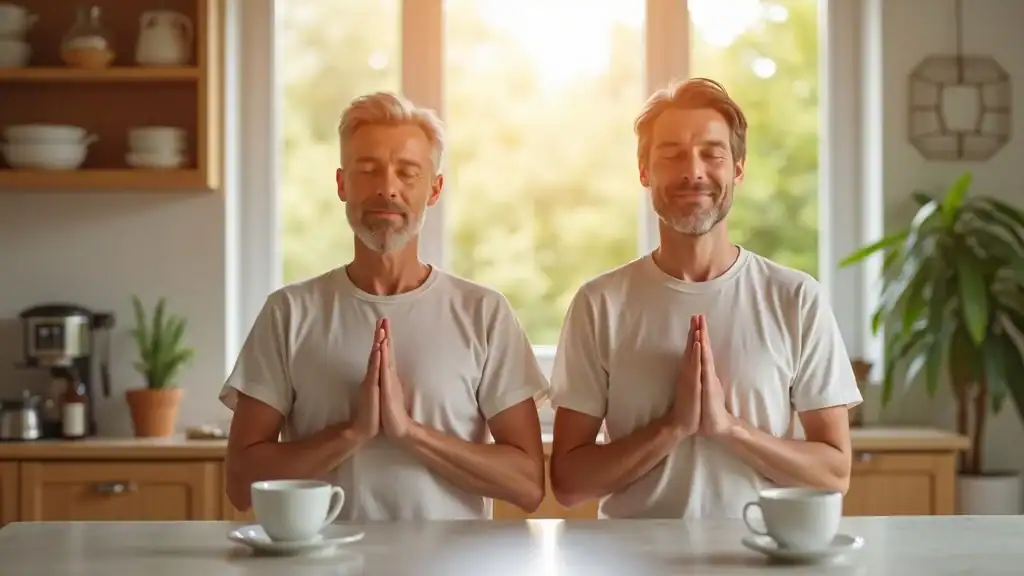
Scheduling breathing exercises for anxiety prevention: Allocate a few minutes each morning or evening for practice, even when you feel okay. Consistent practice ingrains these methods, making them second nature.
Incorporating deep breathing into panic disorder routines: Pair breathing exercises with other self-care habits, such as journaling or movement. For those with panic disorder or chronic anxiety disorder, this structured approach provides stability and comfort.
Using breathing techniques in stressful situations: Before a big meeting, during family gatherings, or if unexpected anxiety builds, pause and breathe. Whether it’s box breathing or alternate nostril breathing, a few intentional breaths can lower your heart rate and prevent escalation.
Making breathing exercise for panic attacks a regular part of your lifestyle is key to shifting from reaction to prevention. Over time, these habits reduce anxiety and enhance overall mental health—letting you live with greater confidence every day.
See mental health professionals walk through deep breathing exercises for panic attack and anxiety and panic management.
People Also Ask About Breathing Exercises for Panic Attacks
What is the 5 5 5 rule for panic attacks?
The 5 5 5 rule involves identifying and naming 5 things you can see, 5 things you can hear, and 5 things you can feel. This grounding exercise, while not a literal breathing technique, complements breathing exercises for panic attack by redirecting focus and calming the mind. Combined with a slow, deep breath, it can help anchor you in the present moment and reduce anxiety symptoms quickly.
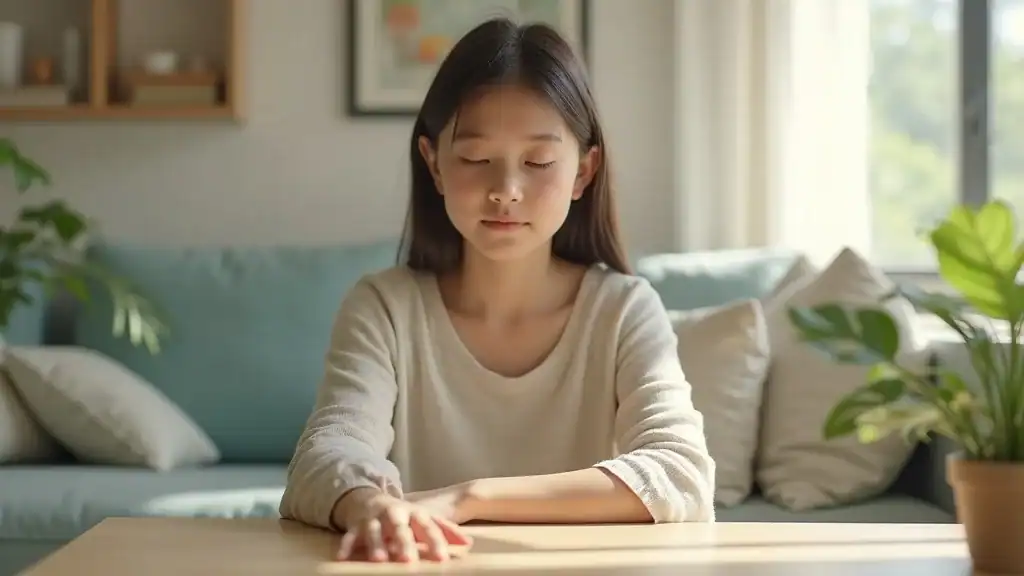
How to Breathe to stop a panic attack?
Use deep breathing exercises: inhale slowly through your nose for 4 seconds, hold for 2, and exhale through your mouth for 6 to directly counter the hyperventilation associated with panic attacks. This deep breathing technique helps lower your heart rate and activates the relaxation response of your nervous system, bringing rapid relief from panic symptoms.
What is the 4 7 8 breathing technique for?
The 4 7 8 breathing technique helps ease anxiety and panic, lower heart rate, and quickly relax the nervous system. Inhale for 4 seconds, hold for 7, and exhale for 8. Practicing this breathing exercise for panic attacks helps bring attention and calm to both the mind and body.
What is the 3-3-3 rule for anxiety?
The 3-3-3 rule helps redirect anxious thoughts: name three things you see, three things you hear, and move three parts of your body. Combine this with breathing exercises for panic attack for even more relief. This method is simple, discreet, and easy to remember when anxiety or a panic attack starts to rise.
Tips for Optimizing Breathing Exercises for Panic Attacks
Practice breathing techniques daily, not just during an episode—routine use builds resilience.
Combine with grounding and mindfulness for reducing anxiety; rituals amplify benefits for mental health.
Track your heart rate with a wearable for real-time feedback on your progress.
Consult a therapist if you experience persistent panic disorder or if breathing exercises alone aren’t enough.
Key Takeaways on Breathing Exercises for Panic Attacks
Breathing exercises for panic attack are quick, drug-free, and accessible
Techniques like deep breathing, box breathing, and alternate nostril breathing offer immediate relief
Consistent practice reduces anxiety and panic symptoms long-term
FAQs About Breathing Exercises for Panic Attacks
Are breathing exercises for panic attack safe for everyone? For most people, yes—these techniques are safe and beneficial. If you have a respiratory condition, consult your doctor before trying new methods.
How long before breathing exercises become effective during panic attacks? Relief can begin within a few breaths, but aim for at least 2–5 minutes of steady practice for optimal results.
Can breathing techniques replace medication for panic disorder? Breathing exercises are a powerful adjunct, but always consult your mental health provider before changing any prescribed treatments.
What should I do if breathing exercises don’t help during panic attacks? If symptoms persist, reach out to a mental health professional. Combining strategies—like therapy, breathing, and lifestyle adjustments—offers the best chance for lasting calm.
Start Your Calm Today: Breathing Exercises for Panic Attacks
Try these breathing exercises for panic attack now and reclaim your peace of mind, or talk to a mental health professional for guidance.
If you’re ready to take your well-being to the next level, consider how breathing exercises fit into a broader approach to health. Building a foundation of positive daily habits can amplify the benefits of your anxiety management techniques and support long-term resilience. For a deeper dive into holistic strategies that nurture both mind and body, explore our guide on unlocking the power of healthy lifestyle habits. Discover how small, sustainable changes can transform your mental health journey and empower you to thrive every day.