


Ready to make your transformation evidence-based and sustainable? You’re in the right place
A Startling Truth: The Real Numbers Behind Understanding Weight Loss Mechanisms
“More than 74% of adults in the U.S. are overweight or obese, yet only a fraction truly understand the science behind weight loss mechanisms.” – National Health Institute
This statistic is more than just a number—it’s an urgent call for clarity. Understanding weight losing mechanisms is key not only for personal health but also for reshaping the weight loss conversation. Most people focus on quick fixes or popular diets without recognizing the actual science at play. The prevalence of overweight and obesity underscores a knowledge gap: despite the influx of weight loss plans and products, many still struggle with weight regain and unrealistic loss goals. Whether you want to lose weight for health reasons, body mass improvement, or to reduce your body mass index (BMI), knowing the real mechanics is essential to lasting success.
For those frustrated by unsuccessful attempts, the secret isn’t just what you eat or how much you move—it’s about how energy intake, energy expenditure, metabolism, and adaptation work together. As we dive deeper, you’ll discover how unlocking these truths can empower you to approach your weight loss plan with confidence and strategy, finally breaking away from cycles of weight gain and loss. Let’s dig into the mechanisms shaping your journey to a healthier body weight.
What You’ll Learn About Understanding Weight Loss Mechanisms
The scientific foundations of understanding weight losing mechanisms
Critical differences between energy intake and energy expenditure
How metabolism and metabolic adaptation determine losing weight
Modern approaches, from natural strategies to bariatric surgery
Practical steps for setting and achieving realistic weight loss goals
Understanding Weight Loss Mechanisms: Defining the Process
Key Concepts: What Are Weight Loss Mechanisms?
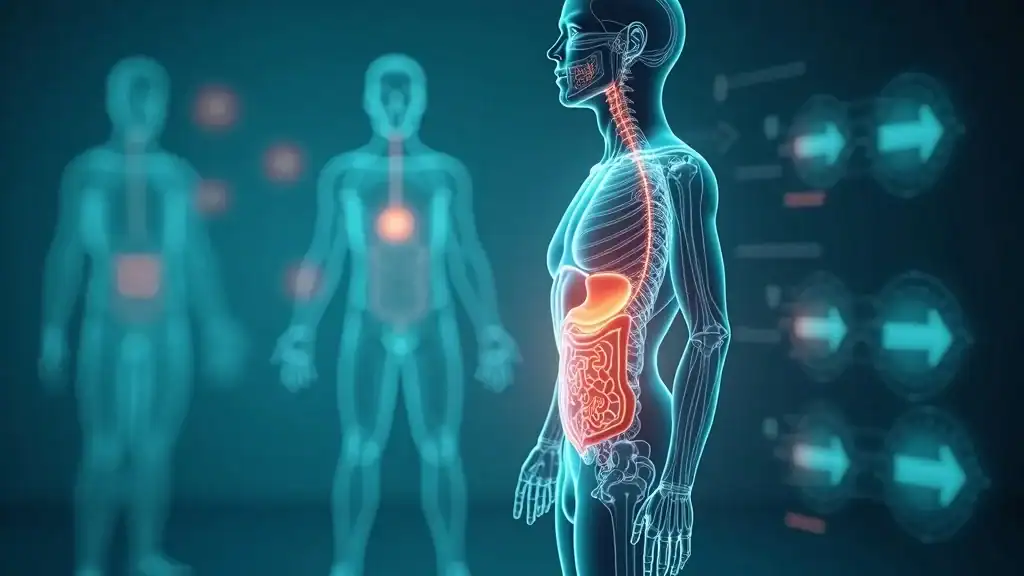
At its core, understanding weight losing mechanisms means interpreting the intricate processes that govern how the body loses or gains weight. It’s not just about calorie counting—your body weight is shaped by a dynamic interplay of biological, behavioral, and environmental factors. The mechanisms involve energy intake (the food you consume), energy expenditure (the calories you burn through activity and metabolic processes), and how your body adjusts (or adapts) over time. Processes like metabolic rate, hormonal regulation (such as the hunger hormone), and genetic set points all influence body mass and long-term weight regulation.
These mechanisms can be disrupted by factors like stress, food insecurity, or medical conditions, and may even shift in response to weight loss or gain—making it crucial to understand how they work together. Recognizing this complexity is vital if you hope to set an effective loss goal and avoid the pitfalls of fad diets or unrealistic quick fixes. The more you understand these mechanisms, the more empowered you become in navigating your weight loss plan, adjusting your strategy for sustainable, successful results that last beyond the next trend.
If you’re just starting your journey and want practical, beginner-friendly advice, you might find it helpful to explore these essential weight loss tips for beginners. They offer actionable steps that complement the scientific principles discussed here, making it easier to put theory into practice.
Why Understanding Weight Loss Mechanisms Is Crucial to Reaching Your Loss Goal
If your goal is to lose weight and keep it off, knowing the “why” behind the “what” is pivotal. By demystifying these mechanisms, you’ll identify why previous attempts may have led to weight regain or plateaus. Successful weight loss requires not just reducing calories or increasing physical activity, but also adapting to inevitable metabolic changes and behavioral adjustments. Knowledge empowers individuals to select science-backed, personalized solutions rather than chasing miracle shortcuts that often lead to disappointment.
For those working towards a specific loss goal, understanding your metabolism, hormonal responses, and dietary needs enhances your ability to maintain a healthy body mass. It’s about working with your body rather than against it—making adaptations, tracking progress, and using evidence-based treatments when appropriate. Ultimately, grasping these mechanisms is the difference between frustration and transformation, between short-term change and lifelong health.
The Science of Energy Intake, Energy Expenditure, and Weight Loss
Energy Intake: What It Is and How It Drives Understanding Weight Loss Mechanisms

Energy intake is the total amount of calories consumed through food and drink. It’s a key variable in understanding weight losing mechanisms because any plan to lose weight starts with knowing how much energy enters your body. Food intake directly impacts your body’s ability to use or store energy—consume more than you burn, and you risk weight gain; eat less, and the body taps into fat stores, resulting in weight loss. This principle, sometimes called the “calories in, calories out” model, remains central to most dietary guidelines and clinical trials.
Yet, not all calories are equal. The source of your energy intake—whether from proteins, fats, or carbs—affects satiety, metabolism, and even your body composition. People with identical caloric intake can experience different body mass changes depending on the nutrient breakdown, timing, and their unique metabolic rate. This is why tracking your food intake and considering nutrient density, portion sizes, and even behaviors like emotional eating are crucial for lasting success. Understanding these details gives you greater control over your weight management, helping you adjust your loss plan as your needs evolve.
Energy Expenditure and Its Impact on Losing Weight
Energy expenditure refers to the total energy your body uses each day. It consists of your basal metabolic rate (energy used at rest), physical activity, and the thermic effect of food (energy required for digestion). Increasing your physical activity—be it daily movement, structured exercise, or resistance training—directly raises energy expenditure, contributing to greater weight loss over time. By understanding how these components interact, you can make strategic adjustments that accelerate results and prevent unwanted weight regain.
It’s important to note, though, that energy expenditure isn’t static. Factors like body mass, age, genetics, and even previous weight loss attempts influence how many calories you burn. As you lose weight, your metabolism typically slows, which is a natural response called metabolic adaptation. Recognizing and tracking these shifts is key to adjusting your approach and continuing progress toward your loss goal. Knowing the science of energy expenditure equips you to “work smarter, not just harder” as you pursue long-term weight regulation.
Comparison of Energy Intake vs. Energy Expenditure in Popular Diets
| Diet Type | Typical Daily Energy Intake (kcal) | Primary Method of Energy Expenditure Increase | Impact on Body Mass Index (BMI) |
|---|---|---|---|
| Low Carb/Keto | 1200–1800 | Increased fat metabolism, slight thermic effect | Promotes rapid BMI reduction initially |
| Low Fat | 1200–1500 | Supported by aerobic activity, moderate thermic effect | Steady, sustainable BMI decrease |
| Intermittent Fasting | 800–2000 (within feeding window) | Spikes in metabolic rate, appetite control | May lower BMI, maintains muscle mass |
| Standard Calorie Restriction | 1000–1800 | Baseline metabolism with or without added exercise | Gradual BMI reduction |
Metabolic Rate and Metabolic Adaptation: Critical Roles in Weight Loss

How Metabolic Rate Influences Weight Loss Goals
The metabolic rate is the speed at which your body burns calories for energy, even at rest. It’s influenced by muscle mass, genetics, age, gender, and health conditions. A higher metabolic rate means more calories are burned, easing weight loss efforts, while a slower metabolic rate can make losing weight more difficult. Understanding your unique metabolic rate helps you tailor your loss plan, predict plateaus, and adapt your energy intake and activity for best results.
Factors like increased muscle mass through resistance training boost metabolic rate, offering real advantages for long-term weight management. While some supplements claim to “ignite” your metabolism, most have minimal, if any, lasting impact, according to clinical trial data. Instead, emphasizing whole, nutrient-dense food intake, regular movement, and stress management have well-proven effects. By recognizing the interconnectedness of metabolism and energy expenditure, you’ll better anticipate changes and persist toward your loss goal.
Metabolic Adaptation: Why Losing Weight Slows Down Over Time
Metabolic adaptation, sometimes referred to as “adaptive thermogenesis,” is your body’s mechanism of adjusting its metabolic rate in response to weight loss. As you shed pounds, you not only reduce your body mass but also lower your total energy needs. This slowing of metabolism is an evolved survival tactic, making it tougher to continue losing weight or maintain successful weight loss over the long term. The set point theory suggests your body has a preferred weight range, and metabolic adaptation helps return you to that range after significant weight loss.
Metabolic adaptation can be frustrating, but it’s not insurmountable. Frequent yo-yo dieting, excessive caloric restriction, or rapid weight loss can worsen the adaptation effect, leading to higher rates of weight regain once normal eating resumes. To outsmart adaptation, gradual dietary changes, adequate protein intake, regular strength training, and periodic reevaluation of caloric intake are supported by science. With awareness of this mechanism, your weight loss plan can be flexible, resilient, and data-driven.
Strategies and Treatments: From Diet to Bariatric Surgery
Popular Approaches to Understanding Weight Loss Mechanisms
Dietary Strategies for Sustainable Weight Loss
Physical Activity and Increasing Energy Expenditure
Bariatric Surgery: When Is It Appropriate?
There is no “one-size-fits-all” solution to weight management. Diet-based strategies—like low-carb, low-fat, Mediterranean, or plant-based diets—can be effective for weight loss, but success comes from consistency and personalization. Regular physical activity not only increases energy expenditure but also preserves lean body mass and boosts your metabolic rate, reducing the odds of weight regain. Combining both dietary and movement approaches creates the foundation for a realistic and sustainable weight loss plan.
For individuals with significant obesity or related medical concerns, bariatric surgery (such as gastric bypass) can be a safe, effective intervention. Bariatric procedures modify both the digestive tract and hormonal signals to promote body weight regulation. Surgery candidates are typically those with a high body mass index who have not experienced successful weight loss with other treatments. The decision for surgery should always involve a multidisciplinary healthcare team. No matter which approach you choose, understanding weight loss mechanisms ensures your efforts are both strategic and supported by reliable evidence.
“No single solution exists—successful weight loss mechanisms must be personalized to individual needs.” – Dr. Ellen Roberts, Obesity Specialist
Setting Realistic Weight Loss Goals for Long-Term Success
SMART Goal Setting in Losing Weight
Achieving and maintaining successful weight loss starts with setting Specific, Measurable, Achievable, Relevant, and Time-bound (SMART) goals. Instead of vague aspirations like “I want to lose weight,” SMART goals break your loss goal into actionable milestones—such as, “Lose 10 pounds over 12 weeks by reducing daily calorie intake and exercising 4 days a week.” This structure promotes clarity and motivation, making it easier to adapt when faced with setbacks or plateaus.
SMART goal setting is more than a to-do list; it’s an active process of monitoring progress, adjusting your plan, and celebrating non-scale victories (like increased strength or improved energy). By involving healthcare professionals or trusted support systems, you strengthen accountability and increase the likelihood of long-term change. Building your plan with scientific knowledge allows for flexible strategies and ongoing adjustments, ensuring body composition improvements that last far longer than any quick fix.
Case Studies of Successful Weight Loss Using Scientific Mechanisms
Consider Jane, who once struggled with yo-yo dieting and weight regain. Instead of another fad diet, she partnered with a registered dietitian who helped her analyze food intake, set SMART goals, and increase physical activity. Over six months, she lost 18 pounds, maintained lean body mass, and avoided significant weight fluctuations by adjusting her loss plan whenever her metabolic rate slowed or emotional triggers appeared. By focusing on gradual progress and understanding adaptation, Jane’s transformation has become her new normal.
Or take Mike, who underwent bariatric surgery after exhausting nonsurgical approaches due to his high body mass index. With a post-surgical team guiding him through habit change, energy intake tracking, and exercise, he not only lost weight but discovered new confidence and energy. His journey underscores that major weight loss isn’t just about the intervention—it’s about embracing the science and adapting each step to your unique body and environment.

Watch Animated Breakdown of Weight Loss Mechanisms (CDC)
Common Obstacles in Understanding Weight Loss Mechanisms

The Influence of Genetics and Hormones
Genetics play a significant role in body weight regulation—some people are predisposed to higher body mass or slower metabolism due to inherited traits. Genes influence your set point, appetite control, and even how body fat is stored or utilized. Meanwhile, hormones such as leptin, ghrelin (the “hunger hormone”), and insulin directly affect your food intake, satiety signals, and fat burning efficiency. While you can’t change your DNA, understanding these influences can help you make personalized adjustments—like tweaking your macronutrient ratio or managing stress—to better control your weight loss journey.
Hormonal imbalance or chronic stress can not only increase cravings and binge eating but also affect the speed and ease of losing weight. This is why support from healthcare professionals and regular medical checkups play a vital part in creating effective, science-based strategies that address your unique challenges.
Behavioral and Environmental Factors Impacting Weight Loss
Your surroundings and behaviors have an outsized impact on successful weight loss. Emotional triggers, like stress or sadness, often lead to comfort eating or skipping scheduled exercise. Social situations—family gatherings, eating out, or peer pressure—can make it difficult to stick to your loss plan. Additionally, environmental issues such as limited access to healthy foods (food insecurity) can sabotage your efforts before you start.
Binge Eating and Emotional Triggers
Social Pressures and Support Systems
By identifying these obstacles early and planning coping strategies—such as meal prepping, joining a support group, or keeping healthy snacks available—you dramatically improve your odds of achieving and maintaining your loss goal. Behavioral modification programs and therapy may provide the support needed for developing effective habits, making your transformational journey less daunting.
Debunking Myths: What Understanding Weight Loss Mechanisms Is NOT

Starvation mode realities
Can you target fat loss?
Misconceptions about metabolic rate and supplements
The real secret? Consistency with energy intake, expenditure, and patience
Dispelling these myths is vital for anyone seeking real, lasting change. Focus on evidence, not hype, and rely on scientific consensus rather than trending advice. By understanding what weight loss mechanisms are—and what they aren’t—you equip yourself to make choices that last.
People Also Ask: Key Questions on Understanding Weight Loss Mechanisms
What is the 3 3 3 rule for weight loss?
The 3 3 3 rule typically refers to a simple structure—such as eating three balanced meals, engaging in three exercise sessions, and drinking three liters of water daily. While not scientifically validated as a “rule,” it serves as a motivational framework for consistent habits. The critical element is focusing on sustainable changes and understanding your own energy intake and expenditure rather than rigid formulas.
How does the weight loss mechanism work?
Weight loss occurs when energy intake is consistently less than energy expenditure; your body turns to stored fat for the energy deficit. Metabolic rate, activity level, genetics, and hormonal signals influence how efficiently your body uses or stores energy. Adaptation, behavioral habits, and environment all play roles—successful weight loss means aligning these mechanisms for steady, sustainable progress.
How did Kim Kardashian lose 16 lbs in 3 weeks?
Celebrity transformations often involve intensive strategies, including caloric restriction, increased physical activity, and professional support. While rapid losses are possible short-term, they risk unsustainable practices, loss of lean body mass, and subsequent weight regain. Always focus on medically sound, personalized plans for long-term success rather than mimicking celebrity routines.
What is the 3 ingredient coffee hack to lose weight?
Viral “coffee hacks” typically combine black coffee with ingredients like lemon juice, cinnamon, or coconut oil. While black coffee may temporarily elevate metabolic rate due to caffeine, no coffee combination alone results in significant or lasting weight loss. Focus instead on holistic adjustments to diet and lifestyle for evidence-based results.
FAQs on Understanding Weight Loss Mechanisms
What role does sleep play in understanding weight losing mechanisms?
Sleep regulates hunger hormones, boosts metabolic rate, and reduces cravings. Poor sleep is linked to higher food intake and challenges in losing weight.Are all calories equal when losing weight?
While a calorie deficit is necessary for weight loss, the source matters for satiety, metabolic adaptation, and body composition. Protein often provides greater benefits than processed carbohydrates.How quickly can metabolic adaptation occur?
Metabolic adaptation can begin within weeks of caloric restriction and initial weight loss, slowing further progress. Adjusting your approach periodically prevents plateaus and supports continued results.

Watch Expert Insights on Evidence-Based Weight Loss (Obesity Action Coalition)
Lists: The Most Effective Evidence-Based Tips for Understanding Weight Loss Mechanisms
Track your energy intake and portion sizes
Engage in regular aerobic and resistance exercise
Monitor your metabolic rate changes
Consult a healthcare provider for personalized strategy
Key Takeaways: Understanding Weight Losing Mechanisms for Lasting Results
Weight loss mechanisms blend biology, psychology, and lifestyle
Consistent, science-backed strategies outperform fads
Ready to Apply Understanding Weight Loss Mechanisms? Start Your Evidence-Based Transformation Now!
Armed with scientific insights and practical strategies, you’re equipped to achieve your weight loss goals—sustainably and confidently. Take the next step: consult a professional, track your journey, and embrace evidence-based change for long-term success.
As you continue your evidence-based transformation, remember that weight loss is just one part of a vibrant, healthy lifestyle. For a broader perspective on how daily habits, mindset, and holistic routines can elevate your well-being, explore the secrets of building a healthy lifestyle routine for lasting vitality. Discover how integrating small, sustainable changes can not only support your weight goals but also boost your energy, resilience, and overall happiness. Your journey doesn’t end with the scale—it’s about creating a life you love, one healthy choice at a time.