

Did you know? Participants in fitness challenges and rewards programs are up to 50% more likely to achieve their fitness goals than those who go it alone. If you’ve wondered why some people seem unstoppable on their wellness journey, the answer often lies in the power of structured challenges and meaningful incentives. In this article, you’ll discover how fitness challenges and rewards can help you, your gym, or your workplace ignite motivation, foster community, and make results stick—for every fitness level.

Surprising Statistics: The Power of Fitness Challenges and Rewards
Fitness challenges and rewards have proven to be game-changers in achieving wellness goals. According to recent studies, joining structured wellness challenges leads to a dramatic boost in completion rates, with participants sticking to their goals up to 50% more than individuals working on fitness alone. This compelling evidence has spurred a surge in company wellness programs, office fitness competitions, and transformational gym member progress stories. The reason? The combination of structure, accountability, and prize ideas maintains motivation and builds healthier habits long-term.
“Studies show that participants in fitness challenges and rewards programs are up to 50% more likely to achieve their goals compared to those who go it alone.”
Whether you’re a personal trainer, a proactive gym member, or an HR leader seeking better employee wellness, understanding the impact of these programs is essential. Effective challenge ideas—like step challenges or healthy eating contests—create clear, time-bound goals that are easy to track and offer enjoyable ways to introduce friendly competition. The appeal only grows when wellness challenge prize ideas, such as fitness trackers or gym membership discounts, are tailored to participants’ interests and fitness levels, turning commitment into lasting change.
What You’ll Learn About Fitness Challenges and Rewards
-
The science behind motivation in fitness challenges and rewards
-
How to choose challenge ideas that work
-
Step challenge and office fitness strategies
-
Integrating fitness challenge ideas for all fitness levels
-
Tips for maximizing results with prize ideas
1. Understanding Fitness Challenges and Rewards
What Are Fitness Challenges and Rewards?

Fitness challenges and rewards are structured activities that set concrete, time-bound targets for physical activity, nutrition, or wellness—infused with incentives to boost engagement and results. These challenges can range from individual workout challenges, like completing a certain number of steps per day, to team-based efforts, such as group healthy eating or office fitness competitions. For every gym member, wellness program, or company team, integrating rewards—such as prize ideas like gift cards, branded gear, or gym membership perks—creates an environment where healthy habits thrive through accountability and recognition. The versatility of these challenges means they can be customized based on fitness levels, goals, and group dynamics.
Why Fitness Challenges and Rewards Drive Results
“Fitness challenges and rewards provide structure, accountability, and motivation—core ingredients of long-term success in any wellness challenge or program.”
The psychology behind fitness challenges and rewards is rooted in behavioral science. Humans respond positively to the clear milestones and social accountability provided by well-designed challenge ideas. When coupled with exciting prize ideas—like a fitness tracker for the most steps, or a healthy eating voucher—motivation rises as each participant can envision a tangible benefit. This fosters friendly competition, makes wellness journeys fun, and sustains engagement, ensuring all fitness levels—from beginners to advanced gym members—have a reason to stay committed and reach their fitness goals.
2. Fitness Challenge Ideas: Sparking Motivation
Top Fitness Challenge Ideas for Gym Members

The most effective fitness challenge ideas for gym members tap into team spirit, accountability, and progressive goals. Group-based workout challenges, where gym members compete or collaborate to reach targets (like most push-ups in a month or group run distances), foster a sense of community while allowing each participant to shine at their fitness level. Monthly step challenges, plank competitions, and healthy eating challenges are also incredibly popular. Real value is added when these are reinforced with appealing prize ideas, such as gym membership discounts or branded fitness gear, which encourage ongoing involvement and contribute to wellness journey milestones.
Creative Challenge Ideas for Different Fitness Levels
-
Step challenges
-
Workout challenges
-
Eating challenges
-
Office fitness competitions
To ensure inclusivity, mixing up challenge ideas across fitness levels is key. For beginners, step challenges or entry-level workout routines build momentum without intimidation. More advanced gym members can tackle intense workout challenges or team leaderboards. Healthy eating challenges—like a 30-day sugar reduction plan or lunch swap contest—help all participants improve their eating habits regardless of current fitness level. Office fitness competitions, such as team relay races or yoga challenges, add movement to the workday and cultivate camaraderie that stretches beyond the gym.
|
Popular Fitness Challenge Ideas |
Target Group |
Estimated Results |
|---|---|---|
|
30-day Step Challenge |
All Levels |
10,000 steps/day |
|
Weekly Office Fitness Challenge |
Teams |
5% increase in physical activity |
|
Healthy Eating Challenge |
Individuals |
Improved nutrition habits |
3. Step Challenge: Simple Yet Effective Fitness Rewards
How Step Challenges Work

Step challenges have emerged as a favorite among wellness program coordinators and office fitness planners for good reason: their simplicity and adaptability. By encouraging participants to track daily physical activity—often aiming for a target like 10,000 steps—they provide a clear, measurable way to boost movement in any environment. Whether organized as individual competitions or team-based challenges, step challenges use smartphone apps or fitness trackers to monitor progress. This accountability—in combination with personalized rewards such as healthy eating vouchers or wellness program perks—keeps motivation high and brings fitness into daily routine for all fitness levels, from office workers to advanced gym members.
Best Practices for Running a Step Challenge
To successfully implement a step challenge, organizers should set clear, attainable goals for all participants. Define the rules (such as the challenge duration and tracking method), provide easy-to-use digital tools, and break the challenge into manageable milestones to keep everyone engaged throughout. Transparent communication is crucial—regular progress updates, shout-outs for top performers, and team member encouragement can turn passive participants into active, energized contenders. Varying the prize ideas (from gym membership discounts to wellness incentive gift cards) ensures that everyone’s efforts are recognized and rewarded, reinforcing both personal and team accountability.
Step Challenge Prize Ideas That Motivate
-
Gym membership discounts
-
Healthy eating vouchers
-
Wellness program benefits
The success of a step challenge often rests on creative and meaningful prize ideas. Consider offering gym membership perks, branded water bottles, or healthy eating vouchers, all of which further support ongoing physical activity and healthy habits. Surprise rewards, like an upgraded personal training session or a fitness tracker, can reinvigorate interest mid-challenge, reduce participation drop-off, and ensure everyone finishes strong. The best incentives are those aligned with the participants’ wellness journey, encouraging not just competition but also the cultivation of lifelong fitness goals.
4. Prize Ideas: Boosting Participation in Fitness Challenges and Rewards
Prize Ideas for Wellness Challenges and Office Fitness Competitions

The power of compelling prize ideas should not be underestimated when running fitness challenges and rewards programs. For wellness challenges and office fitness events, a well-chosen reward can drive engagement and set the tone for future involvement. Fitness trackers, branded gym gear, wellness spa baskets, and even recognition awards are all excellent motivators. Gift cards for healthy restaurants or specialized sports shops are versatile and appeal to a wide range of participants. Matching rewards to the nature of the challenge is essential—for example, offering healthy eating gift cards for a nutrition-based challenge or gym memberships for an all-activity event keeps the focus on health and motivation.
How to Match Prize Ideas to Fitness Challenge Ideas
-
Fitness trackers
-
Branded gym gear
-
Spa and wellness retreats
-
Recognition awards
The best prize ideas are those tailored to the fitness challenge type and the participants’ fitness levels. Monitor feedback from previous events to understand what incentives worked, or poll your teams for preferred reward options. For step challenges, a high-quality fitness tracker is both practical and inspirational. For eating challenges, gift cards to healthy eateries reinforce positive changes in eating habits. Meanwhile, team-based office fitness challenges may benefit from group experiences, like a wellness retreat or a shared spa day, fostering team member connection and celebration of collective achievement.
|
Prize Type |
Best For |
Average Cost |
|---|---|---|
|
Fitness Tracker |
Step Challenges |
$50-$150 |
|
Gym Membership |
Office Fitness |
$30+/month |
|
Gift Cards |
Eating Challenge |
$25-$100 |
5. Office Fitness and Wellness Programs: Building Community and Engagement
How Fitness Challenges and Rewards Improve Employee Wellness

Integrating fitness challenges and rewards into your office fitness or wellness program can appreciably transform your workplace culture. When employees participate together in step challenges or eating challenges, the focus shifts from individual activity to community wellness and support. As a result, employee wellness improves, absenteeism drops, and overall team member morale flourishes. Many successful wellness programs report a measurable uptick in productivity and engagement, as participants feel valued for their wellness efforts and are incentivized to keep striving for more.
Successful Wellness Programs: Case Studies
Consider this scenario: a large company implemented a step challenge over three months, offering wellness incentive rewards and public recognition for the winning team members. The result? Staff engagement soared by 40%, and sick leave rates dropped significantly. These outcomes aren’t isolated—more organizations are turning to fitness challenges and rewards as a tool for successful wellness transformation.
“Our step challenge increased staff engagement by 40% and reduced sick leave in just three months.” – Wellness Program Manager
6. Customizing Fitness Challenges and Rewards for Different Fitness Levels
Adapting Fitness Challenges and Rewards for Beginners
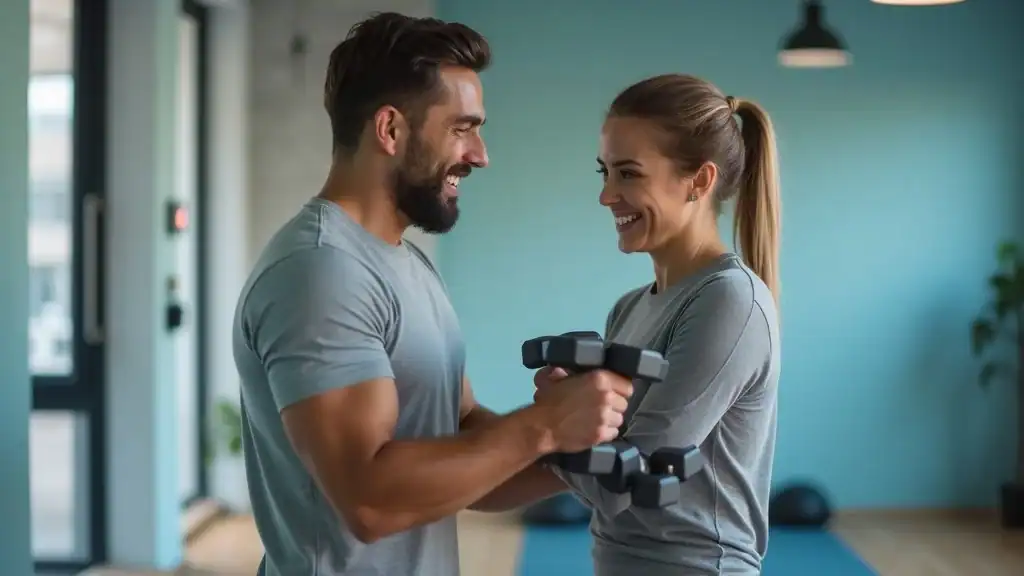
For positive engagement, fitness challenges and rewards must be flexible enough to include everyone. Beginners may feel intimidated by intense gym member competitions, so offer gentler onboarding, such as daily step goals or introductory yoga challenges. Reward milestones instead of only top achievements, celebrating progress to boost self-efficacy. Adaptive rules or coaching support ensure a welcoming environment for everyone at varying fitness levels. This approach helps more people make the leap from inactive to active, maintaining inclusivity and building a culture of continuous improvement in your wellness journey.
Scaling Challenge Ideas for Advanced Gym Members
-
Tiered reward systems
-
Flexible challenge ideas based on physical activity levels
Advanced gym members benefit most from challenge ideas offering complexity and progression. Tiered reward systems—where higher efforts earn greater recognition—motivate elite performers. For example, multi-level step challenges or personalized workout challenges with escalating goals provide ongoing stimulation. By giving these participants more autonomy and choice in competition type, office fitness and gym environments truly cater to every fitness level, keeping top achievers engaged and inspired.
7. Building a Successful Wellness Challenge: Step-by-Step Guide

-
Set clear goals and outcomes
-
Select appropriate fitness challenge ideas and rewards
-
Define rules and tracking protocols
-
Communicate challenge ideas and prize ideas
-
Monitor progress and adapt as needed
To develop a successful wellness challenge, start by determining achievable physical activity or nutrition goals for your target group. Choose the right mix of challenge ideas—step challenges for broad appeal, eating challenges for nutrition focus, or workout challenges for active gym members. Ensure prize ideas are meaningful and shared upfront. Establish transparent tracking (using apps or wearables) and maintain regular two-way communication for feedback. Finally, celebrate both participation and progress; adapting challenge scope based on team member responses is crucial to sustaining engagement for future fitness challenges and rewards initiatives.
8. The Psychology Behind Fitness Challenges and Rewards
How Friendly Competition Enhances Engagement
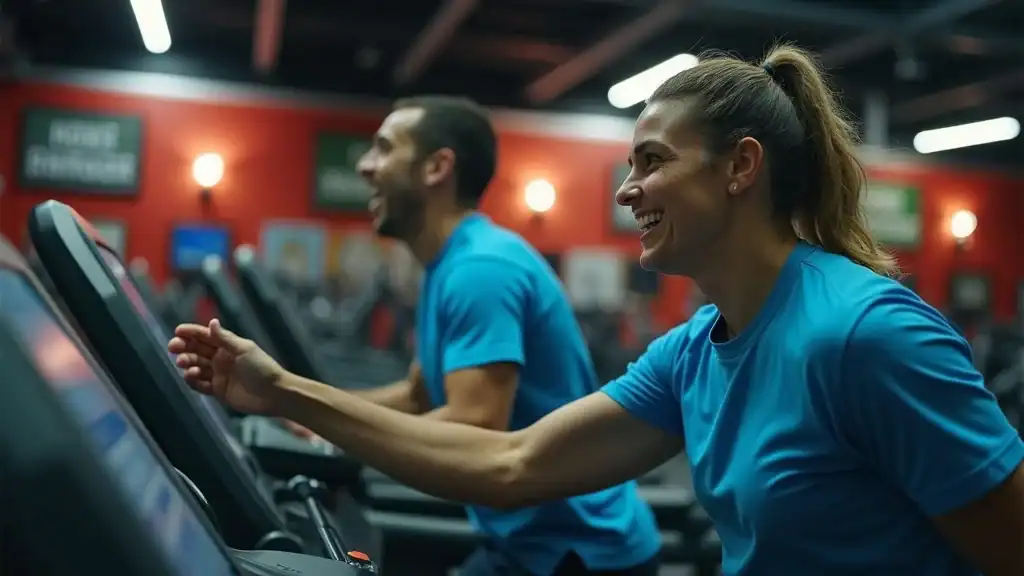
One of the hidden strengths of fitness challenges and rewards is the energizing influence of friendly competition. Humans are wired for social connection, and public progress updates or team leaderboards can foster excitement and motivation. Whether at the gym or in an office fitness environment, seeing peers strive for shared goals sparks greater commitment. This type of positive rivalry encourages all fitness levels to push beyond their comfort zones, enhancing results and overall enjoyment. By supporting each team member and recognizing improvement, wellness challenges create a sense of achievement for both individuals and groups.
The Reward Loop: Why Prizes Really Matter
“The anticipation of rewards triggers dopamine, which boosts motivation to complete wellness challenges and fitness challenge ideas.” – Behavioral Psychologist
The success of wellness challenges rests largely on how rewards are structured and communicated. Science shows that anticipating a prize—whether that’s a fitness tracker, gym membership, or even social recognition—stimulates the brain’s pleasure centers. This “reward loop” increases the likelihood of sustained participation and enthusiasm, regardless of fitness level. By cycling rewards throughout the challenge and making small victories visible, you’ll drive higher performance and lasting behavior change for everyone involved.
9. Fitness Challenge Ideas for Corporate Wellness Programs
Integrating Wellness Challenges with Existing Office Fitness Initiatives

For lasting impact, blend fitness challenges and rewards seamlessly into your office fitness or existing wellness program. Launch step challenges and eating contests during company health weeks, and layer new challenge ideas quarterly to prevent fatigue. Encourage cross-department teams or friendly rivalries to build energy and teamwork. Use digital platforms for easy participation and tracking, sending out reminders and updates that highlight wellness challenge progress and individual contributions. This holistic approach strengthens both engagement and the culture of well-being in your organization.
Sample 30-Day Fitness Challenges for Teams
|
Challenge |
Focus |
Outcome |
|---|---|---|
|
10,000 Steps a Day |
Activity |
Improved physical health |
|
Healthy Lunch Swap |
Eating |
Enhanced nutrition |
|
Weekly Workout Together |
Team Building |
Enhanced camaraderie |
10. Overcoming Barriers: Tips for Success in Fitness Challenges and Rewards
Addressing Participation Drop-Off

One of the greatest hurdles in wellness challenges is maintaining enthusiasm over time. Combat participation drop-off through regular check-ins, shared stories of success, and spontaneous surprise rewards mid-challenge. Encourage each team member to set personal milestones and celebrate those often—no achievement is too small. Foster an inclusive environment where every participant, regardless of fitness level or activity status, feels seen and valued. Transparent communication—from emails to leaderboard updates—ensures everyone remains connected and inspired throughout the fitness challenge.
Ensuring Inclusivity in Challenge Ideas for Every Fitness Level
-
Flexible entry options
-
Adaptive challenges for different fitness levels
-
Clear communication
True success in fitness challenges and rewards means engaging every participant regardless of their starting point. Offer alternate forms of participation, such as remote options or family-friendly challenge ideas for those working from home. Adopt adaptive rules—like converting running goals to brisk walks or substituting a step challenge with low-impact activity tracking. Regularly share guidance and celebrate personal stories to boost morale. When inclusivity is embedded, your office fitness, gym, or community wellness journey becomes a space where everyone can claim their success.
People Also Ask
What’s a good prize for a step challenge?
Answer: Great prize ideas for step challenges include fitness trackers, water bottles, healthy snack baskets, or an upgraded gym membership. The key is selecting rewards that inspire continued commitment to physical activity.
What to include in a fitness challenge?
Answer: Essential elements of a fitness challenge should include clear objectives, measurable outcomes, engaging challenge ideas, fair rules, ongoing encouragement, and motivating prize ideas tailored to participant interests.
Do 30 day fitness challenges actually work?
Answer: 30 day fitness challenges can be highly effective, serving as a structured kickstart to healthier habits and improved wellness. Long-term results depend on consistency and the integration of rewarding systems.
What is the best fitness challenge?
Answer: The best fitness challenge is one that matches participants’ fitness levels, includes achievable goals, fosters supportive competition, and offers meaningful rewards. Popular choices include step challenges, healthy eating, and team-based activities.
Frequently Asked Questions about Fitness Challenges and Rewards
How do I measure progress in a fitness challenge?
Progress in a fitness challenge can be tracked by using digital apps or wearables, keeping challenge logs, or weekly check-ins. Choose the method that aligns with your group’s style and ensures transparency for all fitness levels.
Can fitness challenges and rewards be done remotely?
Absolutely. Digital platforms, fitness tracker syncing, and video check-ins make it easy to run wellness challenges virtually—engaging remote team members and dispersed office fitness participants worldwide.
How do I motivate gym members during a long-term challenge?
Keep motivation high by introducing periodic smaller prize ideas, sharing regular progress updates, setting up friendly competition, and shining the spotlight on team members who make steady progress regardless of their initial fitness level.
What are wellness challenge best practices for large teams?
For large groups, ensure clear communication, create sub-teams for camaraderie, offer multiple challenge ideas to suit diverse fitness levels, and use scalable digital tools for tracking progress and distributing rewards.
Key Takeaways on Fitness Challenges and Rewards
-
Fitness challenges and rewards boost engagement and results
-
Variety in challenge ideas sustains motivation for all fitness levels
-
Prize ideas play a critical role in successful wellness programs
Ready to Transform Your Health? Start a Fitness Challenge with Rewards Today!
The path to lasting health and wellness starts with one challenge—infused with the right motivation and rewards for every fitness level. Gather your team, pick your favorite challenge ideas, and celebrate each success on your way to a stronger, happier you!