

Did you know? According to the Centers for Disease Control and Prevention (CDC), only about 6% of Americans practice all five key healthy habits—not smoking, exercising regularly, maintaining a healthy weight, drinking in moderation (or not at all), and eating fruits and vegetables every day. Startling, isn’t it? Yet, building just a few core healthy lifestyle good habits can add years to your life, reduce your risk of chronic diseases, and boost your daily energy and happiness. In this guide, you’ll discover realistic, evidence-backed strategies to help you unlock a vibrant, healthy life—starting now.
Discover the Importance of Healthy Lifestyle Habits: Surprising Statistics and What They Mean
Healthy lifestyle good habits are more than just buzzwords—they save lives. Recent data shows that lifestyle-related diseases, including heart disease and type 2 diabetes, are among the top causes of death globally and in the United States. In fact, a landmark study published online by Harvard Health found that people who adopted just four basic healthy habits—never smoking, maintaining a healthy weight, getting regular exercise, and eating a high-quality diet—lived, on average, 12–14 years longer than those who didn’t. This isn’t just a statistic; it’s a wake-up call about the impact of everyday choices.
Beyond longevity, healthy lifestyle habits such as balanced eating, staying physically active, and reducing screen time have profound effects on mental health, mood, and energy. According to the National Institutes of Health, regular physical activity not only lowers blood pressure and cholesterol but also helps prevent depression and anxiety. As you’ll see throughout this article, embracing healthy habits is not about perfection—it’s about progress and persistence. Let’s explore what these habits look like and how they can change your life.

Opening Hook: The Startling Truth Behind Healthy Lifestyle Habits
Even though nearly everyone knows that healthy lifestyle good habits are essential, few fully understand their true impact. Take this: Researchers at the National Institute of Health estimate that nearly 80% of premature heart disease and stroke can be prevented with basic healthy habits, such as daily physical activity and smart eating choices. Surprisingly, small, consistent actions—like cut back on saturated fat or limiting screen time—can be as powerful as major changes when practiced over time. By grasping just how transformative even one healthy habit can be, you’ll find the motivation you need to take action today.
What You’ll Learn About Healthy Lifestyle Habits
- Understand the impact of healthy lifestyle good habits on overall well-being
- Learn key strategies for developing effective eating habits and physical activity routines
- Explore evidence-based tips for reducing saturated fat intake and monitoring screen time
- Gain practical knowledge for maintaining healthy eating and lifestyle choices
Defining Healthy Lifestyle Habits: Core Concepts and Benefits
What Are Healthy Lifestyle Good Habits?
Healthy lifestyle good habits are everyday choices and routines that consistently contribute to a healthier life and lower risk of chronic disease. They go beyond simply choosing a salad over fries—instead, these habits become a regular, enjoyable part of your daily rhythm, shaping how you think, move, and live. Common examples include regular physical activity, balanced eating habits, getting enough sleep, reducing screen time, and practicing stress management techniques.
The value of healthy habits lies in their cumulative effect. According to the Gov website on preventive health, small improvements—like adding an extra serving of vegetables a day or setting aside family time for a walk—can help manage blood pressure, support weight loss, and reduce the risk of heart disease. Over time, these micro-changes stack up, allowing you to not only live longer but enjoy more energy, better mental health, and a stronger sense of well-being. Your habits truly shape your health destiny.
Understanding the Link Between Healthy Eating and Wellness
There’s no denying the connection between healthy eating and overall wellness. A balanced diet, rich in natural sources of vitamins and minerals, is fundamental for maintaining strength, supporting the immune system, and preventing many health conditions. Studies from the National Institutes of Health highlight how consistent healthy eating patterns can decrease your risk of diabetes, heart disease, and certain cancers.
Beyond physical health, what you eat dramatically influences your mood and brainpower. For example, complex carbs like whole grains fuel steady energy, while healthy fats support brain function. On the other hand, frequent consumption of processed foods and added sugars can spike and crash energy and even worsen mental health symptoms. By refocusing your diet on real, nourishing foods and mindful portions, you’re making a daily investment in your vitality and well-being.

The Role of Physical Activity in Healthy Lifestyle Habits
Physical activity stands as one of the most powerful pillars of a healthy lifestyle. Not only does regular movement help you lose weight and shape your body, but it also delivers heart health benefits, regulates blood pressure, and reduces the risk of numerous chronic diseases. According to the Harvard Health database, just 30 minutes of moderate exercise most days can reduce your risk of early death by as much as 30%.
But exercise isn’t only about prevention; it’s also about quality of life. People who are physically active consistently report better mental health, more restful sleep, stronger bones, and greater confidence. Whether you love dancing, brisk walking, swimming, or group sports, the important thing is making movement a non-negotiable part of your daily routine. It’s not just an obligation—it’s your ticket to feeling energized and resilient for years to come.
“A single healthy habit, adopted consistently, can profoundly transform your long-term physical and mental well-being.” – Leading Wellness Expert
Breaking Down Healthy Eating: Essentials of Balanced Eating Habits
Key Principles of Healthy Eating and Healthy Lifestyle Habits
Healthy eating is the foundation of lasting wellness. The most successful eating habits aren’t based on restriction but on inclusion—filling your plate with a diverse array of whole, colorful foods and aiming for balance, moderation, and pleasure in every bite. According to the National Institutes of Health and other reputable gov websites, a healthy diet focuses on whole grains, lean proteins, fruits, vegetables, and heart-healthy fats, while limiting processed foods, sodium, added sugars, and especially saturated fat.
More than just what you eat, how you eat matters too. Regular mealtimes, mindful eating, and portion control can help stabilize energy, manage hunger and even support natural weight loss. By choosing nourishing, real foods most of the time—and allowing for occasional indulgence—you’re embracing a sustainable eating style that supports a healthy life at every age.
Saturated Fat: Why Limiting Intake Improves Healthy Lifestyle Habits
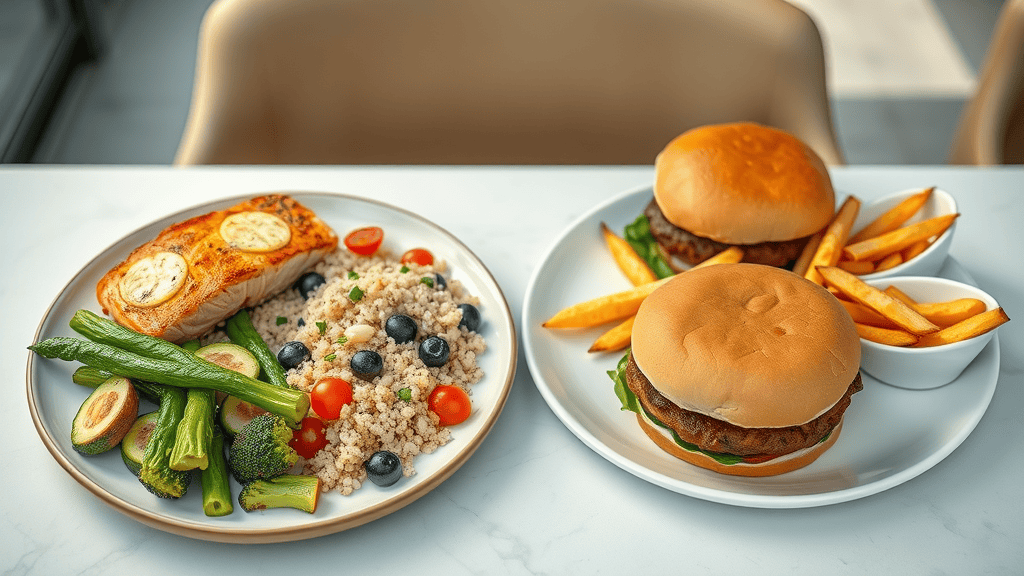
Limiting saturated fat is one of the simplest and most effective ways to protect your heart and improve your overall health. Found primarily in red meat, butter, cheese, and many processed snacks, high intakes of saturated fat have been shown to raise cholesterol, increase the risk of heart disease, and contribute to other chronic health conditions. In fact, experts like the National Institutes of Health and the American Heart Association recommend cutting back on these foods and replacing them with unsaturated fats from sources such as olive oil, nuts, seeds, and fatty fish like salmon.
You don’t have to eliminate fat altogether. Healthy fats are vital for cell function and hormone production. But by being mindful—grilling salmon instead of frying chicken, for instance—you’re actively lowering your future risks while still enjoying delicious meals. Swapping saturated fat helps pave the way for long-term healthy lifestyle habits and a stronger heart.
Simple Changes for Building Positive Eating Habits
Transforming your eating habits doesn’t require a radical overhaul overnight. Instead, tiny, consistent changes add up to remarkable results. Start by choosing whole grains—like brown rice or oatmeal—instead of white rice or sugary breakfast cereal. Add a serving of colorful vegetables to each meal, and opt for fresh fruit as a naturally sweet snack.
Limiting processed foods and foods high in added sugars is also key. Read labels on packaged foods, cut back on sugary drinks, and treat fast food as an occasional indulgence rather than an everyday meal. Finally, be mindful of portion sizes: listen to your body’s hunger and fullness cues instead of eating out of habit or boredom. These simple steps lay the groundwork for lifelong healthy habits.
- Choose whole grains over refined grains
- Incorporate a variety of fruits and vegetables
- Limit processed foods and added sugars
- Manage portion sizes
Physical Activity: A Cornerstone of Healthy Lifestyle Habits
How Much Physical Activity Do You Need for Healthy Lifestyle Good Habits?
Experts agree that regular physical activity is essential for everyone—regardless of age or fitness level. The National Institutes of Health recommends that adults aim for at least 150 minutes of moderate aerobic exercise or 75 minutes of vigorous exercise each week, plus muscle-strengthening activities two or more times a week. Children and teens need even more, ideally being physically active for at least 60 minutes every day.
Physical activity goes beyond formal workouts at the gym. Activities like brisk walking, gardening, dancing, cycling, or even playing tag with your kids all count toward your weekly totals. What matters most is consistency: find activities you truly enjoy, set simple routines, and get moving however and whenever you can. This approach not only helps with weight management and heart health but dramatically boosts overall energy and mental well-being.
Recommended Physical Activity Levels by Age Group
| Age Group | Recommended Activity Level | Examples |
|---|---|---|
| Children (6–17 years) | At least 60 minutes/day | Running, playing sports, biking |
| Adults (18–64 years) | 150 mins moderate or 75 mins vigorous/week + Muscle strengthening 2 days/week |
Brisk walking, swimming, resistance training |
| Older Adults (65+ years) | As adult, include balance activities | Walking, tai chi, yoga |
Creative Ways to Integrate More Physical Activity Into Daily Life
You don’t need to sign up for a marathon to benefit from being more active. Everyday opportunities to move can add up quickly. For instance, walk or bike instead of driving whenever possible, use stairs instead of elevators, or start your morning with a stretch session. Even breaking up long periods of sitting with a few minutes of jumping jacks or brisk walking can make a difference for your heart and mental health.
Try making physical activity a social event. Invite friends along for a weekend hike, join a community sports league, or ask your family to dance together after dinner. Studies published online by health organizations stress that “exercise snacking”—short, intense bursts of activity—can be just as effective as longer workouts. The key is to make moving a regular, enjoyable part of your routine, no matter how busy your schedule seems.

Combating Sedentary Behaviors and Managing Screen Time
Sedentary habits, such as prolonged screen time, are a major obstacle to a healthy lifestyle. The average U.S. adult now spends over 10 hours a day in front of screens—a trend tied to increased risk for obesity, heart disease, and even mental health disorders, according to both Harvard Health and the National Institute of Health. To break the cycle, set clear limits on recreational screen time, use reminders to stand and stretch every hour, and substitute screen-based activities with ones that involve movement.
Managing screen time isn’t just about reducing health risks—it enhances your overall quality of life. Reclaiming time from devices opens up opportunities for meaningful connections, outdoor adventures, and hobbies that feed your creativity. Even incremental shifts—like turning off screens 30 minutes before bed or having device-free meals—can encourage new, healthy habits for the whole family.
“Regular movement is the single most important ingredient for long-term health.” – Fitness Specialist
Healthy Lifestyle Habits Beyond Diet and Exercise
The Impact of Reducing Screen Time on Healthy Lifestyle Good Habits
Reducing screen time is increasingly recognized as fundamental to building healthy lifestyle good habits, especially in a digital age. Excessive screen time can interfere with sleep, impair mental health, discourage physical movement, and disrupt healthy eating patterns (think mindless snacking while watching TV). According to the National Institutes of Health, children and adults who limit nonessential screen use see measurable improvements in focus, family connection, and daily mood.
Start by setting “screen-free” zones or times in your home, such as banishing devices from the dinner table or shutting off electronics an hour before bedtime. Encourage alternative activities that don’t involve screens, like reading, walking, or playing board games—these habits help everyone develop stronger coping skills, healthier sleep, and more balanced days.

Building a Healthy Habit: Sleep, Stress Management, and More
Truly holistic healthy lifestyle habits go beyond diet and physical activity, encompassing sleep, stress, and social connection. Good sleep—7–9 hours each night for most adults—heals your body, sharpens your mind, and supports immune strength. Meanwhile, chronic stress increases your risk for heart disease, obesity, and depression; managing it through mindfulness, relaxation, or hobbies is crucial.
Positive social relationships are vital as well. Making time for loved ones, joining supportive communities, and volunteering build resilience and a sense of purpose. To maximize well-being, also avoid tobacco, limit alcohol, and practice sun safety. Together, these habits complete the whole picture for a happy, healthy life.
- Develop a regular sleep routine
- Practice mindfulness and relaxation techniques
- Cultivate positive social connections
- Avoid tobacco and limit alcohol consumption
What are 10 healthy habits?
Exploring the Top 10 Healthy Lifestyle Habits
- Eating a balanced diet rich in nutrients
- Engaging in regular physical activity
- Managing stress effectively
- Maintaining adequate hydration
- Sleeping 7-9 hours per night
- Avoiding smoking
- Limiting alcohol consumption
- Practicing safe sun exposure
- Keeping up with preventive medical care
- Maintaining a positive social network
Integrating these healthy habits creates a solid foundation for long-term wellness. Focus on small steps: try a new fresh vegetable every week, schedule regular physical activity, or join a local group to expand your support network. While no one is perfect, choosing just a few to start can make a huge difference in your journey toward a healthy life.
What are 10 tips for a healthy lifestyle?
Actionable Tips to Embrace Healthy Lifestyle Habits
- Plan meals and snacks ahead of time
- Stay active even with a busy schedule
- Reduce screen time for better health
- Swap saturated fat with heart-healthy fats
- Drink water before every meal
- Practice gratitude daily
- Keep tempting unhealthy foods out of sight
- Find physical activities you enjoy
- Prioritize sleep quality
- Set realistic, trackable wellness goals
Remember: implementing even a handful of these tips can make sticking with healthy lifestyle good habits easier and more enjoyable. It’s not about willpower alone—it’s about creating a supportive environment and celebrating every small victory on your journey.
What are the 7 components of a healthy lifestyle?
Deconstructing the 7 Key Components of Healthy Lifestyle Habits
- Balanced Nutrition
- Regular Physical Activity
- Effective Stress Management
- Sufficient Sleep
- Healthy Social Relationships
- Limiting Risky Behaviors
- Mental and Emotional Well-being
These seven components form the “big picture” of a healthy life. Each one is vital—neglecting any can undermine your progress in the others. Strive for balance, flexibility, and compassion as you work toward your ultimate wellness goals.
What is the 5 2 1 0 rule?
Understanding the 5 2 1 0 Rule: A Guide for Healthy Lifestyle Habits
| Number | Rule | Explanation |
|---|---|---|
| 5 | At least 5 servings of fruits and vegetables per day | Maximize nutrient intake for better immune function and energy |
| 2 | Limit screen time to 2 hours or less | Promote more movement, social interaction, and rest |
| 1 | Be physically active for at least 1 hour each day | Enhance heart, muscle, and bone health |
| 0 | Consume 0 sugary drinks daily | Reduce “empty” calories and protect teeth, weight, and organs |
The 5 2 1 0 rule is a simple, memorable framework to help families and individuals create health-promoting routines, especially for children. Use it as a daily check-in to make sure you’re covering the basics necessary for a healthy lifestyle.
A beginner-friendly video visually demonstrating the foundations of healthy lifestyle habits: balanced meals, regular physical activity, practical screen time reduction, and easy-to-understand tips for creating lasting change. Calm, encouraging narration guides viewers through real-life scenes in homes, parks, and grocery stores, helping everyone—from families to solo adults—feel empowered to take the next simple step.
Watch our concise explainer video packed with practical, expert-backed strategies you can apply instantly. Discover how small, realistic changes to your morning routine, meals, and evening rituals can foster positive, sustainable habits. Visual demonstrations show real people fitting active living and healthy eating into the busiest days.
Addressing Common Barriers to Practicing Healthy Lifestyle Habits
Overcoming Modern Challenges: Screen Time, Convenience Foods, and Motivation
Modern life is full of hurdles when it comes to sustaining healthy lifestyle good habits. Abundant convenience foods, excessive screen time, and jam-packed schedules can challenge even the most motivated individuals. The key to overcoming these obstacles lies in awareness and strategic planning: stock your fridge with ready-to-eat healthy snacks, set device curfews, and enlist social support or online communities for accountability.
Lack of motivation is another common issue. If you find it hard to get started, try reframing your goals—focus on how you’ll feel afterwards, not just the process itself. Reward yourself for small wins, track progress in a journal, and, most importantly, give yourself grace on tough days. Remember, every step forward counts.
Setting SMART Goals for Lasting Healthy Lifestyle Habits
SMART goals—Specific, Measurable, Achievable, Relevant, and Time-bound—make building healthy lifestyle good habits much more successful. Instead of vague resolutions like “eat healthy” or “exercise more,” set goals such as, “I will walk 30 minutes, five days a week, for the next month” or “I will prepare three home-cooked meals per week.” This clarity turns intentions into action and gives you a tangible way to monitor your success. Adjust goals as needed, and celebrate all progress along the way.
FAQs About Healthy Lifestyle Habits
- What is the most important healthy lifestyle habit?
While all healthy lifestyle good habits matter, most experts suggest that regular physical activity—paired with balanced nutrition—is the single most impactful habit. Moving regularly helps lower your risk of nearly every major health issue, keeps your mind sharp, and sets the tone for healthy choices in all areas of life. - How can families encourage healthy eating together?
Success starts with shared meals and inclusive planning. Involve everyone in meal prep, make fruits and veggies visible and easy to grab, and model positive attitudes about food. Create family challenges, like trying a new vegetable each week, and celebrate healthy milestones together to reinforce supportive eating habits. - Is saturated fat always bad for healthy lifestyle habits?
Saturated fat isn’t always the villain, but most health organizations—including the National Institutes of Health—advise limiting it to support heart health. Focus on unsaturated fat sources like olive oil, nuts, and avocado, and view foods high in saturated fat as occasional treats rather than staples in your diet. - How do I break unhealthy eating habits?
Start by identifying your triggers (stress, boredom, social pressure) and replace unhealthy routines with positive alternatives. Stock your environment with nourishing foods, plan meals, and create new rituals around eating—like sharing gratitude before meals or savoring every bite. Remember, progress is a journey: celebrate every step forward and be gentle with setbacks.
Key Takeaways for Building Sustainable Healthy Lifestyle Habits
- Healthy lifestyle good habits are foundational for long-term well-being
- Small, consistent changes create lasting results
- Balanced nutrition, physical activity, and mindful living are essential
Ready to Transform? Start Your Journey Toward Healthy Lifestyle Good Habits Today!
Don’t wait—start simple, stay consistent, and celebrate every win. Your path to a healthier, happier life begins with one new habit, today.