
You have probably heard the standard answer by now. Do more crunches, run more miles, join a gym. If that advice has not worked, or your week is already packed, you are asking a fair question: how can I lose belly fat without exercise? The honest answer is that belly fat responds to sleep, drinks, stress and everyday eating habits at least as much as it responds to sit-ups. All four sit within your control from your kitchen and your bedroom, no gym card required.
This guide skips the miracle promises. You will see what the research actually supports, which type of belly fat deserves your attention first, and how to run a simple seven-day audit that changes one lever at a time. If you want a second angle on the same goal, our full seven-habit plan for reducing belly fat without exercise walks through a different set of daily swaps.

How Can I Lose Belly Fat Without Exercise? Start by Dropping the Crunch Myth
Here is the thing most fitness ads skip. Ab exercises strengthen and tone the muscles underneath your belly, but Mayo Clinic states plainly that doing them alone will not strip away the fat sitting on top. Your body does not burn fat from the spot you work. It draws energy from fat stores across your whole body, and genetics and age influence which areas shrink first.
That is good news if you dislike workouts. It means the thing you have been blaming, a lack of ab exercises, was never the main problem. The bigger drivers are how much energy you take in, how well you sleep, and what you drink without thinking about it.
What "without exercise" realistically means
Let's be precise, because this phrase gets misread. Skipping structured workouts does not mean sitting still all day. Walking to the bus, taking stairs and doing housework all burn energy, and you do not need to count them as exercise. What this guide does is move your attention to the levers that tend to deliver bigger returns first.
It also helps to be honest about the long game. Health organisations, Mayo Clinic included, recommend regular physical activity for heart health and overall wellbeing. You do not have to start there. But if a walk or a stretching session ever feels doable, treat it as a bonus for your health rather than a punishment for your waistline.
Your Belly Fat Comes in Two Types, and the One You Cannot Pinch Is the Risky One
Not all belly fat behaves the same way. Harvard Health separates abdominal fat into two kinds. Subcutaneous fat is the kind you can grasp with your hand. Visceral fat lies deep inside the abdominal cavity, padding the spaces between your organs, and it plays a much bigger role in health problems than the soft layer you can pinch.
Mayo Clinic lists the risks of carrying a large amount of belly fat as high blood pressure, unhealthy blood fats, sleep apnea, heart disease, high blood sugar and diabetes, fatty liver, stroke, certain cancers and early death from any cause. That list sounds scary, so keep this in mind: it describes excess belly fat in large amounts, and it is a reason to act steadily, not to panic.
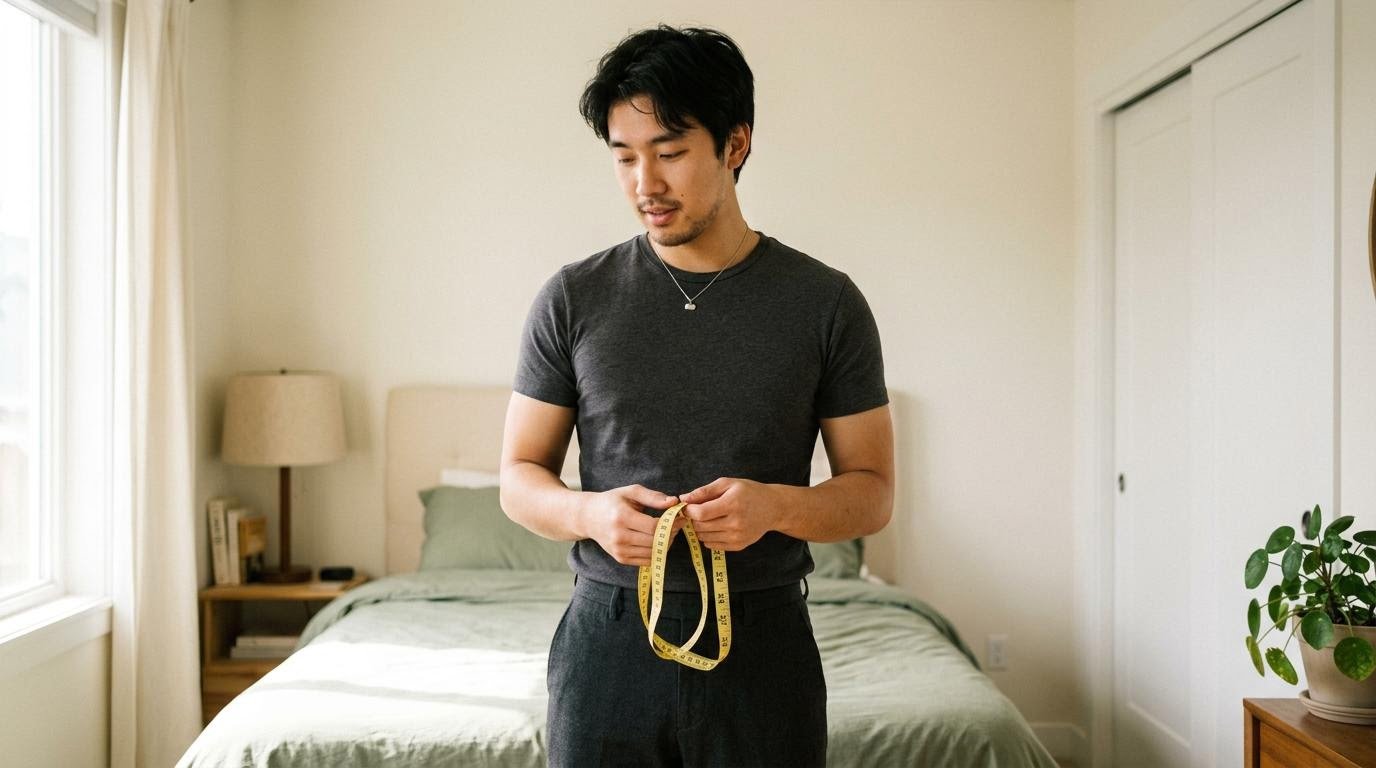
Here is a non-obvious point worth sitting with. You cannot pinch visceral fat, so a mirror or a pair of jeans will not tell you how much you carry. A tape measure gets closer, because a larger waist tends to track with more visceral fat.
The waist numbers that matter
The National Heart, Lung, and Blood Institute puts the line at more than 35 inches for women and more than 40 inches for men, where disease risk rises. Use a soft tape around your waist, measure at the same spot each time, and write the number down.
| Group | Waist circumference linked with higher risk |
|---|---|
| Women | More than 35 inches |
| Men | More than 40 inches |
Source: National Heart, Lung, and Blood Institute (NIH), 2025
Your waist number also gives you something the scale cannot: a trend line. If the scale barely moves for a week but your waist drops half an inch, the plan is working. Track both, but trust the tape for belly fat.
Bloating or belly fat? A quick way to tell the difference
Before you change anything, check whether you are dealing with fat or with bloating. Bloating comes and goes. Your waist may feel tight after a large or salty meal, then ease by morning. Fat does not swing like that. It changes over weeks, not hours.
A simple test helps. Measure your waist first thing in the morning for three days in a row, before eating or drinking. If the numbers sit within a small range, you are looking at your baseline. If the numbers jump around by an inch or more, digestion, water retention or posture may be part of the picture, and a doctor or dietitian is a good next stop. Increase fiber gradually if you do raise it, since a sudden jump often causes the exact bloating you are trying to avoid.

Four Hours of Sleep Added 11 Percent More Visceral Fat in a Mayo Clinic Study
Sleep is the most underrated belly fat lever on this list. In a randomized study from Mayo Clinic, published in 2022 in the Journal of the American College of Cardiology, 12 healthy adults who were not obese either slept four hours a night or nine hours a night for two weeks. The short sleepers ended up with a 9 percent increase in total abdominal fat area and an 11 percent increase in visceral fat. They also ate more than 300 extra calories a day.
Read that result with the right caution. It was a small group, it ran for two weeks, and four hours is far shorter than most people sleep. It does not prove that one rough week will rebuild your belly. What it does show is a plausible chain: too little sleep pushes appetite up, and the extra energy goes to the most health-relevant place.
A realistic sleep reset
You do not need a perfect routine. You need a few anchors you will keep.
- Pick one wake time and hold it within an hour, even on weekends.
- Set a phone alarm for 30 minutes before bed that tells you to start winding down.
- Stop caffeine at least eight hours before bedtime, because it lingers longer than most people expect.
- Keep the bedroom dark and cool, and move the phone charger out of arm's reach.
Picture a 24-year-old who studies until 2 a.m. and snacks through every late session. Moving bedtime back by one hour removes one hour of snack time and one hour of tired decision-making. The calories saved are not dramatic on any single night, but they repeat.

Liquid Calories Are the Cheapest Belly Fat to Cut
Drinks are the lowest-effort swap on the list because liquid calories rarely make you feel full. The Mayo Clinic guidance linked earlier recommends replacing sugary drinks with water as one of its core steps for reducing belly fat. That includes sweetened coffee drinks, bubble tea, soda, juice and sports drinks.
Here is a simple example with round numbers, not a measured claim. Assume you have two drinks a day that each carry around 300 calories. Swapping them for water, sparkling water or unsweetened tea removes roughly 600 calories from your day without changing a single meal. You would still need to watch for making up the difference with snacks, but the starting position is strong.
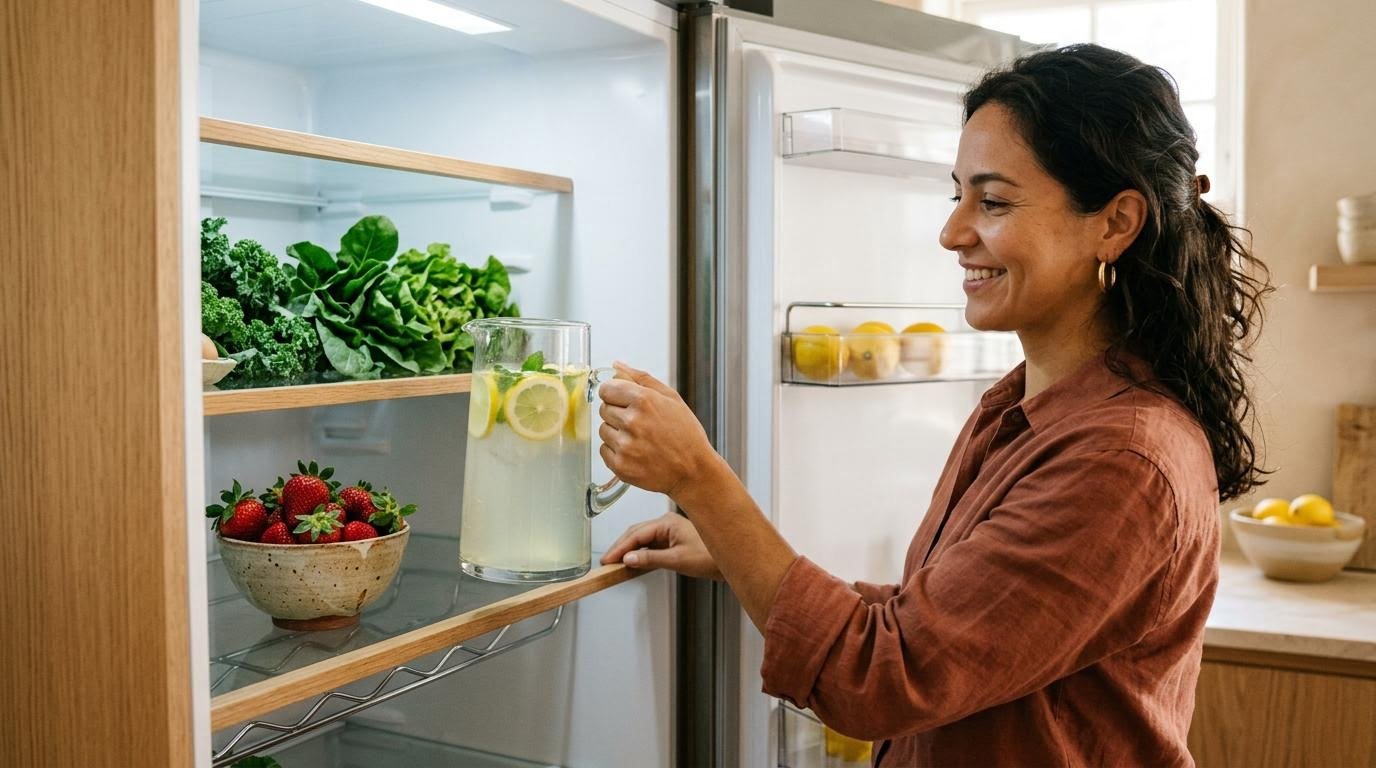
Making the swap stick is mostly about friction. Keep a filled water bottle where you used to reach for a soda. Order the smallest size when you buy a sweet drink, then drop to every other visit. Add lemon, mint or cucumber to plain water if the taste bores you. If you rely on a sweet coffee to wake up, halve the syrup for a week and halve it again the next. Your taste buds adapt faster than you expect.
Alcohol deserves its own line
Alcohol adds calories without filling you up, and it tends to loosen your grip on late-night snacking. If belly fat is your goal, a useful experiment is to cut alcohol to special occasions for two weeks and watch how your waist number and your evening eating respond. You are gathering data about your own body, not following a rule.

A Modest Calorie Gap Beats a Crash Diet for Belly Fat
If you have been hunting for the best way to reduce belly fat naturally, this section holds the unglamorous answer. Mayo Clinic notes that visceral fat responds to the same strategies that help you lose other extra pounds, which means there is no separate secret diet for the belly. What matters is the pace.
The Centers for Disease Control and Prevention says that people who lose weight at a gradual, steady pace of about 1 to 2 pounds a week are more likely to keep it off than people who lose it faster. That fits the real-life pattern: crash diets collapse by week three, and the belly fat comes back with company.
If you want the maths behind a small, steady gap, our guide to what a calorie deficit is and how weight loss really works breaks it down without the spreadsheets.
What steady progress looks like in practice
Slow progress feels invisible at first, so set your expectations before you start. In week one, expect better sleep, fewer afternoon cravings and perhaps a slightly looser waistband, but not a dramatic change in the mirror. By the end of a month of steady habits, a measurable drop in your waist number is a reasonable target. Take the measurement on the same day each week, because daily readings mostly record water and digestion.
Plateaus are normal too. If your waist stalls for two weeks, do not slash calories. Look at which habit slipped, usually sleep or weekend drinks, fix that one and give it another two weeks.
Five small ways to build the gap without feeling like you are dieting
- Use a smaller plate for dinner and stop when you feel about 80 percent full.
- Put protein and a high-fiber food on your plate first, because they slow you down and keep you satisfied longer.
- Eat slowly enough to put your fork down between bites, since fullness signals take a while to catch up.
- Plan one proper snack at your usual slump time so you are not grazing from the packet.
- Close the kitchen after dinner except for water or herbal tea.
None of these need a food scale or an app. Pick two, run them for a week and add another only when the first two feel automatic.
Stress Eating Is a Habit Problem, Not a Willpower Problem
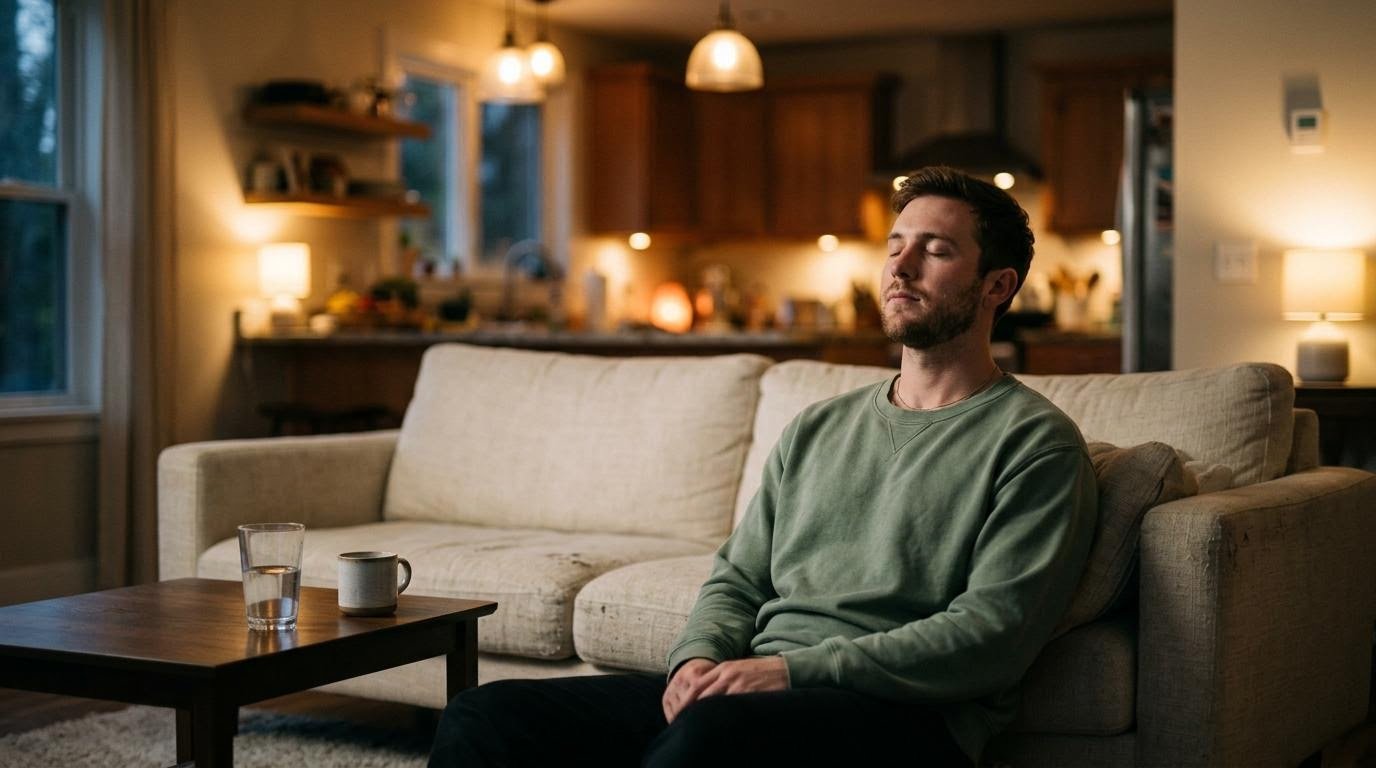
You know the scene. A hard day ends, the kitchen light goes on, and you are three biscuits deep before you notice. That is not a character flaw. It is a learned loop: stress, relief from food, repeat. Loops respond better to design than to willpower.
Try this setup. First, delay for ten minutes. Set a timer, drink a glass of water and ask yourself whether you are hungry or just tired. Second, change the environment: keep trigger foods out of sight, and keep an easy, filling option like fruit with yoghurt at eye level. Third, give the stress a different outlet, such as a short breathing exercise or a call with a friend. Our readers often find that the ten-minute pause alone ends about half of these snack raids.
Notice the point here. You are not removing treats forever. You are making the automatic choice a bit slower, and a slower choice is often a better one.

Your Seven-Day Plan: How Can I Lose Belly Fat Without Exercise This Week?
Change one lever per day, keep each change for the rest of the week and review on day seven. Small stacked changes beat a total overhaul you drop on Thursday.
- Day 1: Measure your waist and write the number down.
- Day 2: Set a consistent wake time and a wind-down alarm.
- Day 3: Swap your sugary drinks for water or unsweetened options.
- Day 4: Shrink dinner portions and eat 20 percent slower.
- Day 5: Add protein and fiber to breakfast.
- Day 6: Build your ten-minute pause and a planned afternoon snack.
- Day 7: Measure your waist again, note how you slept and decide which two habits stay.
Be fair to the plan. One week will not rebuild your midsection, and it should not. The goal of week one is proving to yourself that these levers are easy to hold. If the results look slow after a few weeks of steady effort, it may be worth asking a doctor about other options, and our piece on losing belly fat without surgery and what doctors actually recommend explains what the next conversation could cover.
So, how can I lose belly fat without exercise? Treat the crunch myth as retired, protect your sleep, cut liquid calories, keep the calorie gap modest and design your stress habits. You will not see a flat stomach in a week, but you will see a steady trend on the tape measure, and that is the sign you are doing it right.
Health disclaimer: This article is for general education and does not replace advice from a doctor or registered dietitian. Talk to a healthcare professional before changing your diet, especially if you are pregnant, breastfeeding, under 18, living with diabetes or another medical condition, or taking medication. Seek medical care promptly for sudden abdominal swelling, persistent pain or unexplained weight changes.
Frequently Asked Questions
Can you lose belly fat without exercise?
Yes, you can lose belly fat without structured exercise by creating a modest calorie gap, sleeping enough, cutting sugary drinks and managing stress eating. Whole-body fat loss is what shrinks the belly, and Mayo Clinic notes that visceral fat responds to the same diet strategies as other excess weight. Regular activity still supports heart health, so add it later if you can.
How do I get rid of belly fat without exercise?
Start with the levers that carry the biggest returns: protect seven or more hours of sleep, swap liquid calories for water, shrink dinner portions slightly and plan your snacks. Measure your waist weekly and judge progress by that number, not by daily scale swings.
What is the difference between visceral and subcutaneous belly fat?
Subcutaneous fat sits under the skin and you can pinch it. Visceral fat sits deep in the abdomen around your organs and is more strongly tied to health problems. A waist measurement of more than 35 inches for women or more than 40 inches for men signals a higher risk of disease.
How long does it take to lose belly fat without exercise?
There is no honest fixed timeline because bodies differ. A realistic pace is about 1 to 2 pounds of weight loss per week, which the CDC links with a better chance of keeping the weight off. Many people notice a smaller waist measurement after several weeks of consistent habits.
When should I see a doctor about belly fat?
See a doctor if your waist is above the risk thresholds and you have symptoms such as loud snoring, high blood pressure or high blood sugar, or if your belly swells suddenly, hurts persistently or grows without any change in eating. A professional can check for medical causes and suggest a plan that suits your health history.
References
- Mayo Clinic: Belly fat in women: Taking and keeping it off
- Harvard Health: Abdominal fat and what to do about it, 2024
- National Heart, Lung, and Blood Institute (NIH): Heart-Healthy Living: Aim for a Healthy Weight, 2025
- Mayo Clinic News Network: Lack of sleep increases unhealthy abdominal fat, 2022
- Centers for Disease Control and Prevention: Steps for losing weight, 2025